Bram Stoker: The Squaw

Bram Stoker: The Squaw

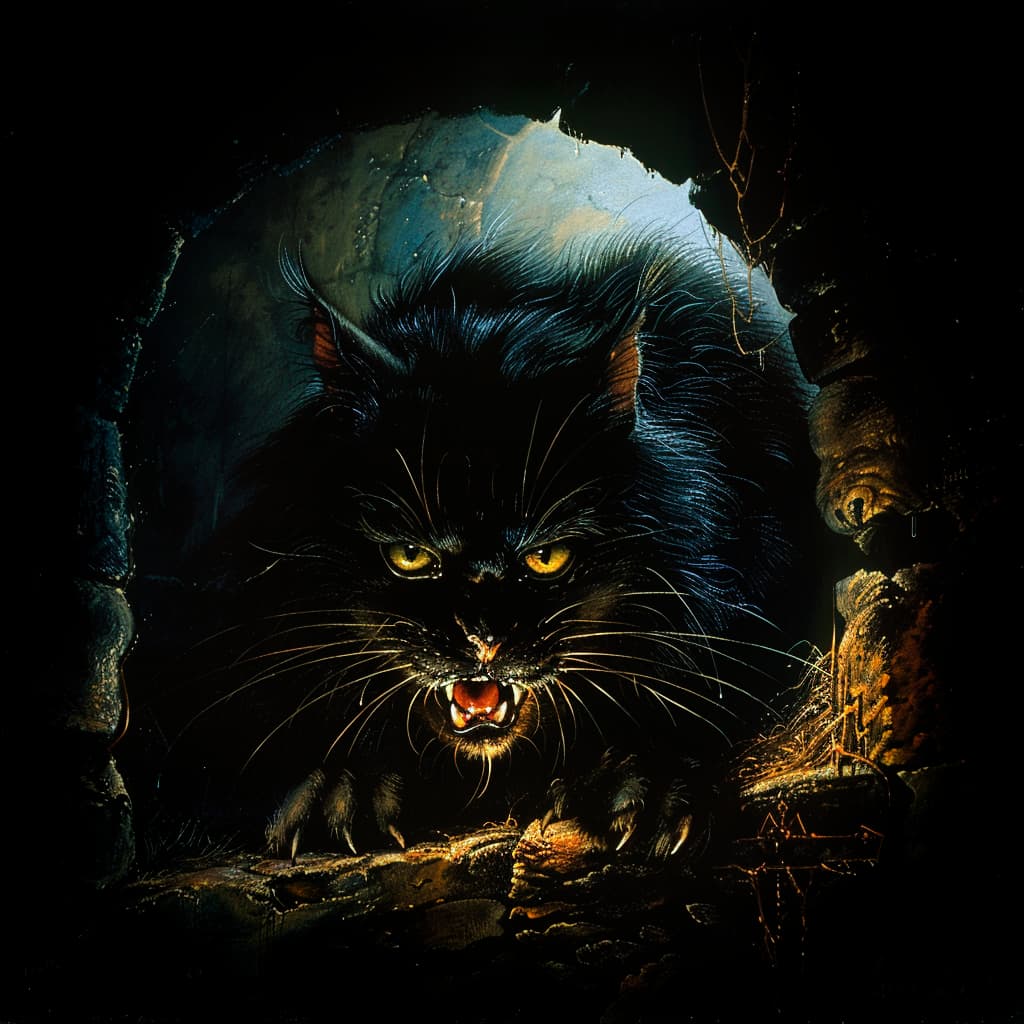
In “The Squaw”, a short story by Bram Stoker published in 1893, a young American couple is enjoying their honeymoon in Germany, where they meet an eccentric traveler from Nebraska, Elias P. Hutcheson. Together, they head to Nurnberg, where they hope to visit the ancient castle, particularly the torture tower where the famous “Iron Virgin” is kept. During a walk around the castle, Hutcheson, in an attempt to play with a stray kitten, accidentally kills it with a stone. This unleashes the wrath of the mother cat, which becomes an embodiment of hatred and revenge, which will have severe consequences for the travelers.

Bram Stoker: The Judge’s House

Bram Stoker: The Judge's House

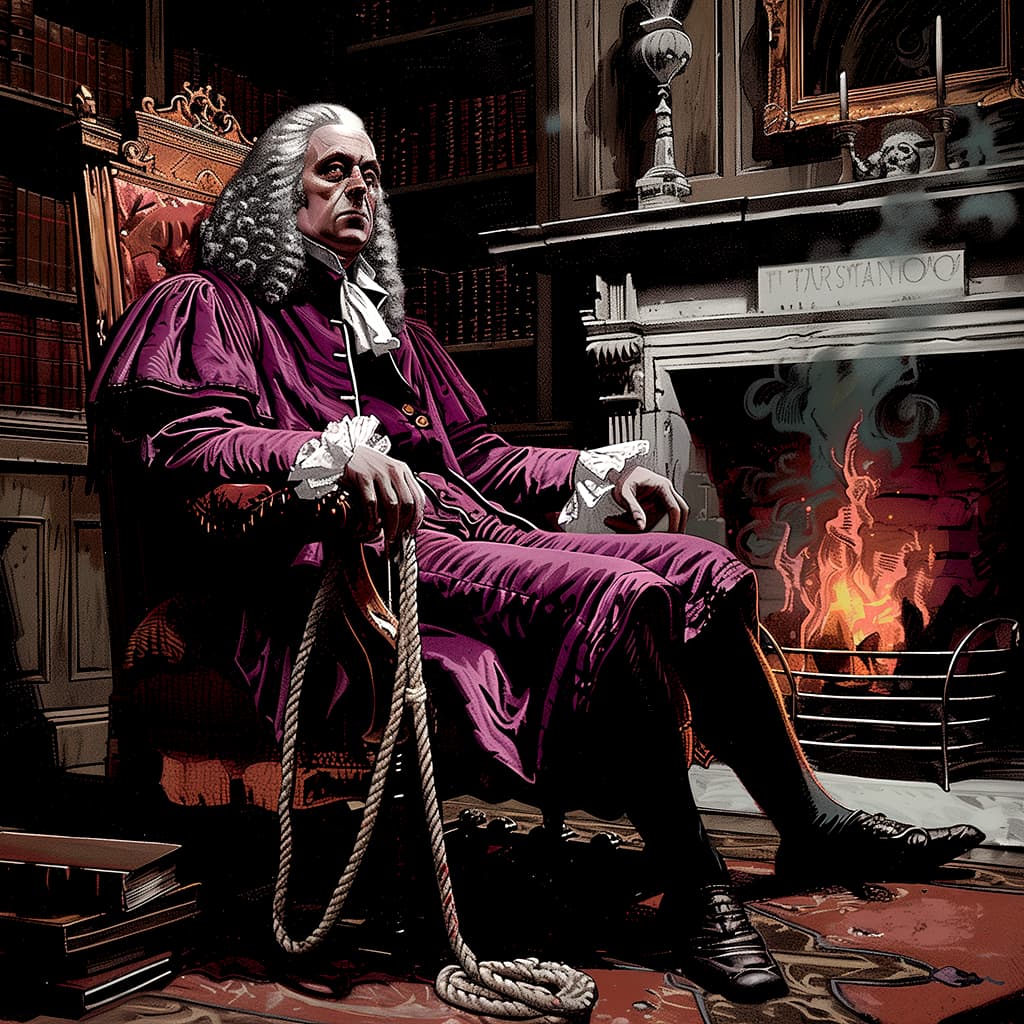
In the short story “The Judge’s House” by Bram Stoker, a college student named Malcolm Malcolmson is looking for a quiet place to study, so he decides to settle in an old, uninhabited house in the village of Benchurch, known as The Judge’s House. The house has imposing Jacobean architecture and a sinister reputation, making it seem perfect for his purposes. Despite the locals’ warnings, Malcolmson begins his routine study but is soon disrupted by strange noises and the appearance of a sinister-looking rat. As unsettling events unfold, Malcolmson realizes that the house conceals dark secrets that threaten his safety.

Oscar Wilde: The Happy Prince

Oscar Wilde: The Happy Prince

The Happy Prince is a story by Oscar Wilde, published in 1888 in the collection The Happy Prince and Other Tales. The story begins with the imposing statue of the Happy Prince, standing above the city, adorned with gold and precious stones. From his height, he observes the misery of its inhabitants and weeps for them. A little swallow, delayed in its migration, takes refuge under the statue and discovers its sadness. Moved, it decides to help the Prince in his desire to alleviate the suffering of those most in need, initiating a moving story of generosity and sacrifice.