Arthur C. Clarke: Superiority

Arthur C. Clarke: Superiority

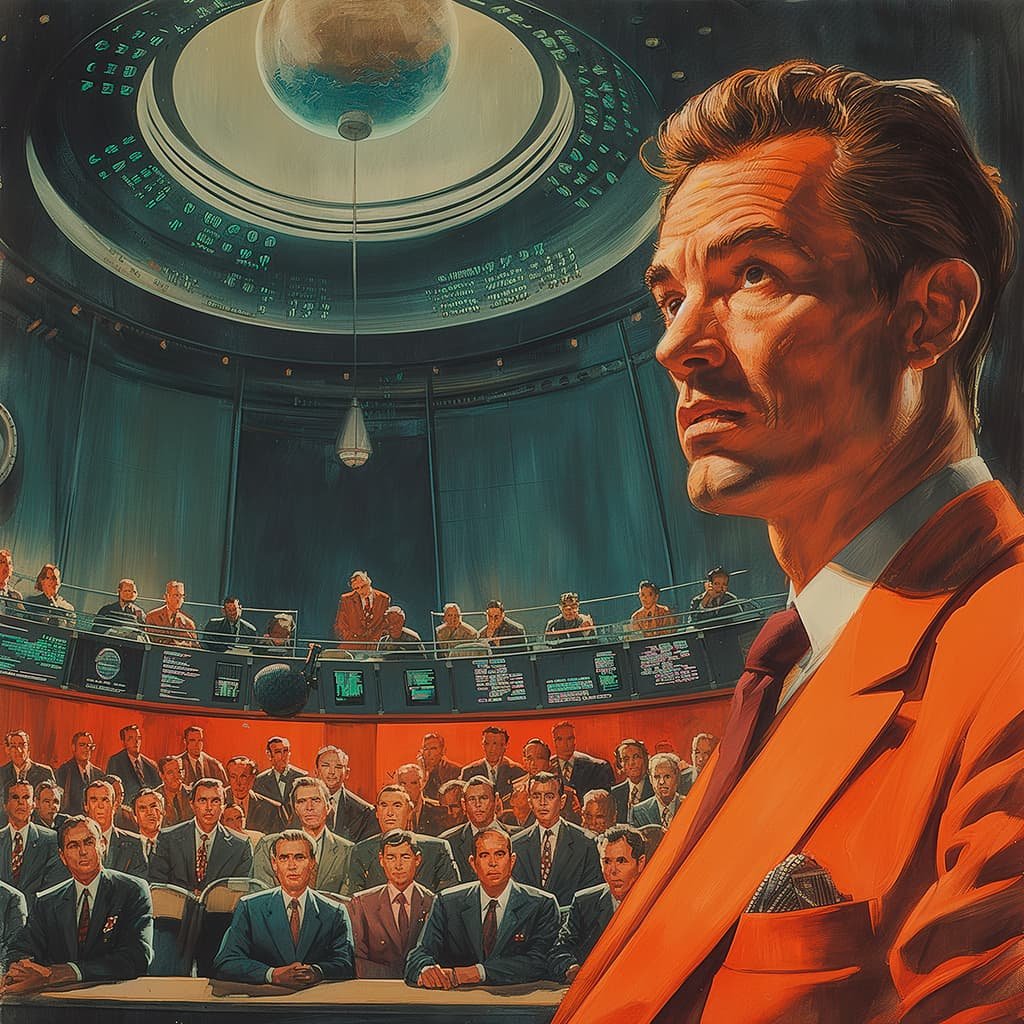
“Superiority” is a short story by Arthur C. Clarke, published in August 1951 in The Magazine of Fantasy and Science Fiction. As a court statement, the story tells how a technologically superior civilization suffers a crushing defeat in an intergalactic war. The commander-in-chief’s account explains how a theoretical scientist’s obsession with developing increasingly advanced weapons led them to succumb to a more backward civilization. With an ironic tone, Clarke constructs a story about the risks of unthinkingly relying on innovation and shows how excessive confidence in progress can lead to collapse.

Arthur C. Clarke: The Nine Billion Names of God. Summary and analysis

Arthur C. Clarke: The Nine Billion Names of God. Summary and analysis

The Nine Billion Names of God, written by Arthur C. Clarke and published in 1953, is a science fiction story that explores the intersection between faith and technology. In the story, a group of Tibetan monks hires a company to install an advanced computer in their monastery. They aim to speed up an ancient project: the transcription of all the possible combinations of the names of God, a task that, if done manually, would take thousands of years. Two engineers are sent to supervise the operation of the machine, and although they consider the monks’ beliefs absurd, they do their job. As the computer nears completion of its task, the story is immersed in an atmosphere of mystery and growing tension.

Arthur C. Clarke: The Star

Arthur C. Clarke: The Star

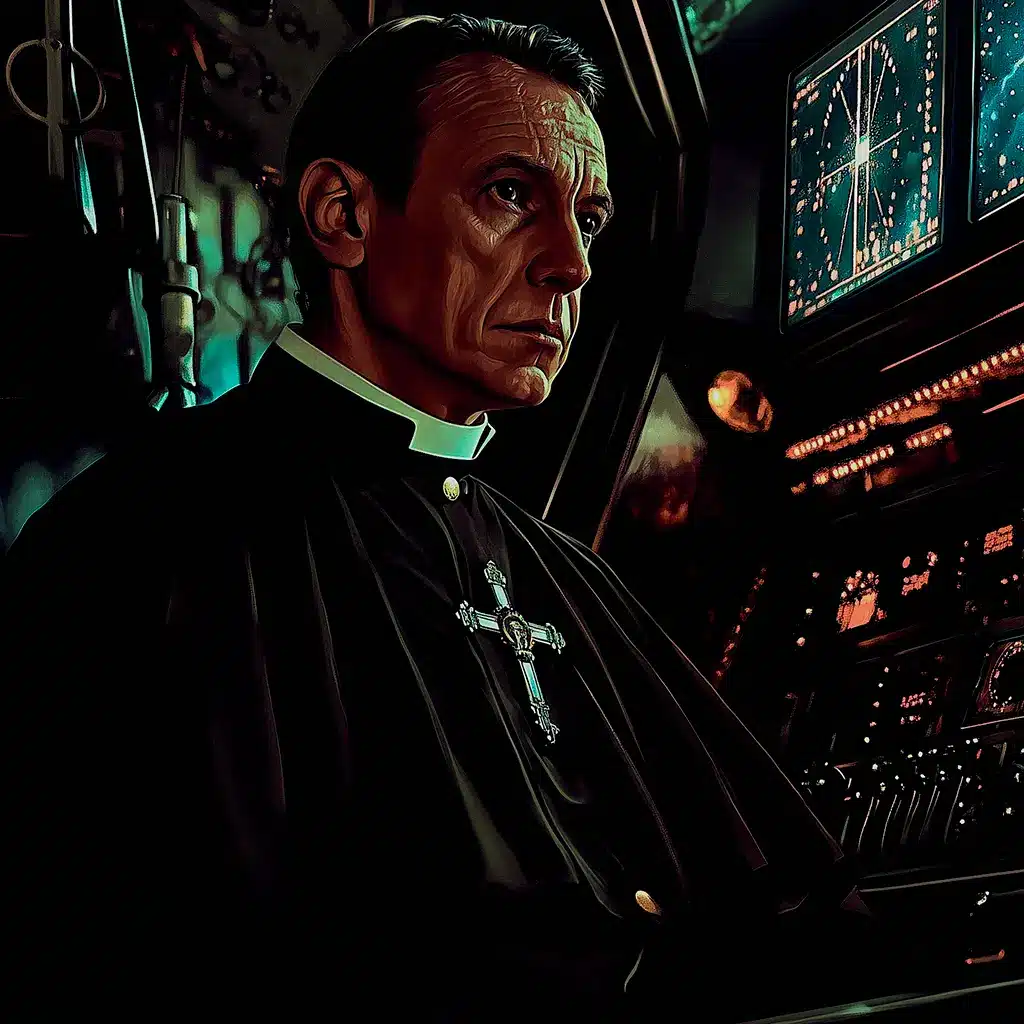
“The Star” is a powerful science fiction short story written by Arthur C. Clarke, published in November 1955 in Infinity Science Fiction. The story follows a Jesuit priest and astrophysicist who, on a space mission, discovers the remains of a civilization wiped out by a cosmic catastrophe. This discovery profoundly challenges his faith, leading him to question the beliefs he had always taken for granted. Through this narrative, Clarke explores the tension between science and religion, raising questions about the role of God in the cosmos and human existence. A short but deeply thoughtful story.

Arthur C. Clarke: The Nine Billion Names of God

Arthur C. Clarke: The Nine Billion Names of God

“The Nine Billion Names of God” is a short story by Arthur C. Clarke, published in February 1953 in the collection Star Science Fiction Stories. A Tibetan monastery acquires an advanced computer to complete its century-long project: listing all possible names of God in a special alphabet. The monks believe that by completing this list, they will fulfill humanity’s divine purpose. Two Western engineers are hired to install and operate the machine, and as they approach the end of the project, they are torn between logic and faith, grappling with the potential impact of completing this momentous task.