H. G. Wells: The Crystal Egg

H. G. Wells: The Crystal Egg

“The Crystal Egg” is a science fiction story by H. G. Wells published in The New Review in May 1897. It tells the story of Mr. Cave, an antique dealer who owns a small, dilapidated store in London. Among the strange objects he sells is a mysterious crystal sphere, which attracts the interest of two curious customers. However, Cave seems reluctant to sell it, which generates tensions with his family and arouses suspicion. As the story progresses, we discover that Cave has made an astonishing discovery related to this sphere and is keeping it a secret. Fascinated by what he sees through the crystal, Cave immerses himself in a series of reality-defying observations, leading him further away from his everyday life.

Saki: The Open Window

Saki: The Open Window

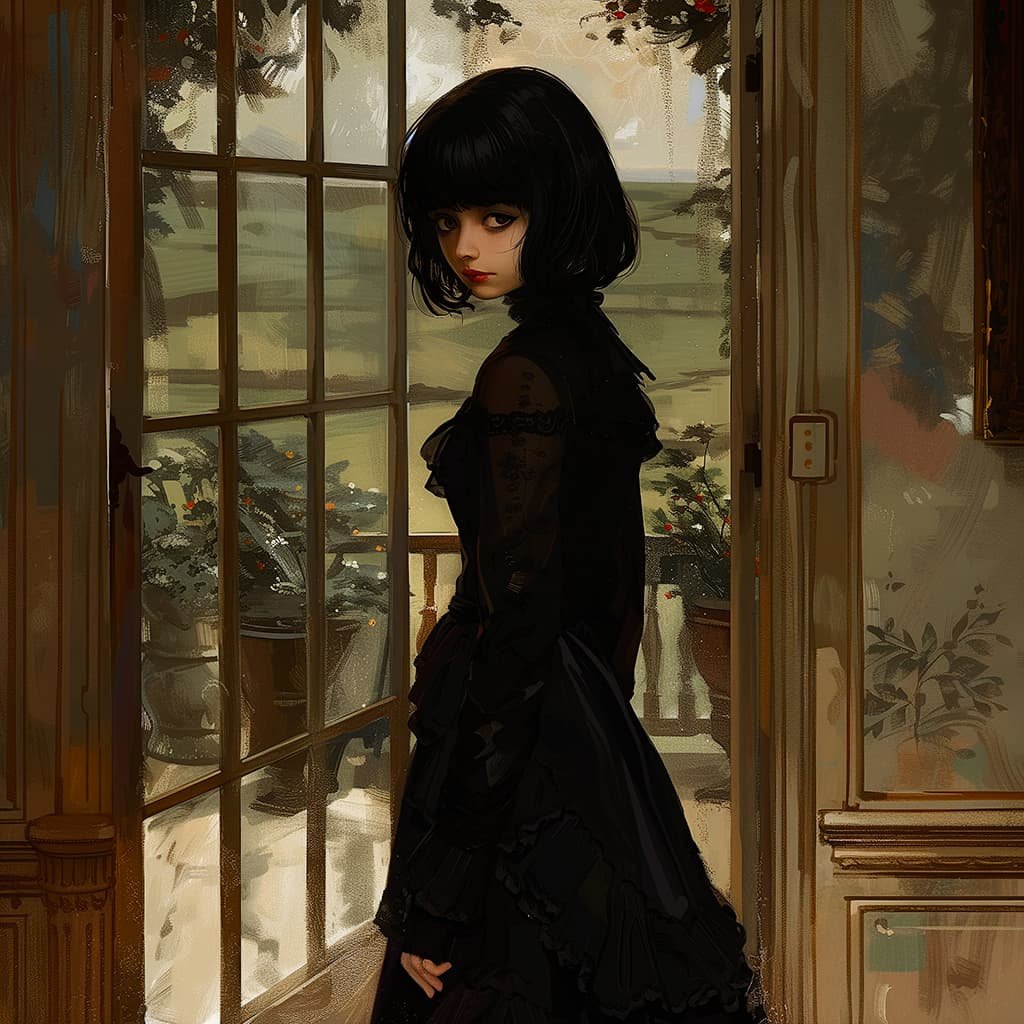
“The Open Window” is a short story by Hector Hugh Munro (Saki), published in November 1911 in The Westminster Gazette. It tells of Framton Nuttel’s visit to the Sappleton family home. Nuttel, a man who has gone to the country due to a nervous illness, is received by Mrs. Sappleton’s young niece, who, while they wait, tells him a disturbing family story. Although Nuttel is skeptical about the young woman’s story, an unexpected event will plunge him into a terrifying moment.

Arthur C. Clarke: The Nine Billion Names of God

Arthur C. Clarke: The Nine Billion Names of God

“The Nine Billion Names of God” is a short story by Arthur C. Clarke, published in February 1953 in the collection Star Science Fiction Stories. A Tibetan monastery acquires an advanced computer to complete its century-long project: listing all possible names of God in a special alphabet. The monks believe that by completing this list, they will fulfill humanity’s divine purpose. Two Western engineers are hired to install and operate the machine, and as they approach the end of the project, they are torn between logic and faith, grappling with the potential impact of completing this momentous task.

Roald Dahl: The Landlady

Roald Dahl: The Landlady

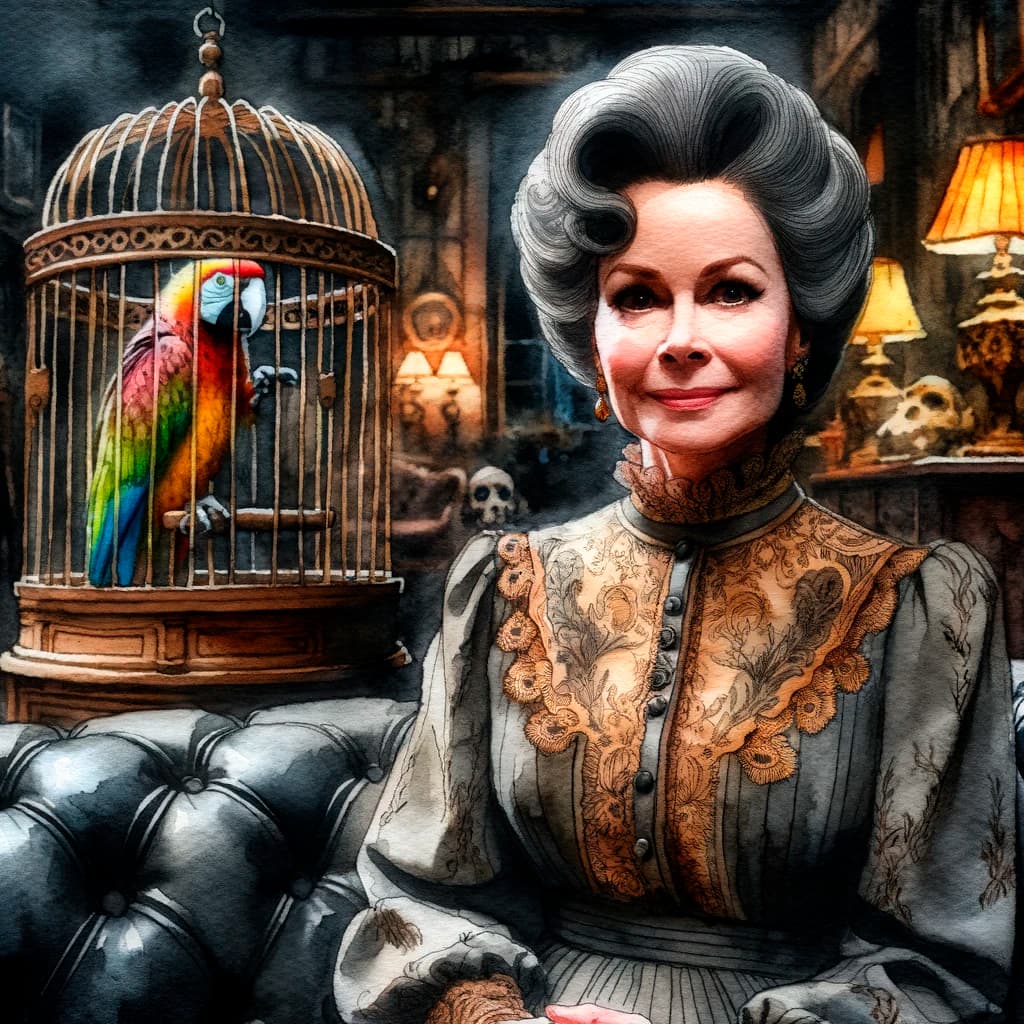
In “The Landlady,” a short story by Roald Dahl published in The New Yorker in 1959, a young man named Billy Weaver arrives in Bath on business and looks for affordable accommodation for the night. Instead of going to “The Bell and Dragon” hotel as planned, he’s drawn to a “Bed and Breakfast” sign on … Read more

Robert Louis Stevenson: The Body Snatcher

Robert Louis Stevenson: The Body Snatcher

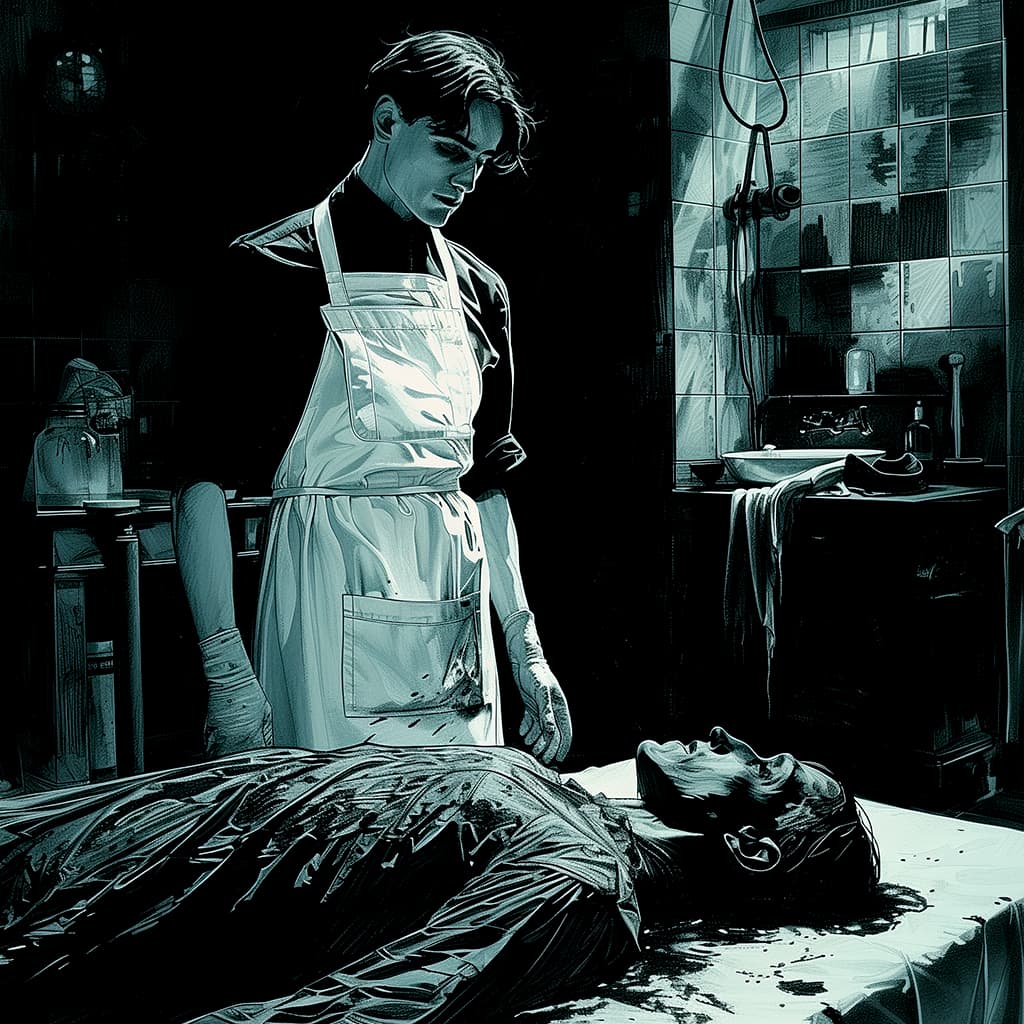
Robert Louis Stevenson’s “The Body Snatcher” tells the story of Fettes, an alcoholic man who spends his nights drinking with his friends. One night, a chance encounter leads Fettes to meet Wolfe Macfarlane, a renowned doctor who has come to treat an important man. The meeting between the two is tense and raises many questions. Fettes’ friends decide to investigate his mysterious past and discover that Fettes was a medical student in Edinburgh. Along with Macfarlane, they were assisting a surgeon known as K., famous for having a constant supply of corpses to teach his students, obtained from unorthodox sources.

Charles Dickens: The Convict’s Return

Charles Dickens: The Convict’s Return

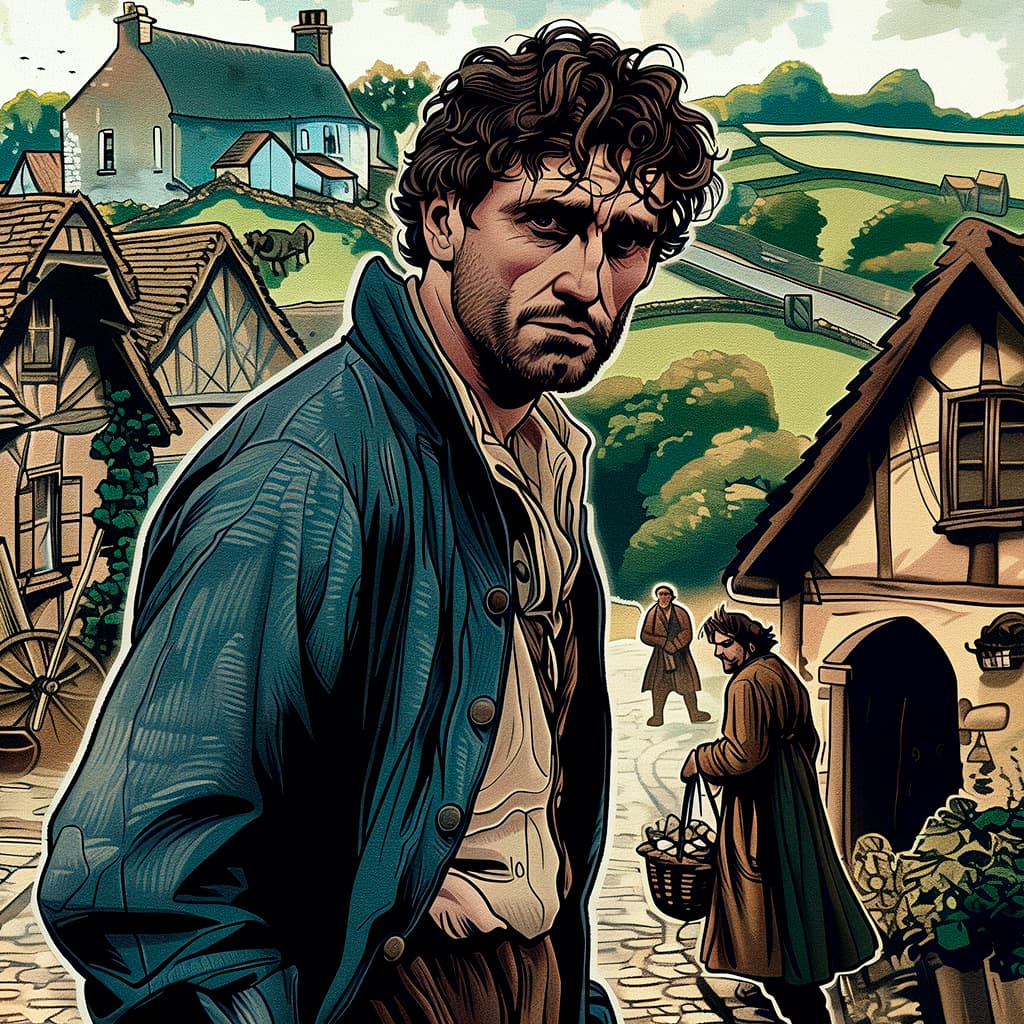
“The Convict’s Return” is a short story by Charles Dickens published in 1837 in The Posthumous Papers of the Pickwick Club. It tells the harsh story of a family in England. The father, Edmunds, is a man despised by the community because of his violent nature and dissolute life. His wife, despite constant abuse, remains devoted to her son, whom she cares for with love and dedication. The boy, growing up in an abusive environment, becomes a rebellious young man, a true reflection of his father. As the years pass, the boy strays from the straight and narrow and falls into disgrace, while his mother, steadfast in her love, tries to support him with faith and sacrifice.