Arthur Conan Doyle: The New Catacomb

Arthur Conan Doyle: The New Catacomb

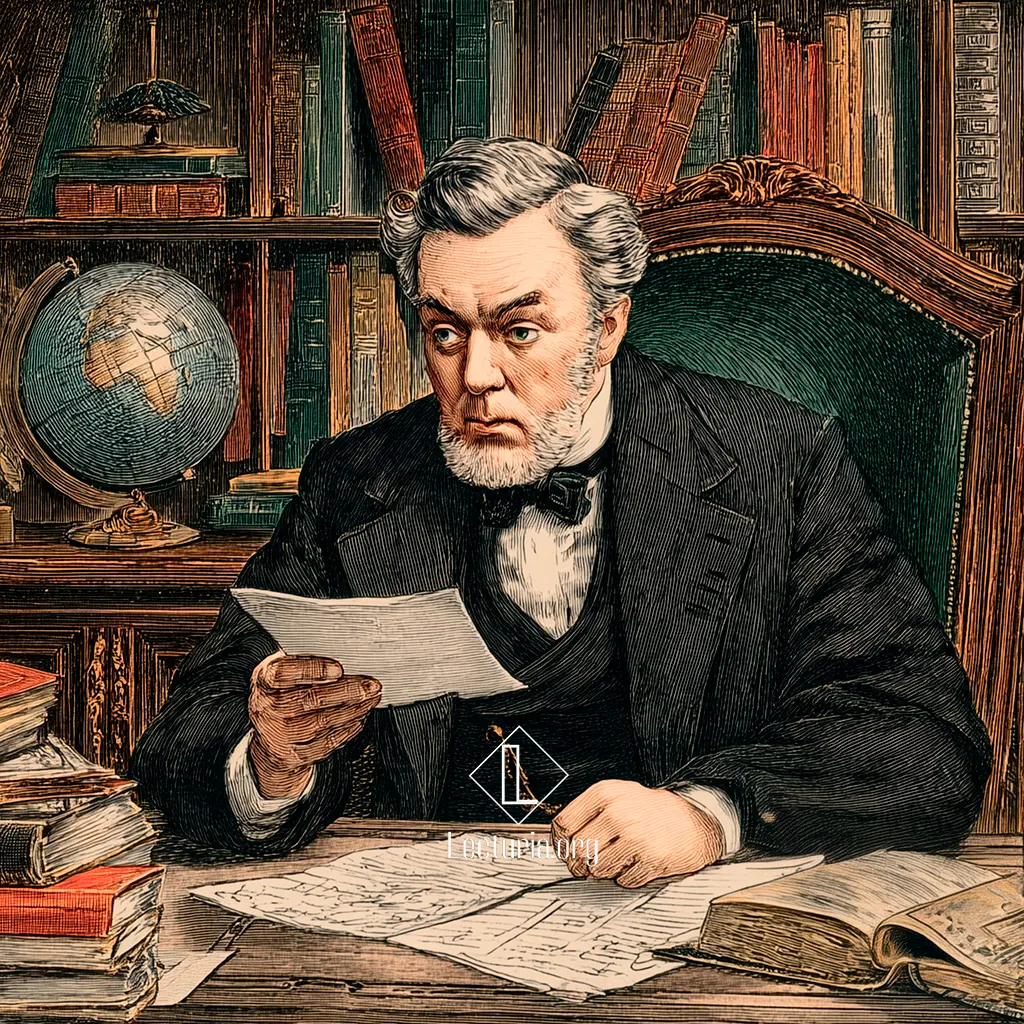
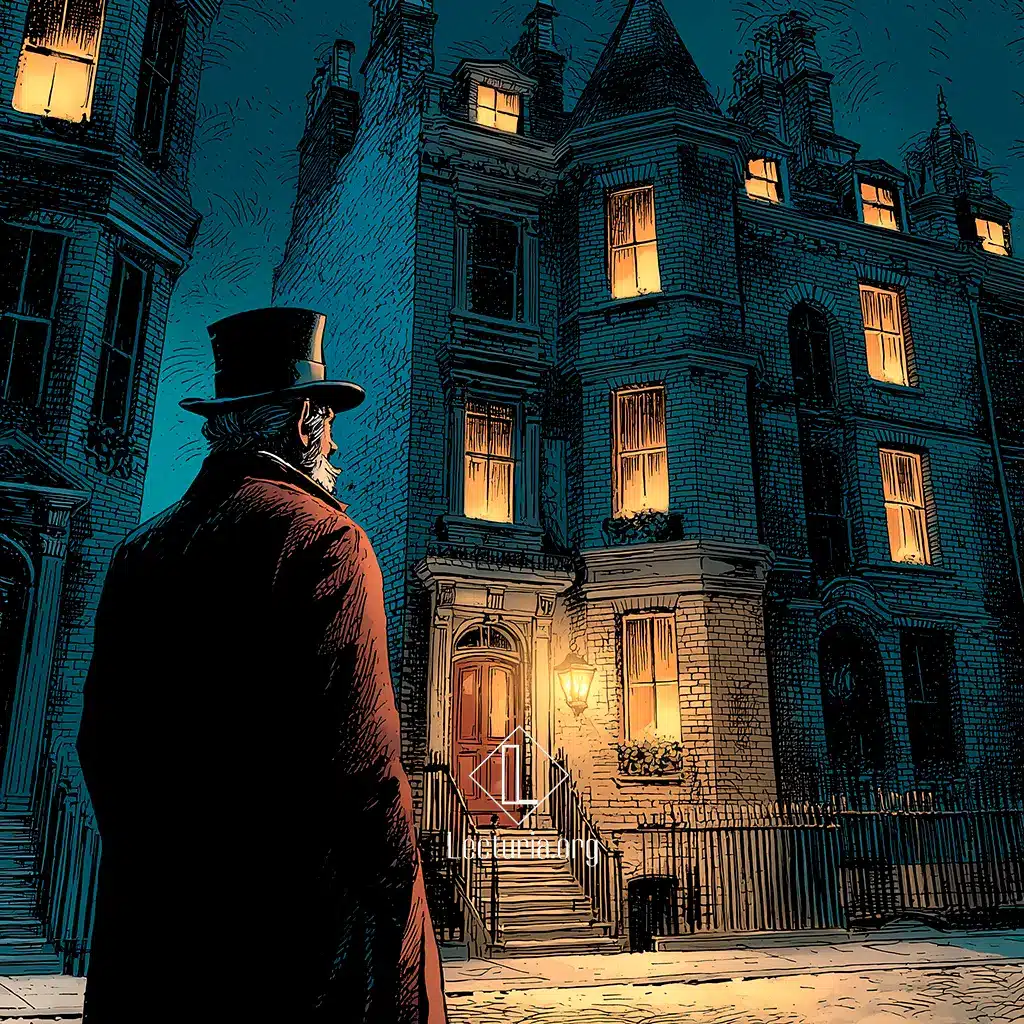
“The New Catacomb” is a short story by Arthur Conan Doyle, published in 1898 in The Sunlight Year-Book. In late nineteenth-century Rome, Burger and Kennedy are two young, eminent archaeologists bound by a relationship of intellectual rivalry and mutual admiration. During a conversation at Kennedy’s house, Burger confides to him an extraordinary discovery: he has found a Christian catacomb from the Roman period, intact and previously unknown. Fascinated, Kennedy presses to see the site and gain access to its secrets. After showing some reluctance, Burger agrees to guide him on a nocturnal exploration, but first imposes a peculiar condition.

Mary Shelley: The Evil Eye

Mary Shelley: The Evil Eye

“The Evil Eye” is a short story by Mary Shelley, first published in 1829 in The Keepsake and later collected in Tales and Stories (1891). Set in the Balkans under Ottoman rule, it tells the story of Dmitri, a feared Albanian bandit believed to possess the supernatural power to cause harm with his gaze. His tragic past and formidable reputation inspire fear and superstition among the region’s inhabitants. When a former companion arrives seeking his help to recover a family inheritance, Dmitri agrees to take part in a scheme that will lead him through a labyrinth of adventures, where violence, honor, and a thirst for revenge threaten to awaken ghosts long thought buried.

Charles Dickens: The Poor Relation’s Story

Charles Dickens: The Poor Relation’s Story

“The Poor Relation’s Story” is a short story by Charles Dickens, published on December 25, 1852, in the magazine Household Words. During a family gathering, Michael—a humble, discreet man—is compelled to begin the round of Christmas tales. In a reflective tone, he opens his narration by setting out the image his family has of him: a failed relative, solitary and penniless, condemned to a drab and routine existence, whose chief enemy is himself. Yet he maintains that behind this appearance, accepted by all, there lies a story very different from the one others believe they know.

Arthur Conan Doyle: The Adventure of the Blue Carbuncle

Arthur Conan Doyle: The Adventure of the Blue Carbuncle

“The Adventure of the Blue Carbuncle” is a short story by Arthur Conan Doyle, published in January 1892 in The Strand Magazine. Two days after Christmas, Dr. Watson finds Sherlock Holmes examining an old hat and a lost goose recovered after a street altercation. What initially seems a trivial incident takes an unexpected turn when a valuable jewel, stolen days earlier, is discovered inside the bird. From this surprising find, Holmes embarks on a meticulous investigation to trace the goose’s journey and determine how an object of such value came to be hidden in so improbable a place.

Nathaniel Hawthorne: Roger Malvin’s Burial

Nathaniel Hawthorne: Roger Malvin's Burial

“Roger Malvin’s Burial” is a short story by Nathaniel Hawthorne, first published in 1832 in The Token. Reuben Bourne and Roger Malvin are two men who, after escaping from a bloody battle between settlers and Native Americans, are left seriously wounded. Lost in the vastness of the forest and with no help in sight, Malvin—aware that his condition is terminal—begs Reuben to abandon him in order to save himself. Though he resists, Reuben realizes that setting out in search of aid is the only hope of saving Malvin.

Roald Dahl: Taste

Roald Dahl: Taste

“Gastrónomos” (Taste) is a clever and surprising short story by Roald Dahl, first published in The New Yorker in 1951. The tale unfolds during an elegant dinner at the home of Mike Schofield, a wealthy stockbroker who has invited Richard Pratt, a celebrated gourmet and the chairman of an exclusive gastronomic society. As is customary at their gatherings, Schofield challenges Pratt to identify a rare wine, convinced that his guest will fail to name the vineyard of origin. However, what begins as a trivial wager soon turns into a dangerous game when Pratt suggests they stake something far more valuable than money: the hand of Schofield’s daughter, Louise.