Murray Leinster: Sidewise in Time

Murray Leinster - Al margen del tiempo

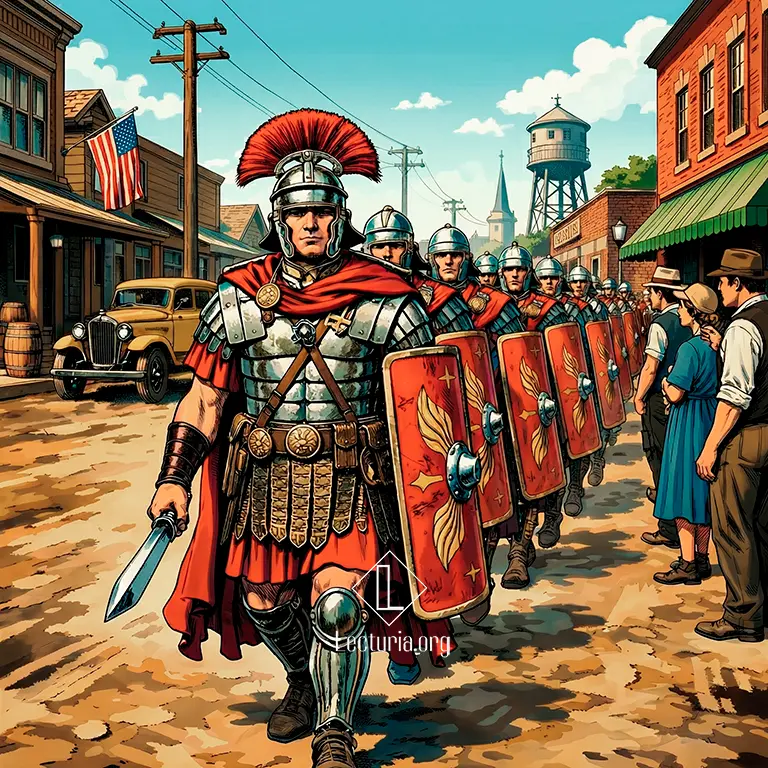
“Sidewise in Time” is a short story by American writer Murray Leinster, published in June 1934 in the magazine Astounding Stories. A series of inexplicable phenomena rocks the Earth until, one day, reality begins to fracture: ancient forests spring up out of nowhere, dinosaurs emerge from a farmyard, Roman legions march through the streets of Missouri, and Viking ships raid the coasts of New England. While the world reacts in astonishment, a single man seems to understand what is happening: Professor Minott, a mathematician at a small university in Virginia, who has been secretly preparing for months for a cataclysm that threatens not only humanity, but also space and time as we conceive them.

Ben Bova: A Small Kindness

Ben Bova: A Small Kindness

“A Small Kindness” is a short story by American writer Ben Bova, published in April 1983 in Analog Science Fiction/Science Fact magazine. Jeremy Keating is a U.S. diplomatic agent sent to Athens on a mission to assassinate Kabete Rungawa, a venerable African leader known as “The Black Saint of the Third World,” a key figure in the newly created World Government. Determined to carry out his mission, on a rainy night he follows his target through the city streets to the ruins of the ancient Acropolis. However, what appears to be a routine political assassination soon turns into an encounter that will shake Keating’s certainties about the world, his enemies, and his own reasons for killing.

Philip K. Dick: Colony

Philip K. Dick: Colony

“Colony” is an unsettling science fiction short story by Philip K. Dick, published in Galaxy Science Fiction in 1953. A group of explorers arrives on a planet that appears perfectly suited for colonization, with conditions ideal for human life. However, what initially seems like a paradise soon turns into a deadly trap when they discover an unsuspected threat that endangers not only their lives, but the survival of all humanity. To prevent the danger from spreading beyond the planet, they must make extreme decisions and fight for their lives against an invisible and terrifying enemy.

Arthur C. Clarke: Transit of Earth

Arthur C. Clarke: Transit of Earth

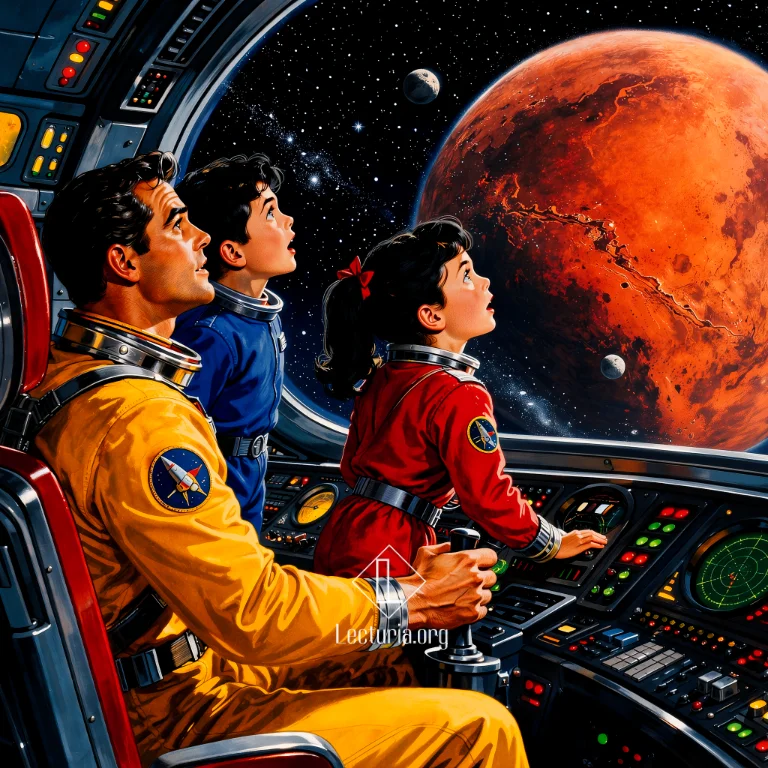
“Transit of Earth” is a science fiction short story by Arthur C. Clarke, published in January 1971 in Playboy magazine. Evans is an astronaut stranded on Mars who knows he has less than twenty-four hours of oxygen left. As he waits to record an astronomical phenomenon that occurs only once every hundred years—the passage of Earth across the face of the Sun as seen from Mars—he reflects on his life, his fears, and the memories that haunt him. With the calm of someone who has already accepted his fate, Evans prepares to carry out the mission for which his companions sacrificed their own lives.

Isaac Asimov: Someday

Isaac Asimov: Someday

“Someday” is a short story by Isaac Asimov published in August 1956 in the magazine Infinity Science Fiction. Set in a future in which machines have replaced much of everyday work, the story follows Niccolo and Paul, two friends who discover an old Narrator, a device that automatically creates and tells stories. The two friends complain that the machine only tells stories set in a world with horses, cows, and other things they do not recognize. While Paul tries to improve the device, he tells Niccolo that there was once a time—before computers—when people had to do something called “reading” in order to learn new stories.

Brian Aldiss: Super-Toys Last All Summer Long

Brian Aldiss: Super-Toys Last All Summer Long

“Super-Toys Last All Summer Long” is a short story by the British writer Brian Aldiss, published in December 1969 in Harper’s Bazaar. In an overpopulated and highly technologized world, Monica Swinton lives in a luxurious home that keeps her family insulated from the miseries of the outside world. Despite the comforts she enjoys, Monica is a lonely and dissatisfied woman. While her husband runs a large corporation, she spends her days at home with the only company she has: her son David and Teddy, a mechanized teddy bear. Although David tries to grow closer to his mother, Monica’s loneliness seems to require something more than the child to be filled.