Alfred Bester: The Men Who Murdered Mohammed

Alfred Bester: The Men Who Murdered Mohammed

“The Men Who Murdered Mohammed” is a science fiction short story written by Alfred Bester, published in 1958 in The Magazine of Fantasy and Science Fiction. The story follows Professor Henry Hassel, who, after discovering his wife’s infidelity, builds a time machine with the intention of erasing her existence by altering historical events. However, as he murders key figures from the past, Hassel discovers that time is a much more complex matter than he had expected. With a mixture of dark humor and temporal paradoxes, Bester questions the nature of time and the consequences of manipulating it.

Ursula K. Le Guin: Mazes

Ursula K. Le Guin: Mazes

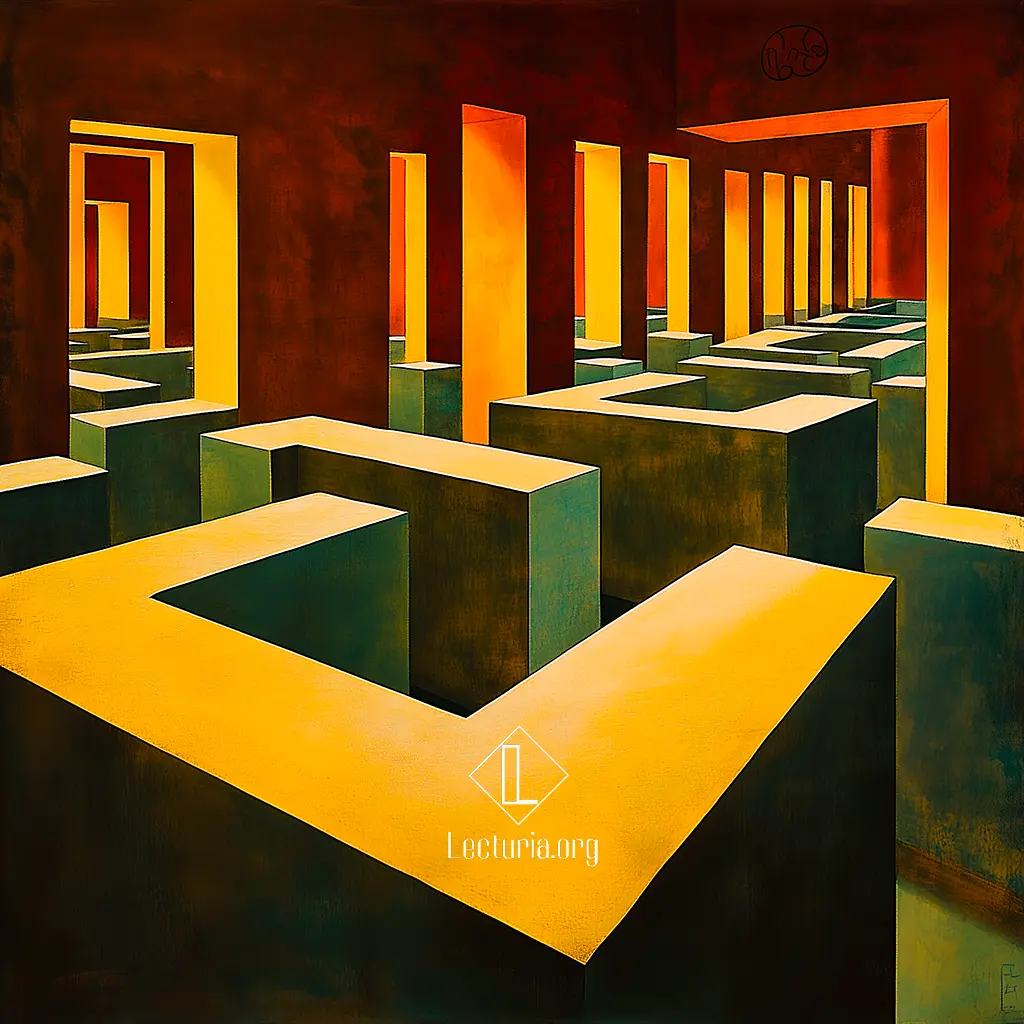
“Mazes” is a short story by Ursula K. Le Guin, published in 1975 in Epoch. It presents the testimony of a creature imprisoned by an unknown intelligence that subjects it to meticulous and cruel experiments. Forced to navigate mazes as part of an incomprehensible system of observation, the narrator attempts to preserve her lucidity and find meaning in her captor’s behavior. Amid hunger, weakness, and confusion, she searches for a way to communicate with that alien mind, while her confinement becomes a struggle to preserve her dignity and hope.

Ray Bradbury: Kaleidoscope

Ray Bradbury: Kaleidoscope

“Kaleidoscope” is a science fiction story written by Ray Bradbury, published in 1949 in Thrilling Wonder Stories magazine and later included in the collection The Illustrated Man (1951). The story follows a group of astronauts who, after their ship explodes, are left floating uncontrollably in space, doomed to imminent death. As they drift apart and their lives fall apart, their radio conversations become a reflection of their fears, regrets, and reflections on life and death.

J. G. Ballard: The Subliminal Man

J. G. Ballard - The Subliminal Man

The Subliminal Man is a short story by J. G. Ballard, first published in January 1963 in New Worlds Science Fiction and later included in The Terminal Beach (1964). Dr. Franklin lives in a society obsessed with consumerism, where standardization and the constant replacement of goods define everyday life. Hathaway, an old acquaintance known for his eccentric and conspiratorial ideas, tries to warn him about mysterious giant structures that, according to him, control people’s minds through subliminal messages. Initially skeptical, Franklin begins to suspect that Hathaway’s theories might not be so far-fetched after all.

Philip K. Dick: The Golden Man

Philip K. Dick: The Golden Man

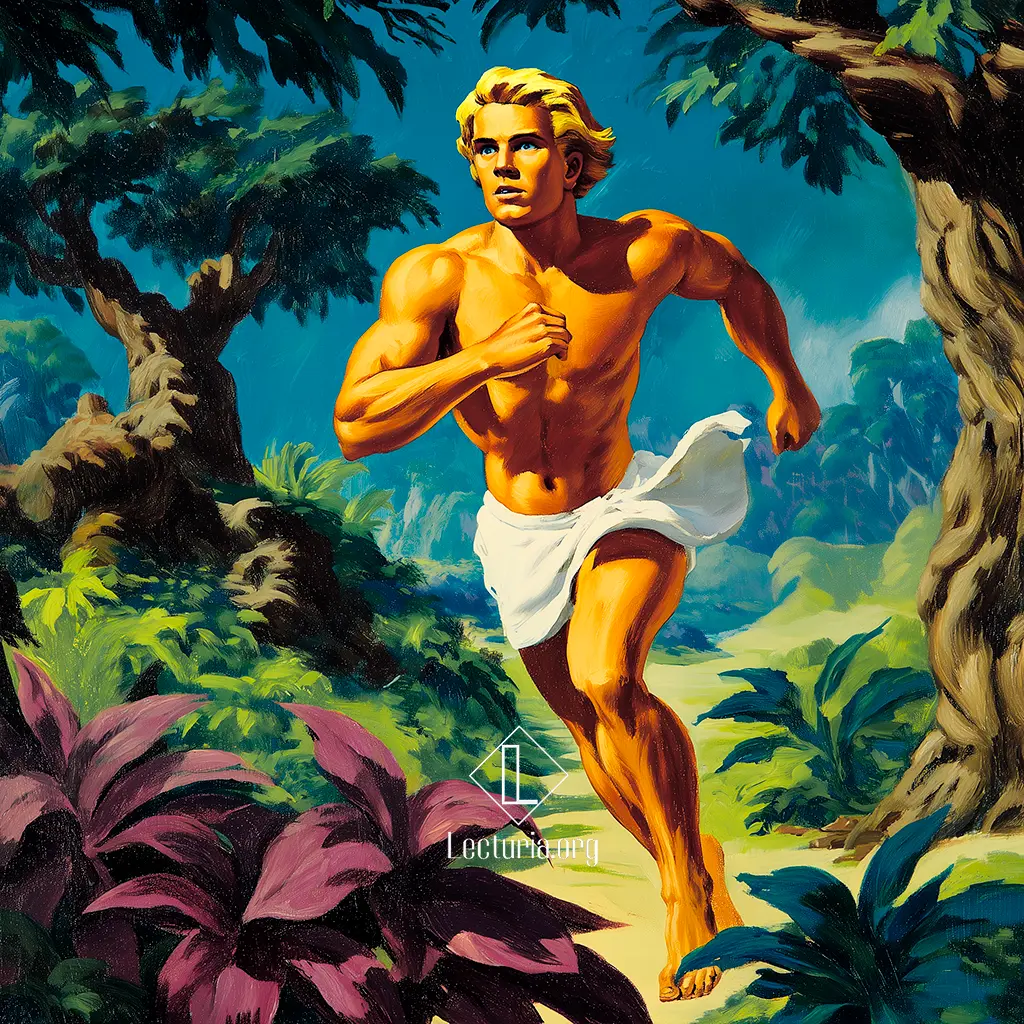
“The Golden Man” is a short story by Philip K. Dick, published in April 1954 in If magazine. In a post-war world, humans face a disturbing threat: mutants with genetic abilities that give them strange and dangerous powers. George Baines, a government agent, is tasked with tracking down and eliminating these beings. His mission takes him to a remote farm where Cris, a young man of extraordinary beauty with golden skin and hair, lives. His silent presence hides an incomprehensible power that will test Baines’ effectiveness and the system’s ability to control mutants.

Fredric Brown: Something Green

Fredric Brown: Something Green

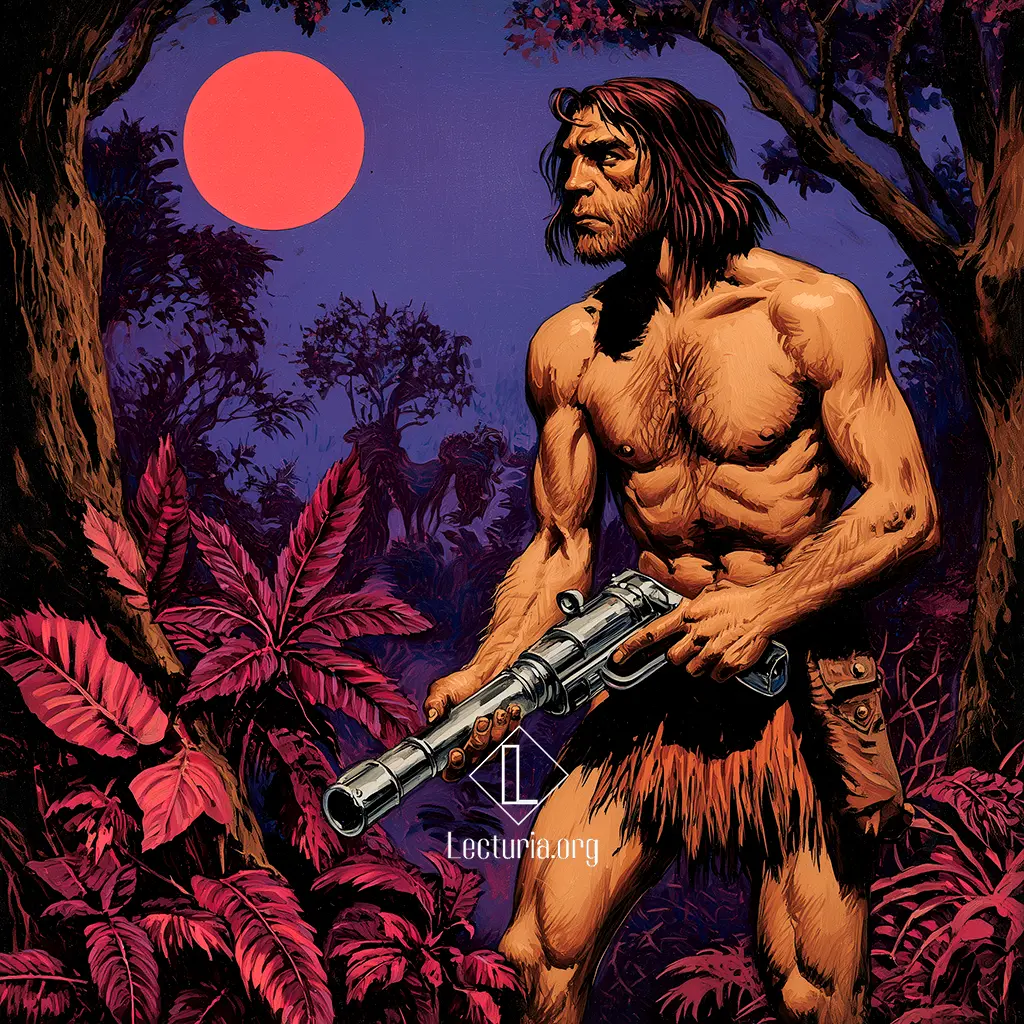
Something Green is a short story by Fredric Brown, published in 1951 as part of the collection Space on My Hands. It tells the story of McGarry, a space explorer stranded for years on Kruger III, a hostile planet dominated by shades of red and violet. He survives by traversing dangerous jungles, armed with a solar-powered pistol and accompanied by Dorothy, a small creature that rests on his shoulder and keeps him company. Isolated and clinging to the memory of Earth and the green that once filled it, McGarry dreams of finding parts to repair his ship and return to the only world he calls home.