Arthur Machen: The Happy Children

Arthur Machen: The Happy Children

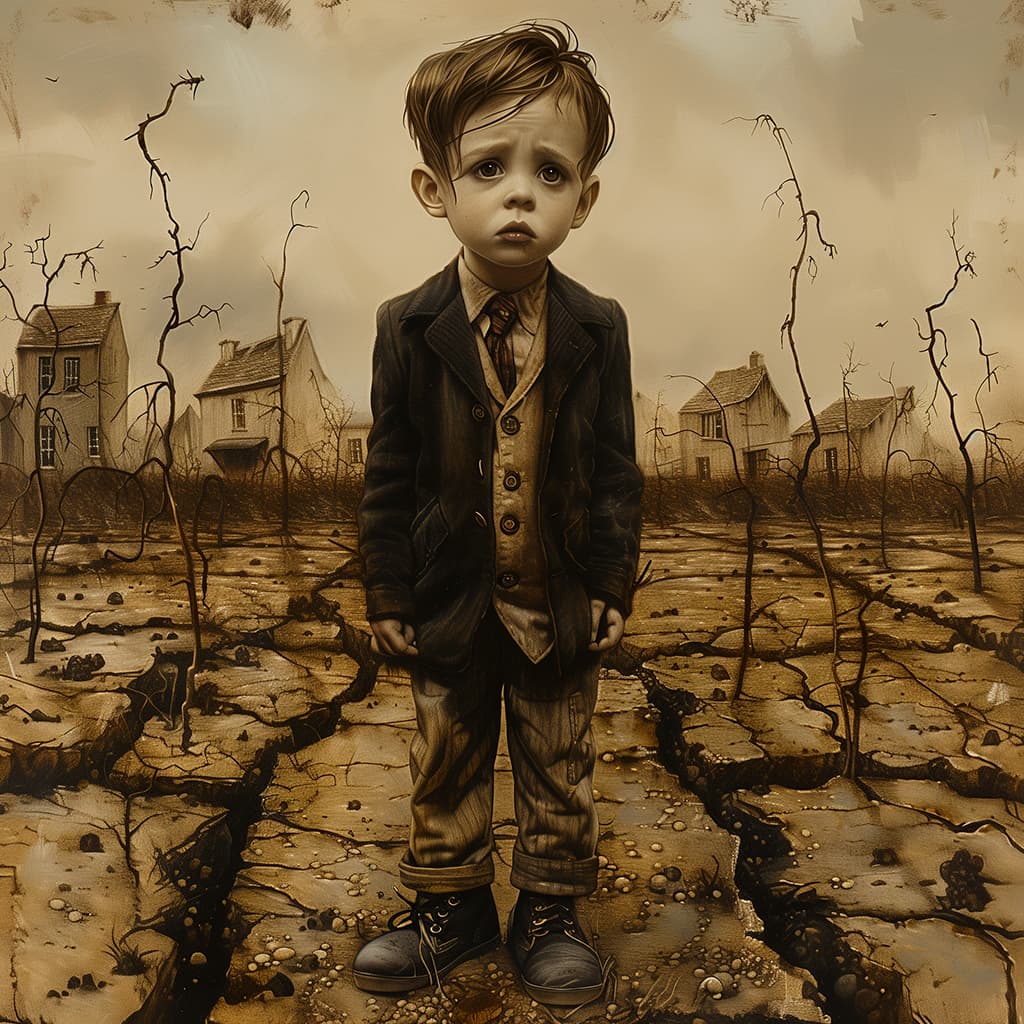
The Happy Children is a haunting story by Arthur Machen, published in 1920. After Christmas 1915, a journalist stops in Banwick, a town steeped in medieval atmosphere. Fascinated by the beauty of the place, he wanders through the narrow, winding streets, where he is surprised to find numerous children laughing, singing, and dancing merrily. His bewilderment increases as he finds that even as night falls and darkness envelops the village, children are still on the streets. While exploring this enigmatic setting, the journalist witnesses a strange procession heading to an ancient church on the hill. This experience will be far more disturbing than he ever imagined.

H. G. Wells: The Crystal Egg

H. G. Wells: The Crystal Egg

“The Crystal Egg” is a science fiction story by H. G. Wells published in The New Review in May 1897. It tells the story of Mr. Cave, an antique dealer who owns a small, dilapidated store in London. Among the strange objects he sells is a mysterious crystal sphere, which attracts the interest of two curious customers. However, Cave seems reluctant to sell it, which generates tensions with his family and arouses suspicion. As the story progresses, we discover that Cave has made an astonishing discovery related to this sphere and is keeping it a secret. Fascinated by what he sees through the crystal, Cave immerses himself in a series of reality-defying observations, leading him further away from his everyday life.

Robert Louis Stevenson: The Body Snatcher

Robert Louis Stevenson: The Body Snatcher

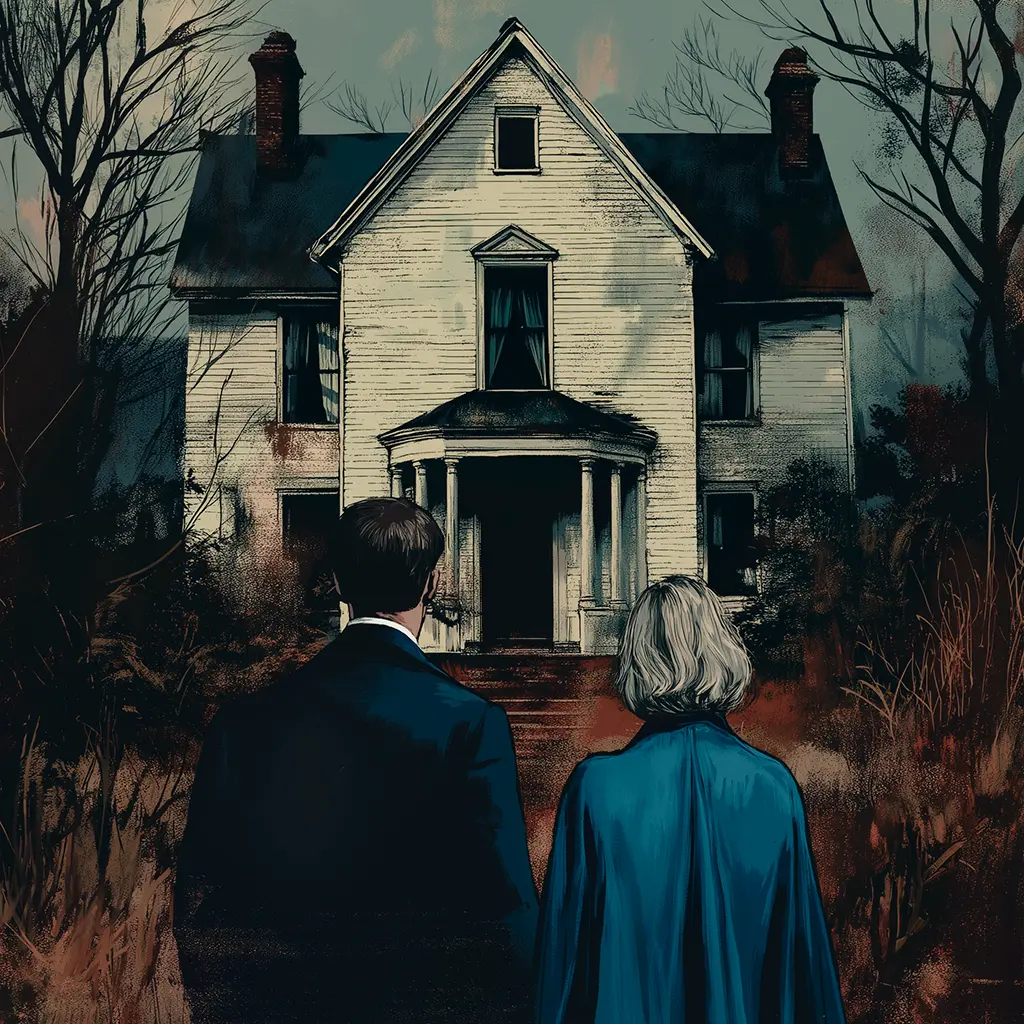
Robert Louis Stevenson’s “The Body Snatcher” tells the story of Fettes, an alcoholic man who spends his nights drinking with his friends. One night, a chance encounter leads Fettes to meet Wolfe Macfarlane, a renowned doctor who has come to treat an important man. The meeting between the two is tense and raises many questions. Fettes’ friends decide to investigate his mysterious past and discover that Fettes was a medical student in Edinburgh. Along with Macfarlane, they were assisting a surgeon known as K., famous for having a constant supply of corpses to teach his students, obtained from unorthodox sources.

Oscar Wilde: The Happy Prince

Oscar Wilde: The Happy Prince

The Happy Prince is a story by Oscar Wilde, published in 1888 in the collection The Happy Prince and Other Tales. The story begins with the imposing statue of the Happy Prince, standing above the city, adorned with gold and precious stones. From his height, he observes the misery of its inhabitants and weeps for them. A little swallow, delayed in its migration, takes refuge under the statue and discovers its sadness. Moved, it decides to help the Prince in his desire to alleviate the suffering of those most in need, initiating a moving story of generosity and sacrifice.

Saki: The Story-Teller

Saki: The Story-Teller

“The Story-Teller” is a short story by Saki (H. H. Munro), published in 1914 in the book Beasts and Super-Beasts. In a hot train carriage, a woman tries to keep her three restless nephews entertained. To do so, she tells them a moralistic story that fails miserably, causing boredom and disinterest in the children. Irritated by the commotion, a man also traveling in the car intervenes and tells them his own story: a witty and provocative tale that immediately captures the attention of his impromptu audience.