Mary Shelley: The Brother and Sister

Mary Shelley: The Brother and Sister

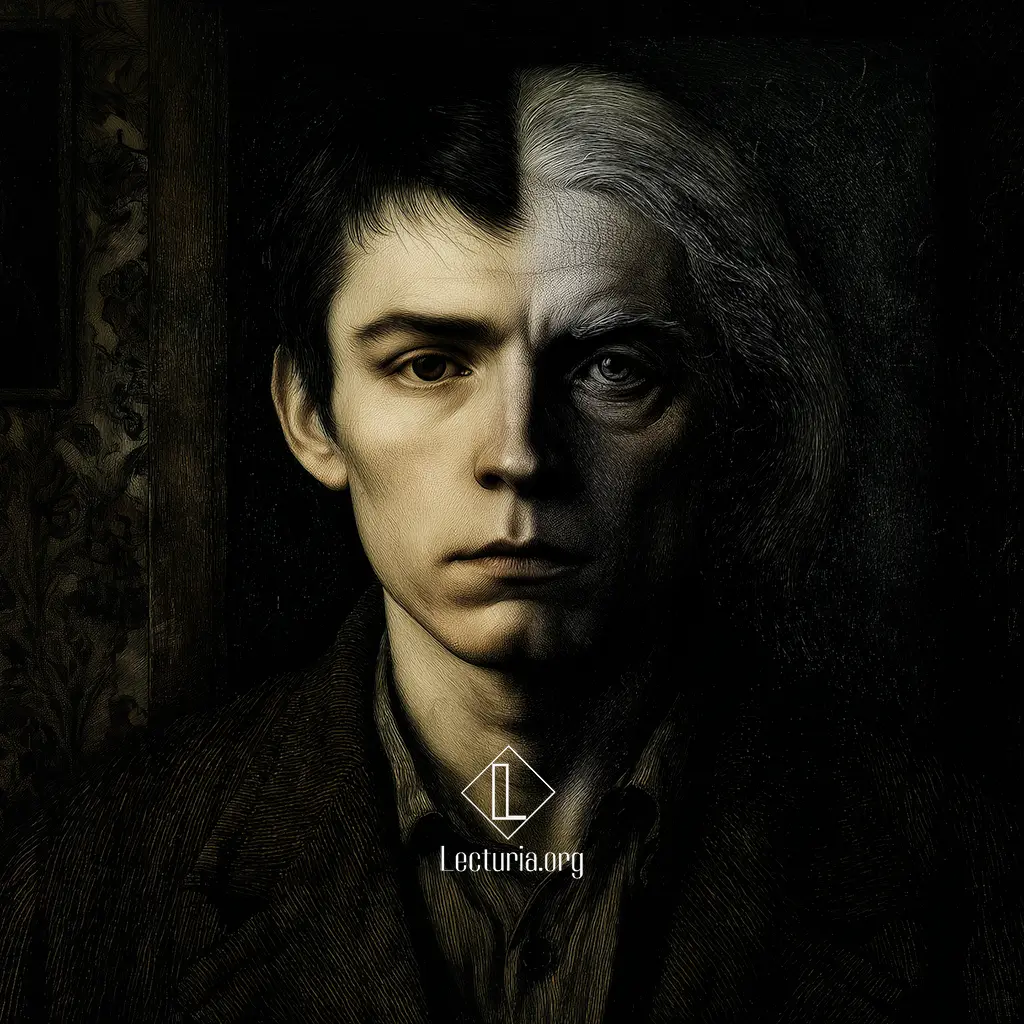
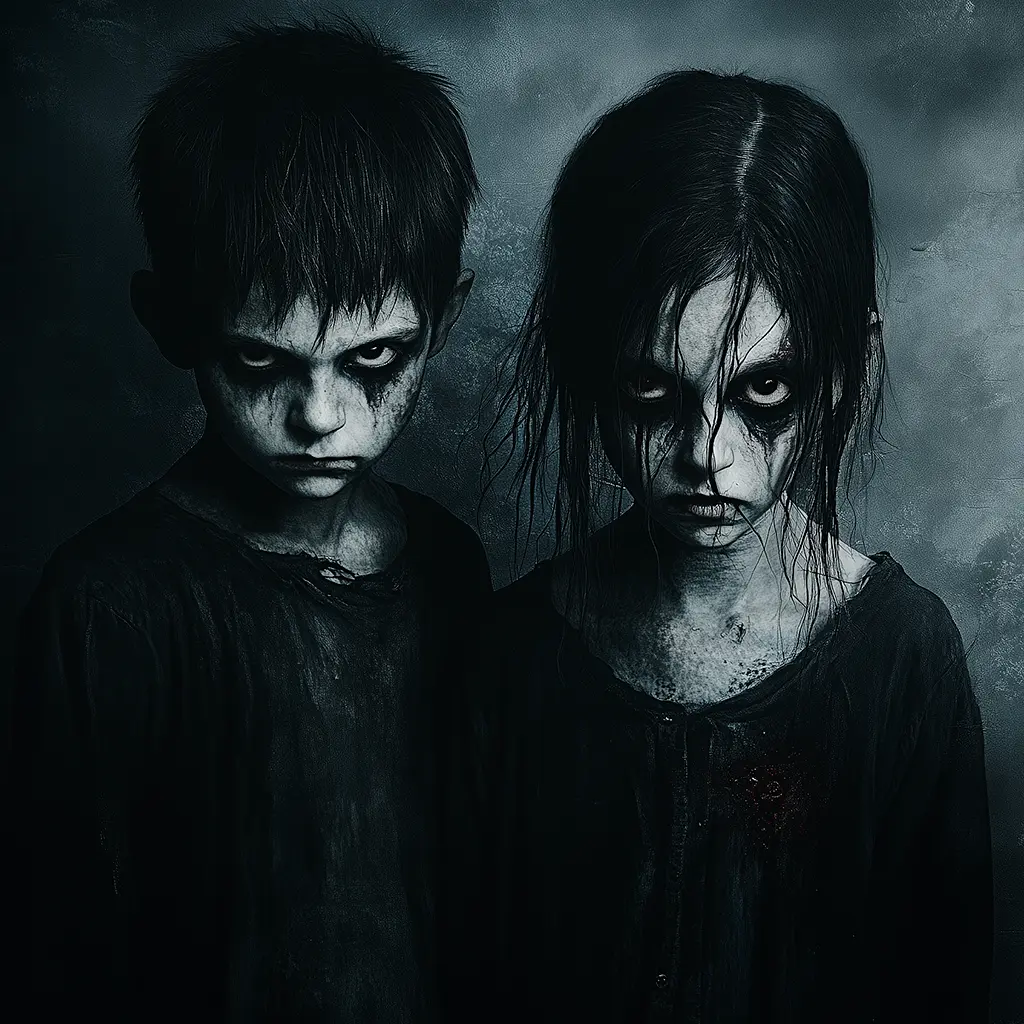
“The Brother and Sister: An Italian Story” is a short story by Mary Shelley, first published in 1832 in The Keepsake and later included in the collection “Tales and Stories” (1891). Set in medieval Siena, it tells the story of Lorenzo and Flora Mancini, two young siblings marked by exile, family ruin, and the enmity between rival clans. Orphaned and impoverished, they decide to return to their native city to restore their fortune and reclaim their lost honor. There, Lorenzo must face the young Count Fabian Tolomei; however, a twist of fate leads to a new misfortune, forcing him to entrust the care of his beloved sister to the hands of their enemies.

H. G. Wells: The Country of the Blind. Summary and analysis

H. G. Wells: The Country of the Blind. Summary and analysis

Nunez, a mountaineer from the regions near Quito, accidentally falls into an isolated valley in the Andes, inhabited by a community that has been blind for generations. Convinced that his vision will give him an advantage, and under the motto “In the land of the blind, the one-eyed man is king,” he tries to impose himself on the rest, but the inhabitants do not understand the notion of “seeing” and consider him sick. When his plan to become a leader fails, he falls in love with a young woman from the valley and wants to marry her, but the elders make the marriage conditional on his undergoing an operation to remove his eyes. Although he initially agrees out of love, when he sees the beauty of the visible world for the last time, he changes his mind and flees to the mountains.

H. G. Wells: The Country of the Blind

H. G. Wells: The Country of the Blind

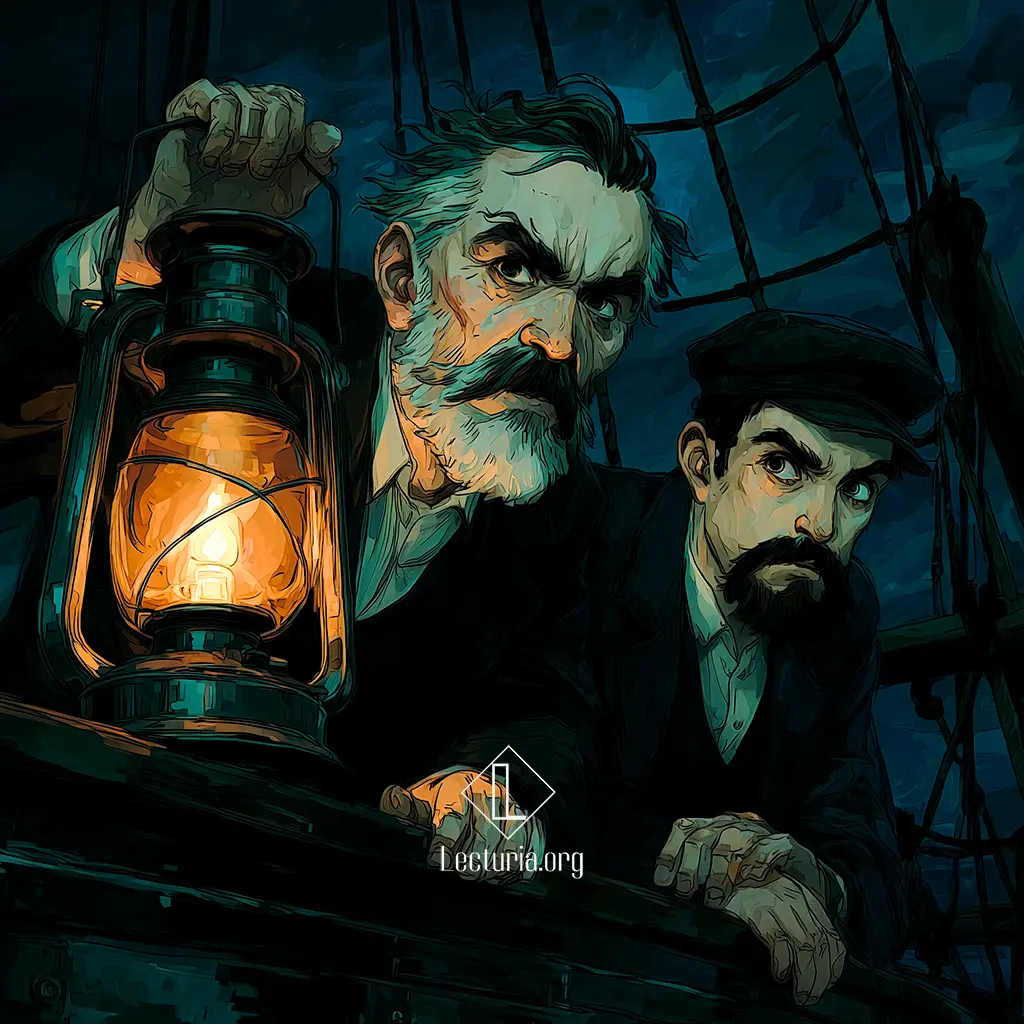
“The Country of the Blind” is a short story by H. G. Wells, published in April 1904 in The Strand Magazine. It tells the story of a mountain guide who, during an expedition in the Andes, suffers an accident that leads him to a remote valley, isolated from the outside world. There, he discovers a population that has lived for centuries without the sense of sight and has developed its life, customs, and beliefs without any reference to the visible world. Convinced that his ability to see will give him an advantage, he tries to impose himself as a leader, unaware that he will face challenges for which he may not be prepared.

Arthur Conan Doyle: Lot No. 249

Arthur Conan Doyle: Lot No. 249

“Lot No. 249” is a short story by Arthur Conan Doyle, published in September 1892 in Harper’s New Monthly Magazine. Set in Oxford, the story follows medical student Abercrombie Smith, whose academic routine is disrupted by disturbing news about his neighbor Edward Bellingham, an eccentric scholar, expert in Oriental languages, and fascinated by the mysteries of ancient Egypt. Gradually, inexplicable events disturb the quiet life at the university, and Smith begins to suspect that his neighbor is hiding more than just academic eccentricities.

Hugh Walpole: The Silver Mask

Hugh Walpole: The Silver Mask

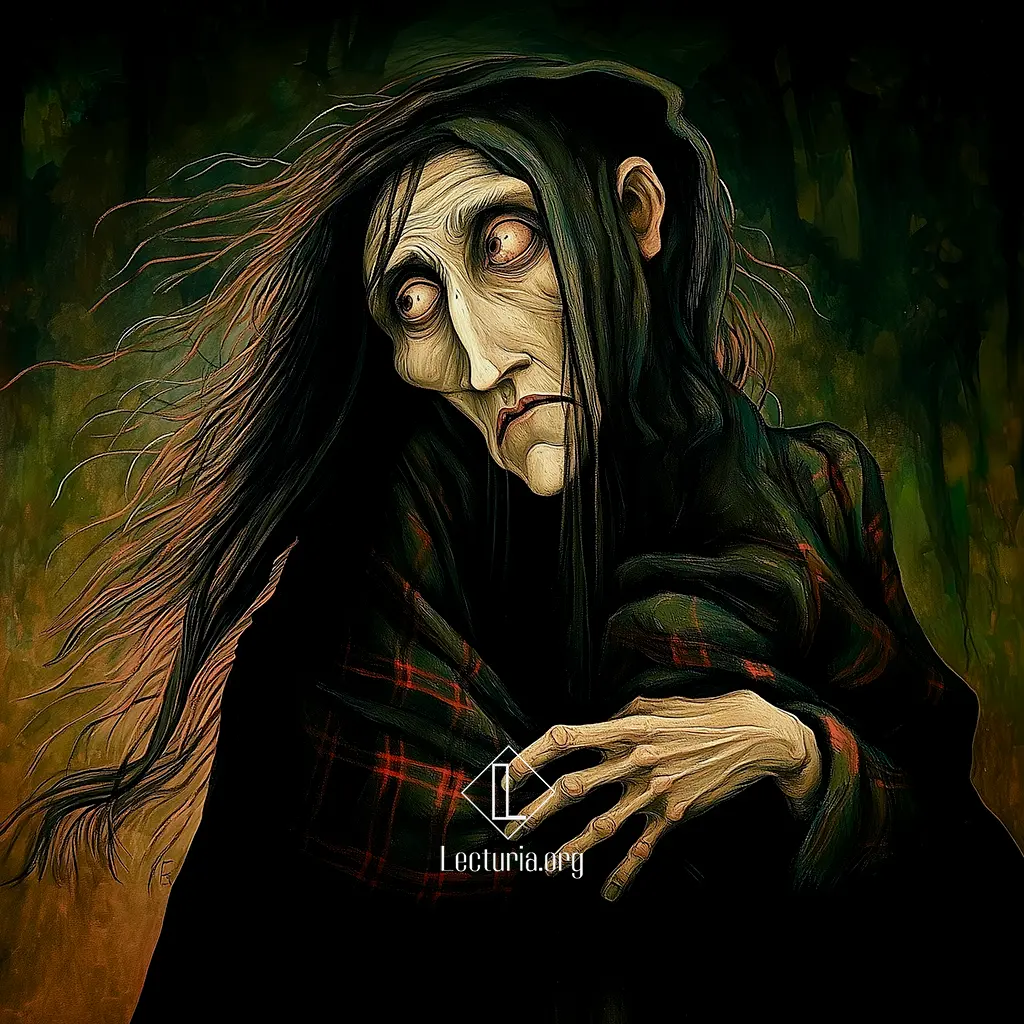
“The Silver Mask” is a short story by British writer Hugh Walpole, first published in March 1932 in Harper’s Bazaar and later included in the collection All Souls’ Night (1933). The story begins on a cold night in London, when Miss Sonia Herries, a lonely fifty-year-old woman, encounters an extraordinarily handsome young beggar who begs her for help for his starving family. Moved by a compassionate impulse, Sonia invites him to her home, unaware that this gesture will draw her into a strange and disturbing situation, where emotional vulnerability becomes her greatest weakness.