Theodore Sturgeon: Fluffy

Theodore Sturgeon - Fluffy

“Fluffy” is a short story by Theodore Sturgeon, published in Weird Tales in March 1947. Ransome, a regular guest at social gatherings thanks to his talent for telling anecdotes, spends the weekend at the home of Mrs. Benedetto, an eccentric widow who is devoted to her enormous cat, Fluffy. Fascinated by his hostess’s devotion and amused by the animal’s indifference, Ransome amuses himself by reflecting on the nature of cats. However, during the night, a strange incident in the guest room will change the course of his stay.

H. P. Lovecraft: The White Ship

H. P. Lovecraft: The White Ship

“The White Ship” is a short story by Howard Phillips Lovecraft, published in 1919 in the magazine The United Amateur. It recounts the experience of Basil Elton, a solitary lighthouse keeper at North Point, who, every full moon, witnesses the appearance of a mysterious vessel gliding across the silent waters. Drawn by its presence, one night he decides to board it and embarks on a fantastical journey to unknown lands, guided by an enigmatic bearded man. As the ship heads south, dreamlike landscapes and wonders unfold, evoking forgotten dreams and the promise of revelations beyond the limits of time and space.

Gabriel García Márquez: A Very Old Man with Enormous Wings

Gabriel García Márquez: A Very Old Man with Enormous Wings

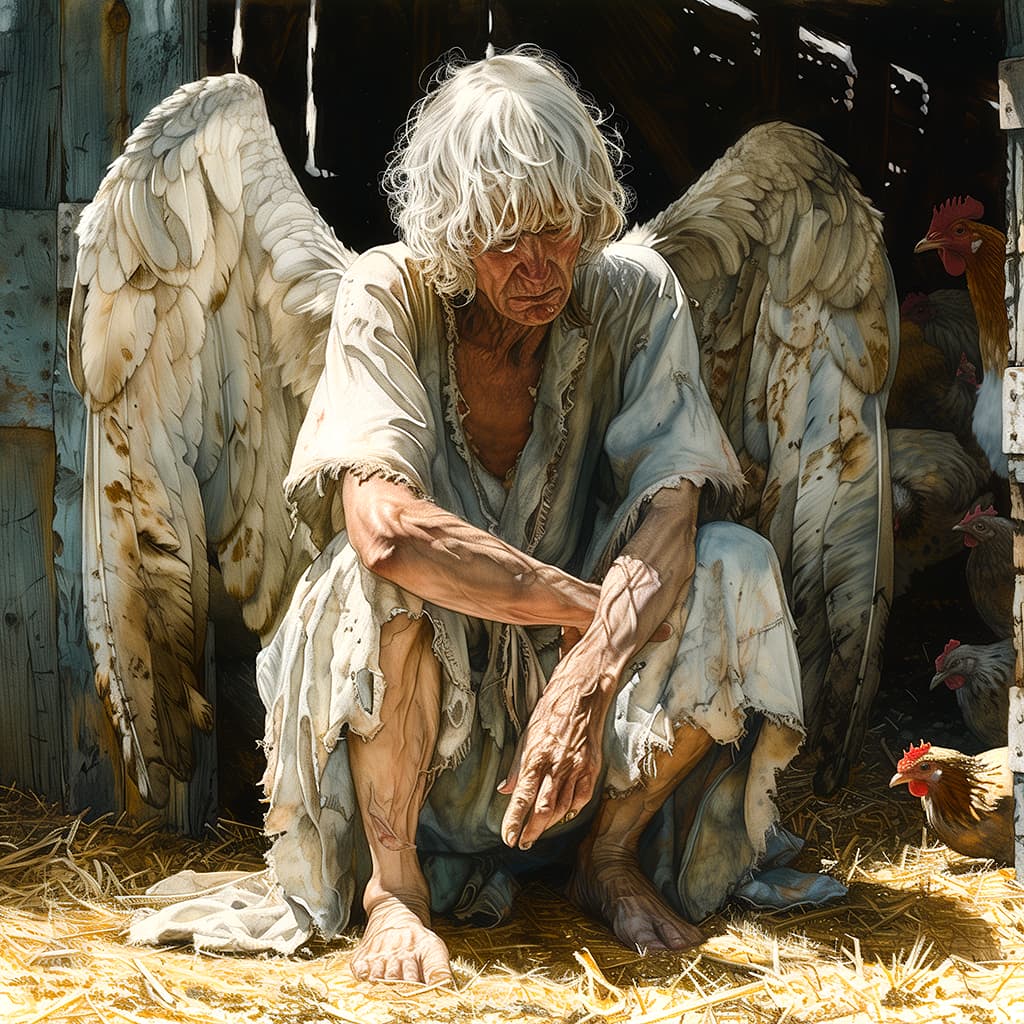
“A Very Old Man with Enormous Wings” (Un señor muy viejo con unas alas enormes) is a short story by Gabriel García Márquez, published in 1972 in the book La increíble y triste historia de la cándida Eréndira y de su abuela desalmada. It tells the story of Pelayo and his wife Elisenda, who, after several days of rain, find an old man with enormous wings lying in their yard, fallen and wallowing in the mud. The couple, bewildered by his wretched appearance and the filthy state of his wings, do not know whether they are dealing with an angel or a castaway. The news spreads quickly, and the winged man becomes the center of attention in the neighborhood, arousing in visitors both a belief in the supernatural and sheer curiosity.

Ray Bradbury: The Scythe

Ray Bradbury: The Scythe

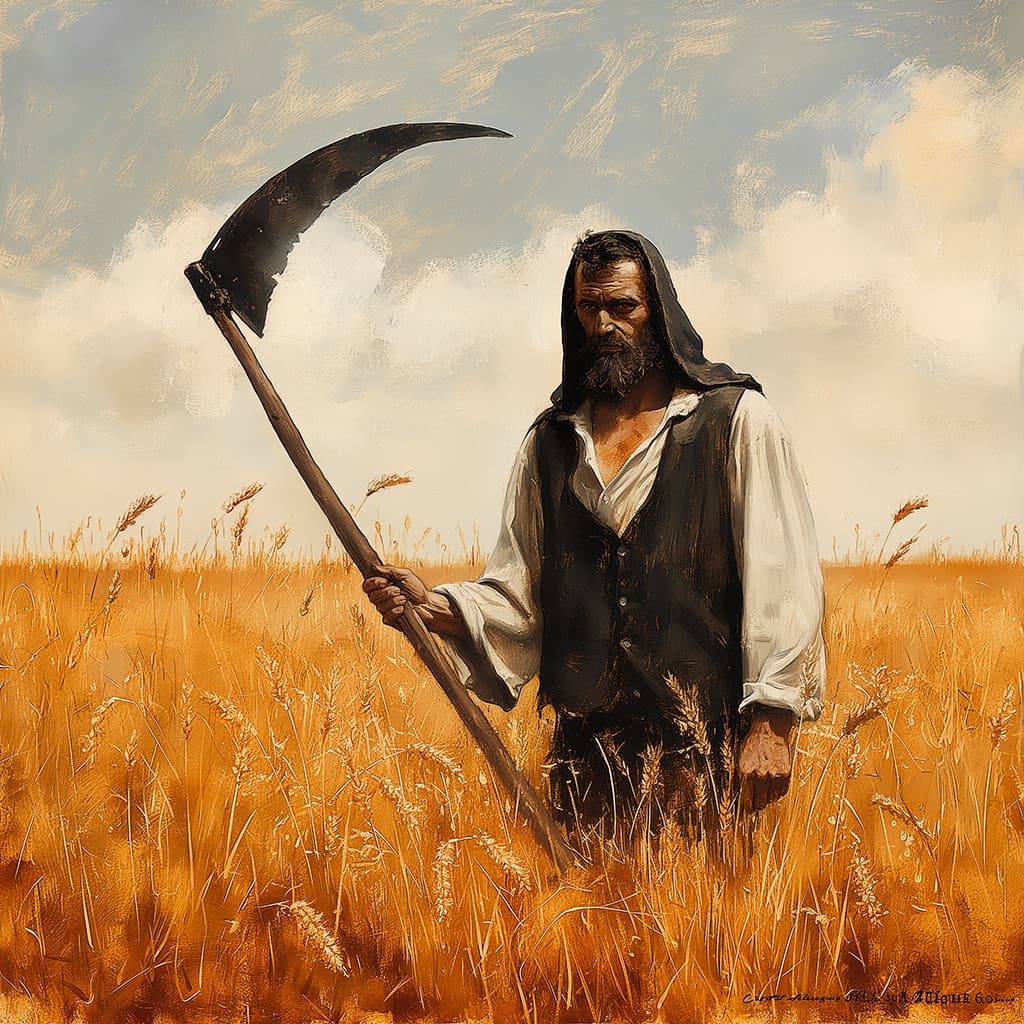
“The Scythe” is a short story by Ray Bradbury, published in July 1943 in the magazine Weird Tales. It tells the story of an exhausted and starving family arriving at a solitary house next to a mysterious wheat field. Drew Erickson, the father, discovers a will that bequeaths him the property, including a gleaming scythe. As he tries to rebuild his life in that fertile and seemingly providential place, the field and the tool begin to reveal a deeper, darker purpose. In a setting steeped in symbolism, Drew faces a task that transcends the agricultural and drags him toward the inevitable.

Julio Cortázar: Letter to a Young Lady in Paris

Julio Cortázar: Letter to a Young Lady in Paris

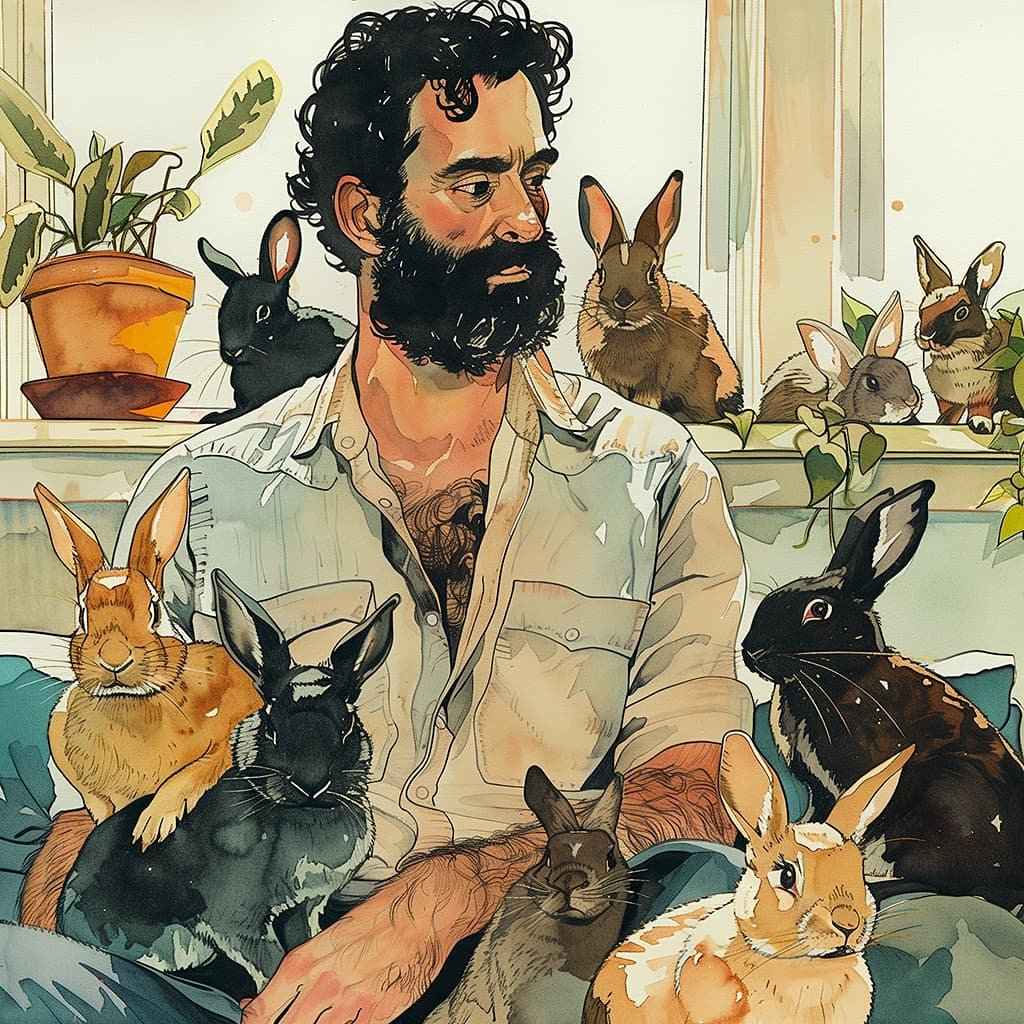
“Letter to a Young Lady in Paris” (Carta a una señorita en París) is a short story by Julio Cortázar that appeared in the book Bestiario (1951). It is narrated in the first person and recounts the experience of a man who has an unusual secret: from time to time, he vomits live baby rabbits. The story is set in Buenos Aires, in the apartment of a woman named Andrée, while she is in Paris. The man writes her a letter telling Andrée about his strange condition and how it has intensified lately to the point of becoming uncontrollable, causing chaos that contrasts with the order that reigned in the apartment before he moved in.

Lev Tolstoy: How Much Land Does a Man Need?

Lev Tolstoy: How Much Land Does a Man Need?

“How Much Land Does a Man Need?” is a short story by Lev Tolstoy, published in April 1886 in the magazine Russkoe bogatstvo. The story follows Pajom, a Russian peasant who, dissatisfied with his possessions, embarks on an insatiable quest to acquire more land. The devil, always eager to take advantage of human desires, decides to grant his wish and give him all the land Pahom believes he needs. Considered by James Joyce to be the best short story ever written, in it Tolstoy examines the essence of greed and how it can blind individuals.