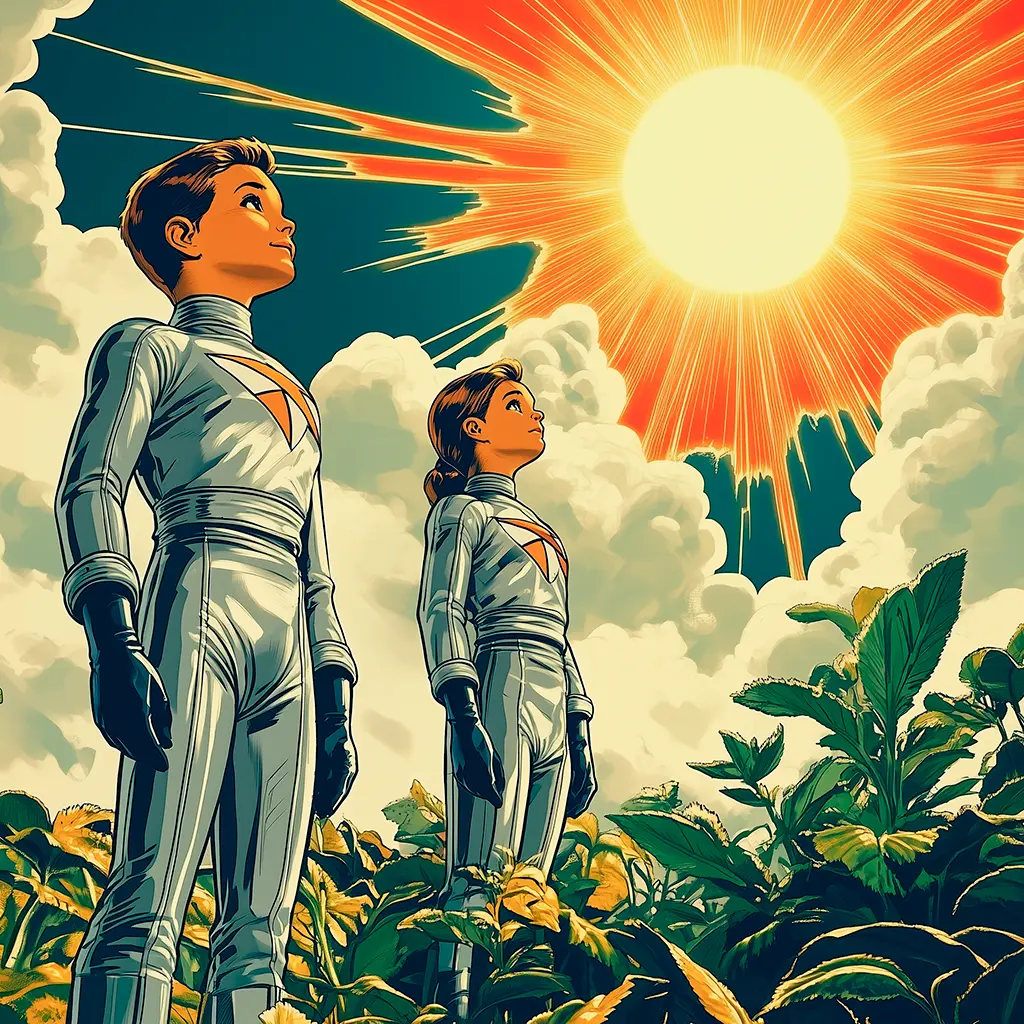
Philip K. Dick: The Impossible Planet
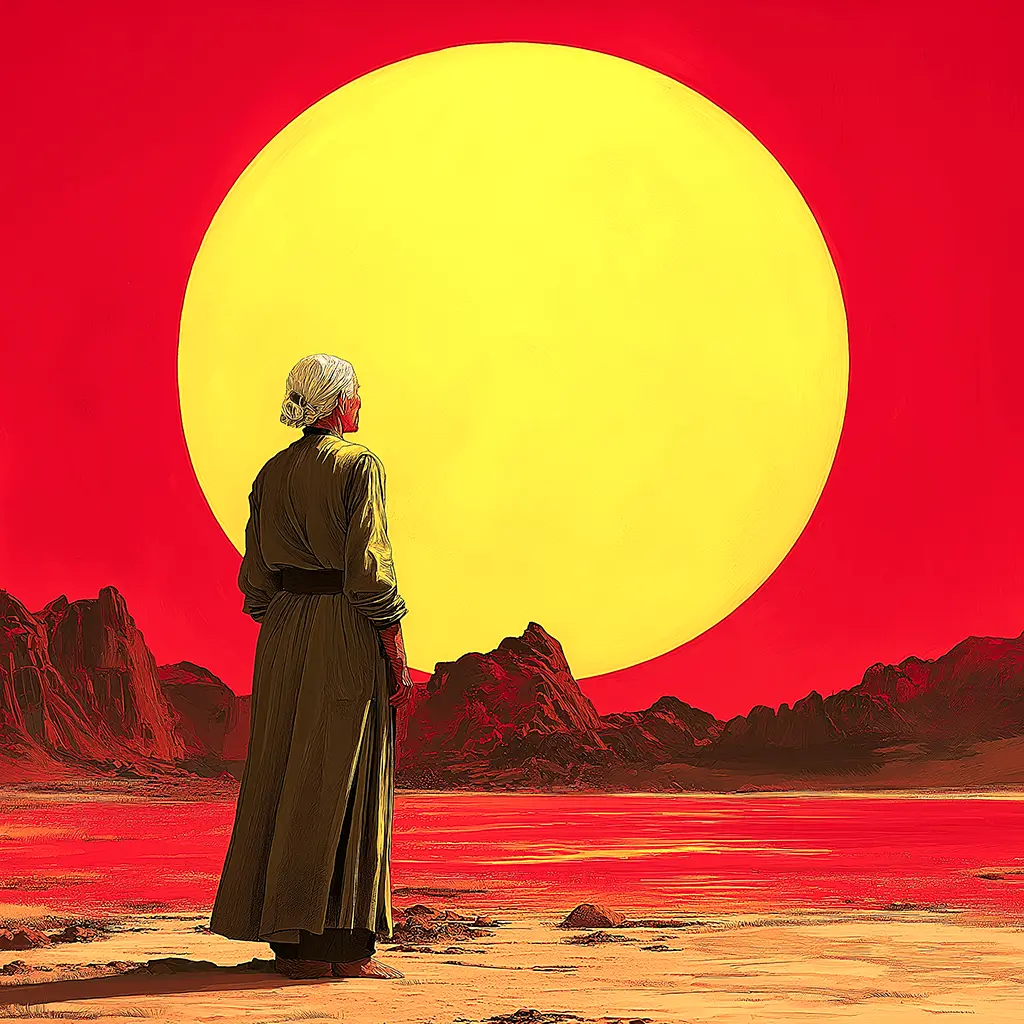
Philip K. Dick: The Impossible Planet

The Impossible Planet is a science fiction story by Philip K. Dick, published in October 1953 in the magazine Imagination. The story follows Captain Andrews and his crew, who receive an unusual request from a 350-year-old woman: to travel to Earth, the mythical planet believed to be the cradle of humanity. Although science has ruled out that the Earth ever existed, the older woman is willing to pay a large sum to fulfill her dream, which awakens Andrews’ greed.
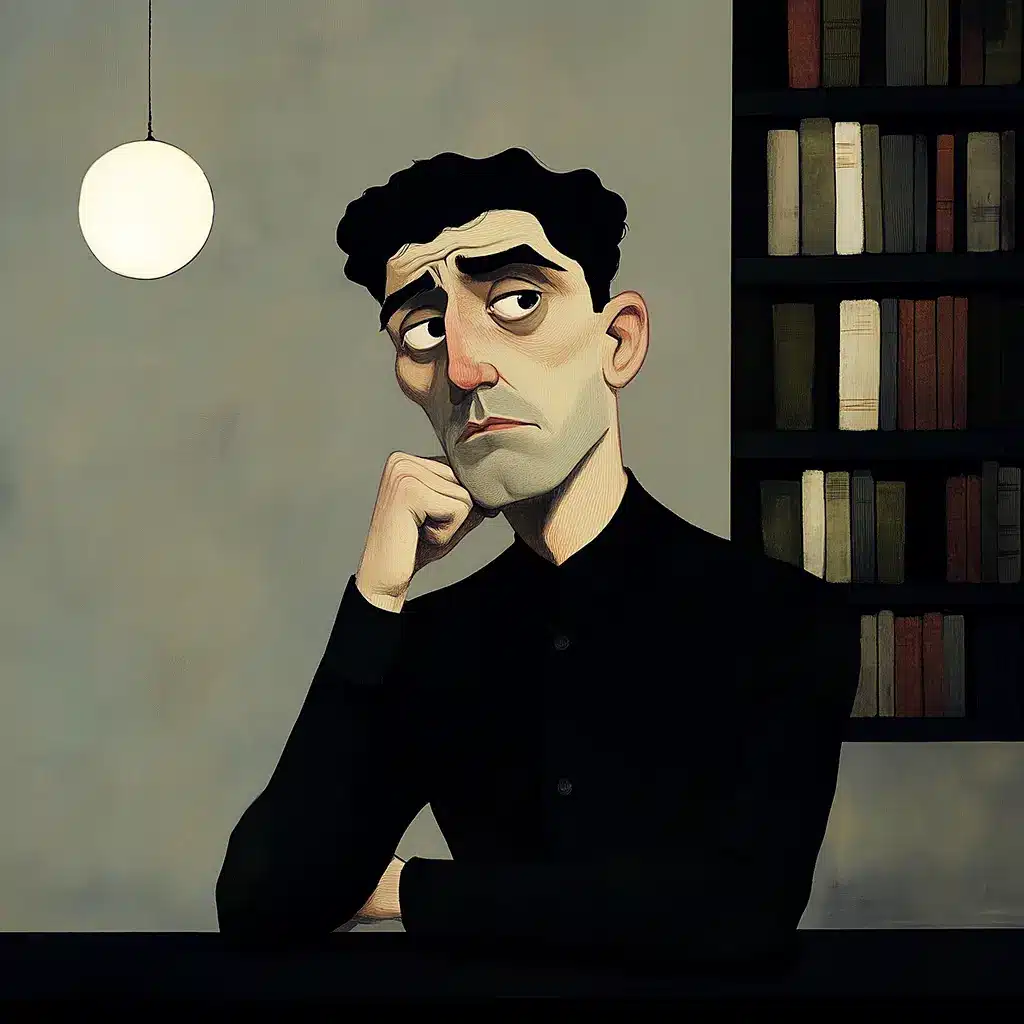
Patricia Highsmith: The Man Who Wrote Books in His Head

Patricia Highsmith: The Man Who Wrote Books in His Head

“The Man Who Wrote Books in His Head” is a short story by Patricia Highsmith, published in 1979, which narrates the peculiar life of E. Taylor Cheever, an aspiring writer who, after the failure of his first novel, decides to devote himself to writing only in his mind. Throughout his life, Cheever created a vast body of literary work but never managed to put it down on paper. The story reflects his growing isolation and the repercussions this decision had on his family, especially on his son Everett, who oscillates between frustration and admiration for his father. With subtle irony, Highsmith weaves a moving tale about the power and fragility of the imagination.

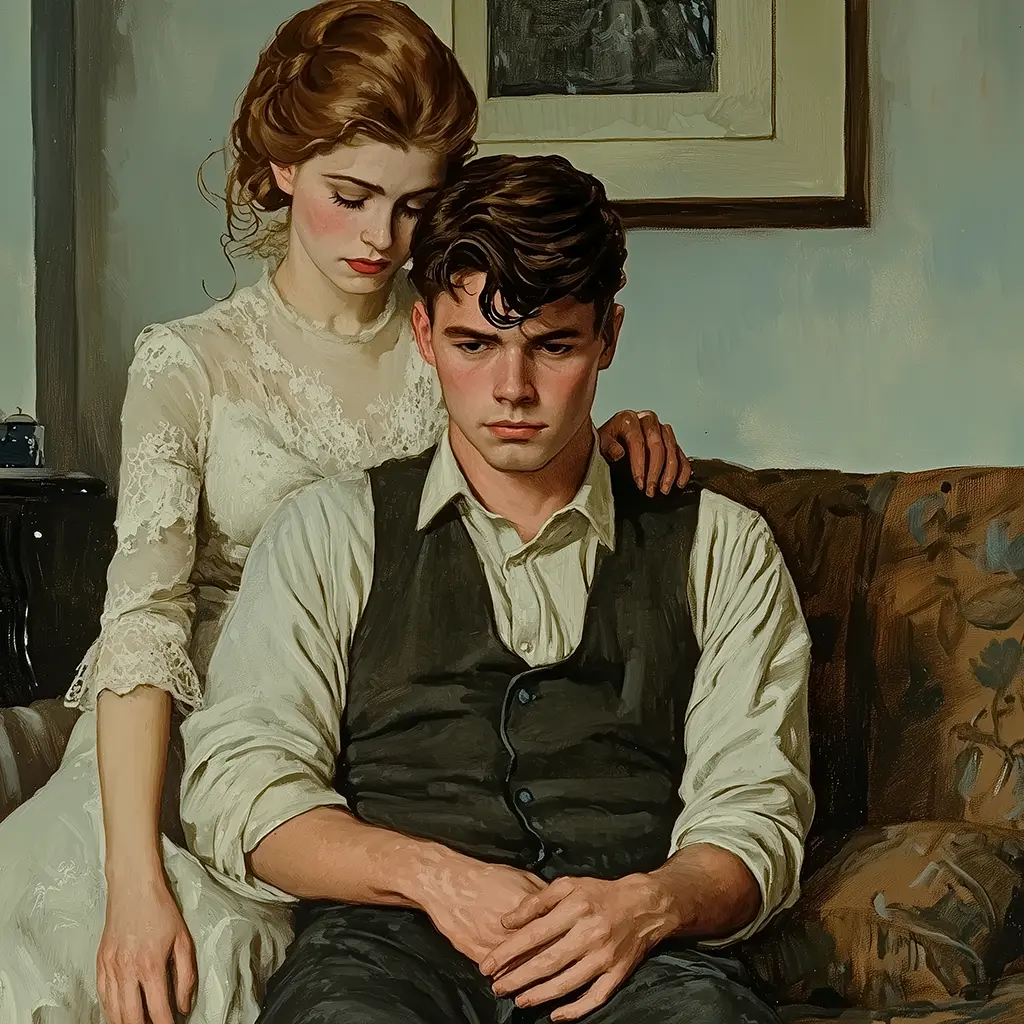
Elizabeth Gaskell: Right at Last

Elizabeth Gaskell: Right at Last

Right at Last is a short story by Elizabeth Gaskell, published on November 27, 1858, in Household Words. The story follows Margaret Frazer, a young woman of strong character who defies her family’s opposition by getting engaged to Dr. James Brown, a talented man of uncertain origins. As the couple builds their life together, events reveal intrigues and secrets that will test their strength and love, confronting them with an uncertain destiny.

Ray Bradbury: All Summer in a Day

Ray Bradbury: All Summer in a Day

All Summer in a Day is a short story by Ray Bradbury, published in March 1954 in The Magazine of Fantasy and Science Fiction. The story is set on Venus, where it rains constantly, and the sun only appears for one hour every seven years. In an underground school, a group of children anxiously await that unique moment. However, not all of them will be able to experience the event similarly. A story in which Bradbury uses science fiction to capture the harsh reality of cruelty and bullying in childhood.

Arthur C. Clarke: Superiority

Arthur C. Clarke: Superiority

“Superiority” is a short story by Arthur C. Clarke, published in August 1951 in The Magazine of Fantasy and Science Fiction. As a court statement, the story tells how a technologically superior civilization suffers a crushing defeat in an intergalactic war. The commander-in-chief’s account explains how a theoretical scientist’s obsession with developing increasingly advanced weapons led them to succumb to a more backward civilization. With an ironic tone, Clarke constructs a story about the risks of unthinkingly relying on innovation and shows how excessive confidence in progress can lead to collapse.

Ray Bradbury: Bright Phoenix

Ray Bradbury: Bright Phoenix

Bright Phoenix is a story by Ray Bradbury, written in 1947 and published in 1963 in The Magazine of Fantasy and Science Fiction. This story is considered the seed of Bradbury’s most famous novel, Fahrenheit 451. Set in Green Town, the story begins when the quiet library routine is interrupted by Jonathan Barnes, the Chief Censor, who arrives to confiscate and destroy books under the pretext of protecting society. Tom, the librarian, accompanied by a group of regular readers, responds with silent but firm resistance, transforming the library into a symbol of intellectual struggle against authoritarianism.