Elena Garro: The Cobbler from Guanajuato

Elena Garro: The Cobbler from Guanajuato

“The Cobbler from Guanajuato” (El zapaterito de Guanajuato) is a short story by Elena Garro, published in 1963 in the collection La semana de colores. It tells the story of Don Loreto, an eighty-two-year-old shoemaker, and his grandson Faustino, who arrive in Mexico City from Guanajuato in search of relief from poverty. Lost, hungry, and destitute, they are taken in by Blanquita, a charismatic and compassionate woman who, despite facing her own struggles, offers them shelter in her home.
Elena Garro: The Day We Were Dogs. Summary and analysis

Elena Garro: The Day We Were Dogs. Summary and analysis

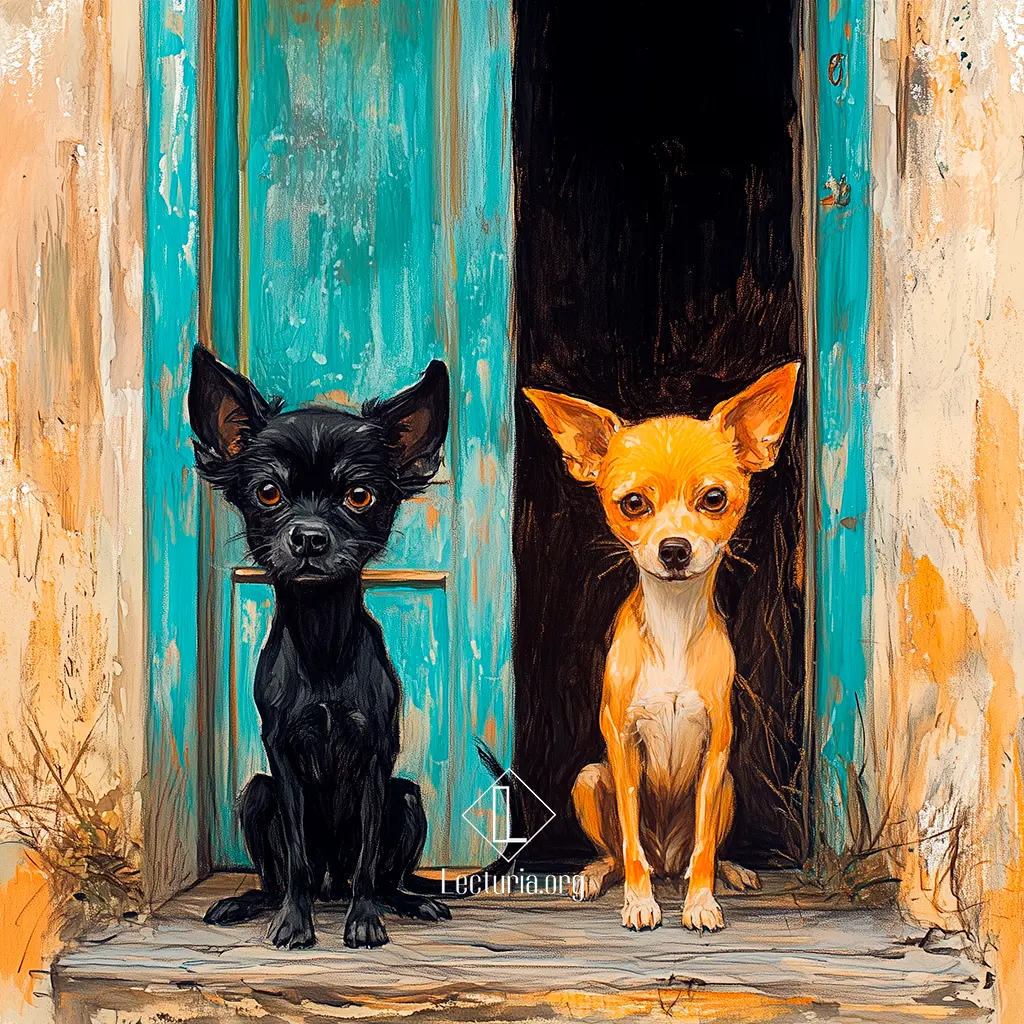
In Elena Garro’s The Day We Were Dogs, two girls, Eva and Leli, are left alone in a large house in the countryside while their family flees the summer heat. Amid abandonment and boredom, they decide to symbolically transform themselves into dogs and join the world of Toni, the house dog chained up in the garden. They adopt the names Cristo and Buda and live a day in a parallel time, alien to the human order. There, they witness a scene of violence: two men fight, and one kills the other. Soldiers interrogate the dog-girls, who respond with barks, and the murderer is arrested. The crime, however, marks them; the game is broken, and when they return home, they can no longer maintain the animal fiction. The night is filled with ghostly presences, and the girls realize that they have crossed a line: the experience of crime has expelled them from innocence and any possible heaven, even the one imagined for dogs.