W. W. Jacobs: The Monkey’s Paw

W. W. Jacobs - La pata de mono2

“The Monkey’s Paw,” a short story by W. W. Jacobs, is a classic tale of horror and fantasy. It is notable for its tense atmosphere and reflection on the implications of altering destiny. The story revolves around the White family, who receive a mysterious magic talisman as a gift, with the ability to grant three wishes. Despite their skepticism, they decide to use the amulet, which leads to a series of catastrophic events.


Edgar Allan Poe: Ligeia

Edgar Allan Poe: Ligeia. Full Story, Summary and Analysis

“Ligeia” is a Gothic horror tale by Edgar Allan Poe, published on September 18, 1838, in the magazine American Museum. It recounts the intense relationship between the narrator and Ligeia, a woman of extraordinary beauty and intelligence, whom he met in a ruined city near the Rhine. In their union, they share love, passion, and a profound intellectual respect. Ligeia’s death plunges the narrator into a spiral of decay from which not even his marriage to the beautiful Rowena can rescue him. The memory of—and obsession with—Ligeia haunts the narrator, tormenting him even though she rests in her grave.

Oscar Wilde: The Devoted Friend

Oscar Wilde: The Devoted Friend. Full Story, Summary, and Analysis

“The Devoted Friend” is a short story by Oscar Wilde, published in 1888 in the collection The Happy Prince and Other Tales. Presented as a fable within a fable, the story begins when a lark tells a water rat and a duck the story of little Hans, a kind-hearted young man who carefully tends his garden and maintains an unequal relationship with a miller who takes advantage of his generosity and unconditional devotion. Through this allegorical structure, Wilde critiques the hypocrisy and selfishness hidden behind discourses of virtue, and shows how true friendship can be corrupted by self-interest and manipulation.

Rudyard Kipling: The Mark of the Beast

Rudyard Kipling - La marca de la bestia

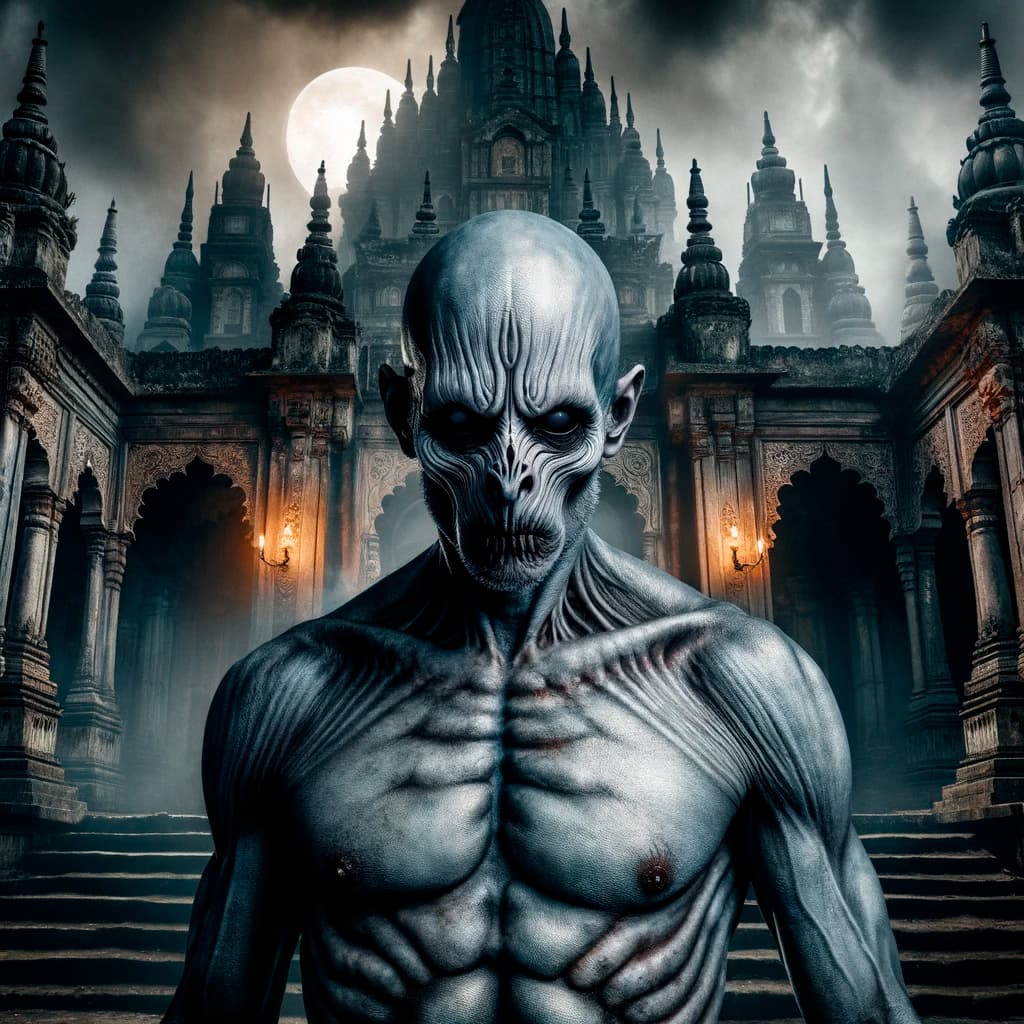
“The Mark of the Beast,” a short story by Rudyard Kipling published in 1890, plunges into the depths of mysticism and cultural tensions in colonial India. The story recounts the experience of Fleete, an Englishman newly arrived in India, who, while under the influence of alcohol during a New Year’s Eve celebration, desecrates a temple of Hanuman, the monkey god. His disrespectful and mocking action towards the sacred provokes supernatural revenge when he is branded on the chest by a mysterious leper known as the Silver Man. As the mark on Fleete’s chest transforms, he changes alarmingly, displaying animalistic behaviors and appetites. His friends are then embroiled in a desperate attempt to understand and remedy his condition, facing the clash between Western rationality and the inexplicable forces of an ancient local faith.

Jorge Luis Borges: The Immortal

Jorge Luis Borges: The Immortal

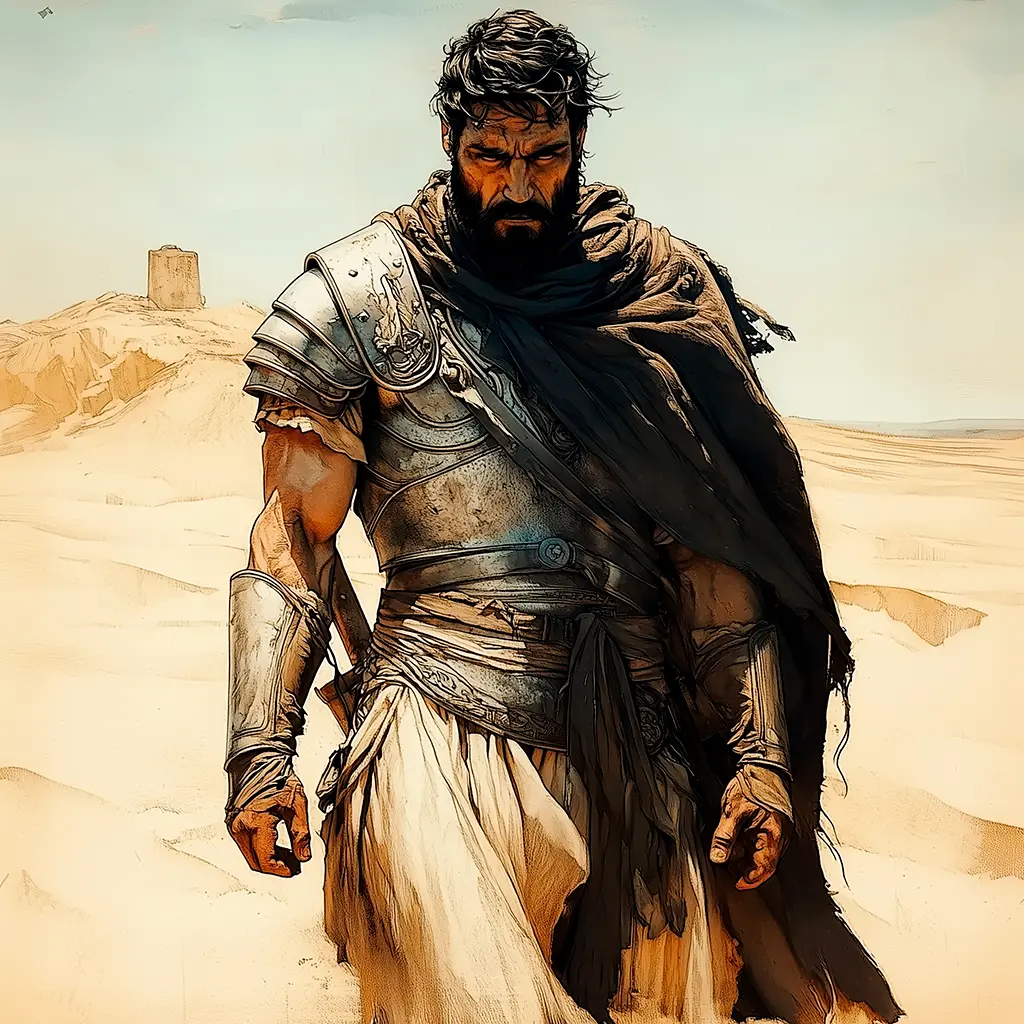
“The Immortal,” a story by Jorge Luis Borges from the short story collection ‘El Aleph’ (1949), narrates the intense odyssey of a Roman soldier, Marcus Flaminius Rufus, to find a mythical river that grants immortality. In his quest, the protagonist embarks on an expedition full of dangers and extraordinary discoveries, where he will test his courage and fortitude. After a long journey, he arrives at a remote place inhabited by a tribe of troglodytes, where he receives a terrible revelation about the immortals and their river.