Mary Shelley: The Mortal Immortal

Mary Shelley: The Mortal Immortal

“The Mortal Immortal,” a short story by Mary Shelley, tells the story of Winzy, a young apprentice of the alchemist Cornelius Agrippa, madly in love with Bertha, a haughty and ambitious woman. In a desperate attempt to free himself from Bertha’s emotional spell, Winzy accidentally drinks an elixir prepared by Agrippa, obtaining immortality. As the years pass, Winzy faces loneliness and isolation, reflecting on the true nature of her condition and questioning whether immortality is a gift or a curse.

Juan Rulfo: Luvina

Juan Rulfo - Luvina

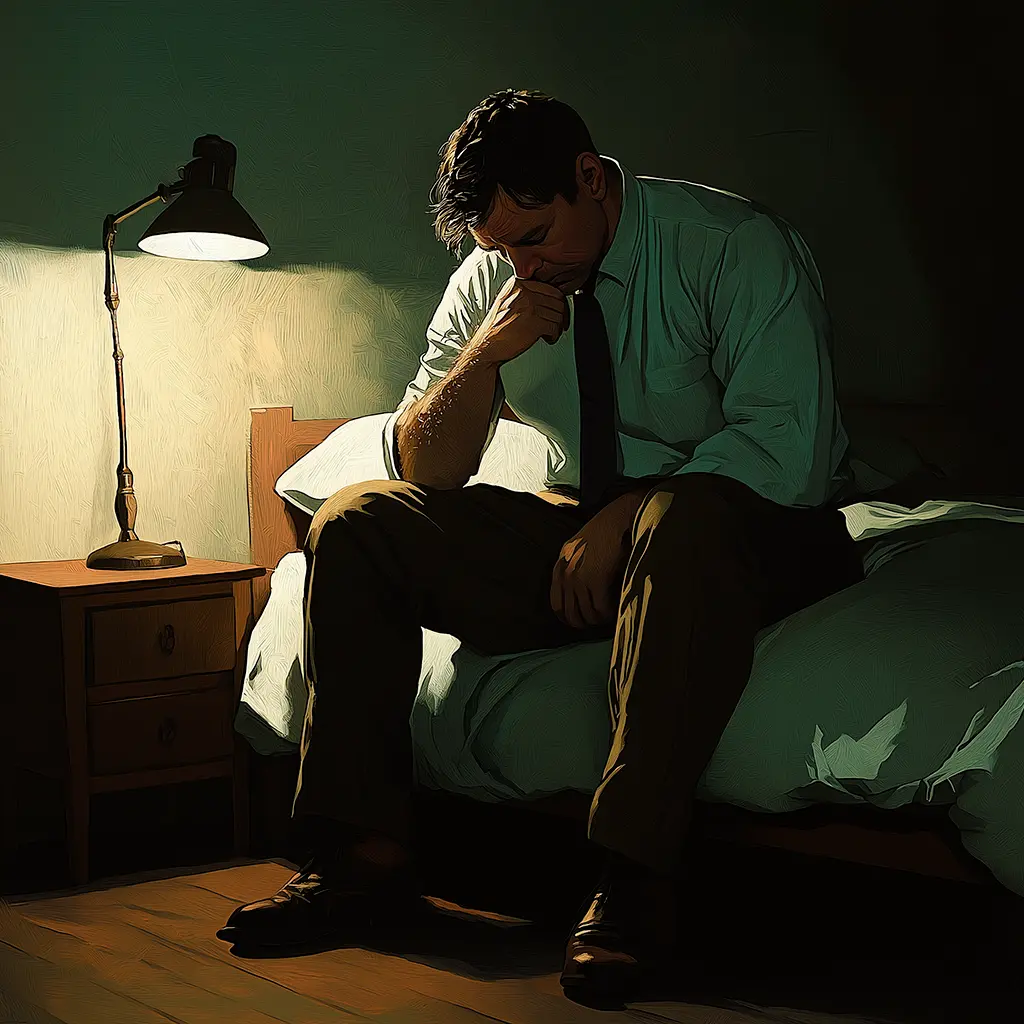
In “Luvina,” a story published in El llano en llamas (1953), Juan Rulfo describes an inhospitable village lashed by the constant wind and the aridity of its surroundings. Through the memories of a man who narrates his experience in it, a place is presented where nature and time seem to have stopped, leaving only the echo of loneliness and sadness. The inhabitants, marked by resignation, live a hard and monotonous life tied to the barren land and the weight of their dead. In the middle of this desolate landscape, the narrator shares his melancholy reflection on the futile struggle against an implacable destiny.

Isaac Asimov: The Two-Centimeter Demon

Isaac Asimov: The Two-Centimeter Demon

Synopsis: The Two-Centimeter Demon is a short story by Isaac Asimov, published in 1988 as part of the Azazel collection. In it, a writer (Asimov’s alter ego) tells how he met George Bitternut, an eccentric man who claims to possess a little demon named Azazel. This tiny being, barely two centimeters tall, has supernatural powers that George uses, he argues, to help others. With a humorous and satirical tone, Asimov weaves a plot where attempts to “improve” the lives of others through magic trigger unexpected and often ironic results.

Edgar Allan Poe: The Premature Burial

Edgar Allan Poe: The Premature Burial

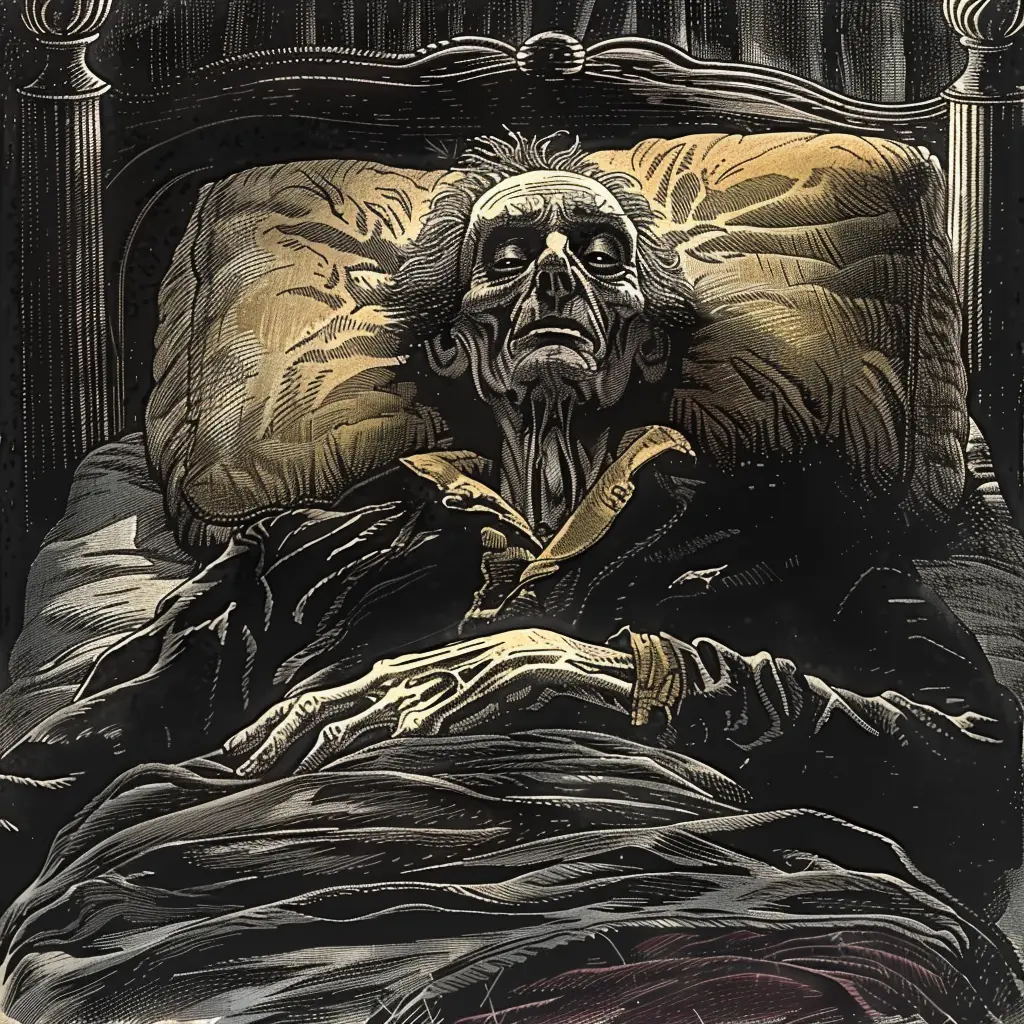
“The Premature Burial” is a short story by Edgar Allan Poe, published on July 31, 1844, in the Dollar Newspaper. Written in a style that lies midway between fiction and journalistic reportage, it tells the story of a man obsessed with the possibility of being buried alive. Drawing on documented cases of premature interments in various places, it argues that such events occur with disturbing frequency. He himself, prone to attacks of catalepsy and overwhelmed by fear, takes a series of precautions to avoid becoming a victim of that horrific fate.

D. H. Lawrence: The Rocking-Horse Winner

D. H. Lawrence: The Rocking-Horse Winner

The Rocking-Horse Winner is a haunting and moving short story by D. H. Lawrence, published in July 1926 in Harper’s Bazaar magazine. It tells the story of an upper-middle-class family who, trapped by the need to keep up appearances, live under the constant pressure of economic scarcity. Paul, the eldest son, is deeply affected by this situation and decides to look for a solution to alleviate the financial tensions of the household. Despite his young age, with the complicity of the gardener, he enters the world of gambling. Meanwhile, the house seems to come to life, whispering tirelessly: “There must be more money!”

Richard Matheson: Blood Son

Richard Matheson: Blood Son

Blood Son is a disturbing short story by Richard Matheson published in Imagination in April 1951. The story follows Jules, a strange and lonely boy who, from birth, proves to be different: his appearance, behavior, and obsession with darkness baffle his surroundings. His fascination with vampires arises after watching a Dracula movie, which leads him to immerse himself in a dangerous fixation with the idea of becoming one. As Jules seeks to make sense of his obsession, his life turns dark and disturbing, reflecting his struggle to belong in a world he doesn’t understand.