Guy de Maupassant: Boule de Suif

Guy de Maupassant: Boule de Suif

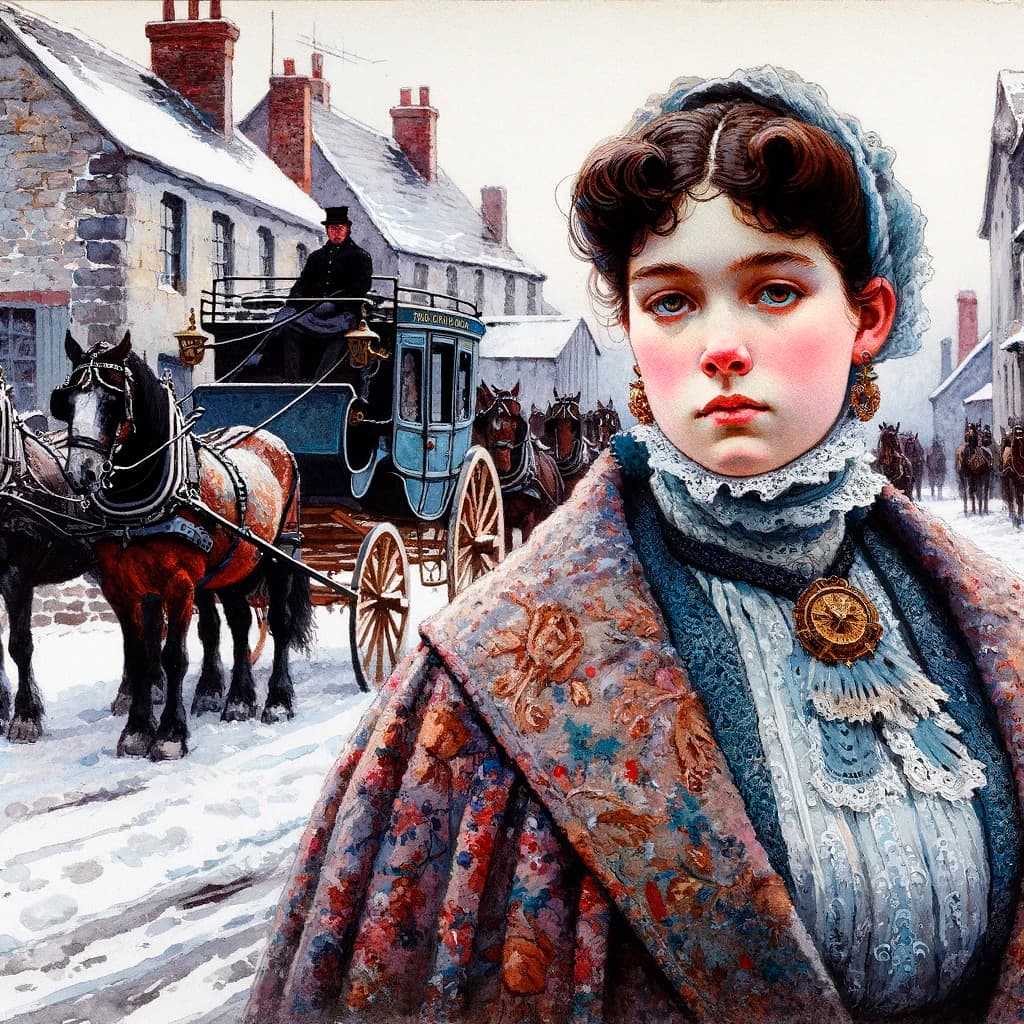
“Boule de Suif” is Guy de Maupassant’s most emblematic short story, the one that marked his rise to literary stardom. Published in 1880, it recounts the flight of a motley group of people from Rouen amid the turmoil of the Franco-Prussian War. Among the passengers are three upper-class couples, two nuns, a self-proclaimed revolutionary, and a well-known prostitute nicknamed Boule de Suif. Throughout the journey, Boule de Suif emerges as a shy and generous figure, selflessly concerned for the well-being of her companions. In return, however, she faces disdain, humiliation, and hypocrisy.

Jean Paul Sartre: Erostratus

Jean Paul Sartre: Erostratus

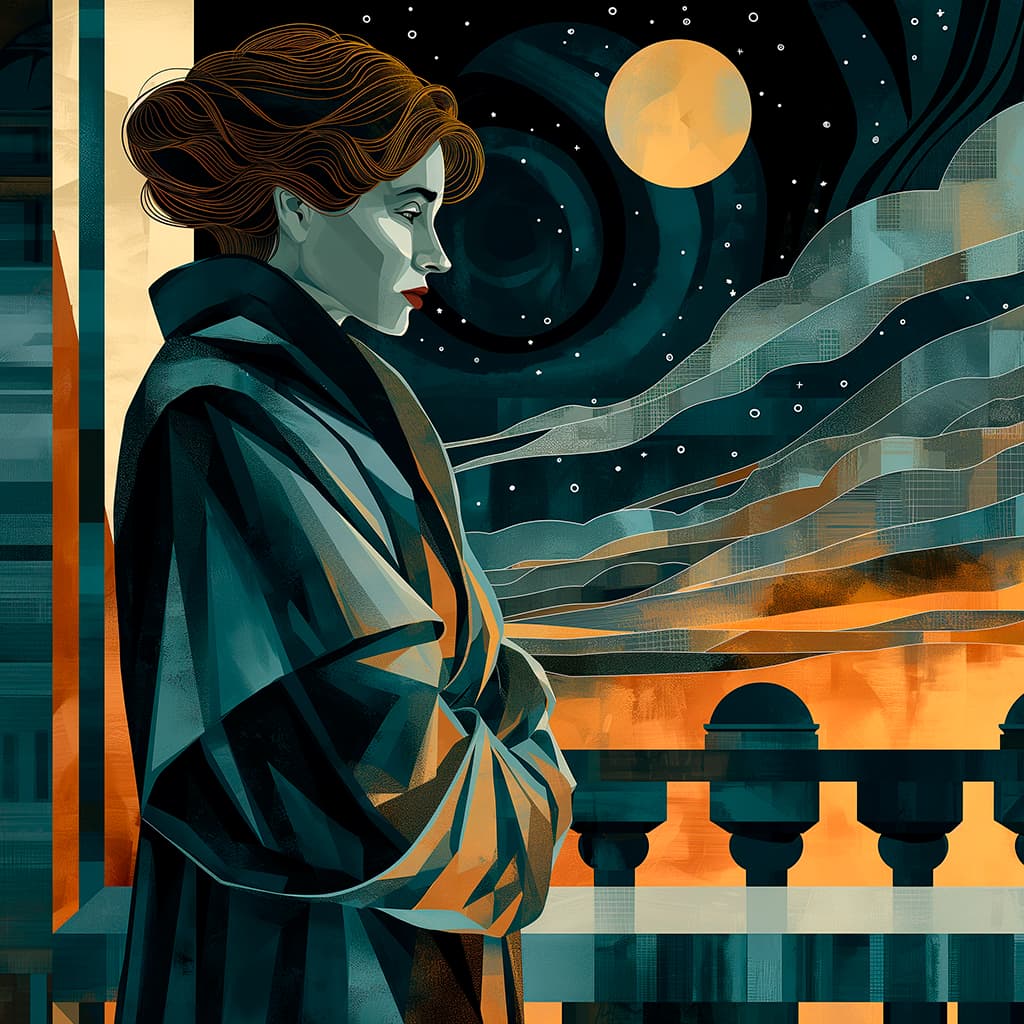
“Erostratus” (Érostrate) is a short story by Jean-Paul Sartre, published in 1939 in the book Le Mur. It tells the story of a solitary and resentful man who observes humanity with a mixture of superiority and revulsion. Obsessed with the pursuit of infamous glory and inspired by the figure of Erostratus—who in antiquity set fire to the Temple of Artemis in Ephesus for the sole purpose of passing into posterity—he acquires a revolver and begins to plan a crime that will grant him the fame he believes he needs in order to transcend his own insignificance.

Guy de Maupassant: Fear (First Version)

Guy de Maupassant: Fear (First Version)

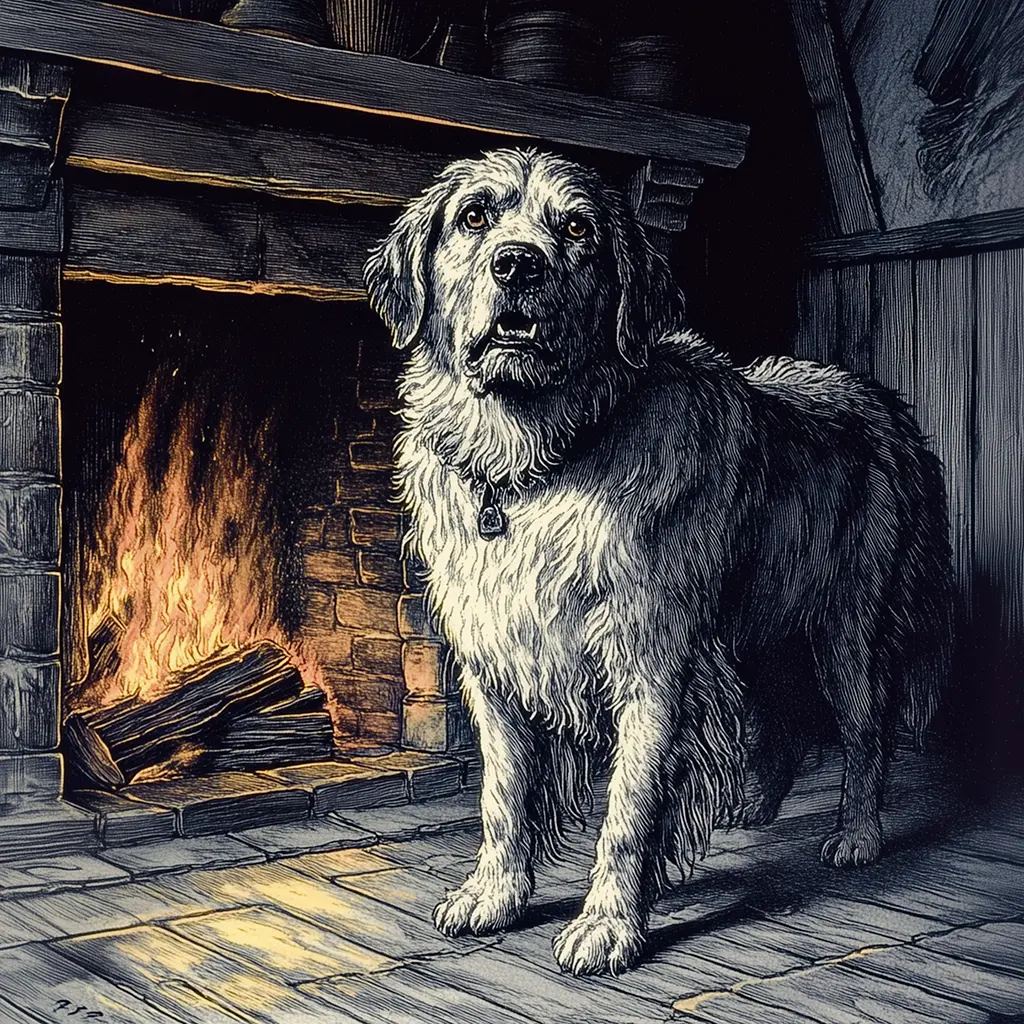
“Fear” (La Peur) is a short story by Guy de Maupassant, whose first version was published in October 1882 in Le Gaulois. Aboard a ship sailing the Mediterranean, a group of passengers discusses the nature of fear. A mysterious traveler challenges the common understanding, defining true terror as a sensation that rends the soul—something quite different from mere anxiety in the face of danger. To illustrate his point, the man recounts two chilling experiences from his own life: one in the African desert and another in a French forest. These tales, tense and haunting, offer a disturbing reflection on fear and its effects on the human psyche.

Guy de Maupassant: The Inn

Guy de Maupassant: The Inn

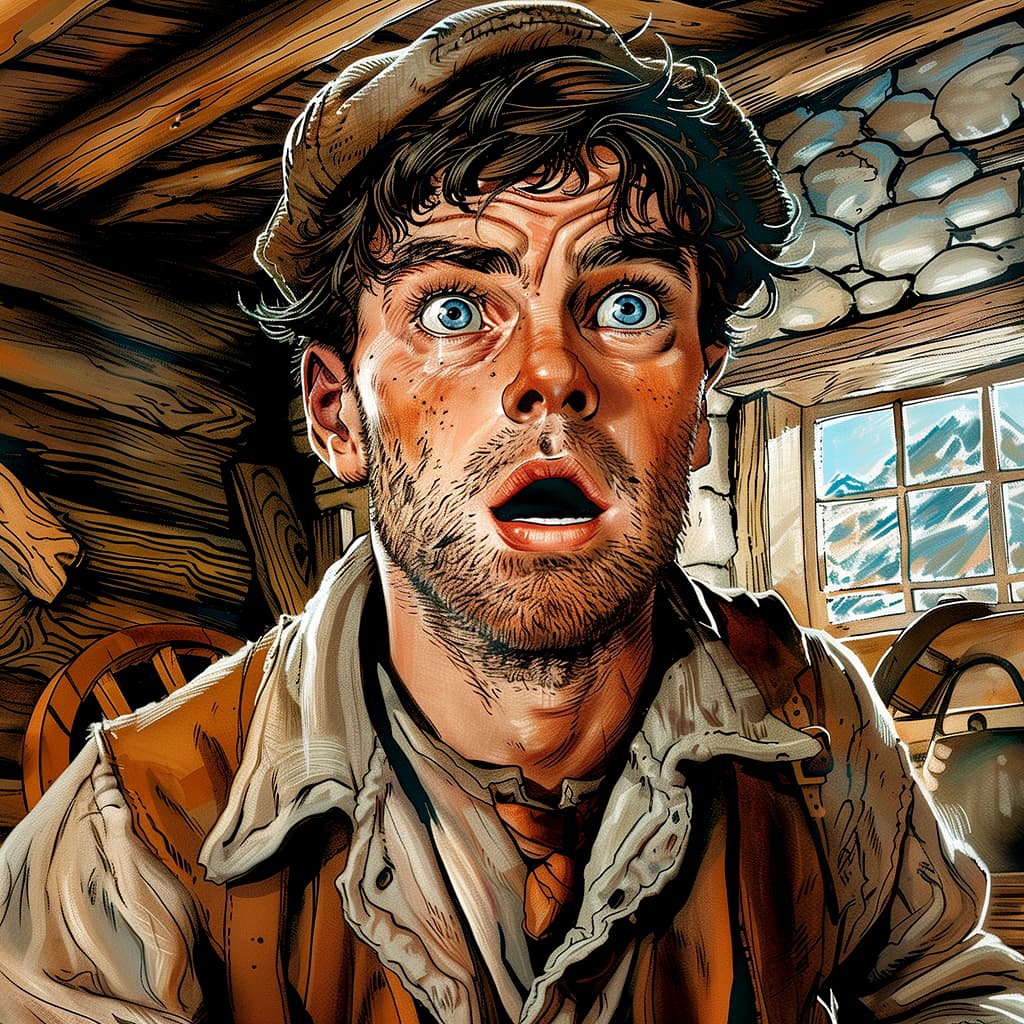
“The Inn” (L’auberge) is a short story by Guy de Maupassant, first published on September 1, 1886, in the magazine Les Lettres et les Arts. Set in the Swiss Alps, it tells the story of Ulrich Kunsi and Gaspard Han, two mountain guides who become isolated during the winter in a remote lodge, tasked with watching over it until spring. Surrounded by a hostile, silent landscape—snow blocking every access and solitude as their only companion—the men face prolonged confinement, boredom, fear, and an invisible threat that gradually closes in on them, enveloping them in an atmosphere of mounting psychological tension.

Émile Zola: Simplice

Émile Zola: Simplice

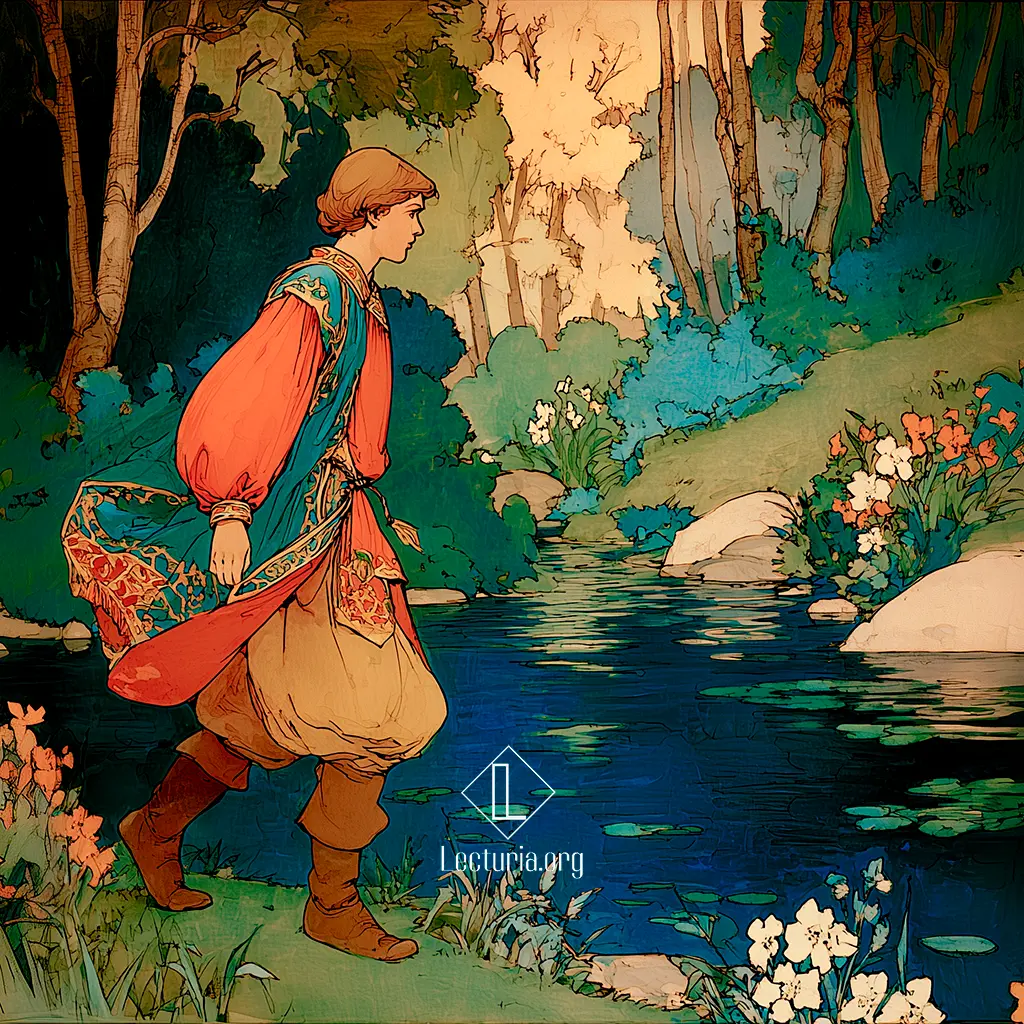
“Simplice” is a fantastic tale by Émile Zola, first published in 1864 in the collection Contes à Ninon. It tells the story of a naïve and misunderstood prince, son of a brutal king and a vain queen. From a young age, he shows a nature different from those around him: compassionate in war and indifferent to the excesses of the court. His kindness, mistaken for foolishness by those who surround him, distances him from royal expectations and leads him toward nature and its creatures, a refuge where his sensitivity can unfold without fear or reproach.

Guy de Maupassant: Father Milon

Guy de Maupassant: Father Milon

“Father Milon” (Le Père Milon) is a short story by Guy de Maupassant published on May 22, 1883, in the newspaper Le Gaulois. Set during the Franco-Prussian War of 1870, it tells the story of an elderly Norman peasant who lives with his family on a farm occupied by German troops. In the midst of the sweltering rural summer, the apparent calm of the surroundings contrasts with the growing tension among the inhabitants due to a series of mysterious murders in the area. The story begins with a military interrogation that leads to the revelation of a dark secret involving the older man.