Richard Matheson: Button, Button
Richard Matheson: Button, Button

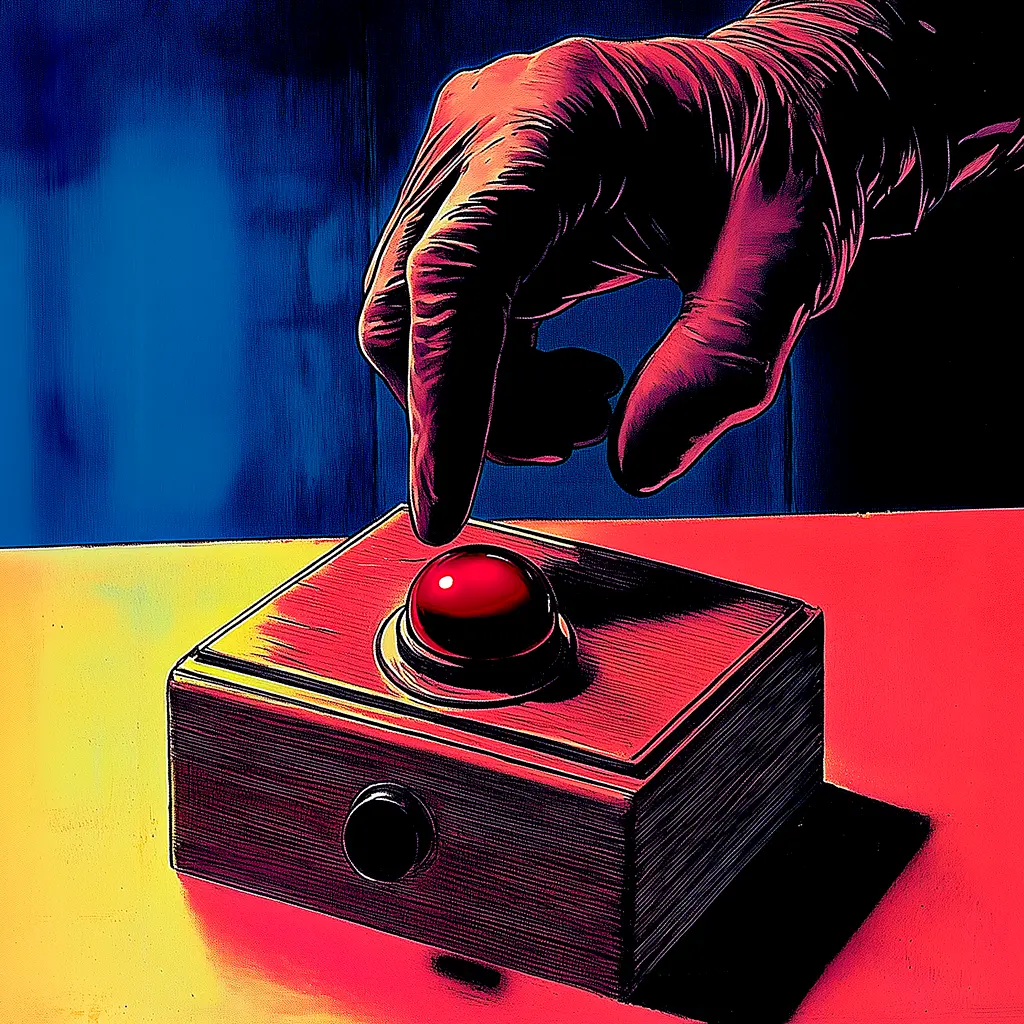
“Button, Button” is a disturbing short story by Richard Matheson, first published in Playboy magazine in June 1970. The story follows Norma and Arthur Lewis, who receive a strange package at their New York apartment. Inside, they find a device with a button protected by a glass dome, along with a note announcing a visit from Mr. Steward. When he arrives, he makes them a chilling offer: if they press the button, someone they don’t know will die — and they will receive fifty thousand dollars. This moral dilemma puts to the test the couple’s ethics and their deepest ambitions.

Guy de Maupassant: Fear (First Version)

Guy de Maupassant: Fear (First Version)

“Fear” (La Peur) is a short story by Guy de Maupassant, whose first version was published in October 1882 in Le Gaulois. Aboard a ship sailing the Mediterranean, a group of passengers discusses the nature of fear. A mysterious traveler challenges the common understanding, defining true terror as a sensation that rends the soul—something quite different from mere anxiety in the face of danger. To illustrate his point, the man recounts two chilling experiences from his own life: one in the African desert and another in a French forest. These tales, tense and haunting, offer a disturbing reflection on fear and its effects on the human psyche.

Henry Kuttner: The Graveyard Rats

Henry Kuttner: The Graveyard Rats

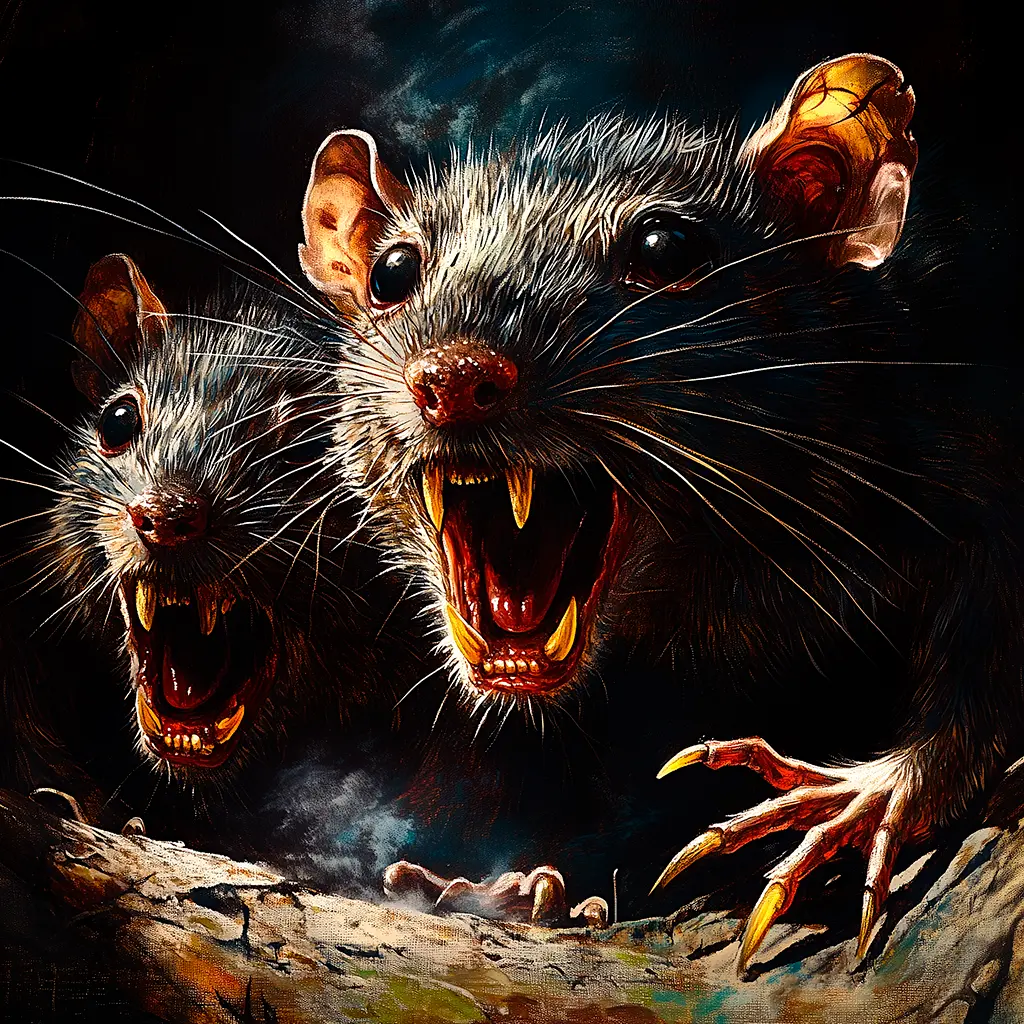
Synopsis: “The Graveyard Rats” is a horror short story by Henry Kuttner, first published in Weird Tales magazine in March 1936. The story follows Masson, the caretaker of an old and neglected cemetery in Salem, where huge, ravenous rats dig tunnels among the graves to steal freshly buried corpses. Their activity threatens Masson’s grim side business—grave robbing. One night, while trying to exhume a body, he discovers that the rats have gotten there first. What follows is a frantic and terrifying chase through the underground tunnels, leading Masson to confront horrors beyond imagination.

Robert Bloch: The Secret in the Tomb

Robert Bloch: The Secret in the Tomb

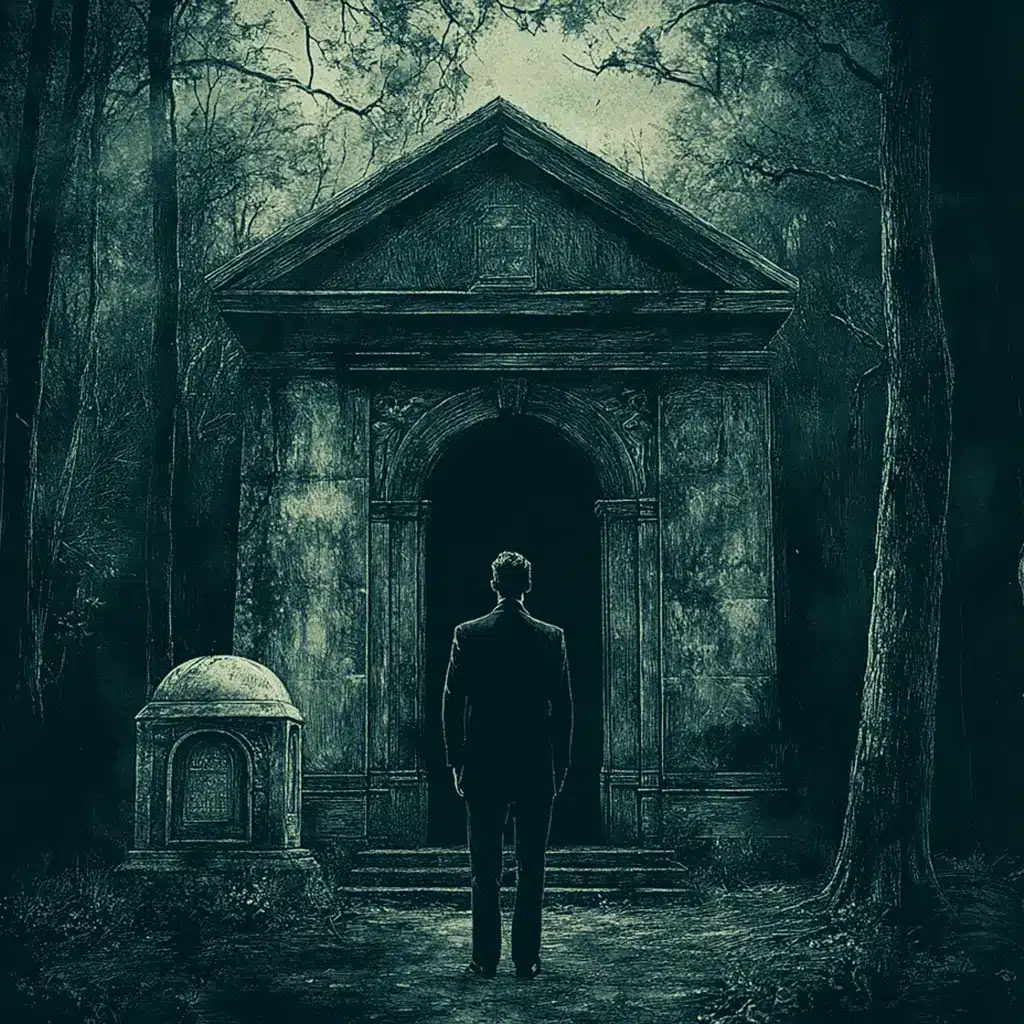
“The Secret in the Tomb” is a gothic horror tale written by Robert Bloch and published in Weird Tales in May 1935. It is the author’s first story set within the Cthulhu Mythos, created by H. P. Lovecraft. The narrative follows the last heir of a family of sorcerers, who ventures into the cemetery in search of an ancient and sinister secret hidden within his ancestors’ vault. In this grim and mysterious setting, the protagonist confronts supernatural forces that defy reason, while the macabre and oppressive atmosphere reveals forbidden and hidden terrors.

M. R. James: Lost Hearts

M. R. James: Lost Hearts

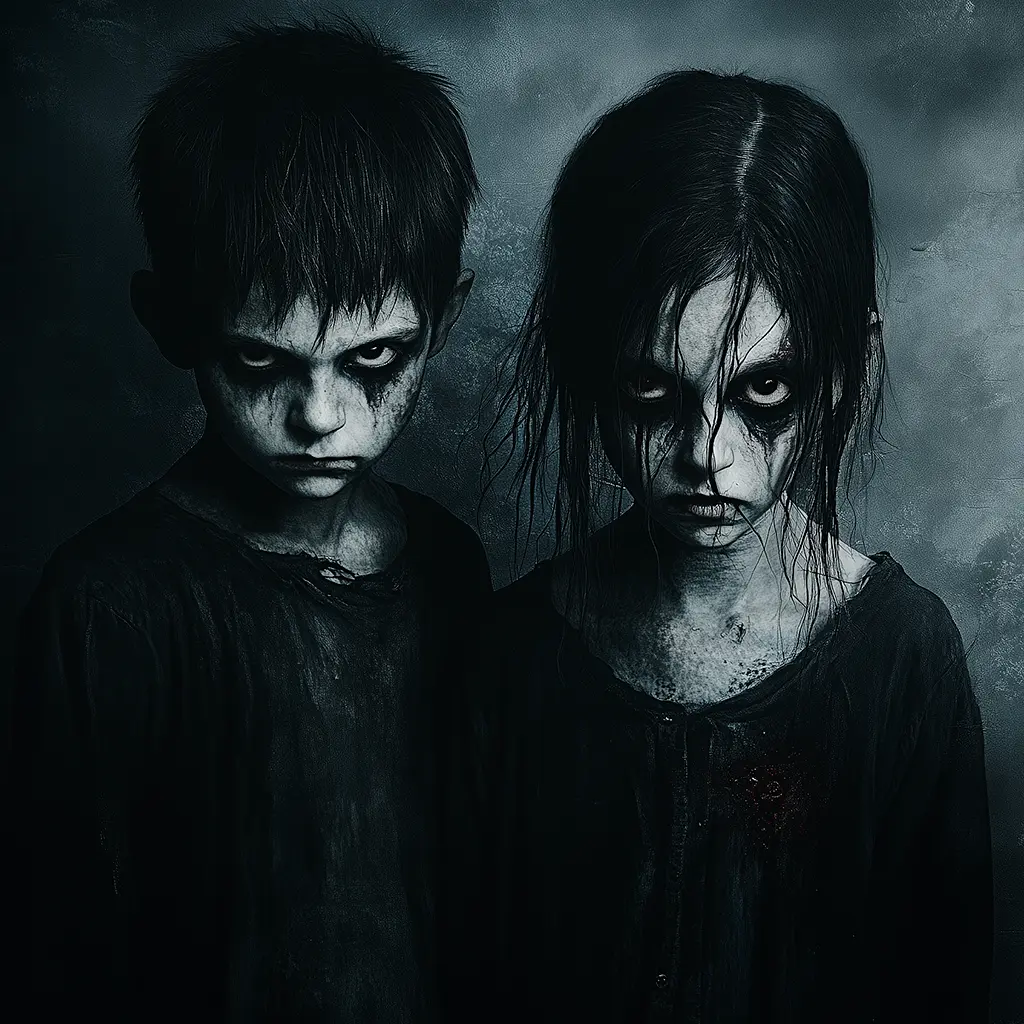
“Lost Hearts” is a gothic tale written by Montague Rhodes James (M. R. James), first published in The Pall Mall Magazine in 1895. The story follows Stephen Elliot, an orphaned boy who arrives at Aswarby Hall, the mansion of his enigmatic distant cousin, Mr. Abney. This solitary scholar, fascinated by ancient religions and esoteric practices, invites the boy to live in his austere residence in Lincolnshire. As Stephen adjusts to his new home, he grows increasingly intrigued by the mysterious atmosphere of the house and the strange sculptures and books that decorate it. Through conversations with the kind housekeeper, Mrs. Bunch, he uncovers unsettling stories about the mansion and begins to suspect that his cousin’s true intentions may be far darker than they seem.

H. P. Lovecraft: The Festival

H. P. Lovecraft: The Festival

“The Festival” is a haunting tale by H.P. Lovecraft, published in January 1925 in Weird Tales magazine. On Christmas Eve, a man travels to the ancient coastal town of Kingsport to take part in an enigmatic winter solstice ritual. His purpose is to connect with the arcane roots of his lineage, which trace back to times predating the colonization of America. Immersed in an oppressive atmosphere of mystery, the protagonist finds himself in a transformed Kingsport, where the shadows of the past come alive and family secrets intertwine with ancient horrors.