H. P. Lovecraft: From Beyond

H. P. Lovecraft: From Beyond

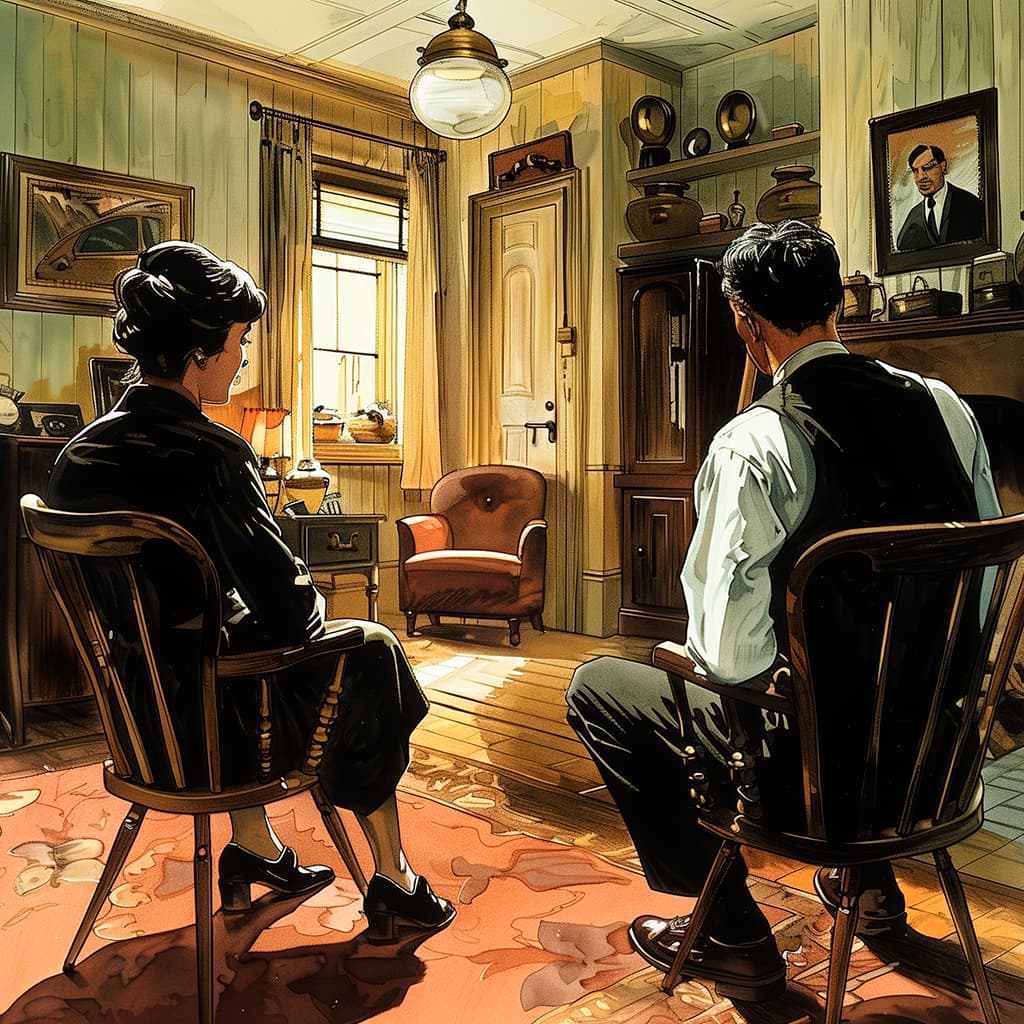
“From Beyond” is a cosmic horror and science fiction short story by H. P. Lovecraft, first published in 1934. It tells the story of Crawford Tillinghast, a scientist obsessed with proving that human perception is limited. After weeks of isolation, he invites a friend to his mansion to show him a machine that, by stimulating the pineal gland, allows one to perceive hidden dimensions. The experiment unveils a terrifying reality inhabited by monstrous entities beyond human understanding, unleashing dreadful consequences for both men and challenging the very limits of sanity and known reality.

Algernon Blackwood: The Doll

Algernon Blackwood - La Muñeca2

‘The Doll,’ a short story by Algernon Blackwood published in 1946, tells the story of Colonel Hymbers Masters, a retired Indian Army officer. One night, a man brings a package to the Colonel’s house with the express instruction that it is to be delivered only to him. Several days later, the Colonel discovers that the package contains a doll and orders it to be destroyed. The cook, however, disregards the instruction and gives it to Monica, the Colonel’s daughter, who immediately takes a liking to the doll and makes it her companion. From that moment on, mysterious events disrupt life at the Masters’ residence.

Ray Bradbury: The Man Upstairs

Ray Bradbury: The Man Upstairs

“The Man Upstairs” is a disturbing short story by Ray Bradbury, first published in Harper’s Magazine in March 1947. The story follows Douglas, a curious boy who lives with his grandmother, a woman skilled in the kitchen whose culinary rituals fascinate him. One day, a strange man named Mr. Koberman arrives at the boarding house to rent the upstairs room. From the moment he appears, the atmosphere in the house becomes tense and mysterious. Intrigued by the newcomer’s peculiar behavior, Douglas begins to suspect that there is something very unusual about him—something that defies all logic.

Arthur Machen: The Happy Children

Arthur Machen: The Happy Children

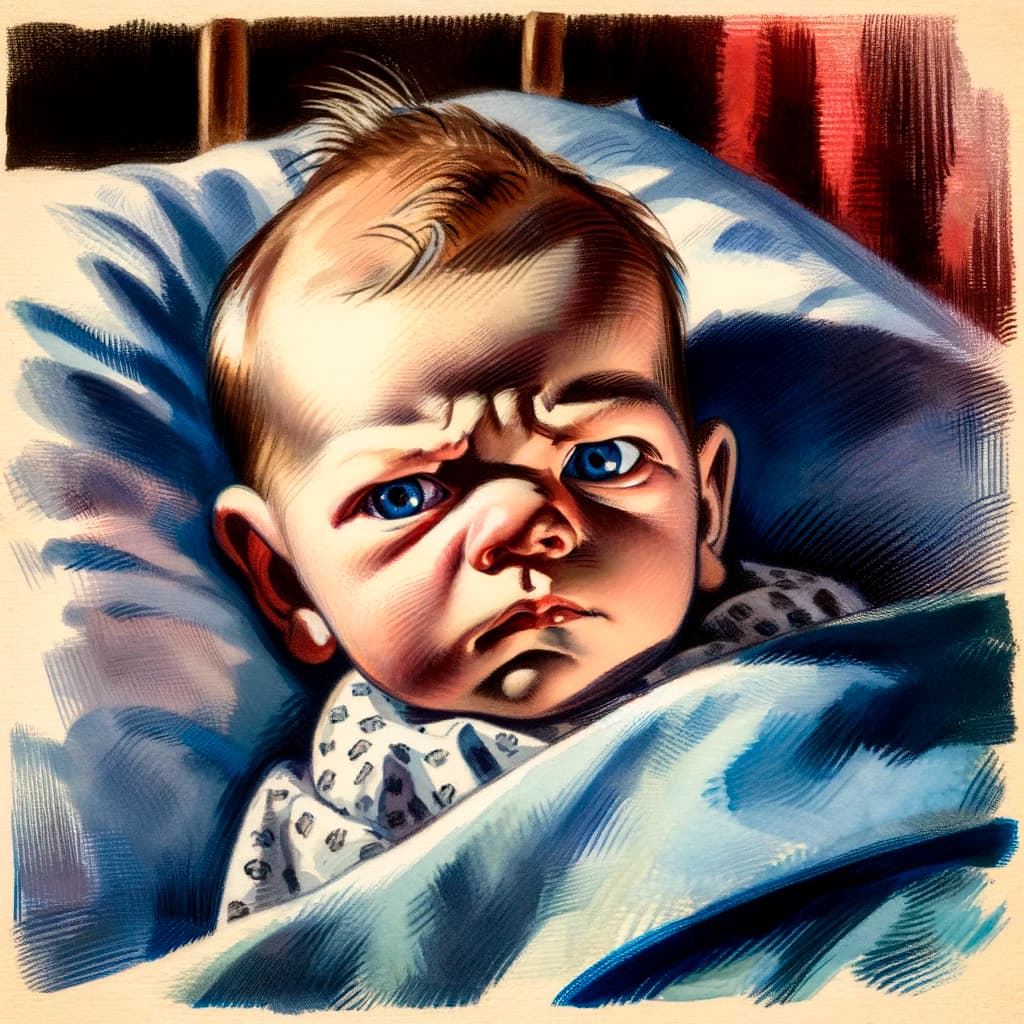
The Happy Children is a haunting story by Arthur Machen, published in 1920. After Christmas 1915, a journalist stops in Banwick, a town steeped in medieval atmosphere. Fascinated by the beauty of the place, he wanders through the narrow, winding streets, where he is surprised to find numerous children laughing, singing, and dancing merrily. His bewilderment increases as he finds that even as night falls and darkness envelops the village, children are still on the streets. While exploring this enigmatic setting, the journalist witnesses a strange procession heading to an ancient church on the hill. This experience will be far more disturbing than he ever imagined.

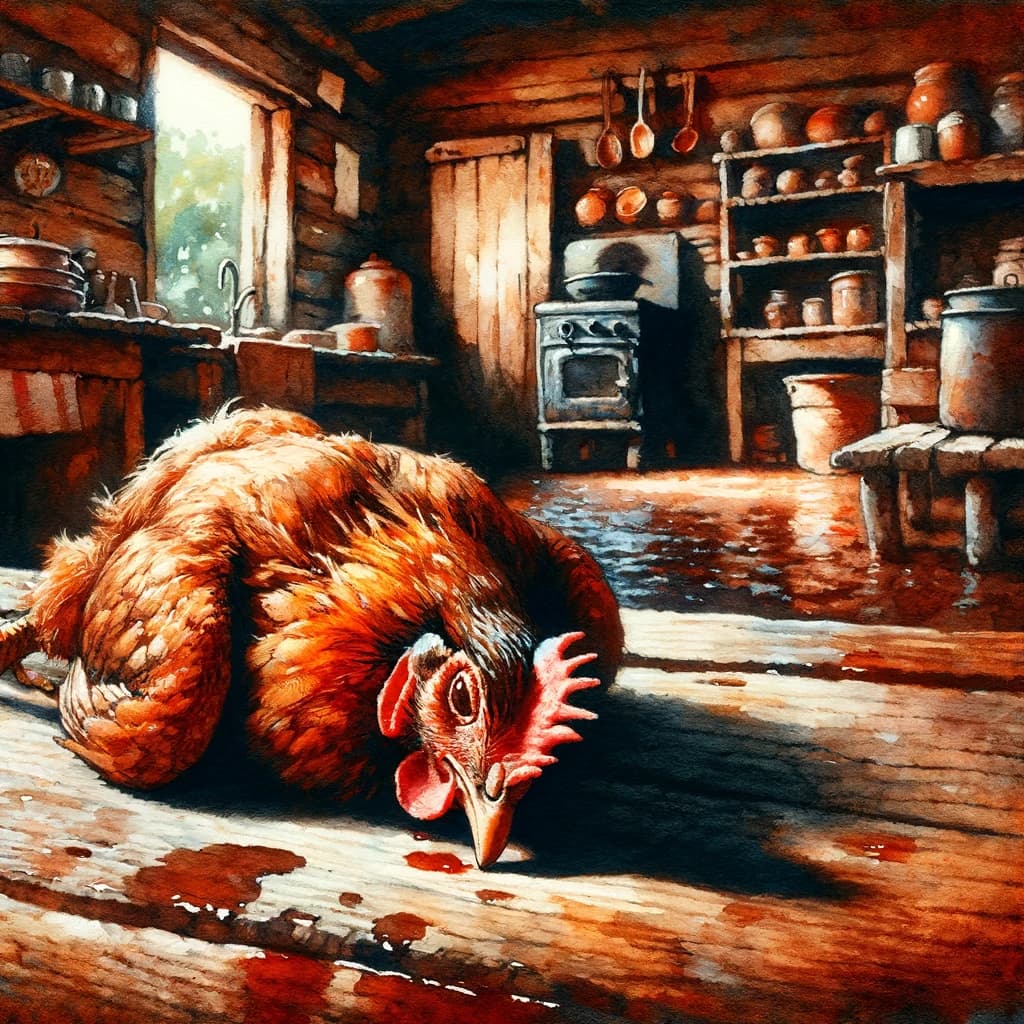
Edgar Allan Poe: The black cat

Edgar Allan Poe: The black cat

“The Black Cat” is a psychological horror short story by Edgar Allan Poe, published on August 19, 1843, in The Saturday Evening Post. Told in the first person, it recounts the story of a man who, since childhood, has felt a deep affection for animals—especially for his cat, Pluto. However, the abuse of alcohol gradually transforms his character, leading him to violence and depravity. As his behavior deteriorates, his relationship with the animal grows dark and obsessive, while the narrator begins to reveal the deepest and most terrifying recesses of his tormented mind.

Edgar Allan Poe: The Fall of the House of Usher

Edgar Allan Poe: The Fall of the House of Usher

Edgar Allan Poe’s “The Fall of the House of Usher” tells the story of a man who visits the home of his childhood friend, Roderick Usher, who has asked him for help due to his fragile physical and mental health. Upon arrival, he finds an old and desolate mansion, which seems to have a sinister influence on its inhabitants. As the visit continues, the protagonist witnesses not only the mental deterioration of his friend but also the decline of his sister, Madeline, who is suffering from a strange disease that consumes her life. The oppressive atmosphere and supernatural events envelop the protagonist in a spiral of terror and despair.