Isaac Asimov: Dreaming Is a Private Thing

Isaac Asimov: Dreaming Is a Private Thing

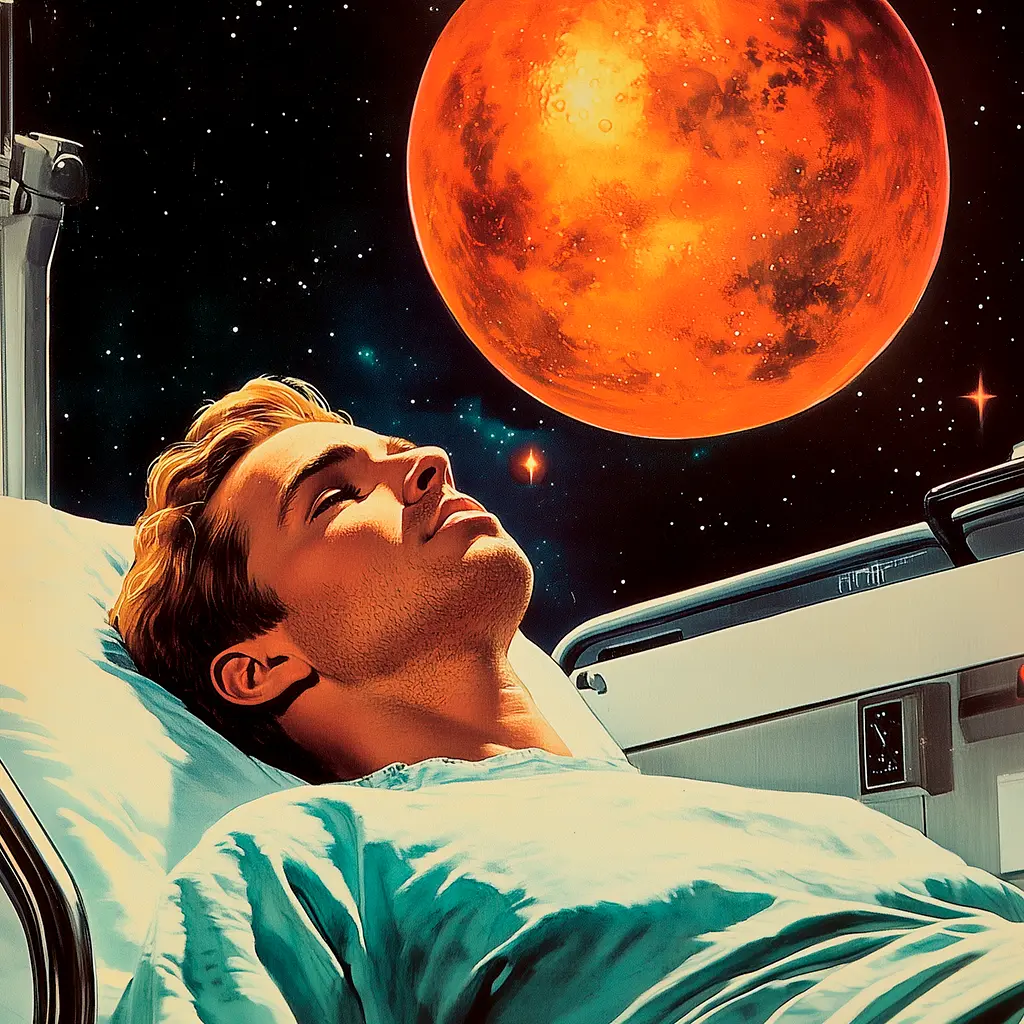
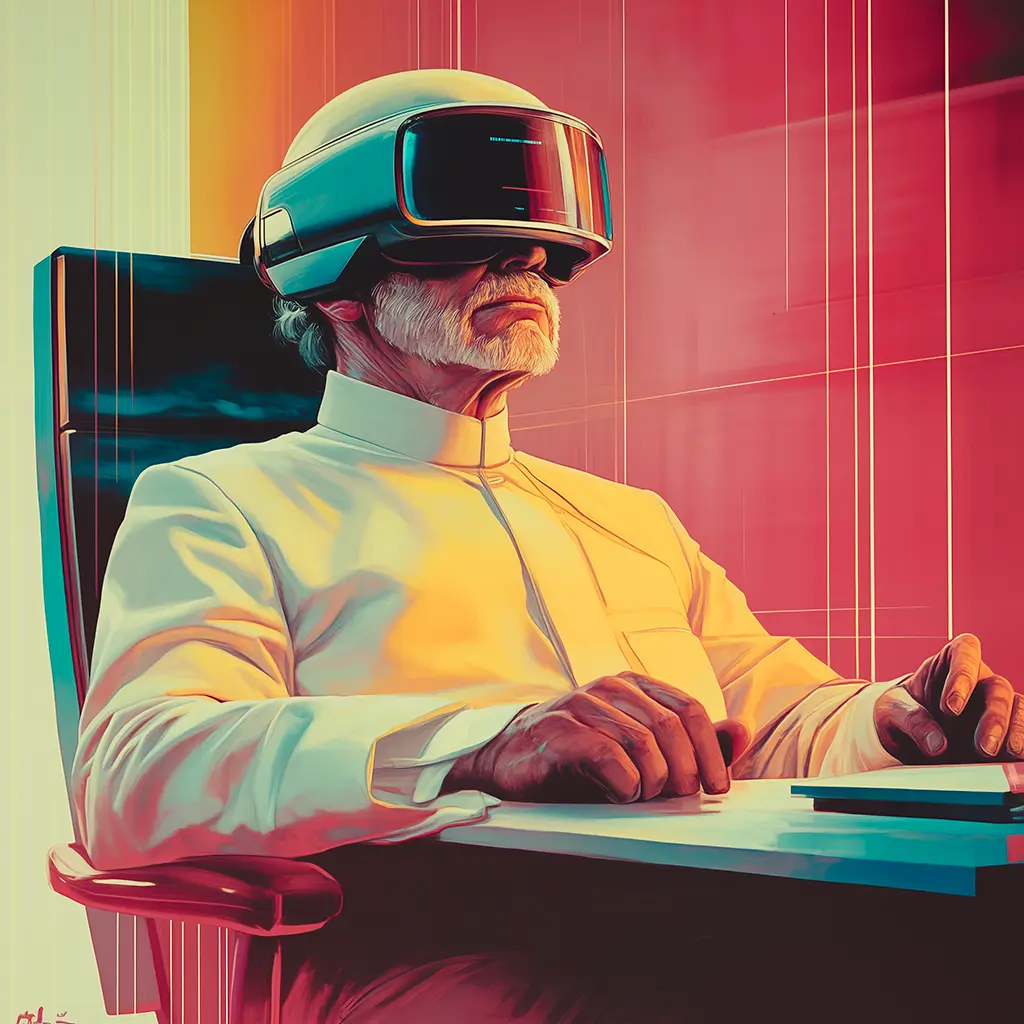
“Dreaming Is a Private Thing” is a science fiction story by Isaac Asimov, published in The Magazine of Fantasy and Science Fiction in December 1955. In a future where dreams have become the ultimate form of entertainment thanks to technology that allows them to be recorded and replayed, a small group of people with extraordinary imaginations create dream experiences that the rest of humanity can enjoy. In this context, Jesse Weill, director of Dreams Inc., is dedicated to finding new talent to feed this lucrative market. One day, a recruiter introduces him to Tommy Slutsky, a ten-year-old boy with promising abilities.

Philip K. Dick: The Father-Thing

Philip K. Dick: The Father-Thing

The Father-Thing is a disturbing science fiction short story by Philip K. Dick published in December 1954 in The Magazine of Fantasy and Science Fiction. An eight-year-old, Charles, begins to suspect something terrible is happening to his father. One night, as he enters the garage, he witnesses a disturbing scene: next to his father is an identical replica of him. During dinner, Charles is confronted by the disturbing creature that, he is convinced, has usurped his father’s place. His mother’s incomprehension and the escalation of events that this provokes lead Charles to run away from home in search of help, triggering a desperate struggle to discover the truth in an environment that becomes increasingly oppressive and terrifying.

Isaac Asimov: Christmas Without Rodney. Summary and analysis

Isaac Asimov - Christmas Without Rodney. Summary and analysis

In Isaac Asimov’s Christmas Without Rodney, Howard and his wife Gracie face holiday chaos when Gracie gives their faithful household robot, Rodney, a holiday during the family’s Christmas visit. Their son, DeLancey, his haughty wife, Hortense, and their spoiled child, LeRoy, bring their ultra-modern robot, Rambo, whose sleek design proves useless in the couple’s old-fashioned home. Blending humor, family conflict, and subtle exploration of robotics, the story raises profound questions about human relationships, technology, and the limits of artificial intelligence.

Philip K. Dick: Foster, You’re Dead

Philip K. Dick: Foster, You’re Dead

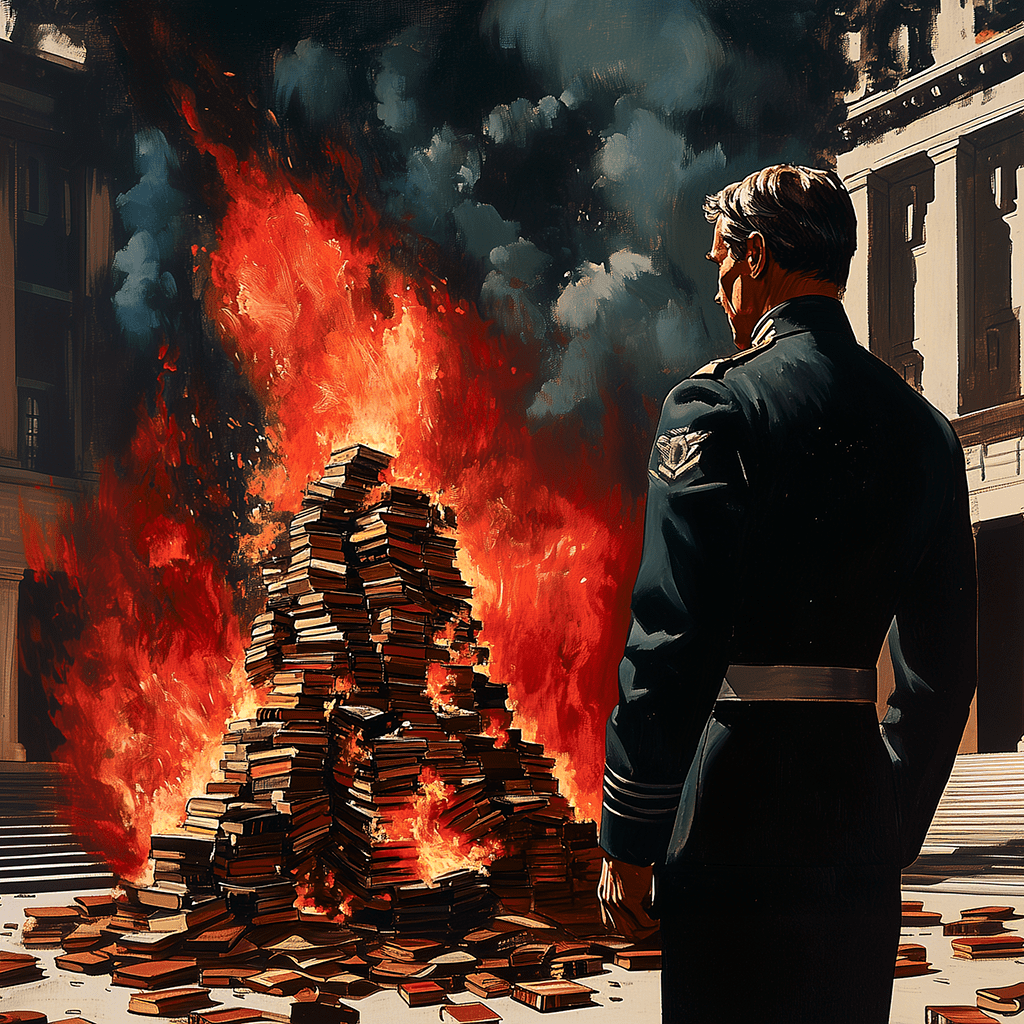
“Foster, You’re Dead” is a science fiction short story by Philip K. Dick, published in Star Science Fiction Stories No. 3 in 1955. In a society obsessed with preparing for nuclear war, Mike Foster faces the stigma of being the son of an ‘anti-P’, someone who refuses to buy bomb shelters or contribute to the community defence system. While his peers make booby traps and knives at school, he lives with the constant humiliation and fear of not having a shelter to protect him. Social pressure and fear drive him to crave security in a world where paranoia has become a lucrative business.

Arthur C. Clarke: The Star

Arthur C. Clarke: The Star

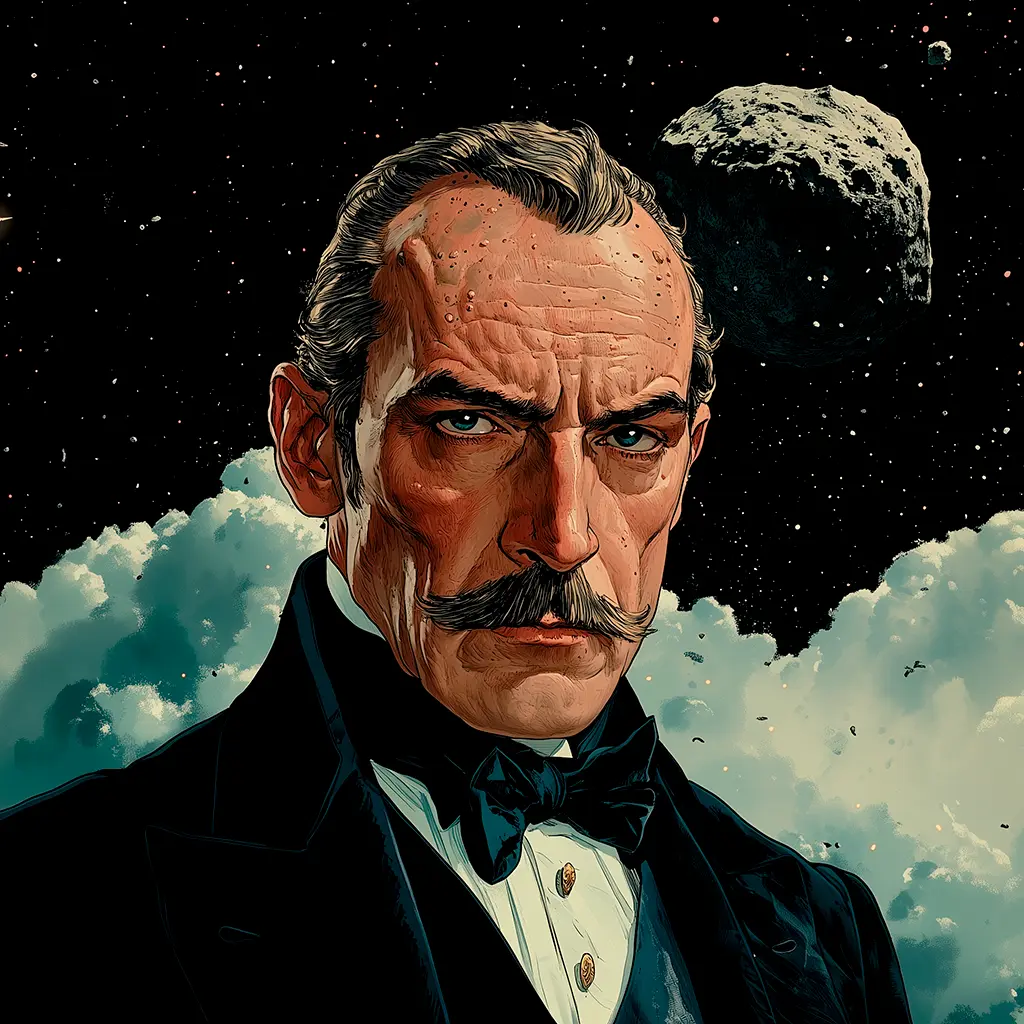
“The Star” is a powerful science fiction short story written by Arthur C. Clarke, published in November 1955 in Infinity Science Fiction. The story follows a Jesuit priest and astrophysicist who, on a space mission, discovers the remains of a civilization wiped out by a cosmic catastrophe. This discovery profoundly challenges his faith, leading him to question the beliefs he had always taken for granted. Through this narrative, Clarke explores the tension between science and religion, raising questions about the role of God in the cosmos and human existence. A short but deeply thoughtful story.

Isaac Asimov: A Statue For Father

Isaac Asimov: A Statue For Father

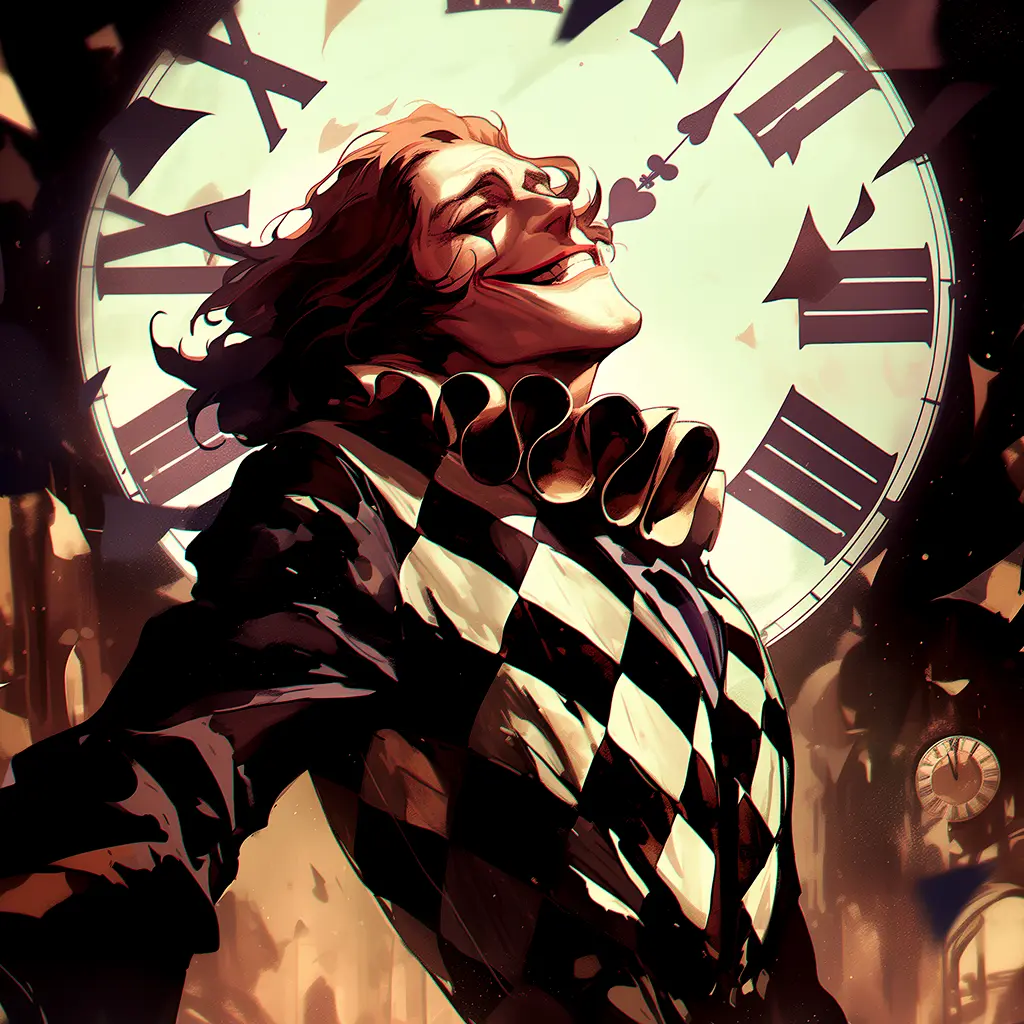
“A Statue for Father” is a science fiction short story by Isaac Asimov published in Satellite Science Fiction in February 1959. Through the voice of the son of a visionary scientist, it tells the fascinating story of an accidental discovery that revolutionized humanity. The father, a stubborn physicist passionate about time travel, works tirelessly on his research, facing ridicule and disinterest from the scientific community. Although the chronotunnels do not work as he had hoped, a stroke of luck brings about something extraordinary: a bridge between the past and the present. This finding, which initially seems like a modest step forward, changes history unexpectedly.