Harlan Ellison: Jeffty Is Five
Harlan Ellison: Jeffty Is Five

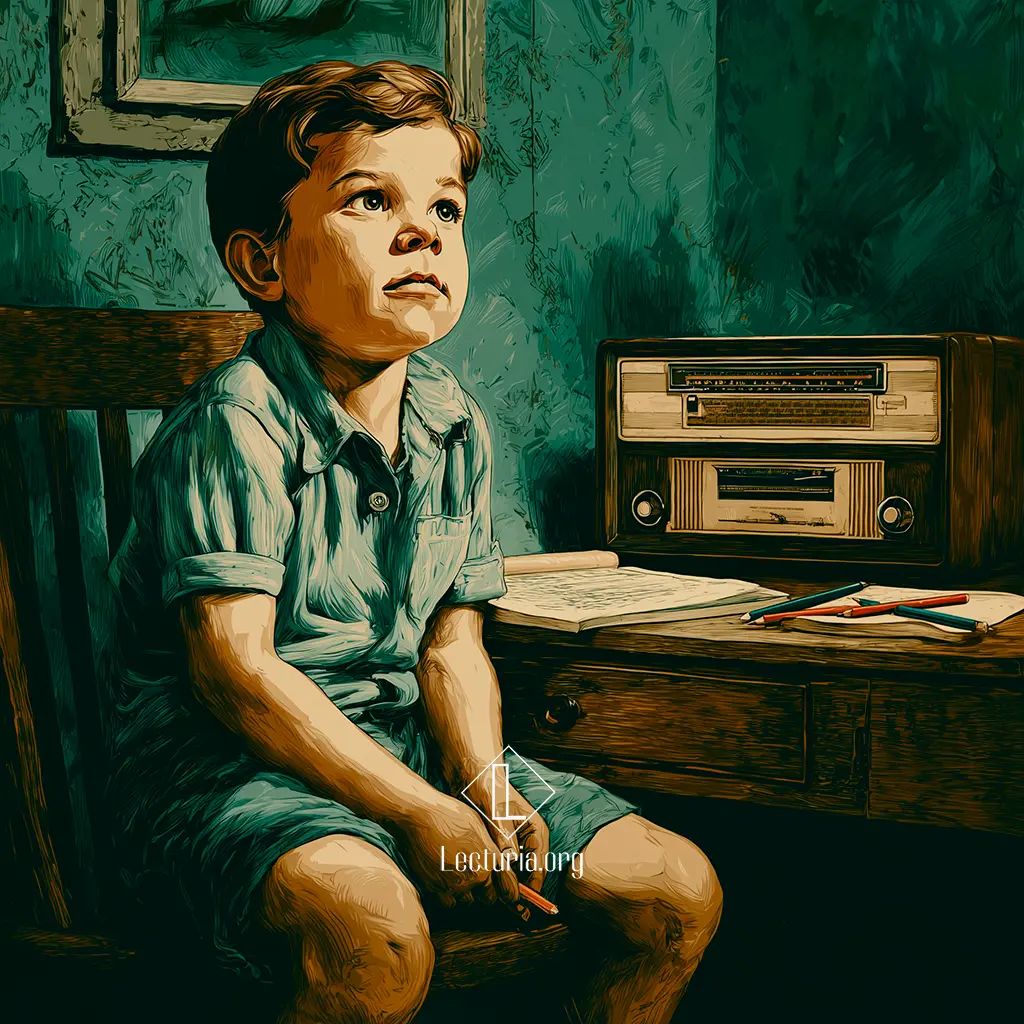
“Jeffty Is Five” is one of Harlan Ellison’s most awarded stories, first published in July 1977 in The Magazine of Fantasy and Science Fiction. The narrative follows a man who recalls his childhood friend, Jeffty, a boy who seems to be anchored in time. As the years go by and the world changes, Jeffty remains unchanged, with the clear gaze and innocent questions of a five-year-old. This strange condition makes Jeffty a living enigma, a unique and fascinating being who defies the laws of physics and logic.

Arthur C. Clarke: Rescue Party

Arthur C. Clarke: Rescue Party

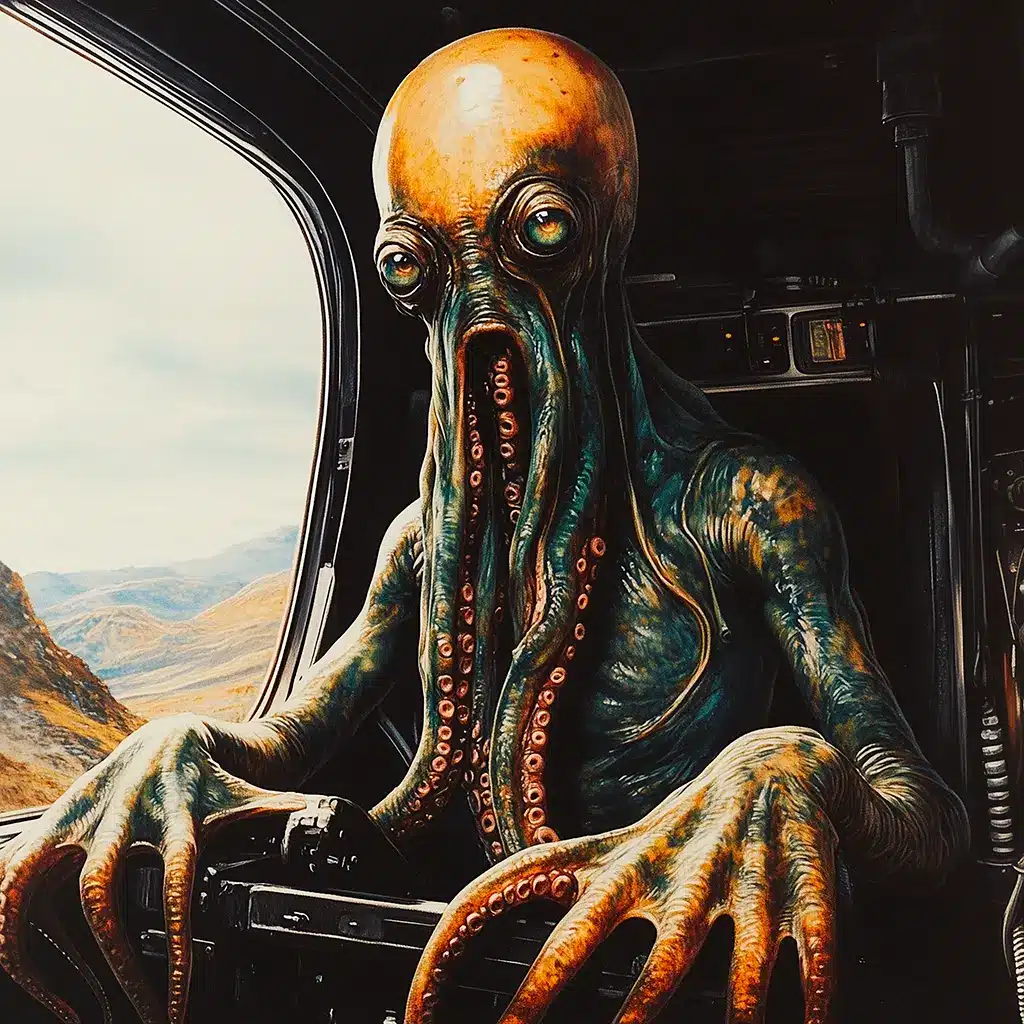
“Rescue Party” is an early science fiction story by Arthur C. Clarke, published in May 1946 in Astounding Science Fiction. An advanced extraterrestrial civilization receives an urgent alert: the sun of a distant system is about to turn into a nova, threatening the life on its third planet. Surprisingly, against all odds, intelligent life has arisen and evolved at great speed on this world. Faced with this critical situation, a rescue ship is dispatched with the mission of saving as many members of the species as possible. However, they face a race against time, as they have only four hours before the star explodes and catastrophe becomes inevitable.

Philip K. Dick: The Eyes Have It

Philip K. Dick: The Eyes Have It

“The Eyes Have It” is a science fiction short story by Philip K. Dick, published in June 1953 in Science Fiction Stories. The narrative follows a man who finds an abandoned book on public transportation. Reading it at home, he believes he has uncovered evidence of a conspiracy in which a race of alien beings, hiding among humans, is stealthily invading Earth. As his paranoia grows, the protagonist grapples with the uncertainty of whether to share what he has discovered or keep it secret.

Arthur C. Clarke: A Walk in the Dark

Arthur C. Clarke: A Walk in the Dark

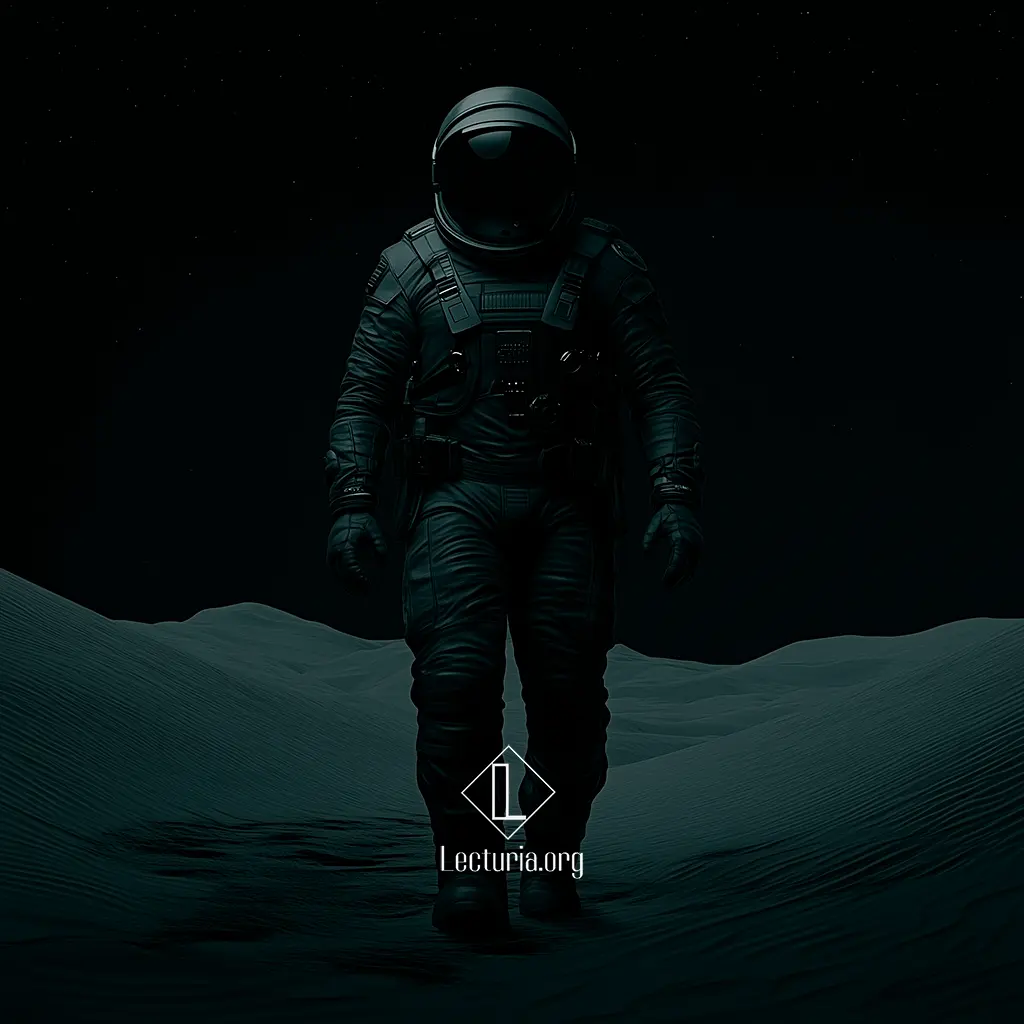
“A Walk in the Dark” is a short story by Arthur C. Clarke, first published in August 1950 in Thrilling Wonder Stories and later included in the anthology Reach for Tomorrow (1956). The story follows Robert Armstrong, a space technician who, after his vehicle breaks down, must walk several kilometers across a remote and inhospitable planet. The path, shrouded in absolute darkness, turns into a harrowing experience when the memory of a local legend about a creature lurking in the night begins to creep into his thoughts, causing logic to give way to suggestion.

Ray Bradbury: The City

Ray Bradbury: The City

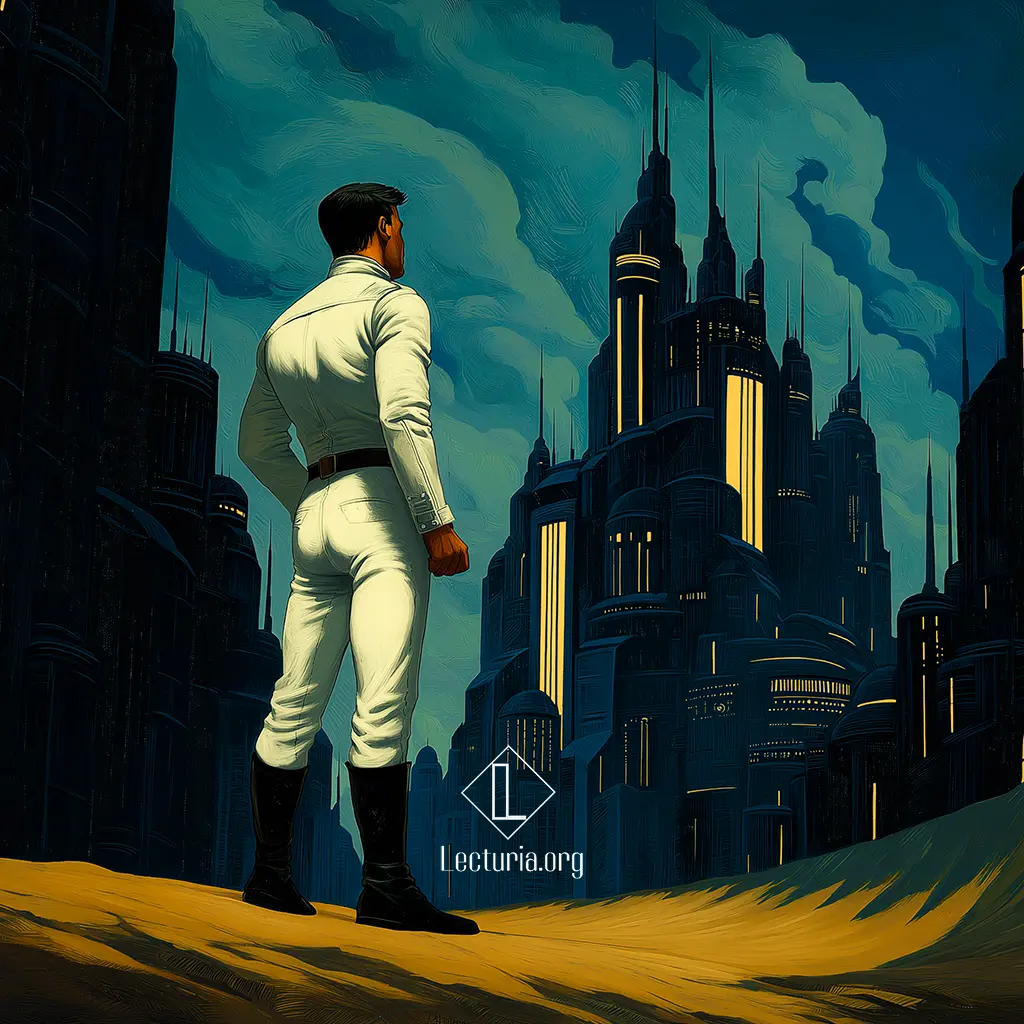
“The City” is a short story by Ray Bradbury, published in July 1950 in Startling Stories and later included in The Illustrated Man (1951). On a distant planet, amid dark towers and empty streets, an ancient city seems immersed in an endless wait. Everything changes when a rocket from Earth lands nearby and a group of explorers ventures into its silent walls, unaware of the mystery surrounding them and the enigma hidden within its structures.

Isaac Asimov: Liar!

Isaac Asimov: Liar!

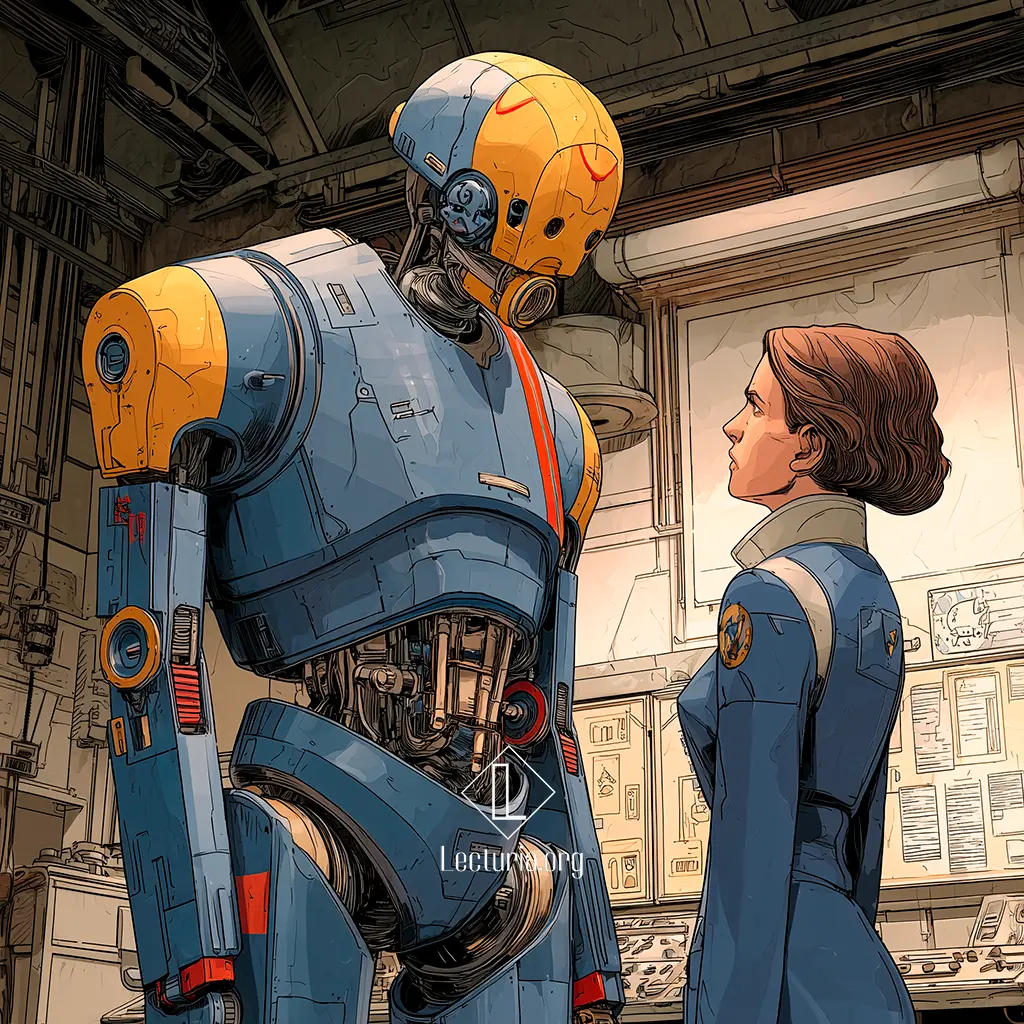
“Liar!” is a short story by Isaac Asimov, published in May 1941 in Astounding Science-Fiction and later included in the book I, Robot (1950). The story introduces the robot RB-34, nicknamed Herbie, who unexpectedly develops the ability to read human minds. This phenomenon unsettles the engineers at U.S. Robots, especially robopsychologist Susan Calvin, who set out to investigate the scope and possible consequences of this faculty. As the team examines the case, Herbie becomes an unprecedented challenge for robotic science and raises questions about privacy and the effects such a power could have on people.