Algernon Blackwood: The Transfer

Algernon Blackwood: The Transfer

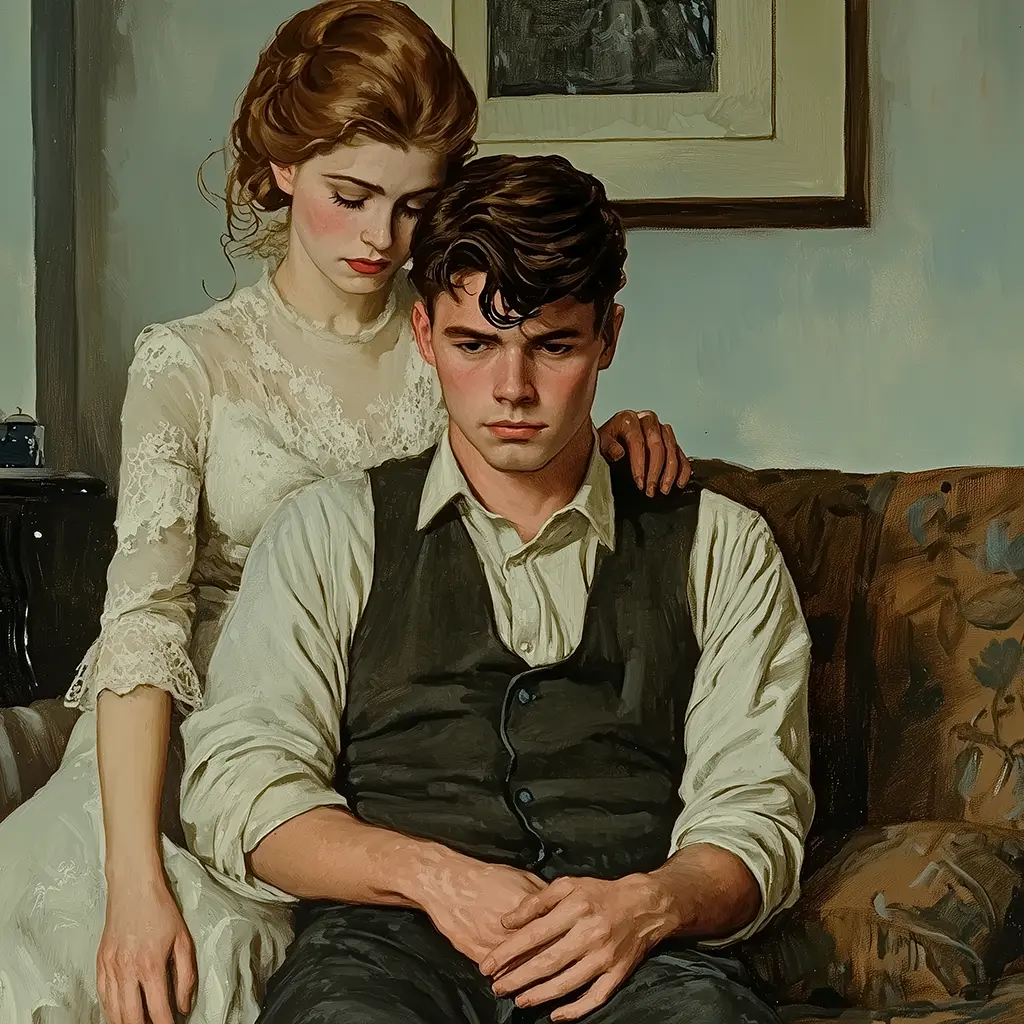
In Algernon Blackwood’s 1911 short story, “The Transfer,” the narrative revolves around a governess endowed with exceptional perceptive abilities who serves in the household of a wealthy family. The woman forms a unique bond with Jamie, one of the children in the household, who is particularly distressed by a visit from his father’s older brother. It appears that Jamie is experiencing a sense of apprehension towards his uncle, a sentiment that is not fully comprehended by the other members of the household, with the exception of the governess. She hypothesises that she is aware of the underlying cause of the child’s apprehension and its potential correlation with an isolated section of the garden, where, intriguingly, the flora exhibits a distinct lack of growth.

Arthur C. Clarke: The Star

Arthur C. Clarke: The Star

“The Star” is a powerful science fiction short story written by Arthur C. Clarke, published in November 1955 in Infinity Science Fiction. The story follows a Jesuit priest and astrophysicist who, on a space mission, discovers the remains of a civilization wiped out by a cosmic catastrophe. This discovery profoundly challenges his faith, leading him to question the beliefs he had always taken for granted. Through this narrative, Clarke explores the tension between science and religion, raising questions about the role of God in the cosmos and human existence. A short but deeply thoughtful story.

Algernon Blackwood: The Empty House

Algernon Blackwood: The Empty House

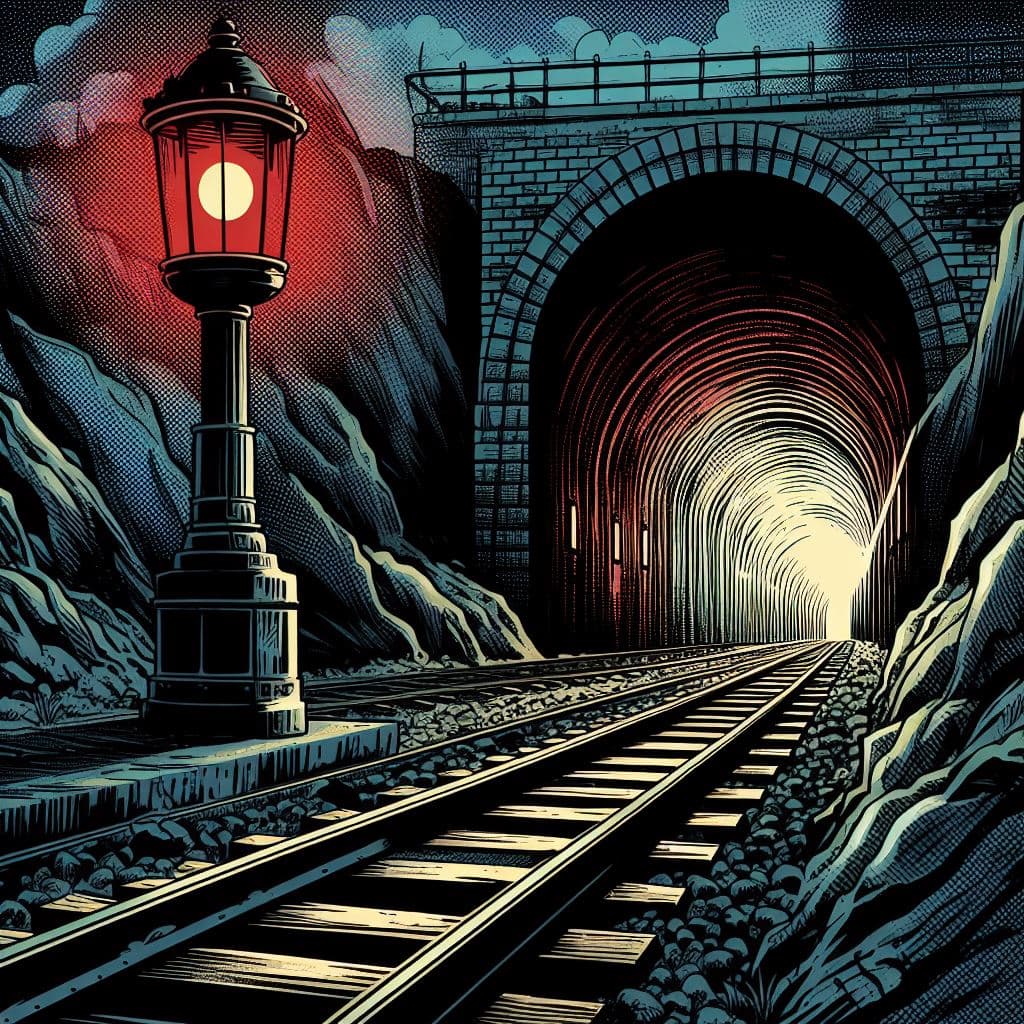
“The Empty House” is a haunting short story by Algernon Blackwood, first published in 1906. The tale delves into the terror emanating from a place that appears harmless yet harbors a dark past. Jim Shorthouse accompanies his aunt Julia—an avid enthusiast of the supernatural—on a nocturnal investigation inside a house rumored to be cursed. Though the dwelling itself seems unremarkable, those who enter it are gripped by an inexplicable dread. As the pair ventures deeper into their exploration, the atmosphere grows increasingly oppressive, and the strange phenomena they encounter not only defy their reason but also threaten to shatter their courage.

Algernon Blackwood: The Doll

Algernon Blackwood - La Muñeca2

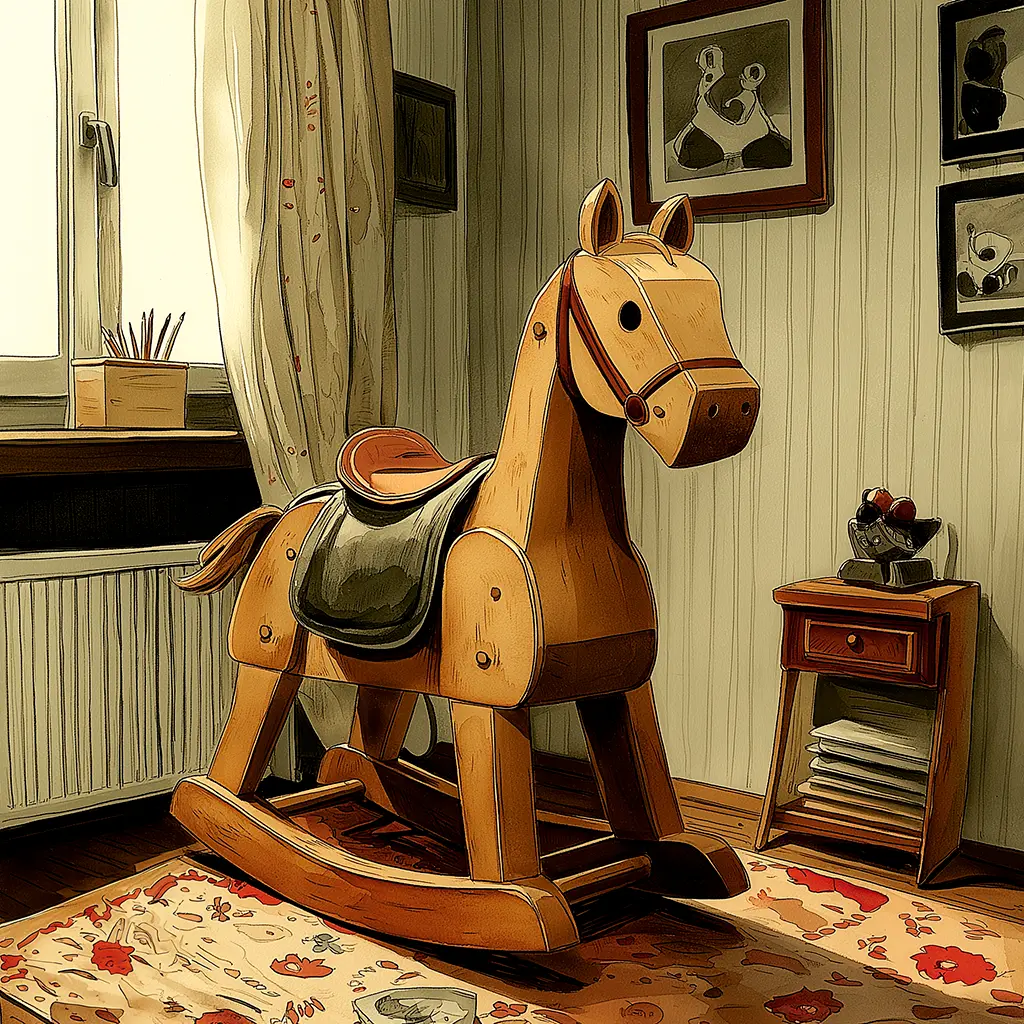
‘The Doll,’ a short story by Algernon Blackwood published in 1946, tells the story of Colonel Hymbers Masters, a retired Indian Army officer. One night, a man brings a package to the Colonel’s house with the express instruction that it is to be delivered only to him. Several days later, the Colonel discovers that the package contains a doll and orders it to be destroyed. The cook, however, disregards the instruction and gives it to Monica, the Colonel’s daughter, who immediately takes a liking to the doll and makes it her companion. From that moment on, mysterious events disrupt life at the Masters’ residence.

Bram Stoker: The Judge’s House. Summary and analysis

Bram Stoker - The Judge’s House. Summary and analysis

In “The Judge’s House” by Bram Stoker, Malcolm Malcolmson, a student seeking solitude to study, rents an old, abandoned mansion in a small town, ignoring local warnings about its dark past. The House once belonged to a notorious judge known for his harshness, and strange occurrences soon disturb Malcolmson’s peace, particularly the eerie presence of rats. As Malcolmson delves deeper into his studies, he is haunted by a giant rat with unsettling, human-like eyes that seem linked to the Judge’s malevolent spirit. Despite his rational outlook, Malcolmson is gradually drawn into the House’s sinister history, culminating in a terrifying confrontation with the ghost of the Judge, leading to his tragic demise.

Saki: The Open Window. Summary and analysis

Saki - The Open Window. Summary and analysis

In The Open Window by Saki, Framton Nuttel, a nervous man seeking rest in the countryside, visits Mrs. Sappleton’s home with a letter of introduction. While waiting, her teenage niece, Vera, tells him a tragic story about how her aunt’s husband and brothers disappeared during a hunting trip and never returned, leading Mrs. Sappleton to leave the window open in hopes of their return. When the supposedly dead hunters unexpectedly appear, Framton panics and flees, believing Vera’s story. After his departure, it is revealed that Vera fabricated the entire tale for her amusement, showcasing her talent for deception and leaving the reader to question the line between reality and fiction.