The Stories of Philip K. Dick

Philip K. Dick color

Explore the best stories by Philip K. Dick, visionary of science fiction. Discover tales about alternate realities, artificial intelligence, and dystopian futures, such as “Foster, You’re Dead” and “We Can Remember It For You Wholesale.” Read his complete stories and immerse yourself in his unique universe.

Ray Bradbury: The Lake

Ray Bradbury: The Lake

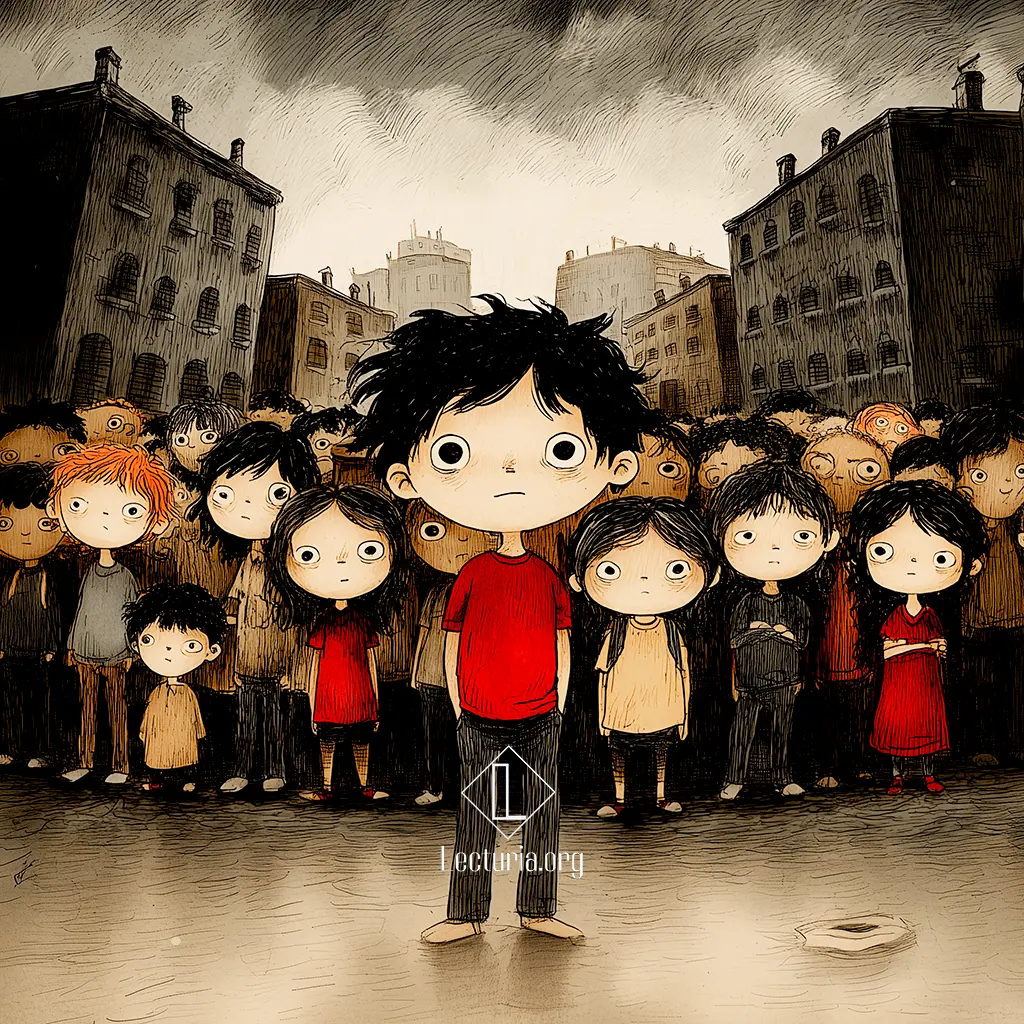
“The Lake” is a short, moving story by Ray Bradbury, published in May 1944 in Weird Tales magazine. The story follows Harold, a boy who makes his last visit to Lake Michigan before moving to the western United States. During that visit, he wanders away from his mother to remember his friend Tally, who disappeared in the lake a year earlier. Years later, Harold, now an adult and married, returns to the place of his childhood with his wife, unaware that fate has an unsettling and revealing experience in store for him.

Isaac Asimov: Exile to Hell

Isaac Asimov: Exile to Hell

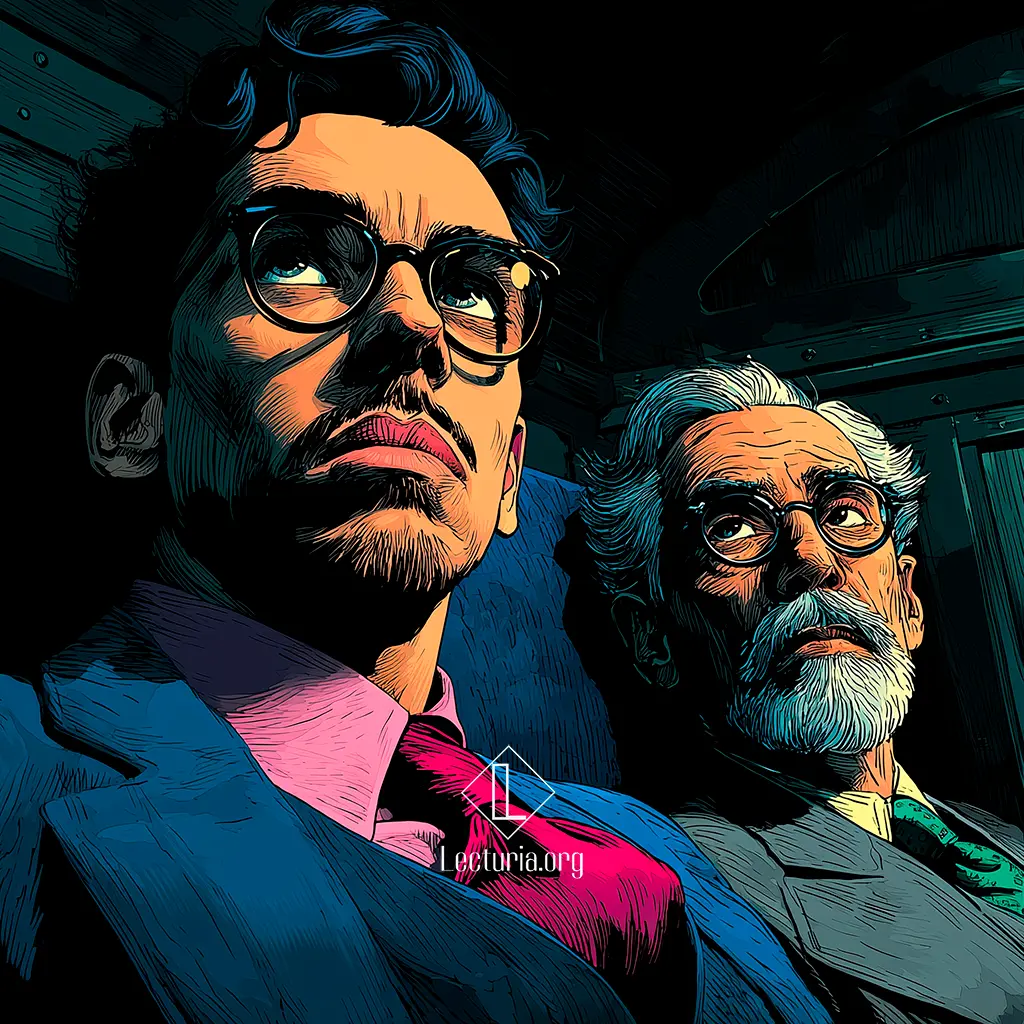
Synopsis: “Exile to Hell” is a short story by Isaac Asimov, published in May 1968 in Analog Science Fiction and Fact magazine. In a society where life depends on a complex technological infrastructure, damaging facilities is an unforgivable crime. While playing a game of chess, two programmers discuss the humanity of the most severe punishment under the law: exile, a relentless punishment that forces the guilty party to leave their familiar surroundings and be sent to an inhospitable place feared by all, where survival is an unbearable burden.

August Derleth: The Drifting Snow

August Derleth: The Drifting Snow

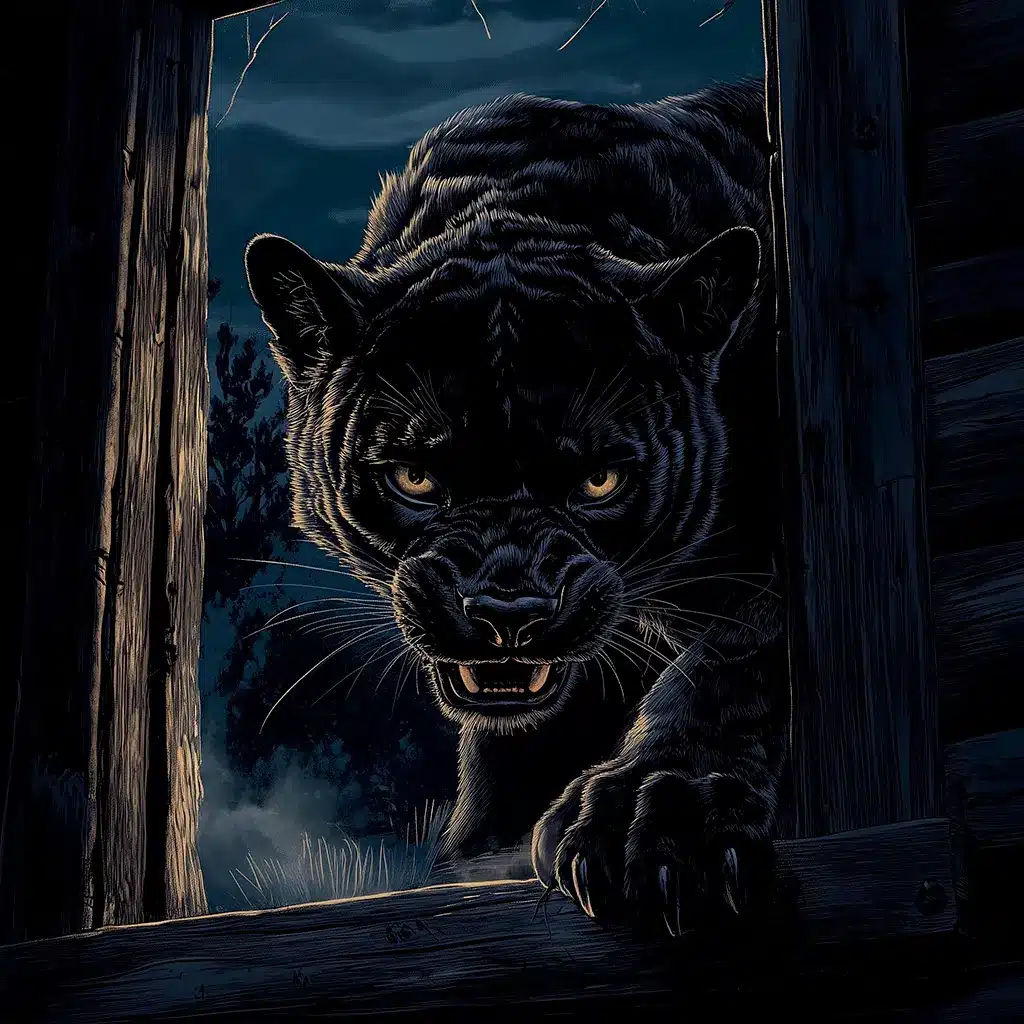
“The Drifting Snow” is a vampire story by August Derleth, published in February 1939 in Weird Tales magazine. The story takes place in an old house in Wisconsin during a winter storm. Clodetta, who has just arrived with her husband, begins to sense an unsettling tension in the family atmosphere, marked by Aunt Mary’s rigid character and her strange prohibition against opening the curtains on the west side of the house after sunset. The mysterious rules imposed by the old woman make sense when Clodetta thinks she sees a figure in the snow.

Nathaniel Hawthorne: Earth’s Holocaust. Summary and analysis

Nathaniel Hawthorne: Earth's Holocaust. Summary and analysis

In Earth’s Holocaust, Nathaniel Hawthorne presents an allegory in which humanity, determined to free itself from all the evils of the past, organizes a gigantic bonfire in a meadow to burn symbols of power, customs, institutions, and cultural objects. Noble titles, crowns, weapons, alcoholic beverages, books, money, instruments of execution, and even religious objects are destroyed in a radical attempt at social purification. Throughout the event, an anonymous narrator observes with growing unease how, in its eagerness for renewal, humanity also seems to be losing its spiritual and cultural roots. In the end, after even burning the Bible, a sinister figure reveals that it has all been in vain, for the true source of evil—the human heart—remains intact. The story concludes with the reflection that until the inner nature of human beings is transformed, all attempts at external reform are doomed to repeat past mistakes.

Nathaniel Hawthorne: Earth’s Holocaust

Nathaniel Hawthorne: Earth’s Holocaust

“Earth’s Holocaust” is an allegorical short story by Nathaniel Hawthorne, published in May 1844 in Graham’s Magazine and collected in Mosses from an Old Manse (1846). The story begins with the organization of a huge bonfire, where crowds from all over the world gather to destroy ancient symbols of power, prestige, and tradition. In a reformist fervor seeking the moral regeneration of humanity, material objects, and entire institutions are thrown into the fire: noble titles, royal emblems, weapons, beverages, books, and even religious symbols. However, something essential remains intact, hidden from the power of the flames.