Silvina Ocampo: The House Made of Sugar
Silvina Ocampo: The House Made of Sugar

“The House Made of Sugar” (La casa de azúcar) is a short story by Silvina Ocampo published in 1959 in the collection La furia. It tells the story of a newlywed couple who move into a house that appears to be new. The woman, Cristina, is deeply superstitious and phobic, which significantly influences her daily life. Her husband, trying to appease these obsessions, hides the true history of the house from her. As they settle in, unusual events begin to occur that gradually alter the dynamics of their relationship and their perception of their surroundings.
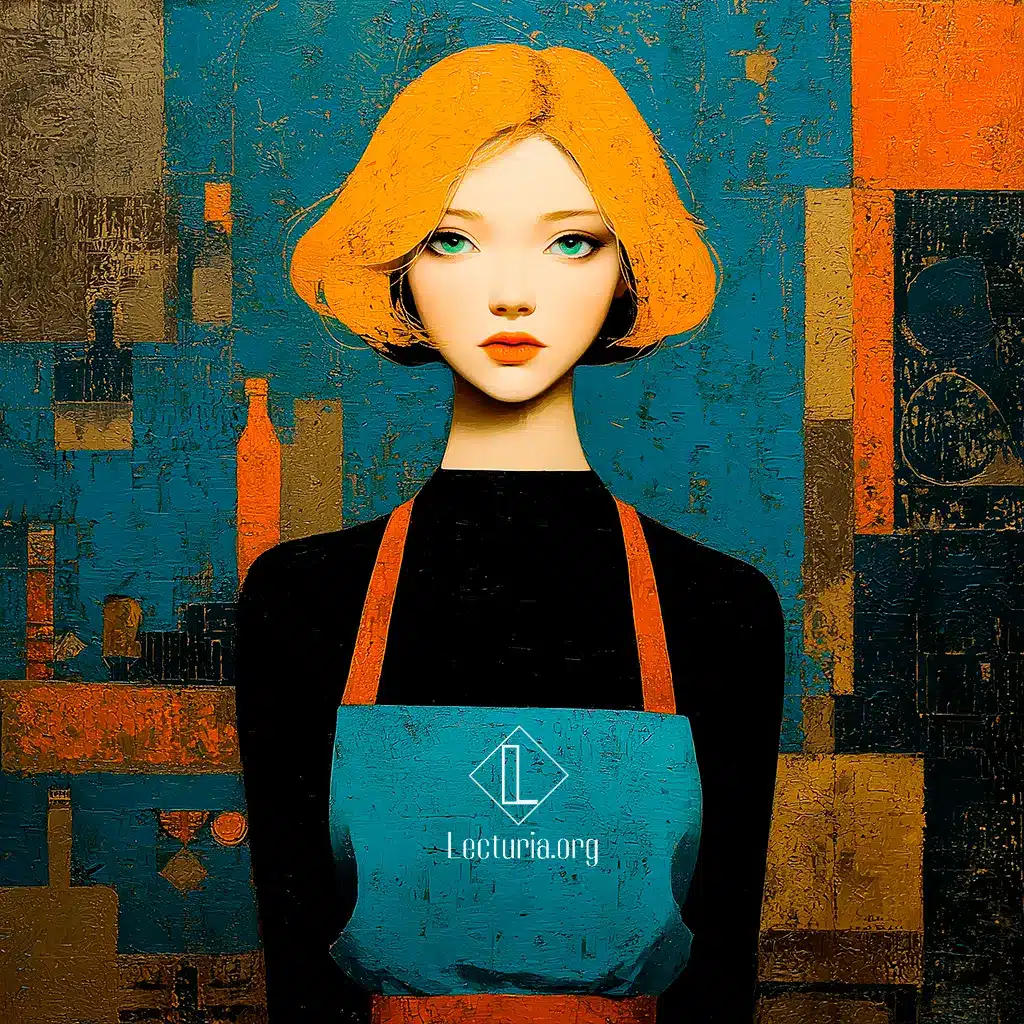
Julio Cortázar: Circe

Julio Cortázar - Circe

“Circe” is a short story by Julio Cortázar, published in 1951 as part of the Bestiario collection. Dark rumors surround Delia Mañara, a young woman marked by the tragic deaths of her two former boyfriends. Mario, a neighbor in the neighborhood, decides to defend her from the gossip and begins to visit her, gradually entering the secretive world of the Mañaras. There, Delia attracts him with her unique culinary skills and domestic rituals, while the young man tries to unravel the enigma of a woman who seems to exert a disturbing influence on everything around her.

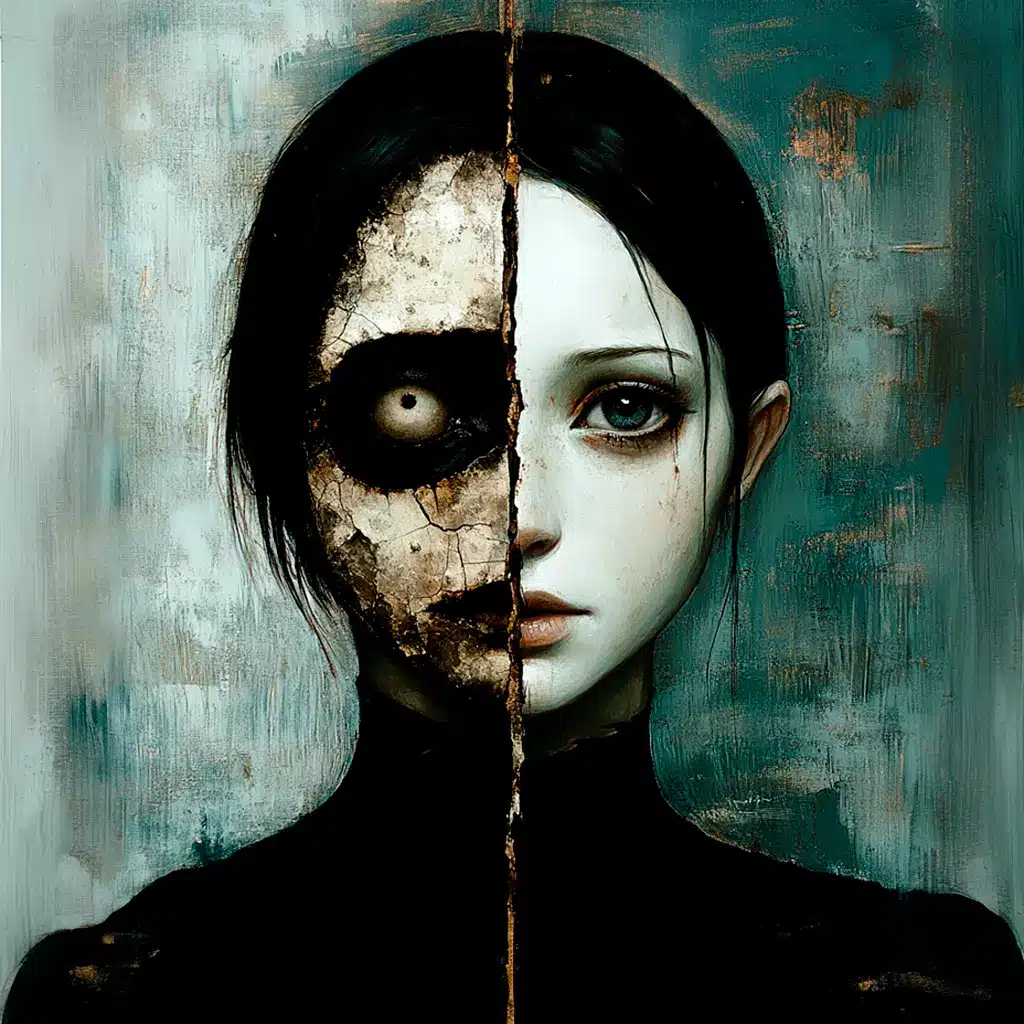
Edgar Allan Poe: Morella

Edgar Allan Poe - Morella3

“Morella” is a short story by Edgar Allan Poe, published in April 1835 in the Southern Literary Messenger. A man marries Morella, a woman of great erudition and a marked inclination toward metaphysics and mystical knowledge. Although he initially feels deeply attached to her, over time he experiences a growing detachment and an inexplicable aversion toward his wife, a feeling that intensifies as she languishes and her presence becomes increasingly disturbing.

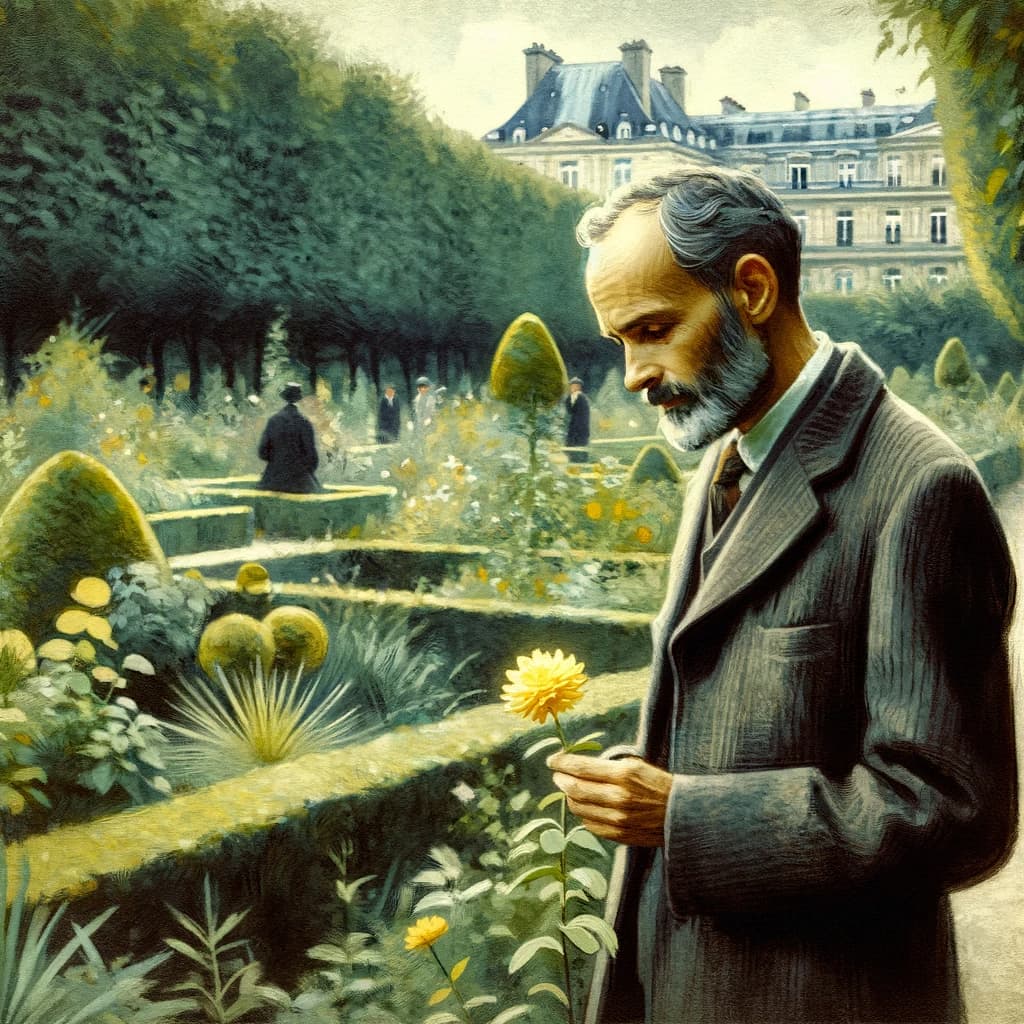
Julio Cortázar: A Yellow Flower

Julio Cortázar: A Yellow Flower

“A Yellow Flower” is a short story by Julio Cortázar, published in 1956 in the collection Final del juego. In a Paris bistro, a drunken man claims to have made an extraordinary discovery: we are immortal. As he tells it, the revelation came to him on a bus, when he recognized in a thirteen-year-old boy named Luc an exact replica of himself at that age—the same face, the same gestures, the same shyness, the same voice. Determined to investigate, he insinuates himself into the boy’s life: he visits his home and meets his family. As he learns more about Luc’s story, he finds astonishing parallels between their two lives, as though existence were repeating itself in endless cycles.

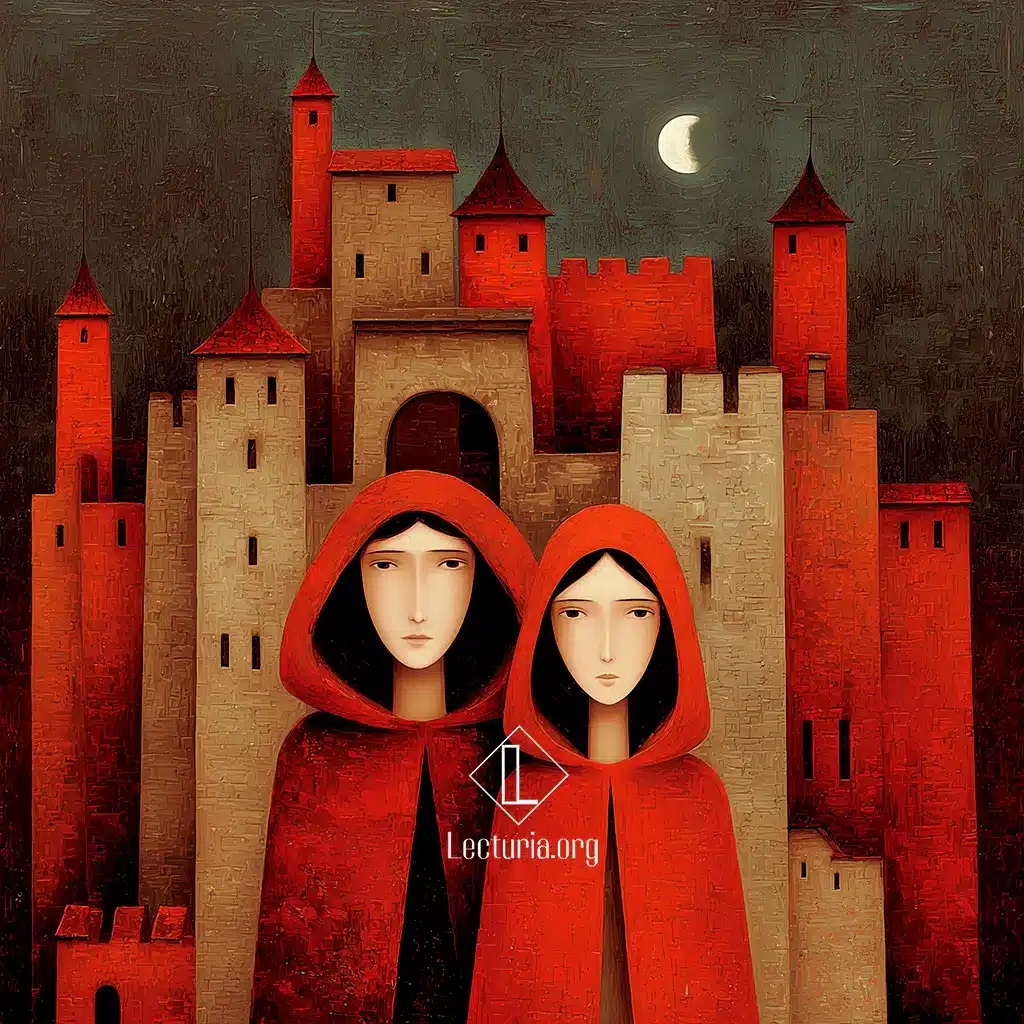
Mary Shelley: The Pilgrims

Mary Shelley: The Pilgrims

“The Pilgrims” is a short story by Mary Shelley, published in 1837 in The Keepsake and later included in the collection Tales and Stories (1891). Burkhardt of Unspunnen, a lonely old knight, lives tormented by painful memories. One night, two young pilgrims arrive at his castle seeking shelter, and he welcomes them generously. The strangers, moved by their host’s obvious distress, beg him to share the reason for his sorrow. Burkhardt then recounts the story of an irreparable loss and devastating regret that consumes his existence.

Poul Anderson: Quixote and the Windmill

Poul Anderson: Quixote and the Windmill

“Quixote and the Windmill” is a short story by Poul Anderson, published in November 1950 in Astounding Science Fiction. In the future, Earth has achieved full automation: production is almost entirely automatic, machines perform all routine tasks, and human beings live surrounded by comfort, leisure, and abundance. The workday is minimal, basic needs are met, and people can devote their time to creativity and recreation. In this world of technological utopia, two men drink in a bar as they drown their frustration over a world that seems no longer to need them.