Lafcadio Hearn: The Boy Who Drew Cats

Lafcadio Hearn - El niño que dibujaba gatos

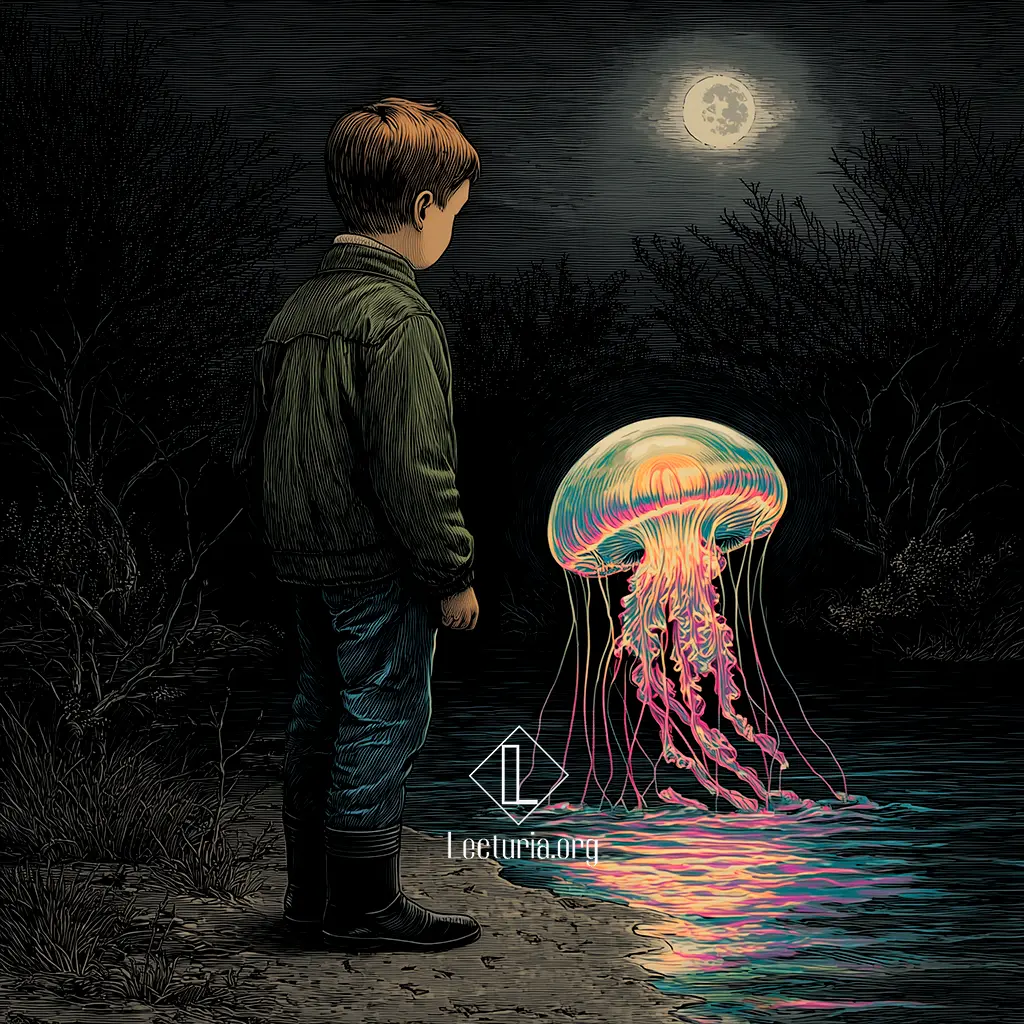
“The Boy Who Drew Cats” is a tale by Lafcadio Hearn, published in 1898 as number 23 in Hasegawa Takejirō’s Japanese Fairy Tale Series. It tells the story of a Japanese boy, the youngest in a farming family, who is sent to a temple to be trained as a priest. Despite his intelligence, he has an irresistible obsession: drawing cats everywhere. His master expels him from the temple with a cryptic warning: “Avoid large places at night;—keep to small!” Without fully understanding these words, the boy sets out on a journey to another temple in search of a new opportunity.


Saki: The Hounds of Fate

Saki: The Hounds of Fate

In “The Hounds of Fate,” a short story by Saki first published in 1911 in The Chronicles of Clovis, Martin Stoner, a man worn down by despair and exhaustion, wanders aimlessly along a muddy path, believing he is headed toward the sea. The rain drives him to seek shelter in an old manor, where he is received by an elderly man who mistakes him for Tom, the long-absent heir of the house’s mistress, gone for four years. Taking advantage of the misunderstanding, Stoner settles into the manor and enjoys its hospitality. However, he soon discovers that behind the identity he has assumed lies a dark secret whose consequences threaten to overtake him.

Arthur Machen: The Shining Pyramid

Arthur Machen: The Shining Pyramid

“The Shining Pyramid” is a short story by Arthur Machen, first published in May 1895 in The Unknown World. Mr. Vaughan visits his friend Dyson in London to ask for help with a disturbing mystery: near his country house, strange designs have appeared, made with prehistoric arrowheads that rearrange themselves each night to form enigmatic figures. Vaughan fears they may be signals left by thieves interested in his valuable collection of ancient silver. Intrigued by these inexplicable symbols, Dyson decides to accompany Vaughan to his remote property in the Welsh hills to investigate the phenomena and discover who—or what—is creating them.

Roald Dahl: Taste

Roald Dahl: Taste

“Gastrónomos” (Taste) is a clever and surprising short story by Roald Dahl, first published in The New Yorker in 1951. The tale unfolds during an elegant dinner at the home of Mike Schofield, a wealthy stockbroker who has invited Richard Pratt, a celebrated gourmet and the chairman of an exclusive gastronomic society. As is customary at their gatherings, Schofield challenges Pratt to identify a rare wine, convinced that his guest will fail to name the vineyard of origin. However, what begins as a trivial wager soon turns into a dangerous game when Pratt suggests they stake something far more valuable than money: the hand of Schofield’s daughter, Louise.

Gordon R. Dickson: The Christmas Present

Gordon R. Dickson: The Christmas Present

“The Christmas Present” is a short story by Gordon R. Dickson, published in January 1958 in The Magazine of Fantasy and Science Fiction. Allan Dumay, a six-year-old human child living with his family on the planet Cidor, befriends Harvey, a Cidorian being who dwells in the marsh near his home. On Christmas Eve, Allan and his mother try to explain to Harvey the meaning of this holiday imported from Earth. While mother and son wrap presents, the boy decides to make a special gesture toward his alien friend.

F. Marion Crawford: The Dead Smile

F. Marion Crawford: The Dead Smile

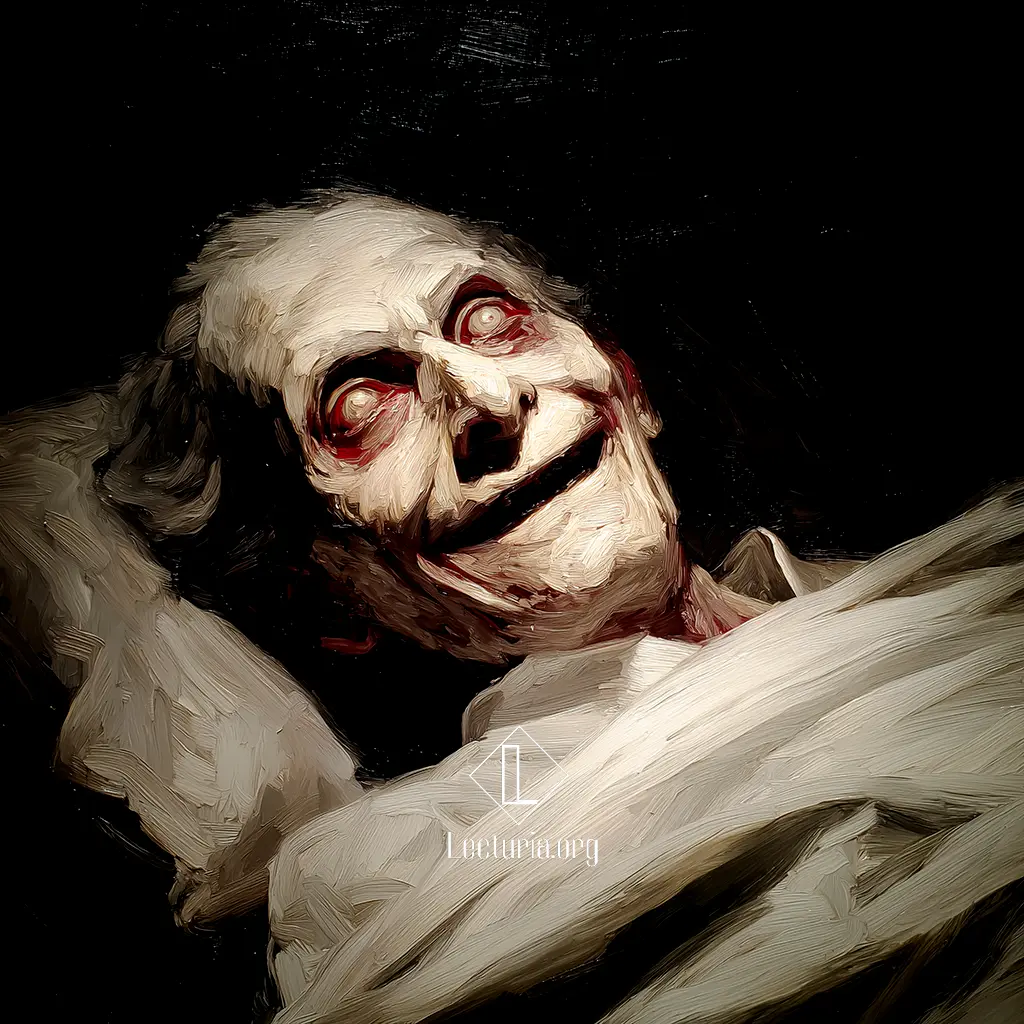
“The Dead Smile” is a short story by F. Marion Crawford, first published in August 1899 in Ainslee’s Magazine and later included in the collection Uncanny Tales (1911). Set in an old Irish mansion, it unfolds the unsettling tale of the Ockrams, a family burdened by a cursed inheritance. Before his death, Sir Hugh—an old man both cruel and merciless—utters cryptic warnings to his son Gabriel and to his niece Evelyn, who intend to marry. Yet he takes his secret to the grave. From that moment on, the young couple’s happiness is overshadowed by a growing threat and an insistent summons that seems to rise from the family crypt itself.