M. R. James: Lost Hearts

M. R. James: Lost Hearts

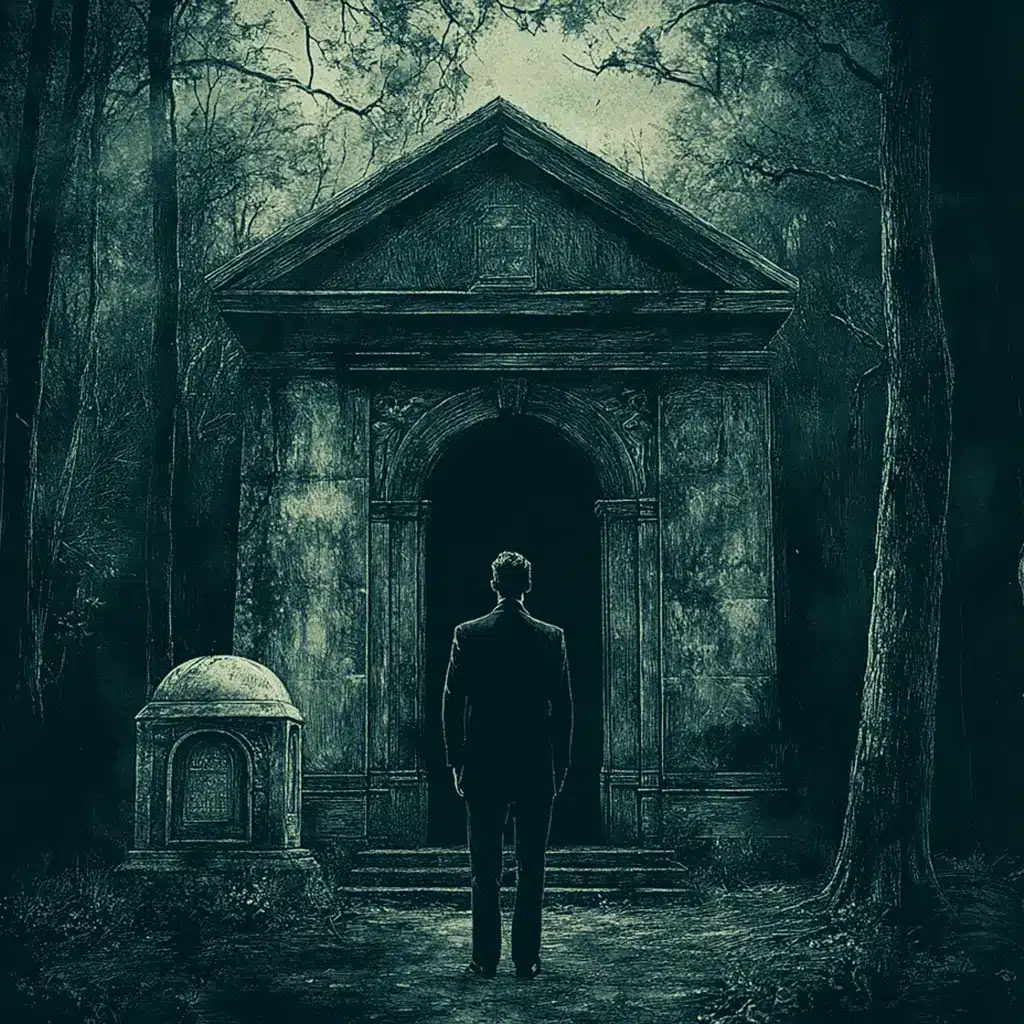
“Lost Hearts” is a gothic tale written by Montague Rhodes James (M. R. James), first published in The Pall Mall Magazine in 1895. The story follows Stephen Elliot, an orphaned boy who arrives at Aswarby Hall, the mansion of his enigmatic distant cousin, Mr. Abney. This solitary scholar, fascinated by ancient religions and esoteric practices, invites the boy to live in his austere residence in Lincolnshire. As Stephen adjusts to his new home, he grows increasingly intrigued by the mysterious atmosphere of the house and the strange sculptures and books that decorate it. Through conversations with the kind housekeeper, Mrs. Bunch, he uncovers unsettling stories about the mansion and begins to suspect that his cousin’s true intentions may be far darker than they seem.

Arthur C. Clarke: Rescue Party

Arthur C. Clarke: Rescue Party

“Rescue Party” is an early science fiction story by Arthur C. Clarke, published in May 1946 in Astounding Science Fiction. An advanced extraterrestrial civilization receives an urgent alert: the sun of a distant system is about to turn into a nova, threatening the life on its third planet. Surprisingly, against all odds, intelligent life has arisen and evolved at great speed on this world. Faced with this critical situation, a rescue ship is dispatched with the mission of saving as many members of the species as possible. However, they face a race against time, as they have only four hours before the star explodes and catastrophe becomes inevitable.

J. G. Ballard: The Lost Leonardo

J. G. Ballard: The Lost Leonardo

“The Lost Leonardo” is a suspense and intrigue story by J. G. Ballard, first published in 1964 in The Magazine of Fantasy and Science Fiction. Leonardo da Vinci’s priceless painting The Crucifixion mysteriously vanishes from the Louvre, shocking both the art world and the general public. The director of the prestigious Northeby auction house travels to Paris to join Georg de Stael in investigating the unusual theft. Together, they plunge into a labyrinth of clues and enigmas that defy logic and test their knowledge of art and history. As they uncover strange connections between masterpieces and ancient mysteries, they realize that this case is far more complex than it first appeared.

Philip K. Dick: The Eyes Have It

Philip K. Dick: The Eyes Have It

“The Eyes Have It” is a science fiction short story by Philip K. Dick, published in June 1953 in Science Fiction Stories. The narrative follows a man who finds an abandoned book on public transportation. Reading it at home, he believes he has uncovered evidence of a conspiracy in which a race of alien beings, hiding among humans, is stealthily invading Earth. As his paranoia grows, the protagonist grapples with the uncertainty of whether to share what he has discovered or keep it secret.

Raymond Carver: Errand

Raymond Carver: Errand

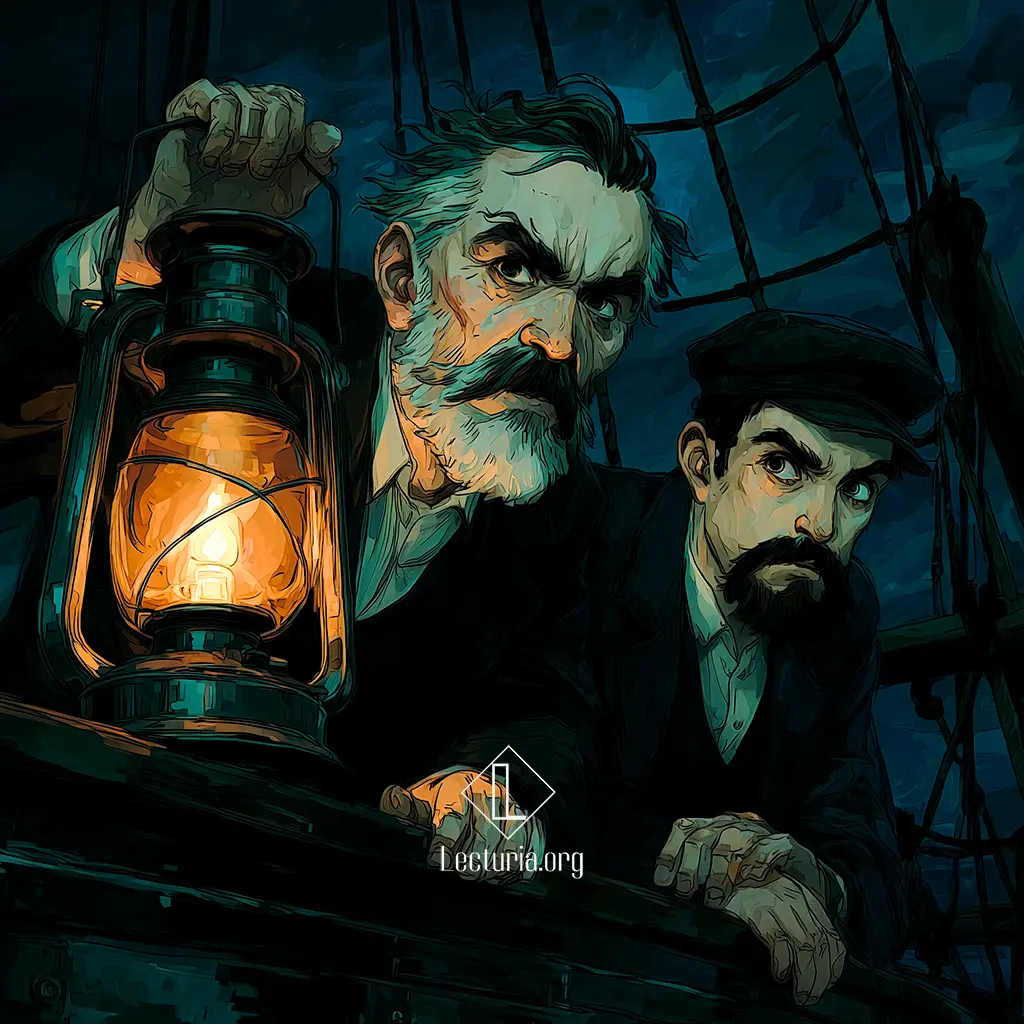
“Errand” (“Tres rosas amarillas”) is a short story by Raymond Carver, published in The New Yorker on June 1, 1987, and later included in the book Where I’m Calling From (1988). With a sober and deeply emotional prose, Carver reconstructs the final stretch of Anton Chekhov’s life, from a dinner in Moscow to his death at a German spa, consumed by tuberculosis. Unfolding with delicate attention to every gesture and detail, the story becomes a lucid and profoundly human meditation on dignity in the face of death. Paradoxically, it was also Carver’s own farewell, as he would die shortly after its publication.

Arthur C. Clarke: A Walk in the Dark

Arthur C. Clarke: A Walk in the Dark

“A Walk in the Dark” is a short story by Arthur C. Clarke, first published in August 1950 in Thrilling Wonder Stories and later included in the anthology Reach for Tomorrow (1956). The story follows Robert Armstrong, a space technician who, after his vehicle breaks down, must walk several kilometers across a remote and inhospitable planet. The path, shrouded in absolute darkness, turns into a harrowing experience when the memory of a local legend about a creature lurking in the night begins to creep into his thoughts, causing logic to give way to suggestion.