Robert A. Heinlein: Life-Line
Robert A. Heinlein - La línea de la vida

Life-Line is a short story by Robert A. Heinlein, published in August 1939 in Astounding Science-Fiction. It tells the story of the eccentric Dr. Hugo Pinero, who claims to have developed a scientific method for accurately predicting any person’s death date. Faced with the disbelief and contempt of the scientific community, Pinero challenges his critics with demonstrations that shake the confidence of his detractors. As the controversy grows, his discovery threatens to disrupt the social order and generate intense reactions among those who see his invention as dangerous.

Julio Cortázar: House Taken Over

Julio Cortázar: House Taken Over

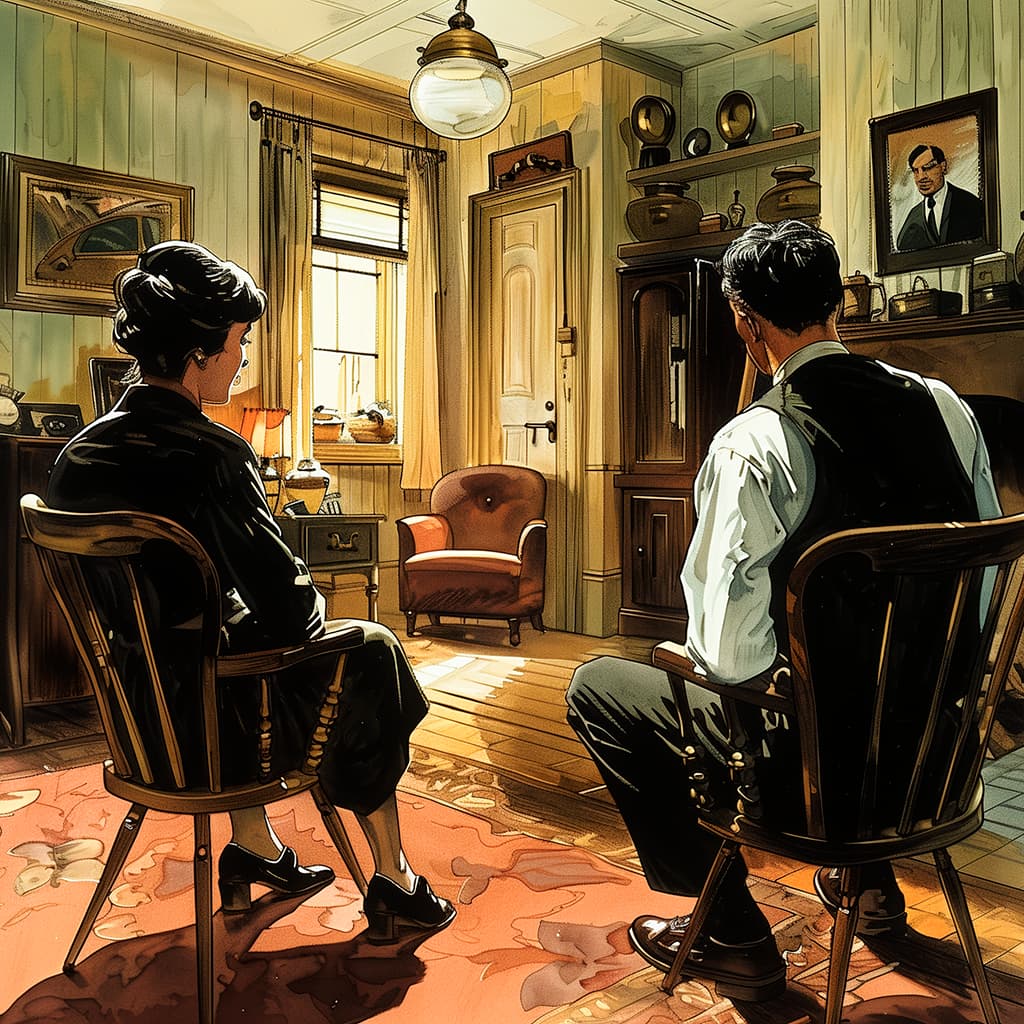
In “House Taken Over” by Julio Cortázar, Irene and her brother live in an old, spacious house inherited from their ancestors. The house, full of family memories, is meticulously cared for by both, who lead a routine and quiet life. Irene spends her days knitting while her brother takes care of the housework. One day, strange noises begin to be heard from the farthest part of the house, forcing the siblings to leave certain rooms. The sounds intensify, and the siblings are forced to confine themselves to a smaller section of the house, living in a state of growing unease.

Nathaniel Hawthorne: Rappaccini’s Daughter

Nathaniel Hawthorne: Rappaccini’s Daughter

Rappaccini’s Daughter, a gothic tale by Nathaniel Hawthorne, tells the story of Giovanni Guasconti, a young student who arrives in Padua and settles in a modest room overlooking a mysterious garden. This garden belongs to Dr. Rapaccini, a scientist renowned for experimenting with poisonous plants. Giovanni soon becomes fascinated by Beatrice, the doctor’s beautiful daughter, who seems to live in symbiosis with the garden’s strange plants. As Giovanni approaches Beatrice, he discovers that her beauty hides a deadly danger.

Isaac Asimov: Trends

Isaac Asimov: Trends

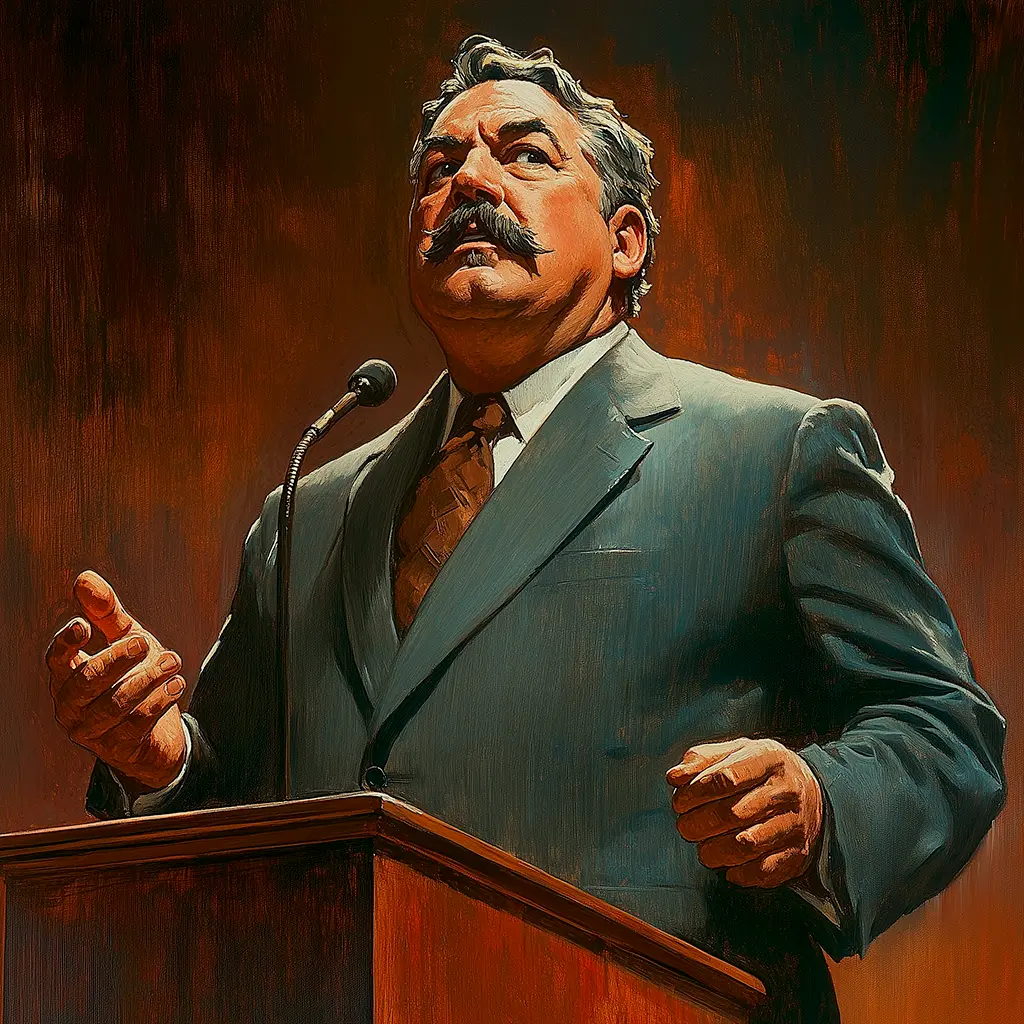
Trends is a short story by Isaac Asimov, published in July 1939 in Astounding Science-Fiction. Set in a future where religious fundamentalism is on the rise and scientific progress is viewed with suspicion, it tells the story of John Harman, an engineer who defies social and religious opposition to make the first space flight. As the day of the launch approaches, public pressure intensifies, and the threats against his life increase. With unwavering determination, Harman faces the rejection of a world fearful of change, while his enemies claim that his project is a sacrilege that defies divine design.

Gabriel García Márquez: Someone Has Been Disarranging These Roses

Gabriel García Márquez: Someone Has Been Disarranging These Roses

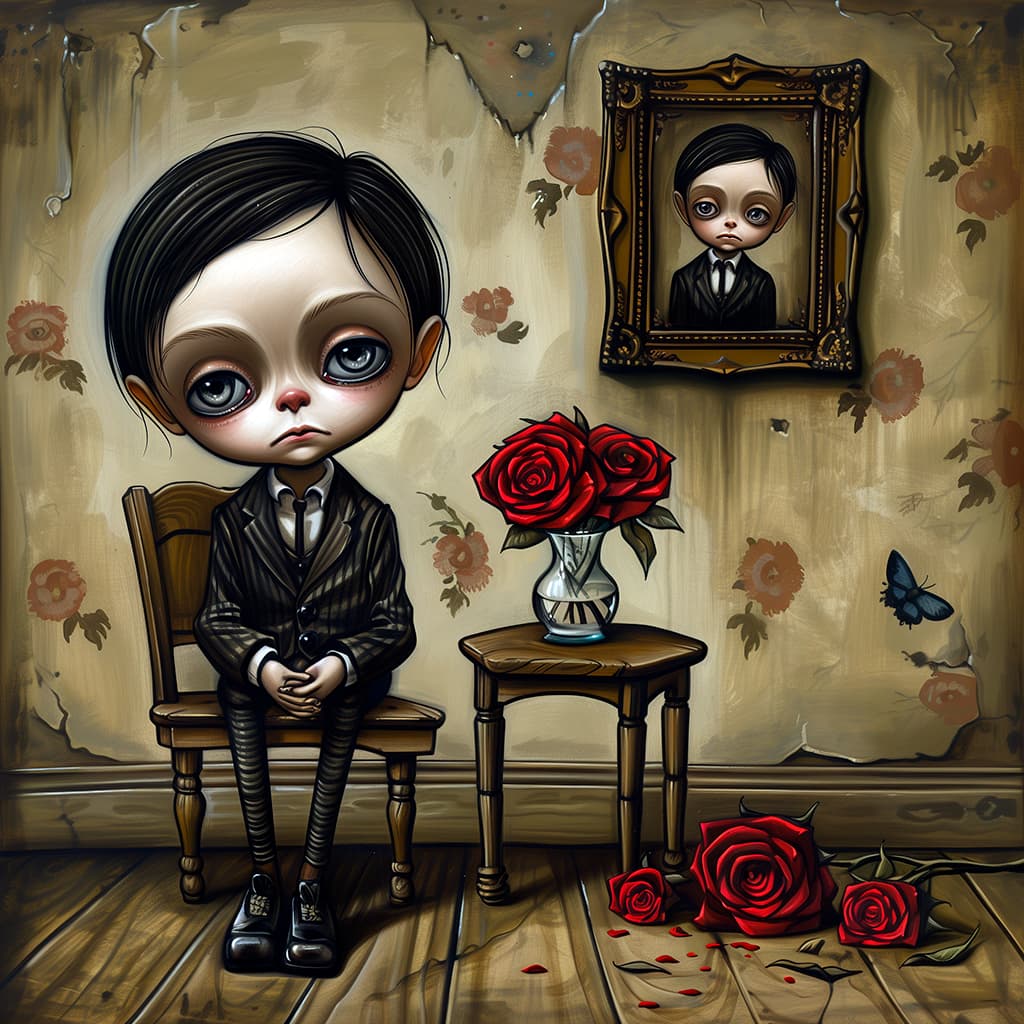
“Someone is messing with these roses” is a short story by Gabriel García Márquez, published in 1952 in Crónica and compiled in Ojos de perro azul (1974). It tells the story of a child’s spirit who tries every Sunday to pick roses to take to his grave. The flowers are grown by a devout woman who lives in the old house where he once lived. Through his silent observations, the intimate bond that unites them is revealed in a story filled with melancholy and a surreal atmosphere.

Guy de Maupassant: The Apparition

Guy de Maupassant: The Apparition

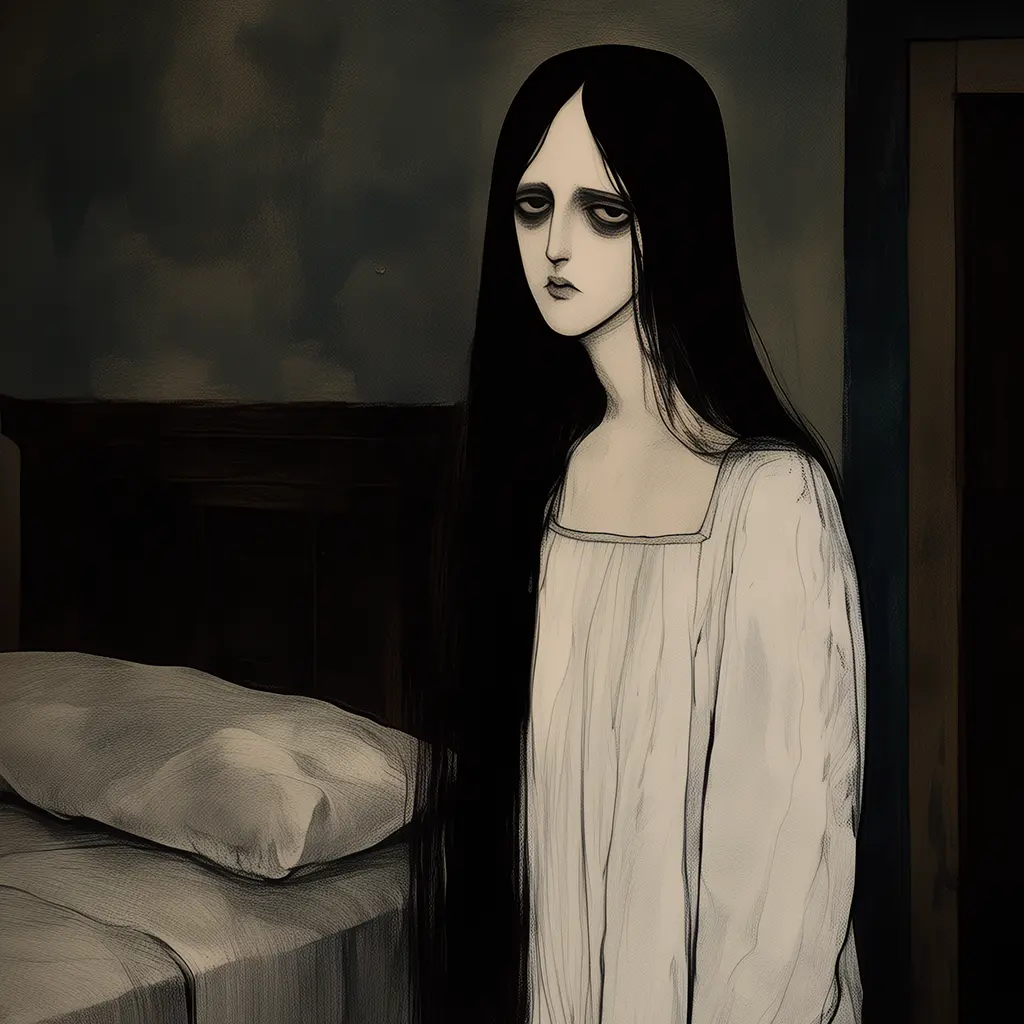
The Apparition is a short story by Guy de Maupassant, published in Le Gaulois on April 4, 1883. It tells the disturbing experience of an elderly marquis who, at a social gathering, decides to share an event that has tormented him for more than fifty years. In his youth, an old friend asks him to retrieve some documents from his former home. On arrival, the marquis finds an atmosphere of abandonment and a gloomy environment that will be the setting for a terrifying experience that will leave an indelible mark of fear.