Murray Leinster: Sidewise in Time
Murray Leinster - Al margen del tiempo

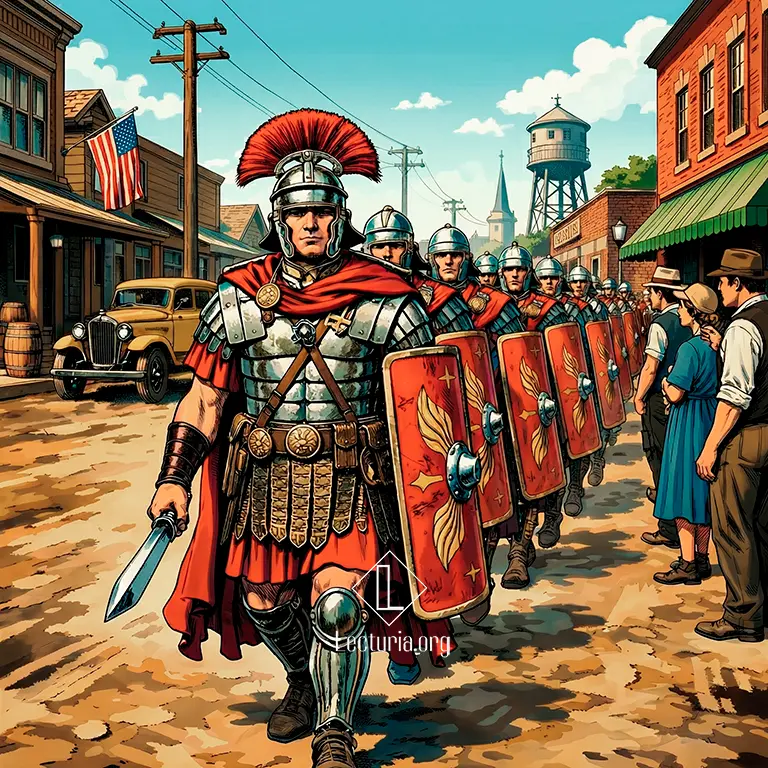
“Sidewise in Time” is a short story by American writer Murray Leinster, published in June 1934 in the magazine Astounding Stories. A series of inexplicable phenomena rocks the Earth until, one day, reality begins to fracture: ancient forests spring up out of nowhere, dinosaurs emerge from a farmyard, Roman legions march through the streets of Missouri, and Viking ships raid the coasts of New England. While the world reacts in astonishment, a single man seems to understand what is happening: Professor Minott, a mathematician at a small university in Virginia, who has been secretly preparing for months for a cataclysm that threatens not only humanity, but also space and time as we conceive them.

Julio Cortázar: Letter to a Young Lady in Paris

Julio Cortázar: Letter to a Young Lady in Paris

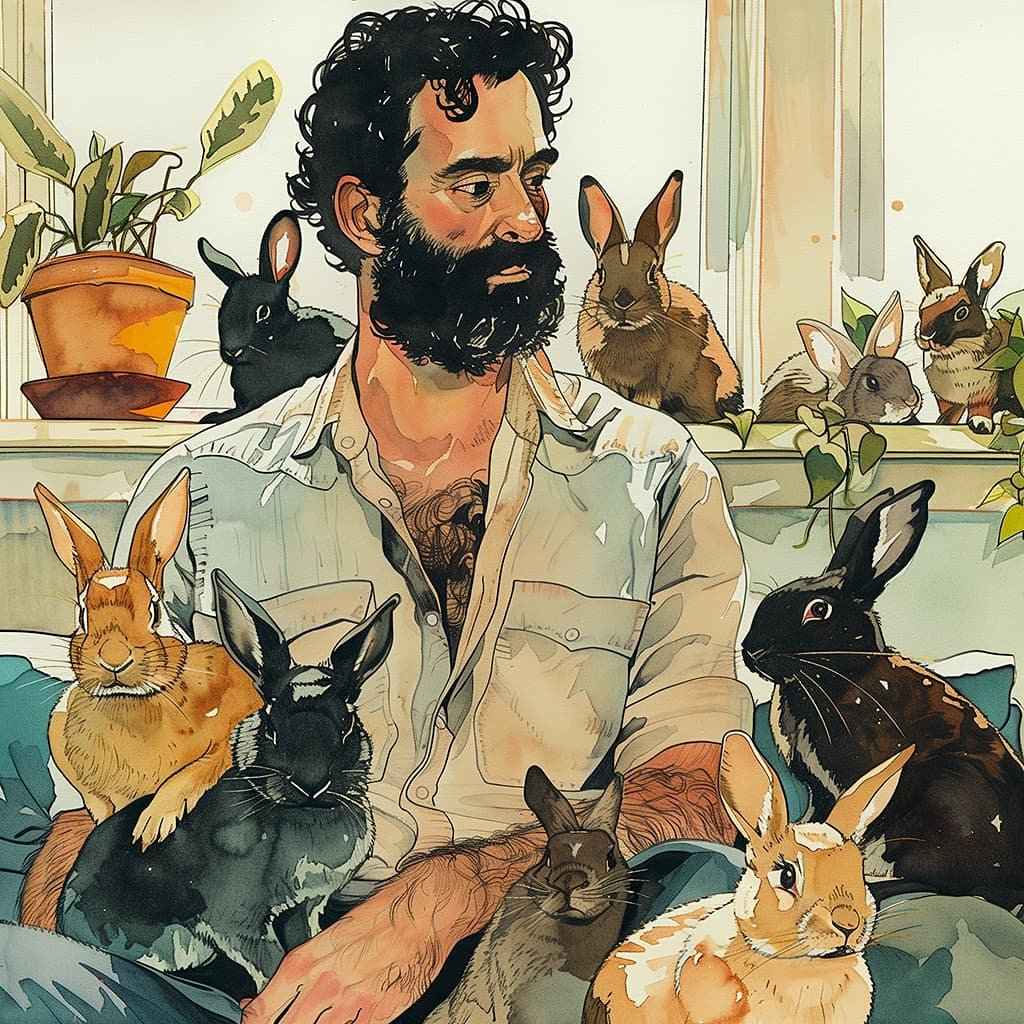
“Letter to a Young Lady in Paris” (Carta a una señorita en París) is a short story by Julio Cortázar that appeared in the book Bestiario (1951). It is narrated in the first person and recounts the experience of a man who has an unusual secret: from time to time, he vomits live baby rabbits. The story is set in Buenos Aires, in the apartment of a woman named Andrée, while she is in Paris. The man writes her a letter telling Andrée about his strange condition and how it has intensified lately to the point of becoming uncontrollable, causing chaos that contrasts with the order that reigned in the apartment before he moved in.

Alphonse Daudet: Aged Folk

Alphonse Daudet - Los viejos

“Aged Folk” (Les vieux) is a short story by the French writer Alphonse Daudet, published in Le Figaro on October 23, 1868, and later included in the collection Lettres de mon moulin (1869). A miller from Provence receives a letter from a friend in Paris asking him to do something unusual: to travel to the village of Eyguières to visit his grandparents, whom he hasn’t seen in over ten years. Reluctantly, the miller sets out on the journey to a humble house next to a convent, where he finds two elderly people who welcome him with overwhelming emotion and heartfelt hospitality.

Lev Tolstoy: How Much Land Does a Man Need?

Lev Tolstoy: How Much Land Does a Man Need?

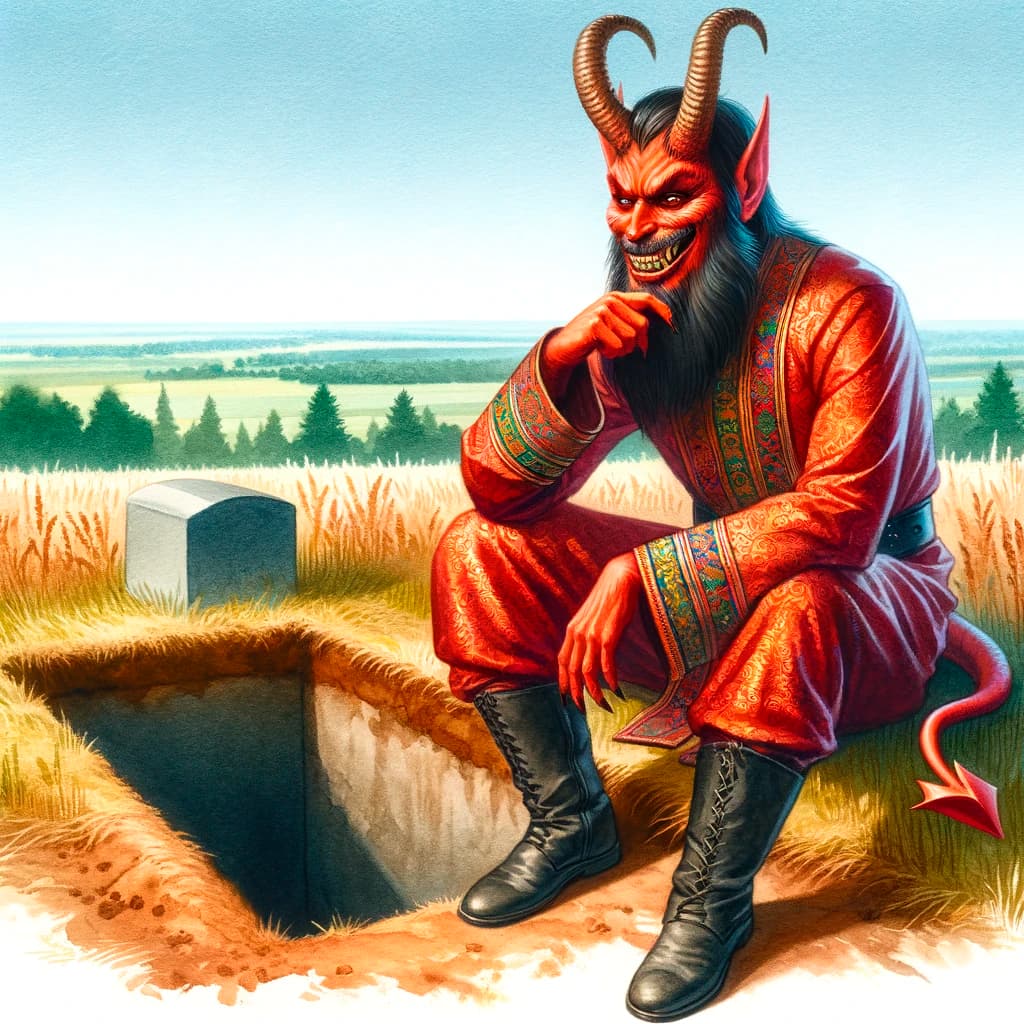
“How Much Land Does a Man Need?” is a short story by Lev Tolstoy, published in April 1886 in the magazine Russkoe bogatstvo. The story follows Pajom, a Russian peasant who, dissatisfied with his possessions, embarks on an insatiable quest to acquire more land. The devil, always eager to take advantage of human desires, decides to grant his wish and give him all the land Pahom believes he needs. Considered by James Joyce to be the best short story ever written, in it Tolstoy examines the essence of greed and how it can blind individuals.

Anton Chekhov: Sleepy

Anton Chekhov: Sleepy

“Sleepy” (Спать хочется) is a short story by Anton Chekhov published in 1888 in the Peterburgskaya Gazeta. It tells the story of Varka, a young girl who works as a maid and is tasked with caring for a child who cries incessantly at night. One night, when she is utterly exhausted, as she struggles to fight off the overwhelming drowsiness, Varka experiences a series of visions and memories that intertwine with her reality, reflecting her deep fatigue and her desire to sleep. After two sleepless nights, Varka is at the end of her strength, and her body desperately begs her to do something to find peace and rest.

Ben Bova: A Small Kindness

Ben Bova: A Small Kindness

“A Small Kindness” is a short story by American writer Ben Bova, published in April 1983 in Analog Science Fiction/Science Fact magazine. Jeremy Keating is a U.S. diplomatic agent sent to Athens on a mission to assassinate Kabete Rungawa, a venerable African leader known as “The Black Saint of the Third World,” a key figure in the newly created World Government. Determined to carry out his mission, on a rainy night he follows his target through the city streets to the ruins of the ancient Acropolis. However, what appears to be a routine political assassination soon turns into an encounter that will shake Keating’s certainties about the world, his enemies, and his own reasons for killing.