Ernest Hemingway: Cat in the Rain
Ernest Hemingway: Cat in the Rain

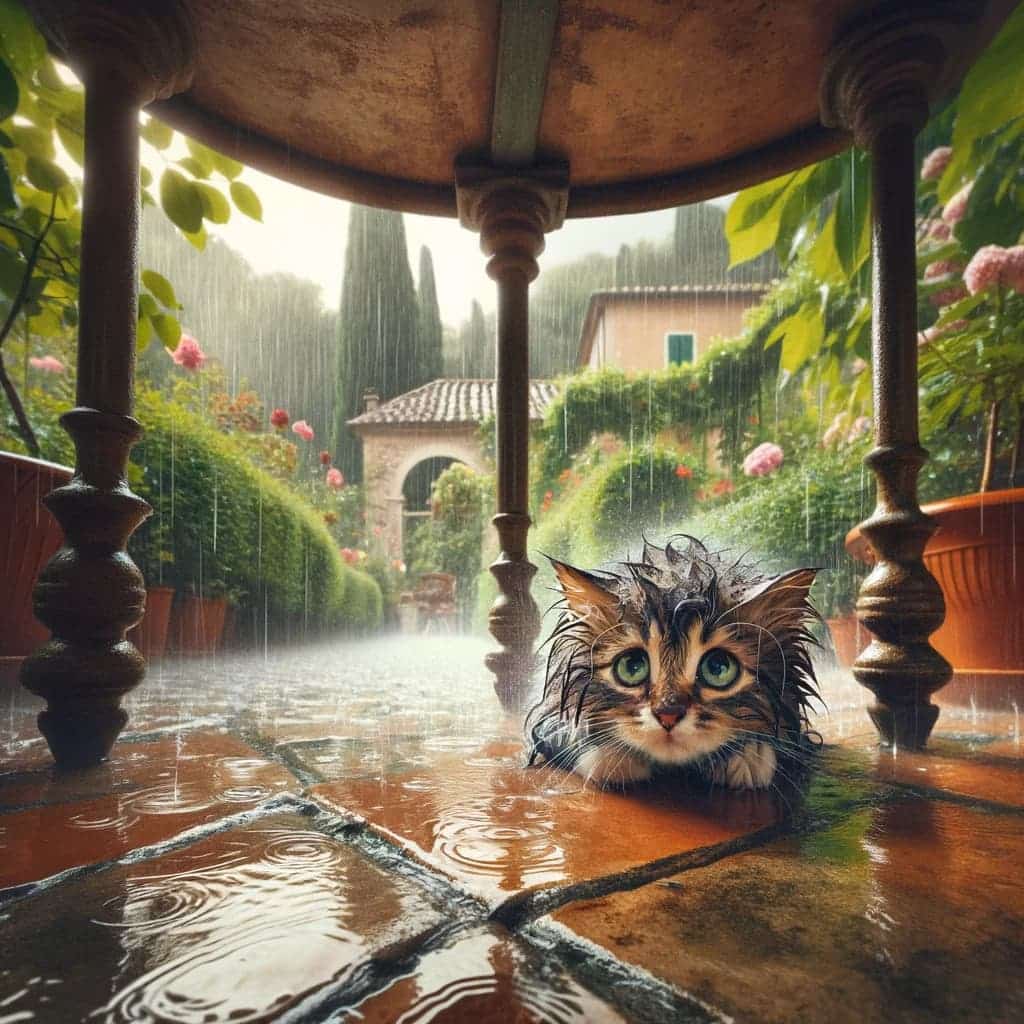
“Cat in the Rain” is a short story by Ernest Hemingway, published in 1925 in the book In Our Time. In an Italian hotel facing the sea, an American couple spends a gray and rainy day. From the window, the woman looks out at a deserted garden and notices a cat trying to shelter from the rain under a table. Moved by compassion, she decides to go down and look for it while her husband stays in the room reading. The journey through the hotel, the attentive treatment of the owner, and the constant rain frame an everyday scene that barely hides the emotional distance, lack of communication, and atmosphere of dissatisfaction surrounding the couple.


Edgar Allan Poe: The Oval Portrait. Full Story, Summary and Analysis

Edgar Allan Poe: The Oval Portrait. Full Story, Summary and Analysis

The Oval Portrait, a short story by Edgar Allan Poe, tells the story of a badly injured man who takes refuge in an abandoned castle with his servant. Intrigued by the numerous paintings in the castle, he discovers an oval portrait of a young woman that appears almost lifelike. Reading a book on the history of the paintings, he learns that the painter of the portrait was obsessed with capturing the essence of his young wife, devoting himself wholeheartedly to the task. The painting and the artist’s story reveal a deep connection between art and life, unveiling the painter’s intense dedication and the consequences of his obsession.

Graham Greene: The Destructors

Graham Greene: The Destructors

Synopsis: In “The Destroyers,” a short story by Graham Greene published in 1954 in Picture Post magazine, a gang of young boys is led by a new and enigmatic member, Trevor, who plans to destroy an old house in their neighborhood. The house, inhabited by Mr. Thomas, had once been a splendid building designed by Christopher Wren. However, it is now the only building left standing after the neighborhood was devastated by wartime bombing. Trevor convinces the gang that, instead of stealing or causing minor damage, they should take advantage of Mr. Thomas’s brief absence to completely demolish the house.

Oscar Wilde: The Happy Prince

Oscar Wilde: The Happy Prince

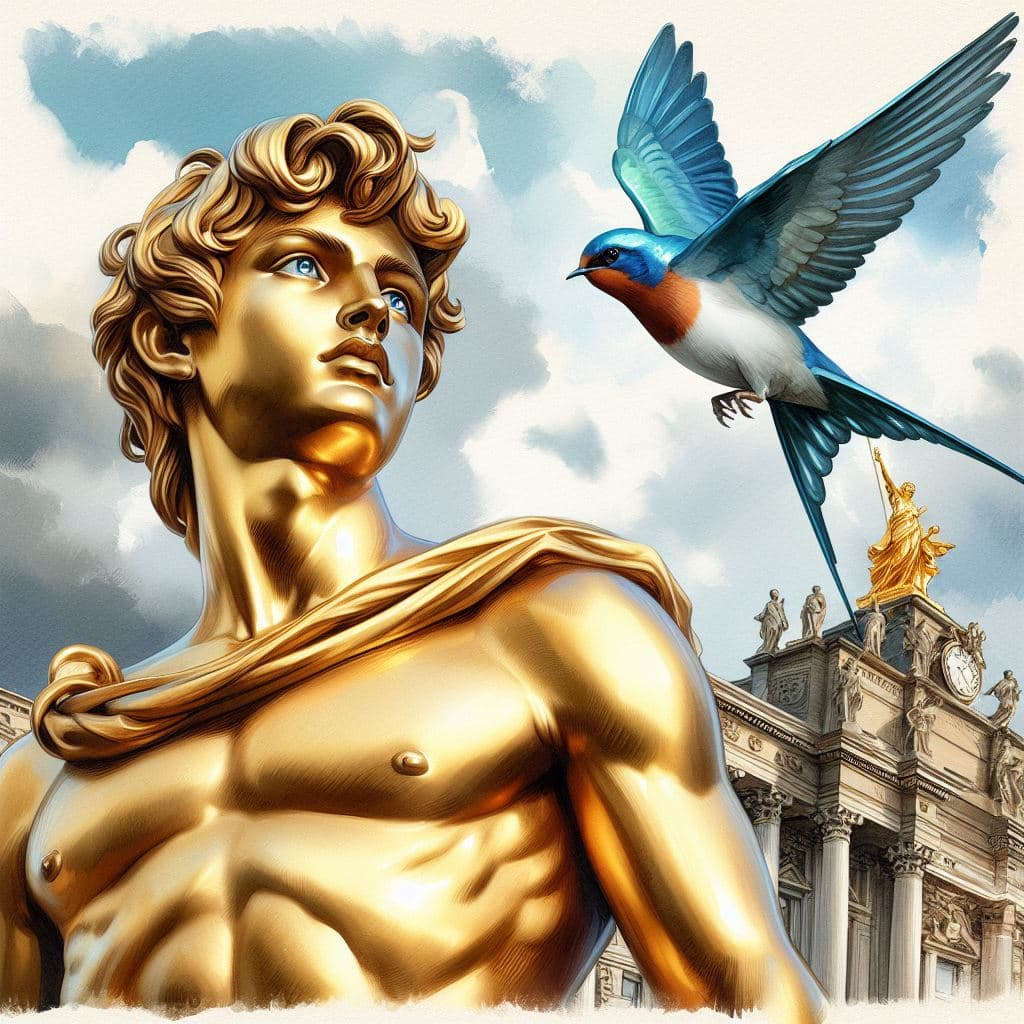
The Happy Prince is a story by Oscar Wilde, published in 1888 in the collection The Happy Prince and Other Tales. The story begins with the imposing statue of the Happy Prince, standing above the city, adorned with gold and precious stones. From his height, he observes the misery of its inhabitants and weeps for them. A little swallow, delayed in its migration, takes refuge under the statue and discovers its sadness. Moved, it decides to help the Prince in his desire to alleviate the suffering of those most in need, initiating a moving story of generosity and sacrifice.

Saki: The Story-Teller

Saki: The Story-Teller

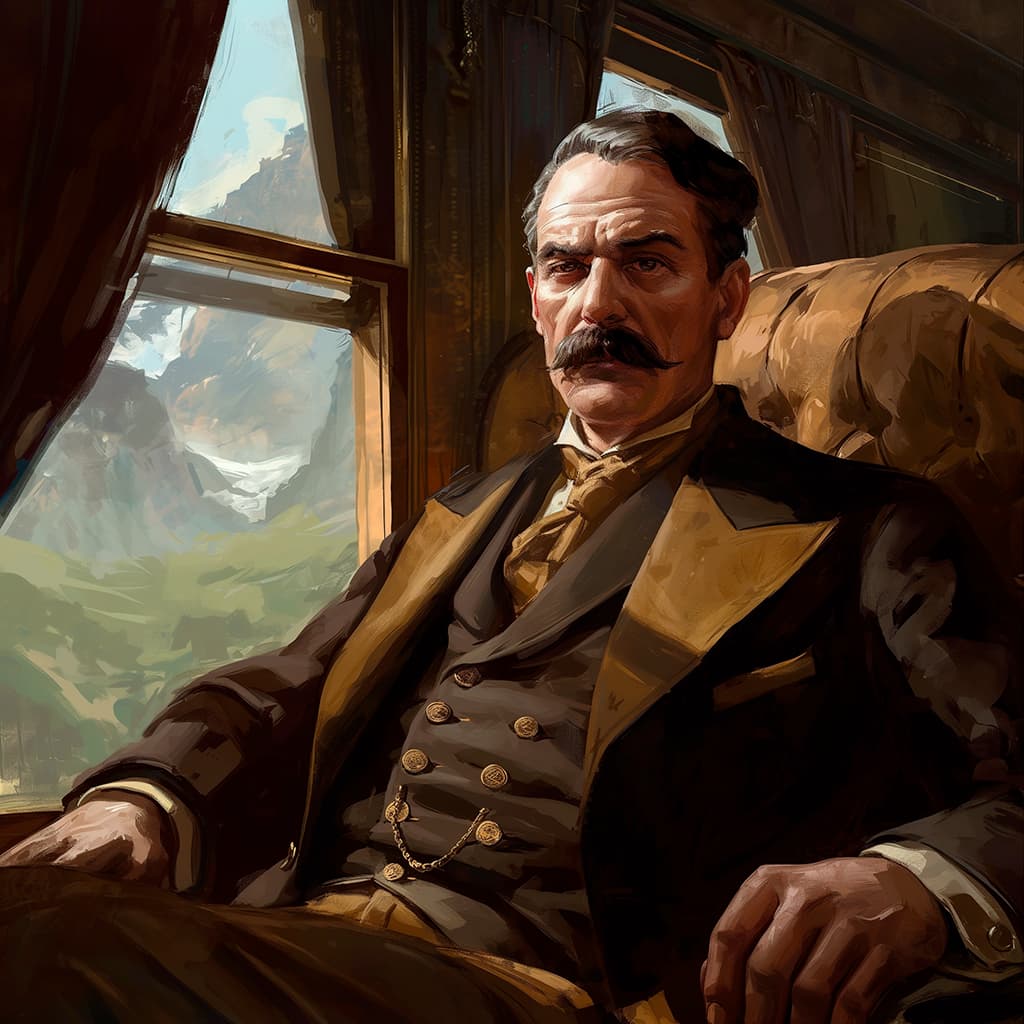
“The Story-Teller” is a short story by Saki (H. H. Munro), published in 1914 in the book Beasts and Super-Beasts. In a hot train carriage, a woman tries to keep her three restless nephews entertained. To do so, she tells them a moralistic story that fails miserably, causing boredom and disinterest in the children. Irritated by the commotion, a man also traveling in the car intervenes and tells them his own story: a witty and provocative tale that immediately captures the attention of his impromptu audience.

W. W. Jacobs: The Monkey’s Paw

W. W. Jacobs - La pata de mono2

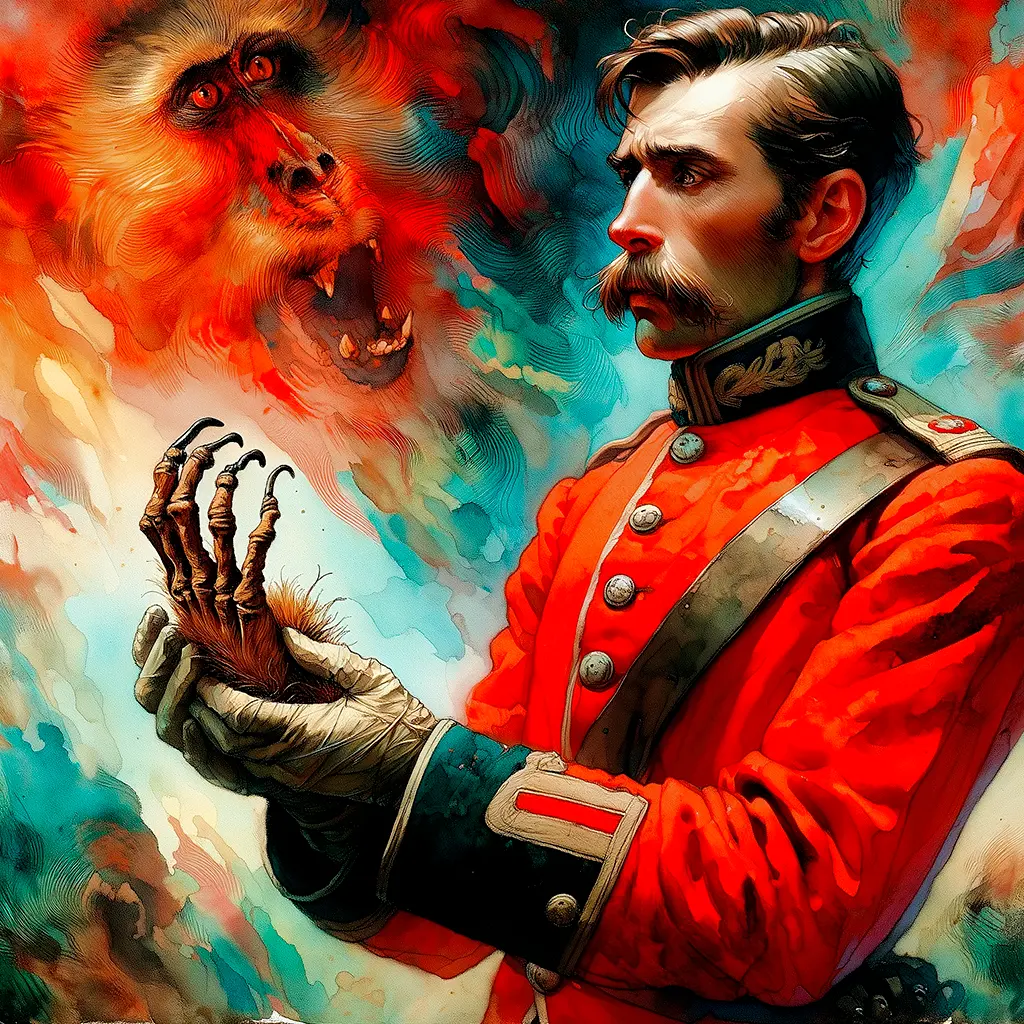
“The Monkey’s Paw,” a short story by W. W. Jacobs, is a classic tale of horror and fantasy. It is notable for its tense atmosphere and reflection on the implications of altering destiny. The story revolves around the White family, who receive a mysterious magic talisman as a gift, with the ability to grant three wishes. Despite their skepticism, they decide to use the amulet, which leads to a series of catastrophic events.