Philip K. Dick: Colony
Philip K. Dick: Colony

“Colony” is an unsettling science fiction short story by Philip K. Dick, published in Galaxy Science Fiction in 1953. A group of explorers arrives on a planet that appears perfectly suited for colonization, with conditions ideal for human life. However, what initially seems like a paradise soon turns into a deadly trap when they discover an unsuspected threat that endangers not only their lives, but the survival of all humanity. To prevent the danger from spreading beyond the planet, they must make extreme decisions and fight for their lives against an invisible and terrifying enemy.
Gabriel García Márquez: The Other Side of Death

Gabriel García Márquez: The Other Side of Death

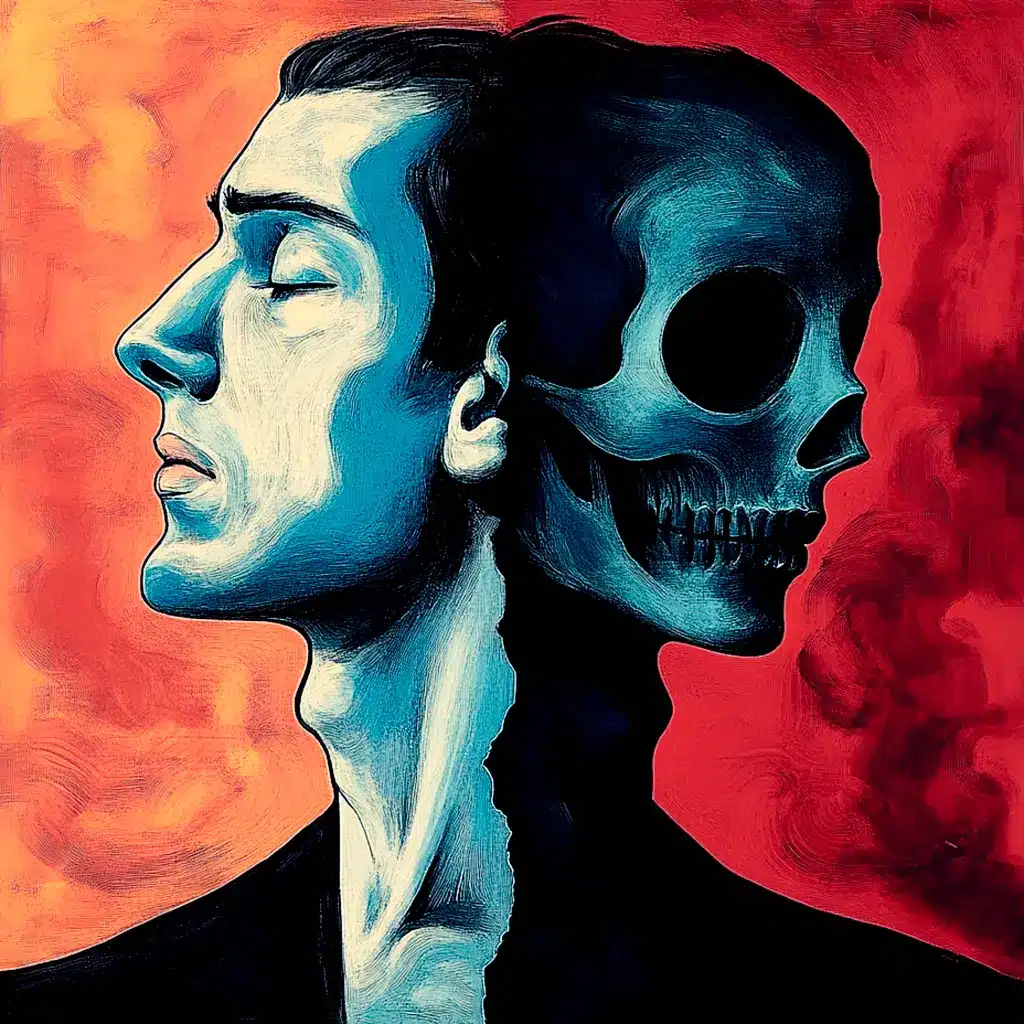
“The Other Side of Death” (La otra costilla de la muerte) is a short story by Gabriel García Márquez, published in 1948 in the newspaper El Espectador and later collected in the book Ojos de perro azul (1974). The story plunges us into the troubled mind of a man who has just lost his twin brother. Awake in the early hours of the morning, surrounded by strange smells and sensations, he is confronted by a disturbing dream that becomes entwined with reality. His brother’s death leads him to reflect on life, death, and the strange connection between the two. Laden with symbolism and a dreamlike atmosphere, the narrative reveals the protagonist’s deep unease, as he feels that his own existence is inexorably bound to that of his dead brother.

Julio Cortázar: The Night Face Up

Julio Cortázar: The Night Face Up

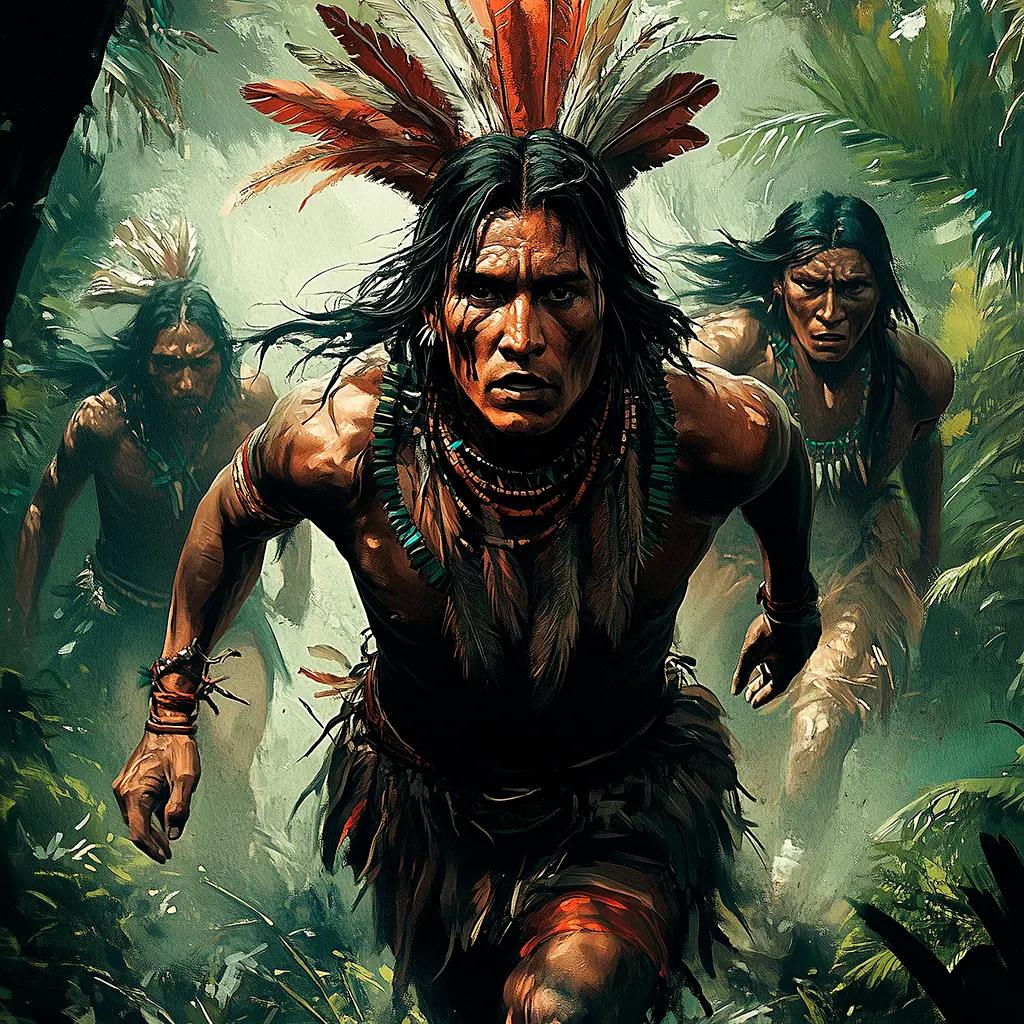
“The Night Face Up” (La noche boca arriba) is a short story by the Argentine writer Julio Cortázar, published in 1956 in the collection Final del juego. A man is injured in a motorcycle accident and taken to a hospital. At the same time, in an ancient world, a warrior flees through jungles and marshes during a ritual hunt. Alternating between these two realities, Cortázar creates a subtle tension between the contemporary and the ancestral in a story that disorients the reader and draws them into an uncertain realm where nothing feels entirely safe or familiar.

Arthur C. Clarke: Transit of Earth

Arthur C. Clarke: Transit of Earth

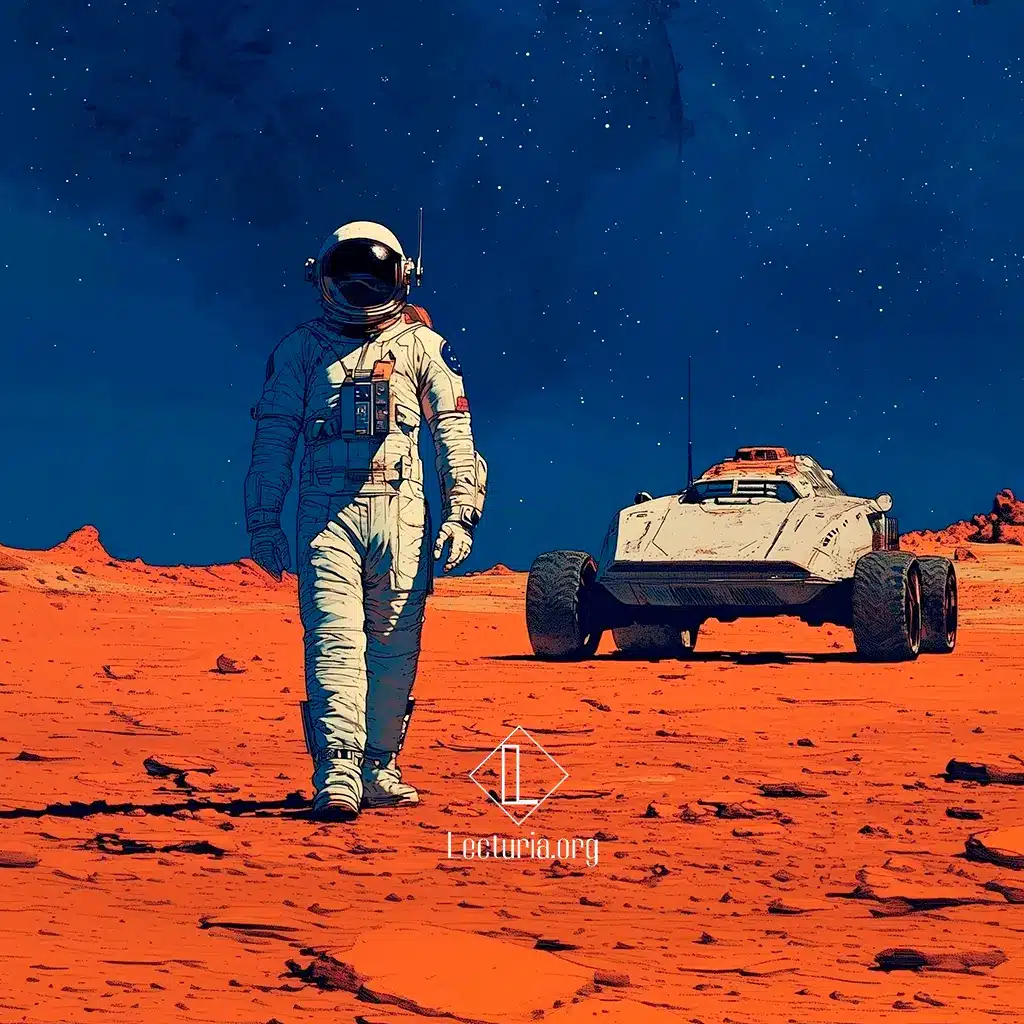
“Transit of Earth” is a science fiction short story by Arthur C. Clarke, published in January 1971 in Playboy magazine. Evans is an astronaut stranded on Mars who knows he has less than twenty-four hours of oxygen left. As he waits to record an astronomical phenomenon that occurs only once every hundred years—the passage of Earth across the face of the Sun as seen from Mars—he reflects on his life, his fears, and the memories that haunt him. With the calm of someone who has already accepted his fate, Evans prepares to carry out the mission for which his companions sacrificed their own lives.

Isaac Asimov: Someday

Isaac Asimov: Someday

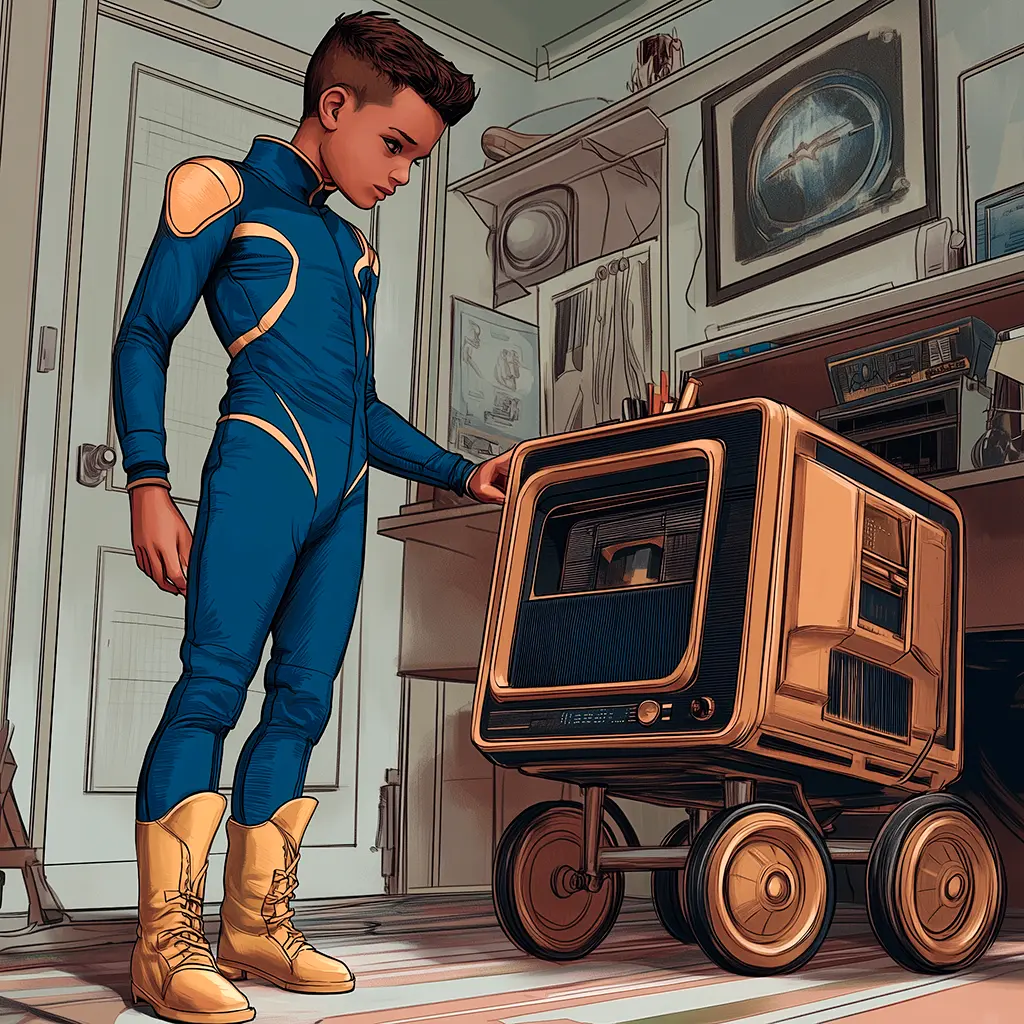
“Someday” is a short story by Isaac Asimov published in August 1956 in the magazine Infinity Science Fiction. Set in a future in which machines have replaced much of everyday work, the story follows Niccolo and Paul, two friends who discover an old Narrator, a device that automatically creates and tells stories. The two friends complain that the machine only tells stories set in a world with horses, cows, and other things they do not recognize. While Paul tries to improve the device, he tells Niccolo that there was once a time—before computers—when people had to do something called “reading” in order to learn new stories.

Albert Camus: The Adulterous Woman

Albert Camus: The Adulterous Woman

“The Adulterous Woman” (La femme adultère), a short story by the French writer Albert Camus, narrates the introspective and transformative journey of Janine, a woman who accompanies her husband Marcel on a business trip across the Algerian desert. Throughout the journey, Janine experiences a profound sense of loneliness and dissatisfaction with her married and everyday life. The narrative details her observations and reflections on the surroundings, the people they encounter, and especially her own emotional and existential state. Through the vast and desolate landscape of the desert, Janine confronts her repressed desires, her feeling of emptiness, and her search for a deeper meaning in life.