Jorge Luis Borges: Death and the Compass. Summary and analysis

Jorge Luis Borges: Death and the Compass. Summary and analysis

Death and the Compass, written by Jorge Luis Borges in 1942, is a detective story loaded with symbolism. Detective Erik Lönnrot investigates a series of murders connected by a cabalistic pattern. His obsession with logic leads him to interpret a series of clues in search of a solution to the mystery. As he deciphers the deaths, the reader is plunged into a labyrinth of mystical and mysterious concepts. With wit and a unique structure, Borges reflects on logic, chance, and the limits of human knowledge.

Jorge Luis Borges: Death and the Compass

Jorge Luis Borges: Death and the Compass

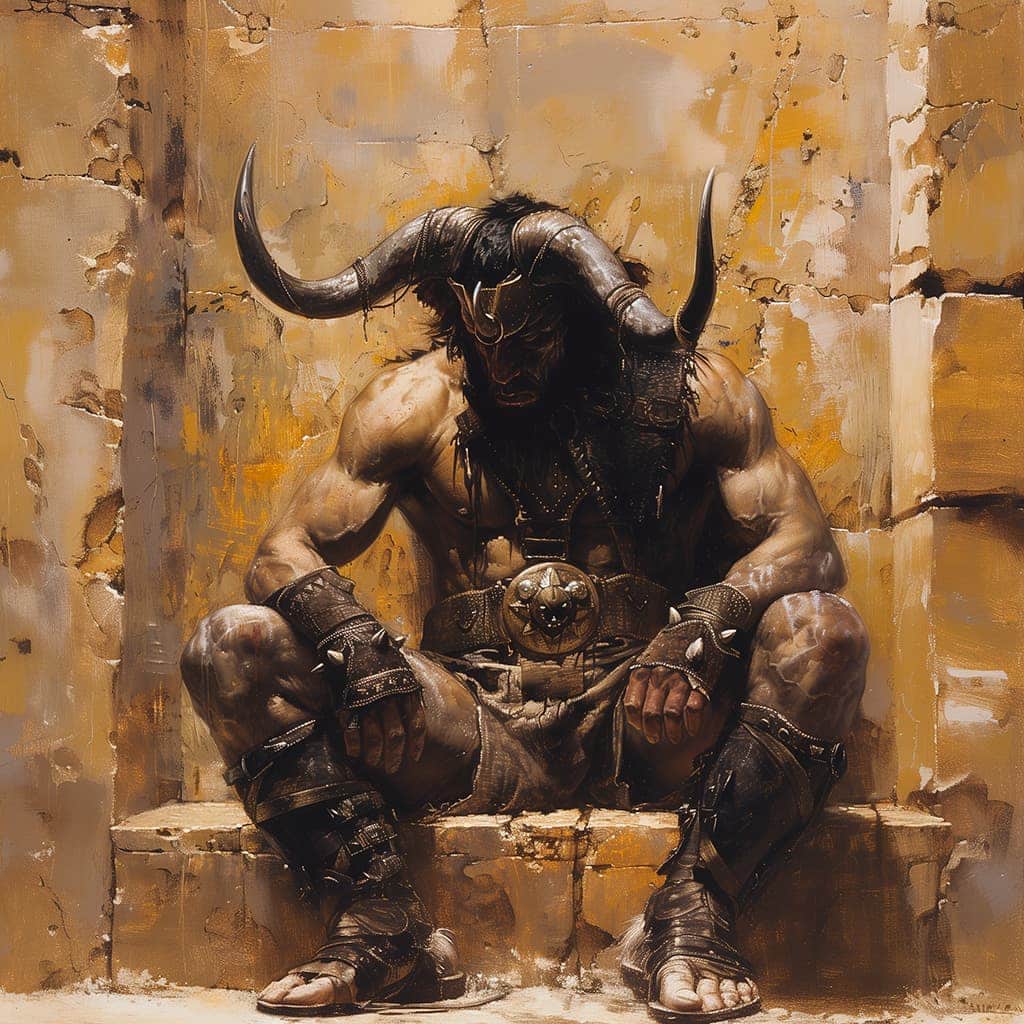
“Death and the Compass” is a short story by Jorge Luis Borges, first published in May 1942 in the magazine Sur and later included in the collection Ficciones (1944). Dr. Marcelo Yarmolinsky, a delegate to the Third Talmudic Congress, is found dead in his room at the Hôtel du Nord. At the crime scene, a mysterious message is discovered, linked to the first letter of the Name of God. Convinced that behind this death—and those that follow—there lies a mystical and symbolic pattern, the detective Erik Lönnrot ventures into a sinuous labyrinth of clues, determined to uncover who, or who all, is responsible for these murders.

Jorge Luis Borges: The Library of Babel

Jorge Luis Borges: The Library of Babel

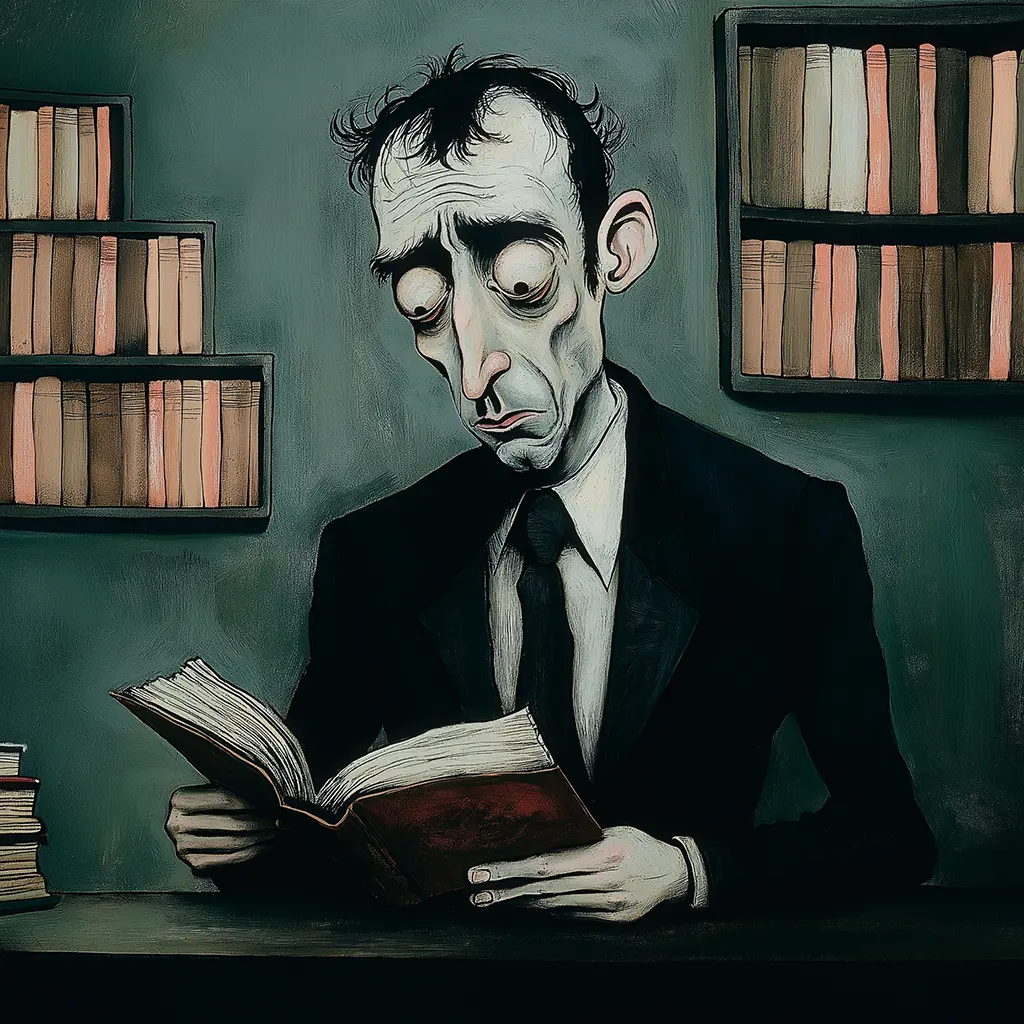
“The Library of Babel,” a fascinating story by Jorge Luis Borges included in ‘The Garden of Forking Paths (1941)’, imagines a universe composed of an infinite library of hexagonal galleries containing all possible books. In this chaotic and vast cosmos, librarians are engaged in an endless search for absolute knowledge or a book that gives meaning to their existence. Borges explores philosophical and metaphysical concepts such as infinity, the arbitrariness of language, and the human desire to understand an essentially incomprehensible universe. This story is a meditation on the obsession with knowledge and the ultimate meaning of life in a world where everything is already written and yet nothing can be fully understood.

Jorge Luis Borges: Emma Zunz

Jorge Luis Borges - Emma Zunz

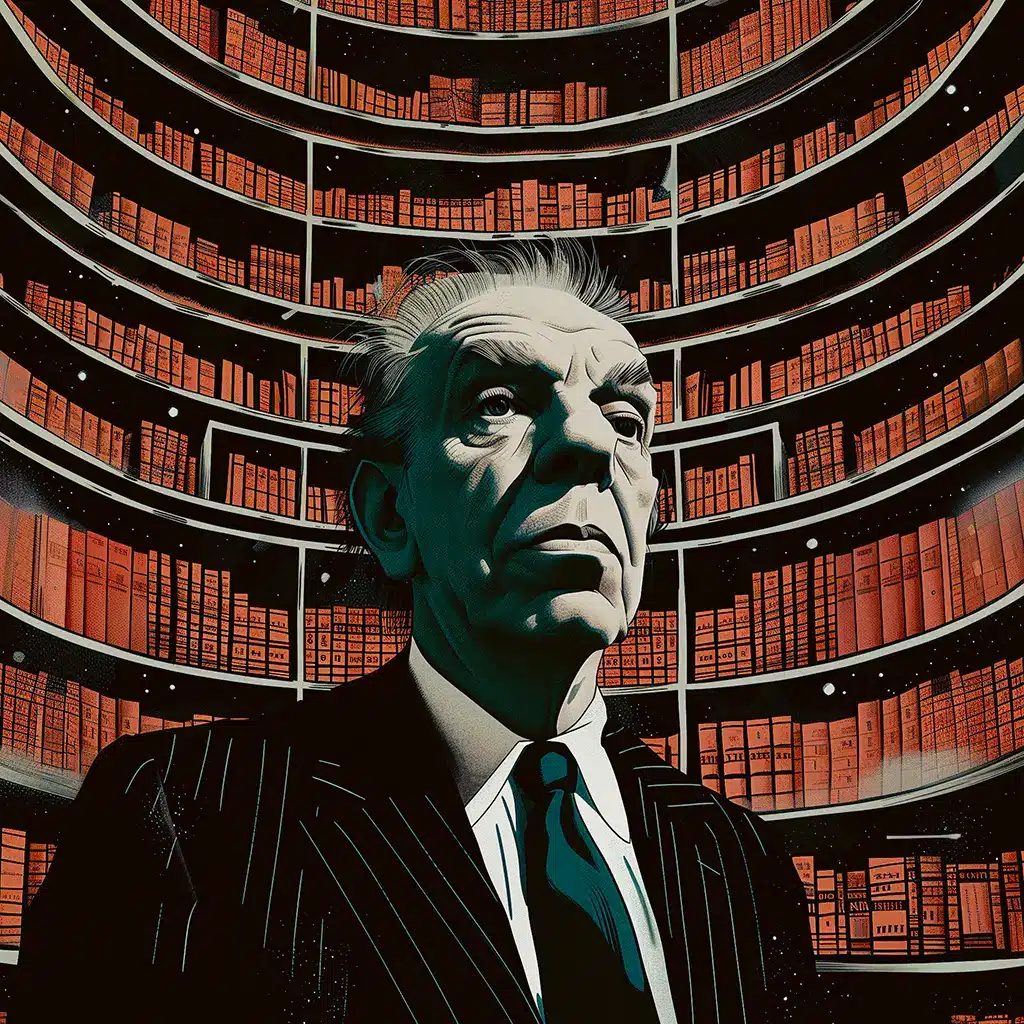
“Emma Zunz,” a short story by Jorge Luis Borges published in the book El Aleph (1949), tells the story of Emma, a young textile factory worker. Emma receives the news that her father, who was living far away after being unjustly accused of theft, has died due to an overdose of veronal. Grief-stricken and convinced that she knows the culprit behind her father’s misfortune, Emma embarks on a meticulous plan of revenge to restore her father’s honor.