Edgar Allan Poe: The Pit and the Pendulum

Edgar Allan Poe: The Pit and the Pendulum

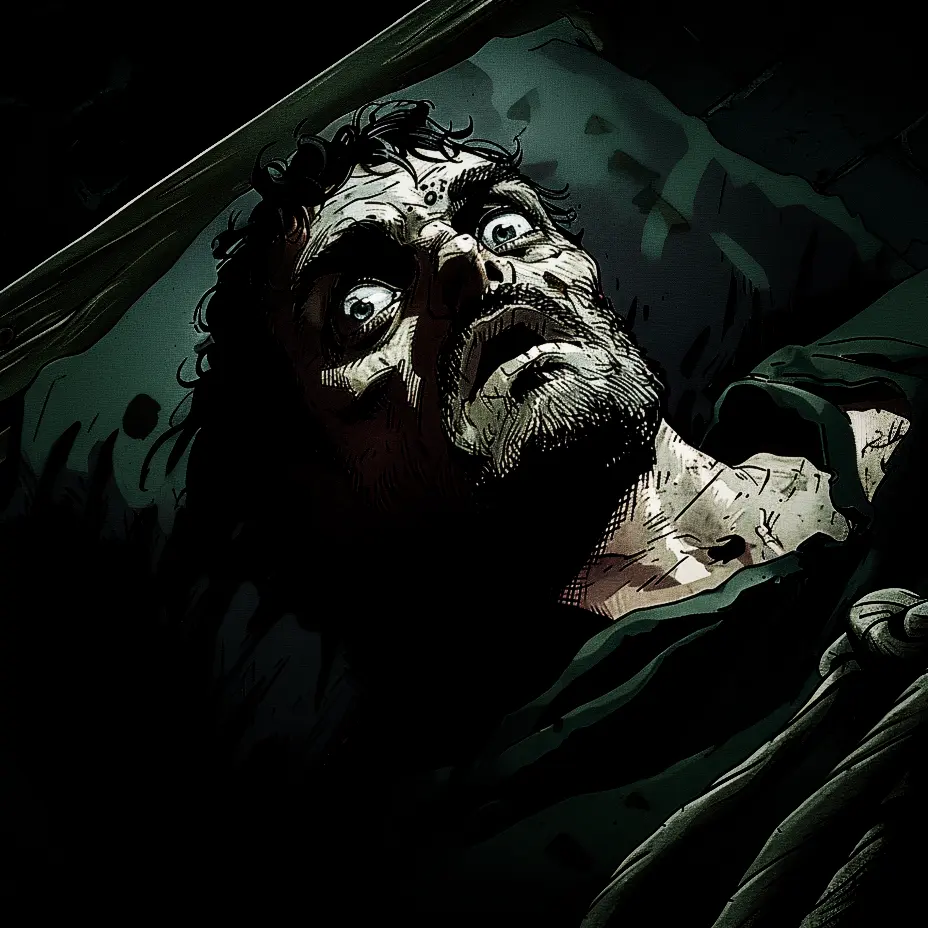
“The Pit and the Pendulum,” a short story by Edgar Allan Poe published in 1842, is a chilling tale that follows the anguish of a prisoner during the Spanish Inquisition. After being sentenced, the protagonist awakens in a dark and sinister cell, unaware of the fate that awaits him. In this claustrophobic place, he discovers that the punishment he has been assigned was conceived by a twisted and sadistic mind. Faced with various mechanisms of torture, the prisoner is subjected to extreme physical and psychological torment, where terror and despair become his only companions as he struggles to survive in this earthly hell.

Edgar Allan Poe: The Man of the Crowd

Edgar Allan Poe: The Man of the Crowd

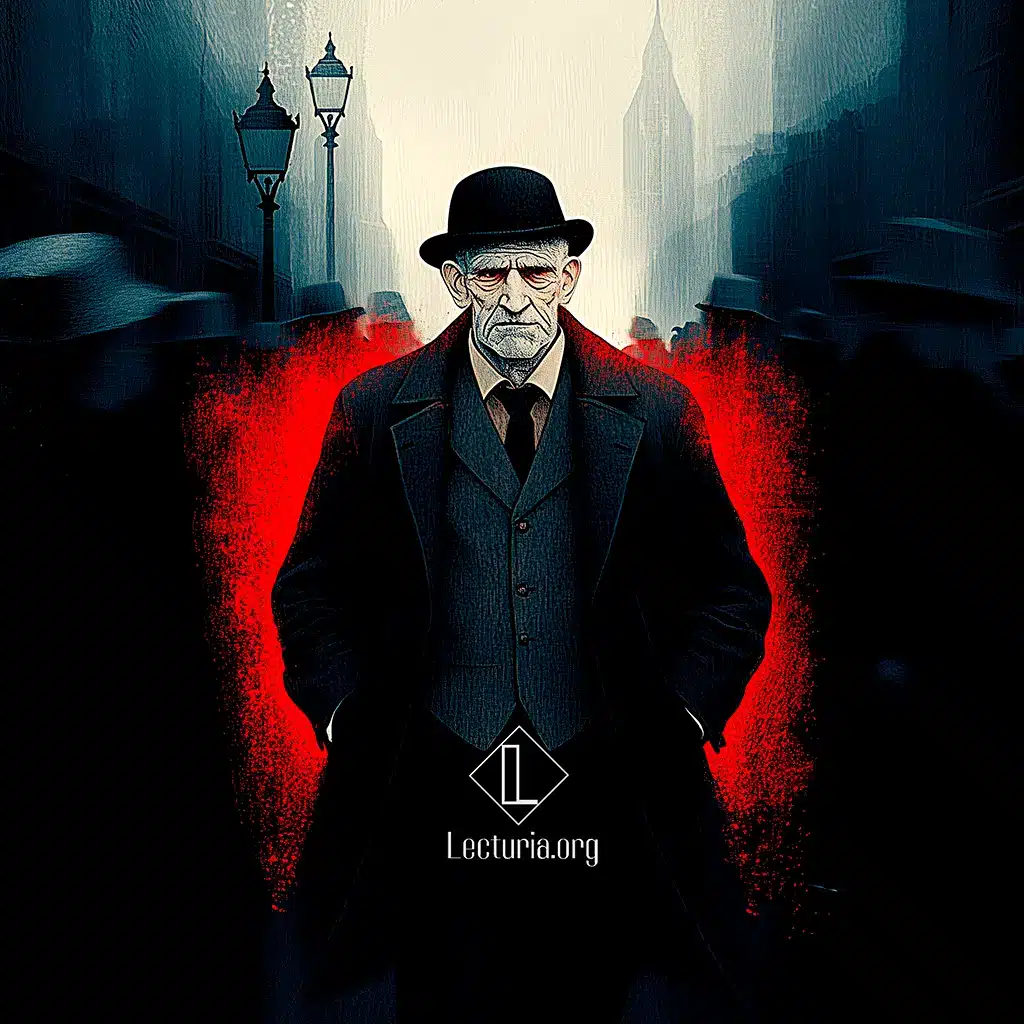
“The Man of the Crowd” is a short story by Edgar Allan Poe, published in December 1840 in Burton’s Gentleman’s Magazine and Atkinson’s Casket. A man observes from the window of a London café the ceaseless flow of people along a bustling avenue. For hours he watches and classifies the passersby according to their appearance and behavior: merchants, clerks, gamblers, beggars, prostitutes. As night falls, his attention is captured by an old man with an extraordinarily enigmatic expression. Driven by an irresistible curiosity, he leaves the café to follow the mysterious figure through the nocturnal streets of London.

Edgar Allan Poe: Shadow—A Parable

Edgar Allan Poe: Shadow—A Parable

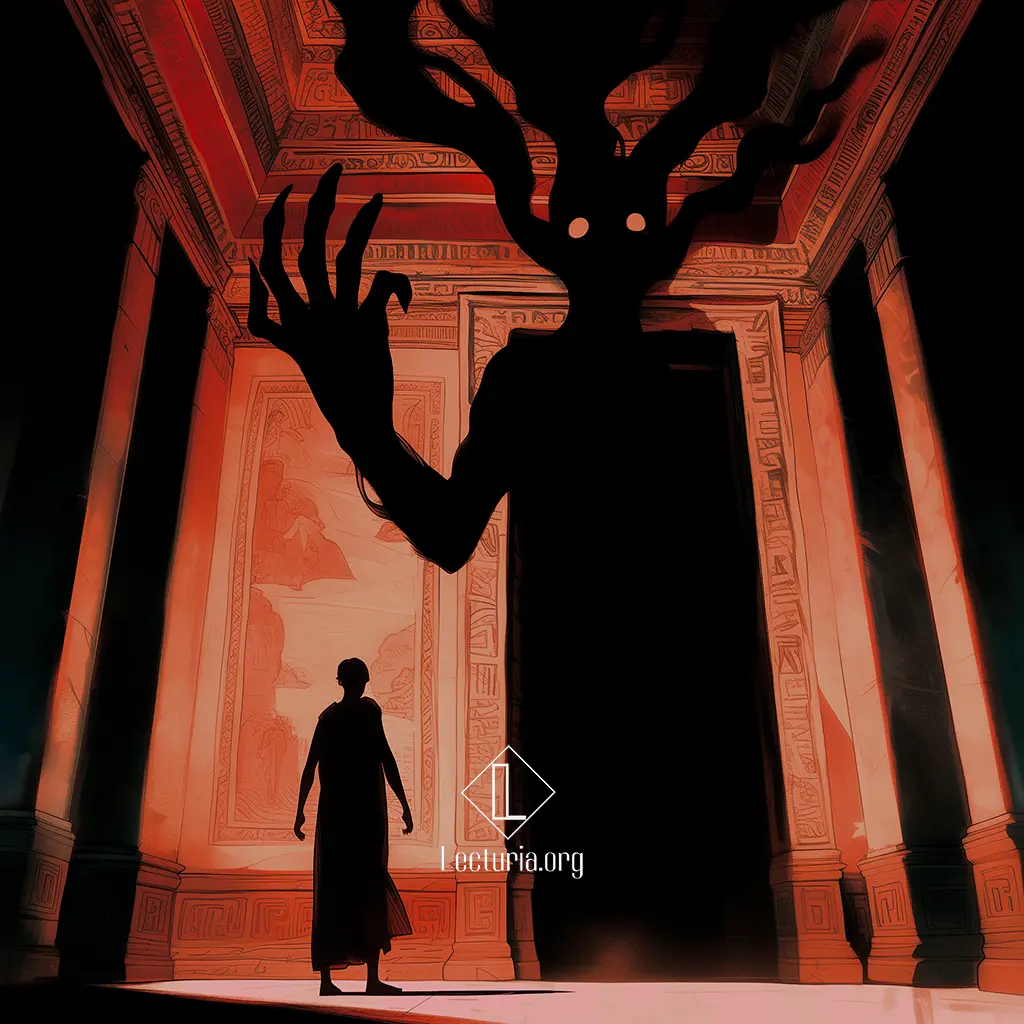
“Shadow—A Parable” is a short story by American writer Edgar Allan Poe, published in September 1835 in The Southern Literary Messenger and later included in Tales of the Grotesque and Arabesque (1840). Set in the fictional city of Ptoleméis during a devastating plague, the story begins with a group of seven men locked in a gloomy room, drinking wine beside the recent corpse of a friend. As they try to ignore the horror outside, an inexplicable shadow emerges from the draperies of the room, interrupting their forced revelry with a presence that seems to speak from a place beyond time.

Edgar Allan Poe: The Black Cat. Summary and analysis

Edgar Allan Poe: The Black Cat. Summary and analysis

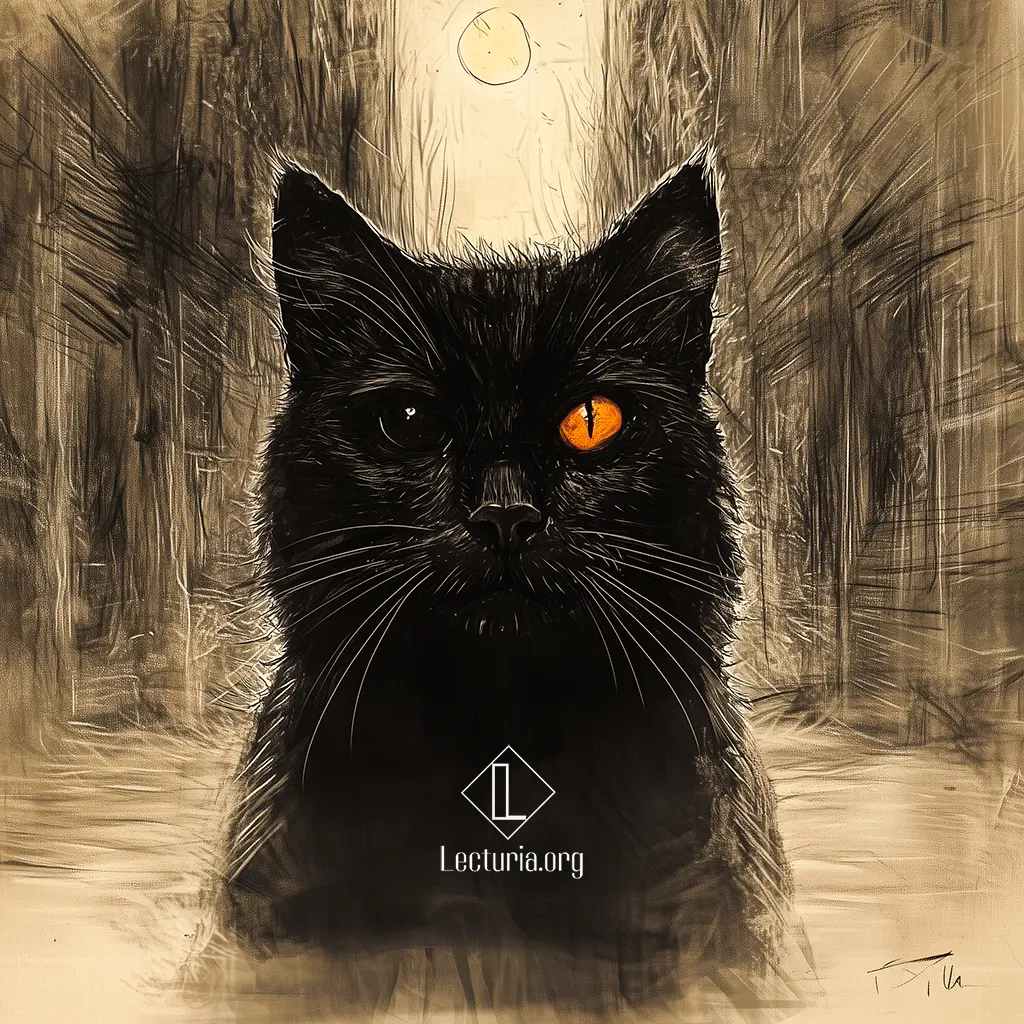
In Edgar Allan Poe’s “The Black Cat,” a man condemned to death recounts his progressive moral decline. An animal lover in his youth, his character is corrupted by alcoholism, becoming violent and cruel. After mutilating and finally hanging his black cat, Pluto, his house mysteriously burns down. Sometime later, he finds another black cat, almost identical to the previous one, with a peculiar white spot that gradually takes the shape of a gallows, increasing his paranoia and fear. The obsessive presence of the new animal fuels his mental instability. During a fit of rage, he tries to kill the cat, but his wife stops him, and he brutally murders her. He decides to hide the body by walling it up in the basement. After several days, the police inspect the house without finding any evidence of the crime, but when the protagonist, in a gesture of arrogance, hits the wall where the body lies, a bloodcurdling scream is heard from inside. When they knock down the wall, the officers discover the corpse of his wife with the cat still alive on top of her, revealing the murder and sealing his fate.

Edgar Allan Poe: Silence—A Fable

Edgar Allan Poe: Silence—A Fable

In “Silence” (Silence—A Fable), a short story by Edgar Allan Poe published in 1838 in Baltimore Book, a demon tells a story about a desolate region in Libya near the Zaire River. A disturbing landscape marks this land: a sickly river, gigantic water lilies, and a dark and turbulent jungle, all without calm or silence. One night, under a rain that turns to blood, the demon observes a majestic man on a rock. This man, lonely and melancholic, contemplates the desolate landscape. The demon invokes the elements to torment him, but nothing seems to move this man, who is tired of people and eager to be alone.

Edgar Allan Poe: The Cask of Amontillado. Summary and analysis

Edgar Allan Poe - El tonel de amontillado. Resumen y análisis

Plot summary: Montresor, a man driven by a desire for revenge, carefully plans the murder of Fortunato, whom he considers responsible for multiple grievances. Taking advantage of his victim’s pride in his knowledge of wines, he deceives him during the carnival by making him believe he possesses a rare cask of amontillado. Using this as an excuse, he leads him to his family’s catacombs, located under his palace. Once there, after a series of deceptions disguised as courtesy, he locks him in a hidden niche and buries him alive, building a brick wall. Fortunato, who at first shows disbelief, ends up understanding his fate, while Montresor carries out his crime with serenity and without remorse. Decades later, he confesses to the murder with cold satisfaction and reveals that he was never discovered.