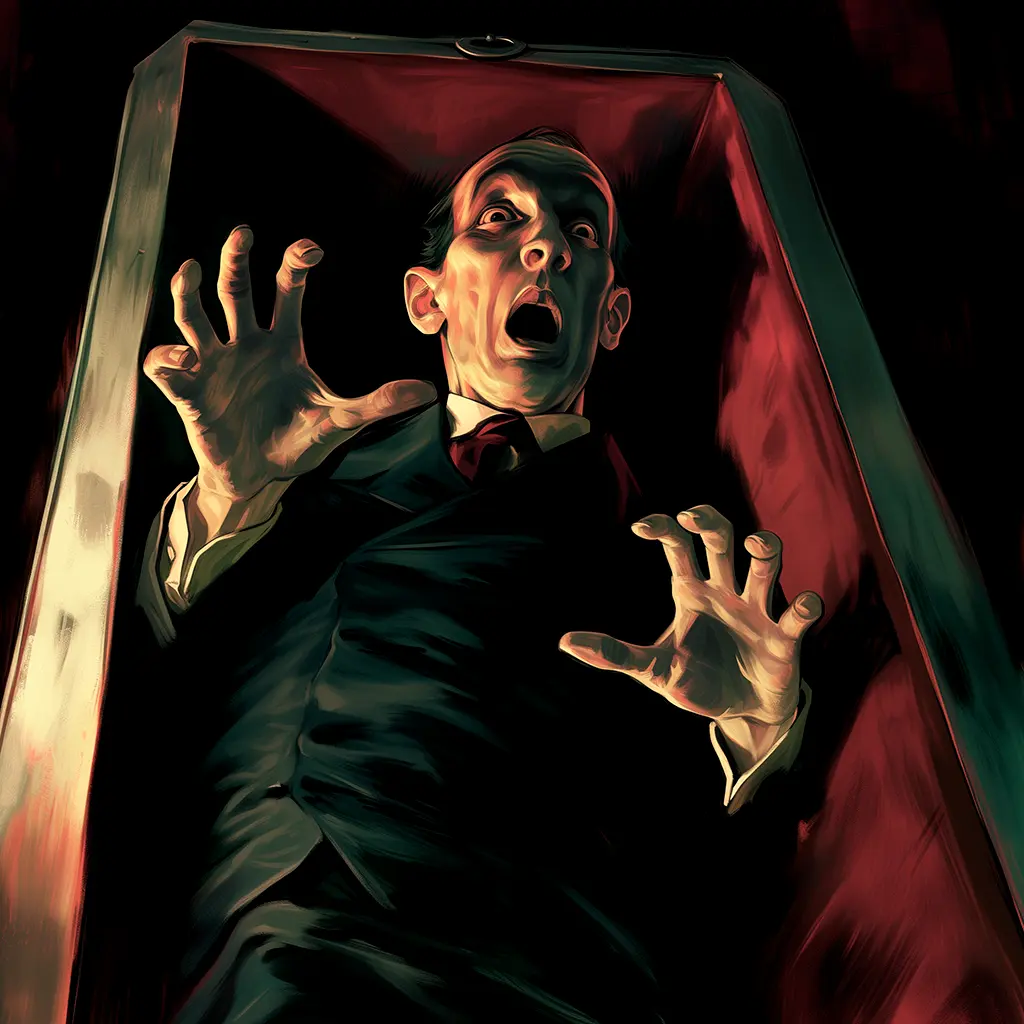
Edgar Allan Poe: The Premature Burial

Edgar Allan Poe: The Premature Burial

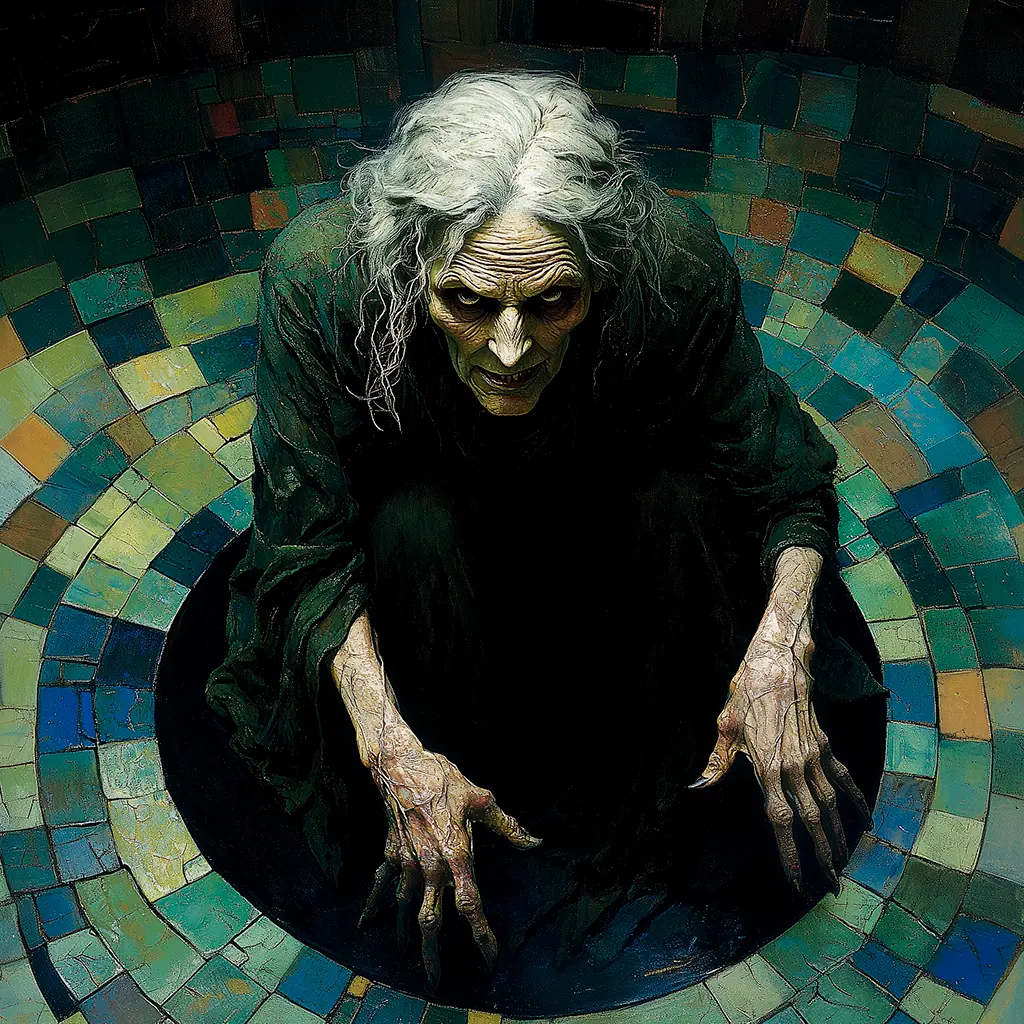
“The Premature Burial” is a short story by Edgar Allan Poe, published on July 31, 1844, in the Dollar Newspaper. Written in a style that lies midway between fiction and journalistic reportage, it tells the story of a man obsessed with the possibility of being buried alive. Drawing on documented cases of premature interments in various places, it argues that such events occur with disturbing frequency. He himself, prone to attacks of catalepsy and overwhelmed by fear, takes a series of precautions to avoid becoming a victim of that horrific fate.

D. H. Lawrence: The Rocking-Horse Winner

D. H. Lawrence: The Rocking-Horse Winner

The Rocking-Horse Winner is a haunting and moving short story by D. H. Lawrence, published in July 1926 in Harper’s Bazaar magazine. It tells the story of an upper-middle-class family who, trapped by the need to keep up appearances, live under the constant pressure of economic scarcity. Paul, the eldest son, is deeply affected by this situation and decides to look for a solution to alleviate the financial tensions of the household. Despite his young age, with the complicity of the gardener, he enters the world of gambling. Meanwhile, the house seems to come to life, whispering tirelessly: “There must be more money!”

Richard Matheson: Blood Son

Richard Matheson: Blood Son

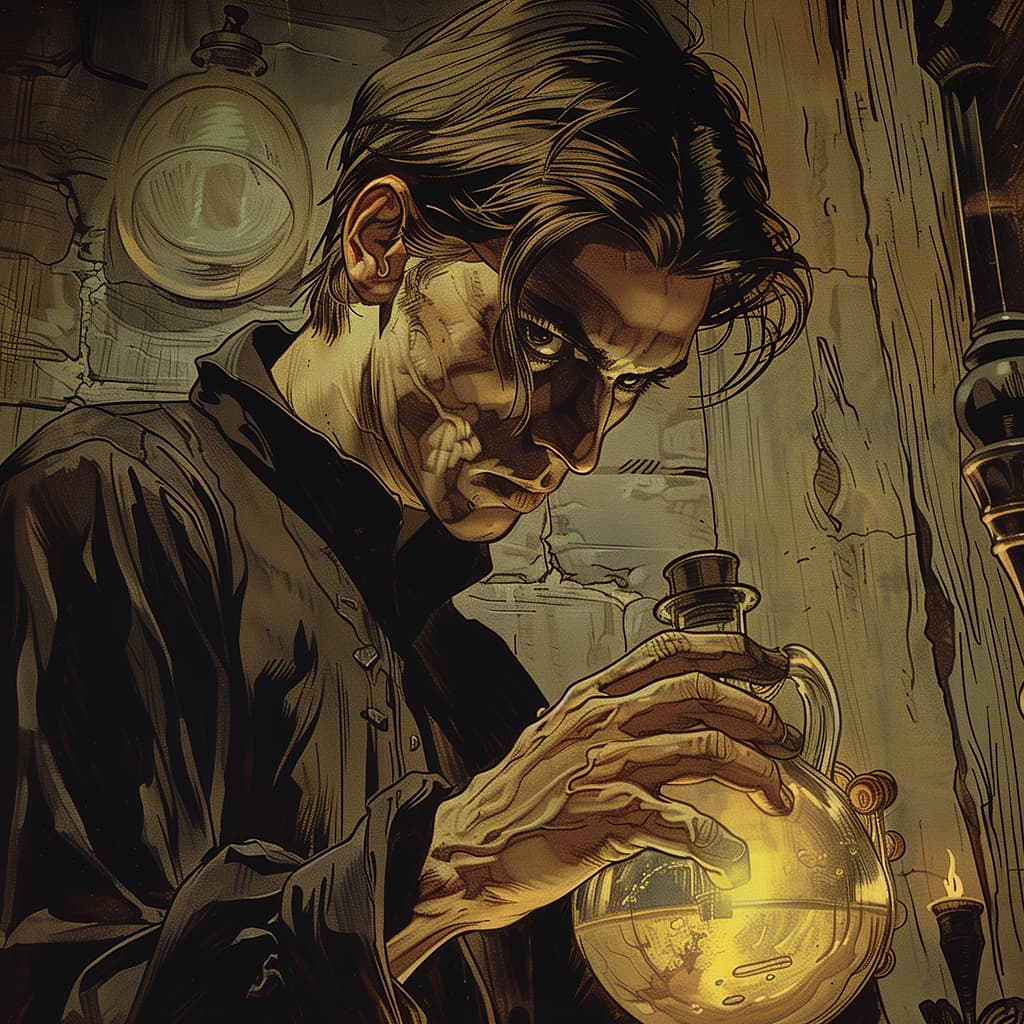
Blood Son is a disturbing short story by Richard Matheson published in Imagination in April 1951. The story follows Jules, a strange and lonely boy who, from birth, proves to be different: his appearance, behavior, and obsession with darkness baffle his surroundings. His fascination with vampires arises after watching a Dracula movie, which leads him to immerse himself in a dangerous fixation with the idea of becoming one. As Jules seeks to make sense of his obsession, his life turns dark and disturbing, reflecting his struggle to belong in a world he doesn’t understand.

Jorge Luis Borges: The Library of Babel

Jorge Luis Borges: The Library of Babel

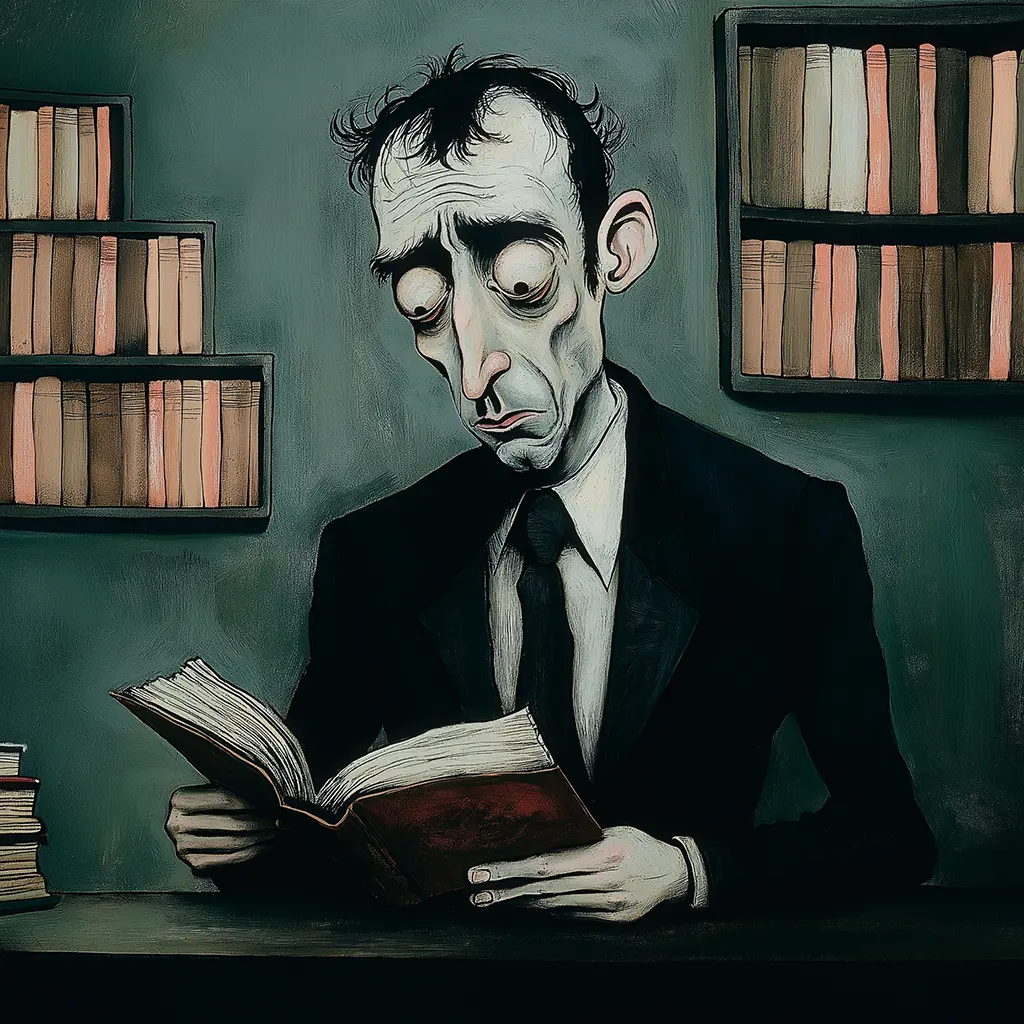
“The Library of Babel,” a fascinating story by Jorge Luis Borges included in ‘The Garden of Forking Paths (1941)’, imagines a universe composed of an infinite library of hexagonal galleries containing all possible books. In this chaotic and vast cosmos, librarians are engaged in an endless search for absolute knowledge or a book that gives meaning to their existence. Borges explores philosophical and metaphysical concepts such as infinity, the arbitrariness of language, and the human desire to understand an essentially incomprehensible universe. This story is a meditation on the obsession with knowledge and the ultimate meaning of life in a world where everything is already written and yet nothing can be fully understood.

Edgar Allan Poe: Eleonora

Edgar Allan Poe - Eleonora

Eleonora is a gothic tale by Edgar Allan Poe, published in 1841. It tells the story of a young man who lives in a paradisiacal valley with his cousin Eleonora. In this haven of beauty and isolation, the two share an existence of pure love and simple harmony, surrounded by dreamy landscapes and the silent flow of a magical river. However, a shadow threatens to break their idyllic life, forcing them to confront the fragility of happiness and the strength of the ties that bind them together.

Ambrose Bierce: An Inhabitant of Carcosa

Ambrose Bierce: An Inhabitant of Carcosa

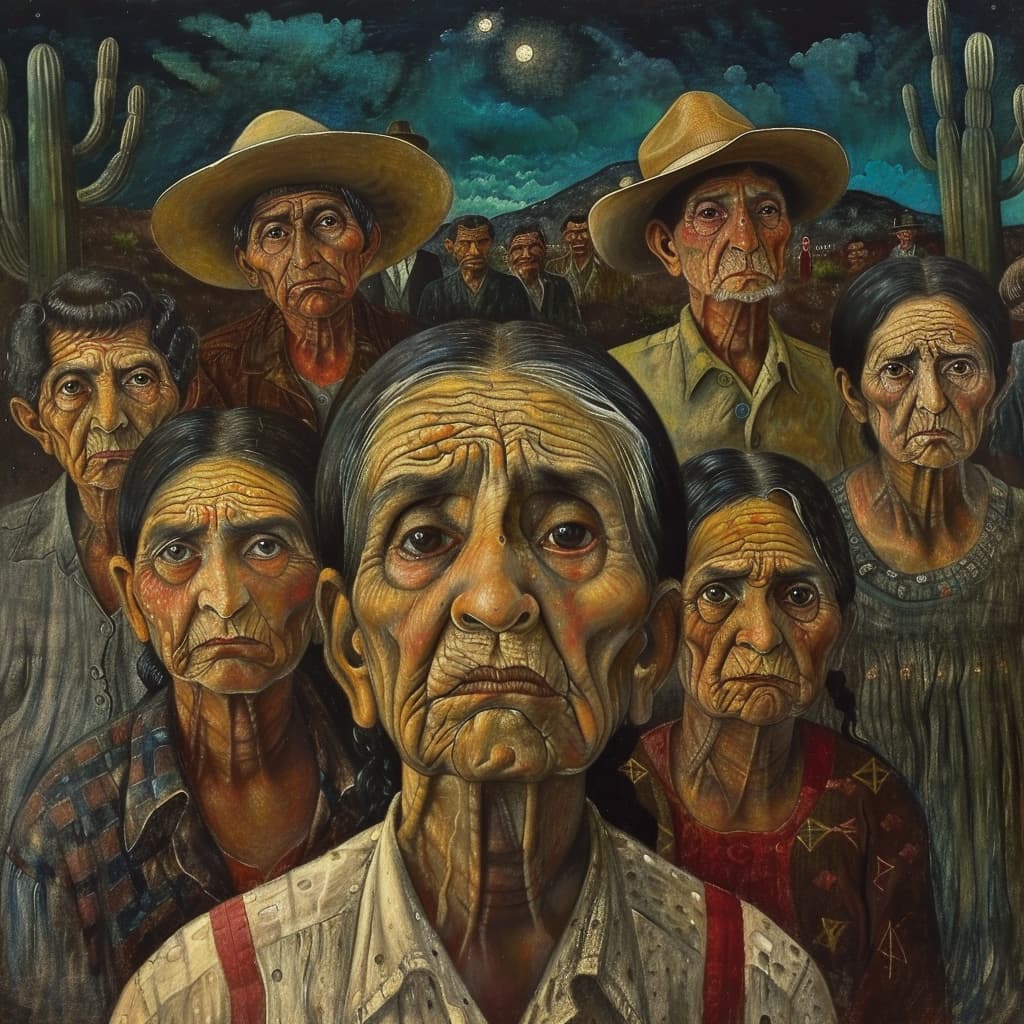
An Inhabitant of Carcosa is a haunting story by Ambrose Bierce, published in the San Francisco Newsletter on 25 December 1886. The story recounts the experience of a man who awakens in a desolate and mysterious landscape populated by withered grasses, dry trees, and ruins that seem to speak of a forgotten past. Lost in these bleak surroundings, the protagonist searches for the path to the ancient city of Carcosa as he ponders the nature of life, death, and his existence, confronting an enigma that transcends time and reality.