Philip K. Dick: The Father-Thing

Philip K. Dick: The Father-Thing

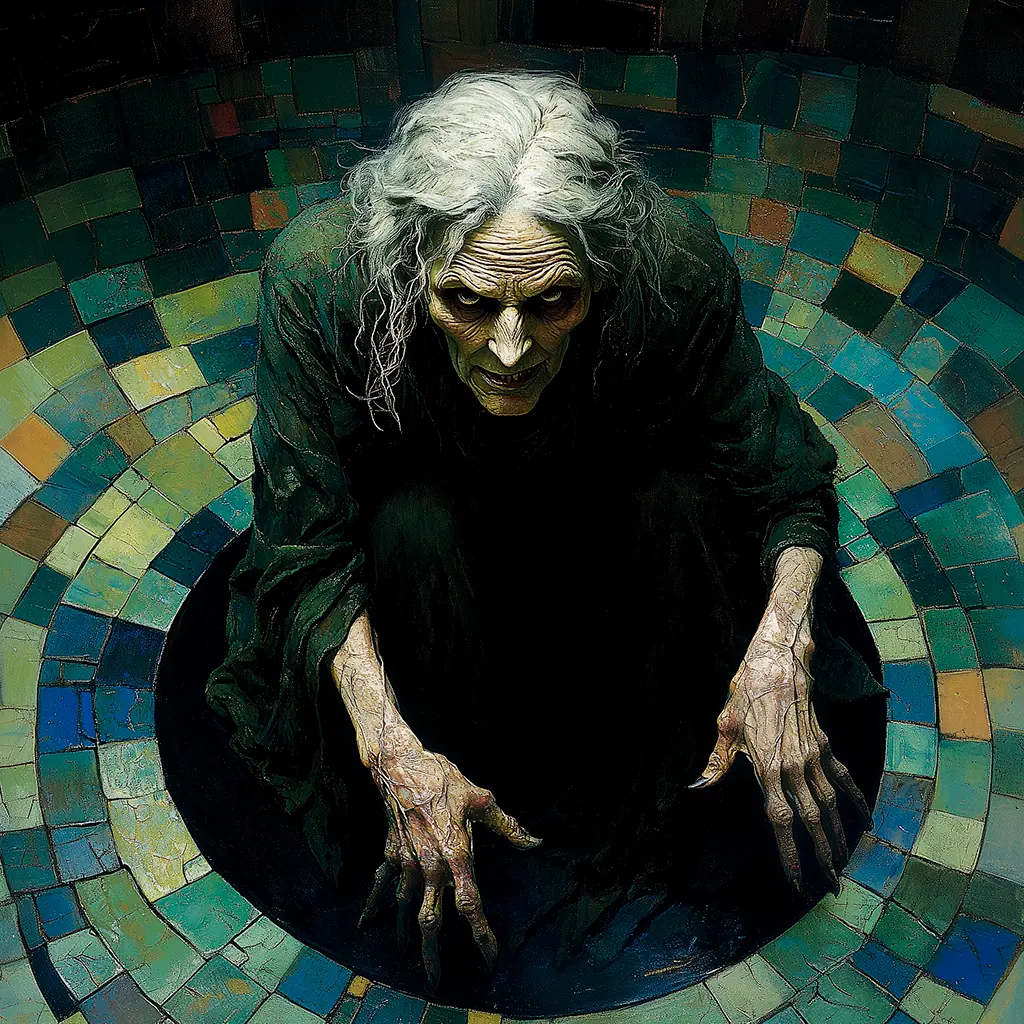
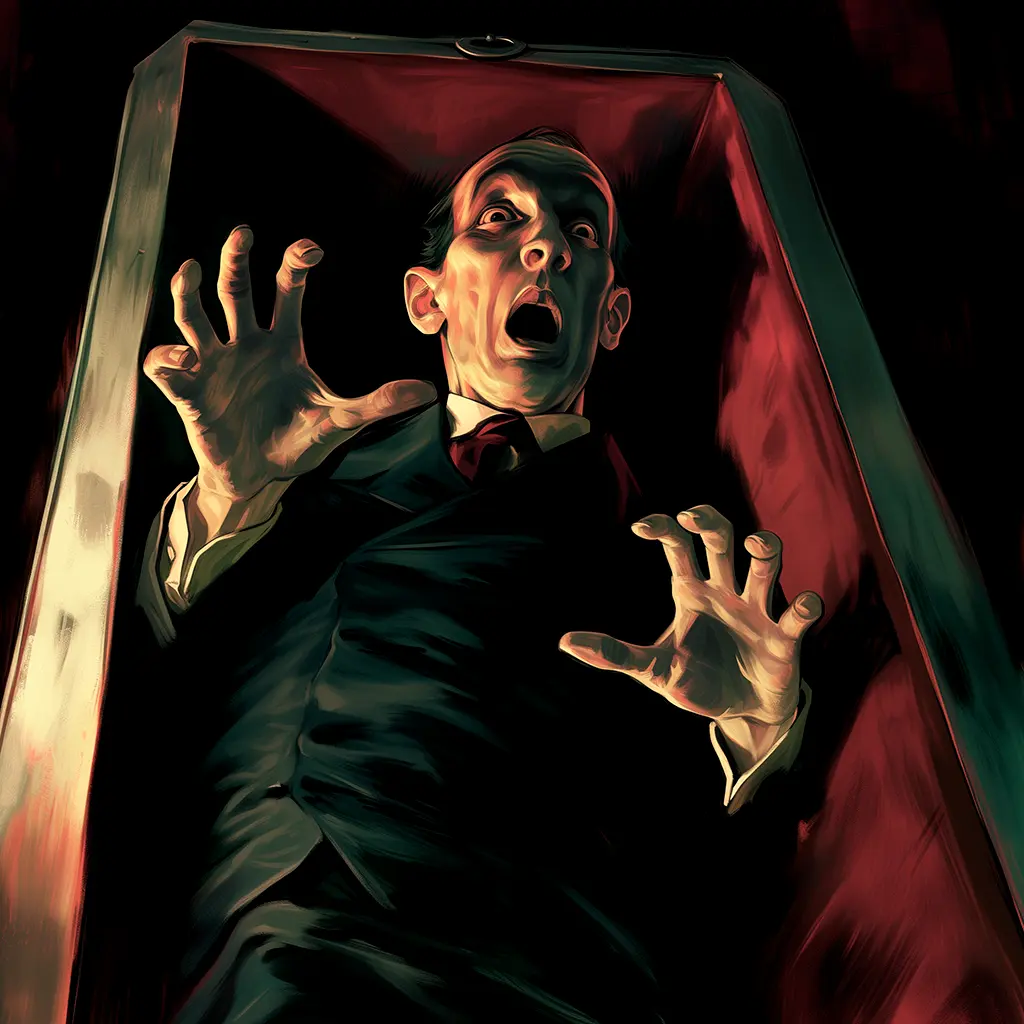
The Father-Thing is a disturbing science fiction short story by Philip K. Dick published in December 1954 in The Magazine of Fantasy and Science Fiction. An eight-year-old, Charles, begins to suspect something terrible is happening to his father. One night, as he enters the garage, he witnesses a disturbing scene: next to his father is an identical replica of him. During dinner, Charles is confronted by the disturbing creature that, he is convinced, has usurped his father’s place. His mother’s incomprehension and the escalation of events that this provokes lead Charles to run away from home in search of help, triggering a desperate struggle to discover the truth in an environment that becomes increasingly oppressive and terrifying.

Ambrose Bierce: An Inhabitant of Carcosa

Ambrose Bierce: An Inhabitant of Carcosa

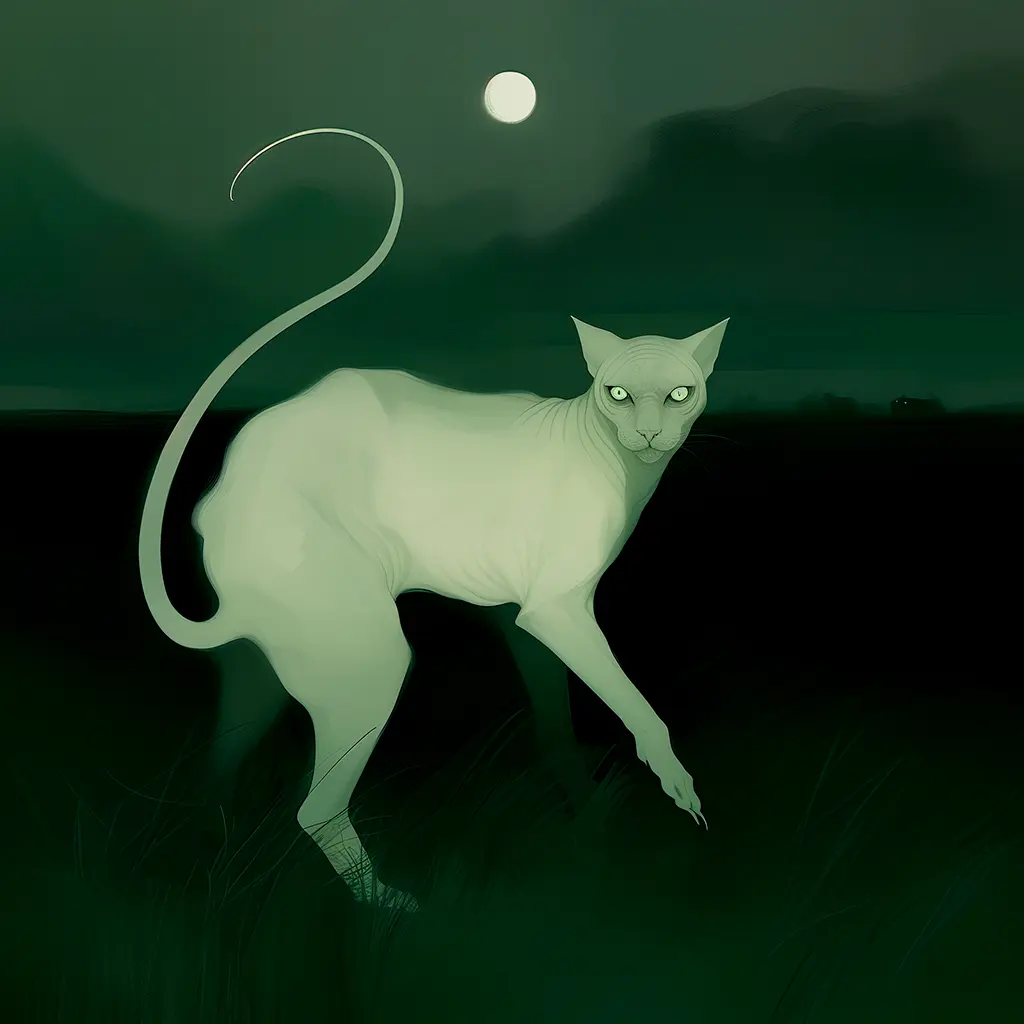
An Inhabitant of Carcosa is a haunting story by Ambrose Bierce, published in the San Francisco Newsletter on 25 December 1886. The story recounts the experience of a man who awakens in a desolate and mysterious landscape populated by withered grasses, dry trees, and ruins that seem to speak of a forgotten past. Lost in these bleak surroundings, the protagonist searches for the path to the ancient city of Carcosa as he ponders the nature of life, death, and his existence, confronting an enigma that transcends time and reality.

Algernon Blackwood: The Transfer

Algernon Blackwood: The Transfer

In Algernon Blackwood’s 1911 short story, “The Transfer,” the narrative revolves around a governess endowed with exceptional perceptive abilities who serves in the household of a wealthy family. The woman forms a unique bond with Jamie, one of the children in the household, who is particularly distressed by a visit from his father’s older brother. It appears that Jamie is experiencing a sense of apprehension towards his uncle, a sentiment that is not fully comprehended by the other members of the household, with the exception of the governess. She hypothesises that she is aware of the underlying cause of the child’s apprehension and its potential correlation with an isolated section of the garden, where, intriguingly, the flora exhibits a distinct lack of growth.

Algernon Blackwood: The Empty House

Algernon Blackwood: The Empty House

“The Empty House” is a haunting short story by Algernon Blackwood, first published in 1906. The tale delves into the terror emanating from a place that appears harmless yet harbors a dark past. Jim Shorthouse accompanies his aunt Julia—an avid enthusiast of the supernatural—on a nocturnal investigation inside a house rumored to be cursed. Though the dwelling itself seems unremarkable, those who enter it are gripped by an inexplicable dread. As the pair ventures deeper into their exploration, the atmosphere grows increasingly oppressive, and the strange phenomena they encounter not only defy their reason but also threaten to shatter their courage.

H. P. Lovecraft: From Beyond

H. P. Lovecraft: From Beyond

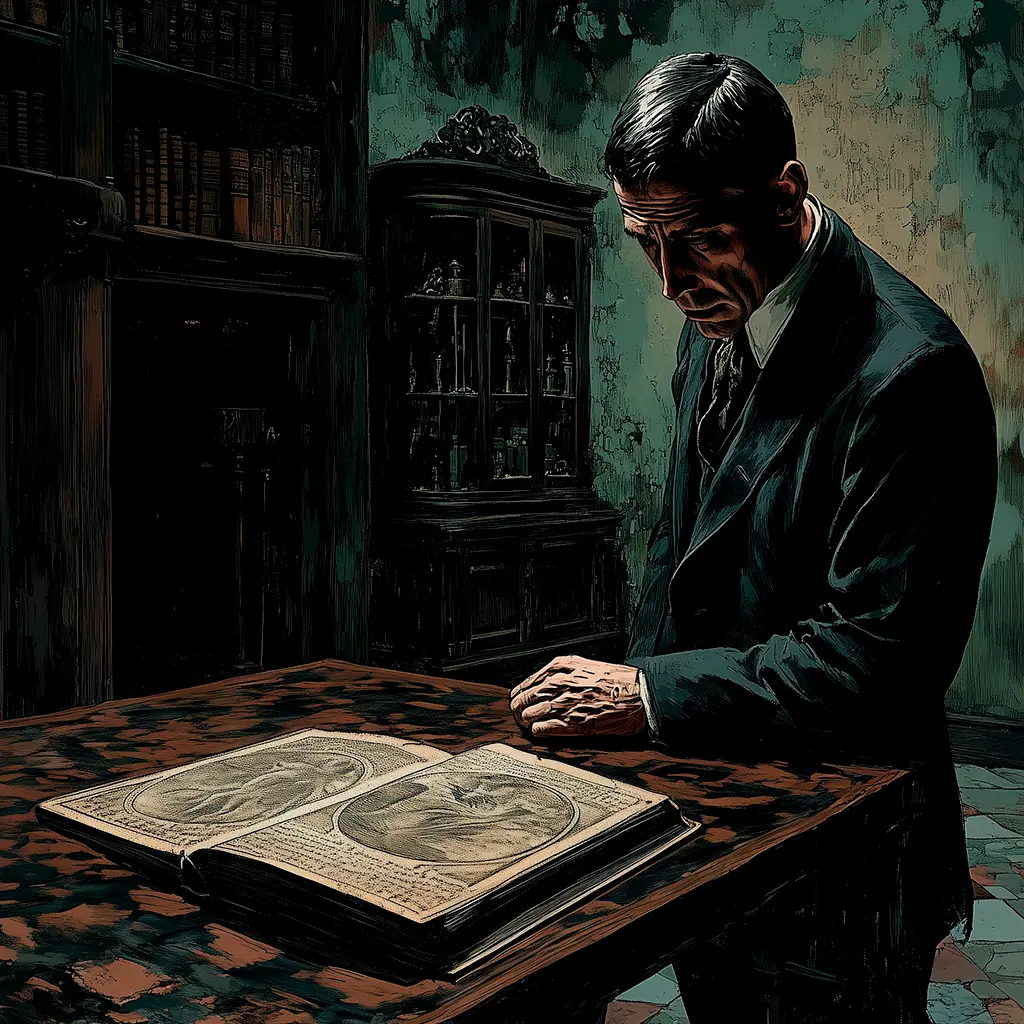
“From Beyond” is a cosmic horror and science fiction short story by H. P. Lovecraft, first published in 1934. It tells the story of Crawford Tillinghast, a scientist obsessed with proving that human perception is limited. After weeks of isolation, he invites a friend to his mansion to show him a machine that, by stimulating the pineal gland, allows one to perceive hidden dimensions. The experiment unveils a terrifying reality inhabited by monstrous entities beyond human understanding, unleashing dreadful consequences for both men and challenging the very limits of sanity and known reality.

Algernon Blackwood: The Doll

Algernon Blackwood - La Muñeca2

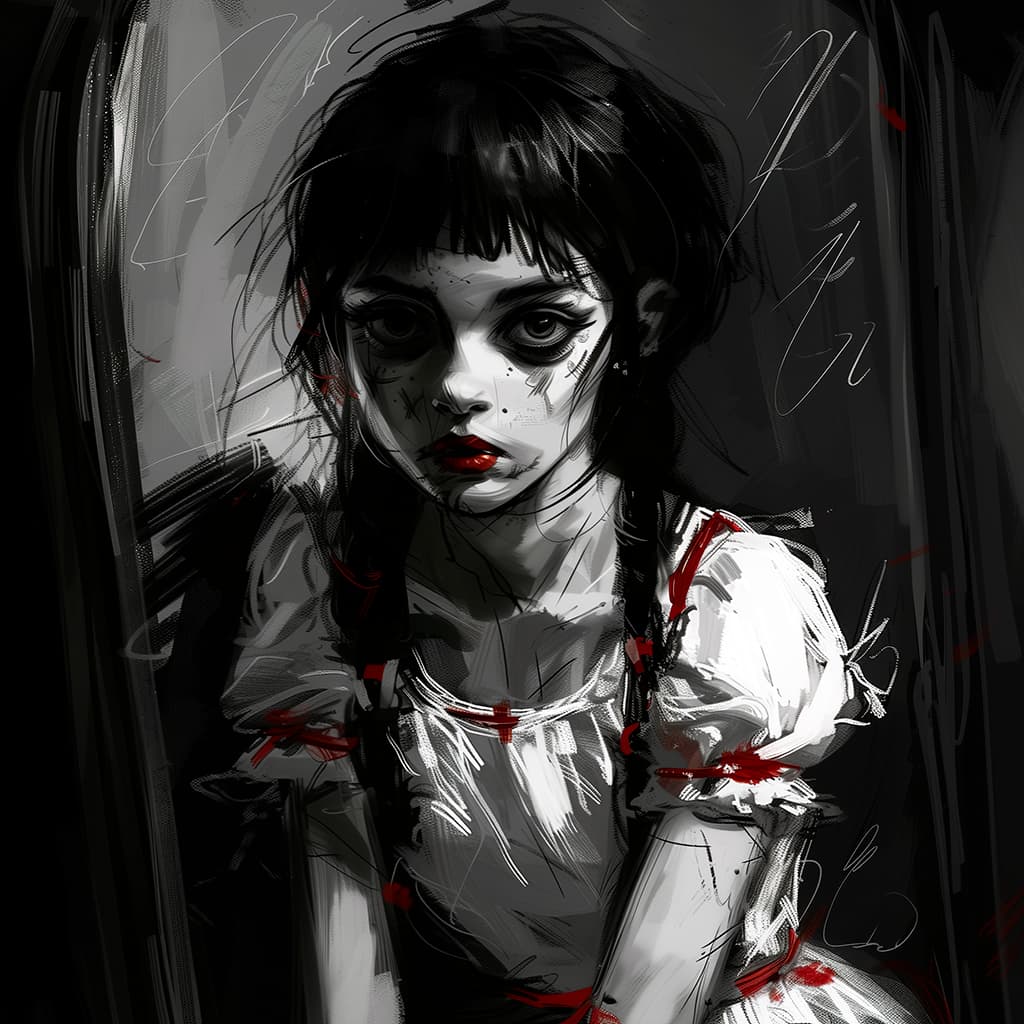
‘The Doll,’ a short story by Algernon Blackwood published in 1946, tells the story of Colonel Hymbers Masters, a retired Indian Army officer. One night, a man brings a package to the Colonel’s house with the express instruction that it is to be delivered only to him. Several days later, the Colonel discovers that the package contains a doll and orders it to be destroyed. The cook, however, disregards the instruction and gives it to Monica, the Colonel’s daughter, who immediately takes a liking to the doll and makes it her companion. From that moment on, mysterious events disrupt life at the Masters’ residence.