August Derleth: The Drifting Snow

August Derleth: The Drifting Snow

“The Drifting Snow” is a vampire story by August Derleth, published in February 1939 in Weird Tales magazine. The story takes place in an old house in Wisconsin during a winter storm. Clodetta, who has just arrived with her husband, begins to sense an unsettling tension in the family atmosphere, marked by Aunt Mary’s rigid character and her strange prohibition against opening the curtains on the west side of the house after sunset. The mysterious rules imposed by the old woman make sense when Clodetta thinks she sees a figure in the snow.
Bram Stoker: Dracula’s Guest

Bram Stoker: Dracula's Guest

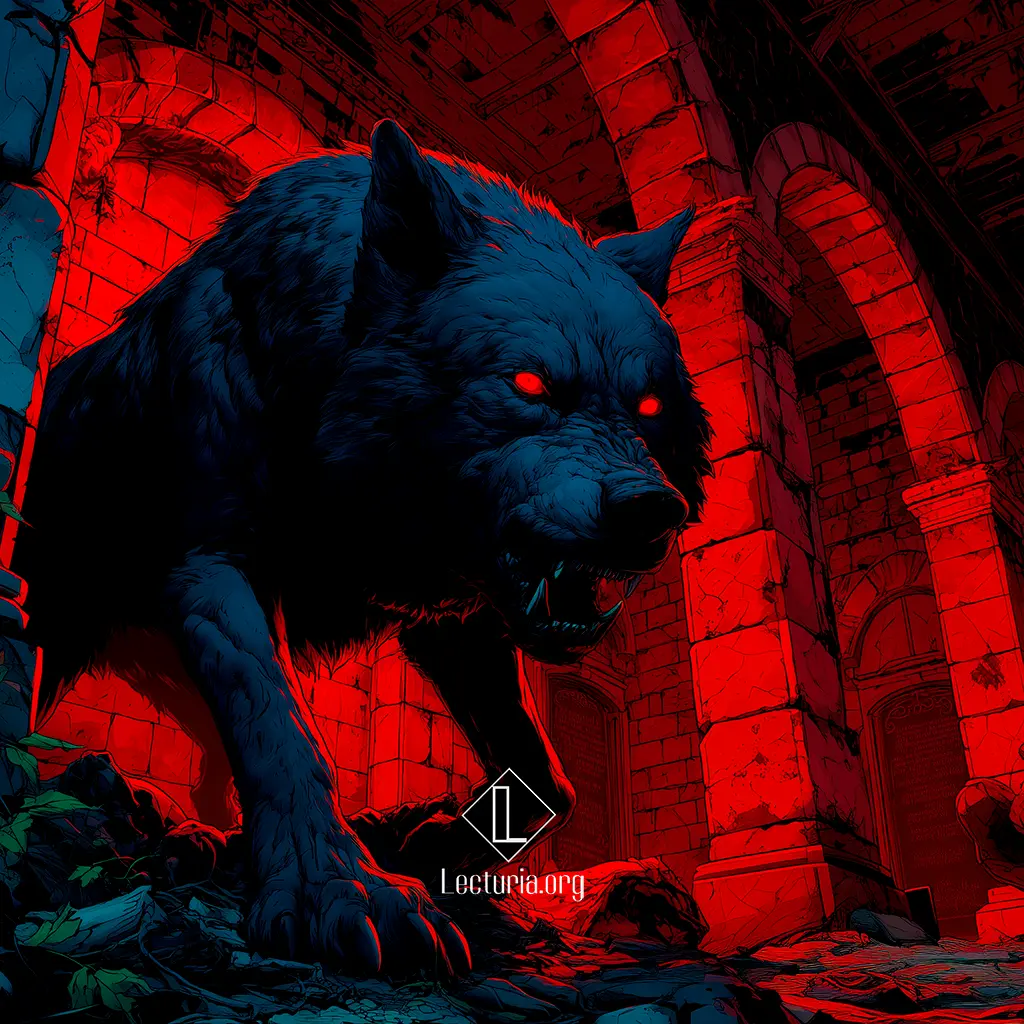
“Dracula’s Guest” is a short story by Bram Stoker, published in 1914 in the collection Dracula’s Guest and Other Weird Stories. Originally conceived as the first chapter of the novel Dracula, it was discarded by the author and published independently after his death. Set in the vicinity of Munich, the story follows a young Englishman who, ignoring the warnings of his coachman, ventures into a desolate landscape on Walpurgis Night. As the snow falls and the surroundings become increasingly threatening, the traveler finds a forgotten mausoleum and begins to sense strange presences that herald the approach of a dark power.

Clark Ashton Smith: The Enchantress of Sylaire

Clark Ashton Smith: The Enchantress of Sylaire

“The Enchantress of Sylaire” is a fantasy story by Clark Ashton Smith, published in Weird Tales in July 1941. Anselme, a young dreamer, retires to live as a hermit in the forests of Averoigne after being rejected by his beloved Dorothée. One day, while trying to bathe in a pond, he meets Sephora, a sorceress of extraordinary beauty. Attracted to her, he accompanies her to her enigmatic abode, where he discovers an enchanted world full of mysteries. However, Sephora’s former lover, Malachie, warns Anselme about the true nature of the sorceress and the dangers that lurk in Sylaire. Anselme must decide who to trust and how to face the dark secrets of the place.

Richard Matheson: Blood Son

Richard Matheson: Blood Son

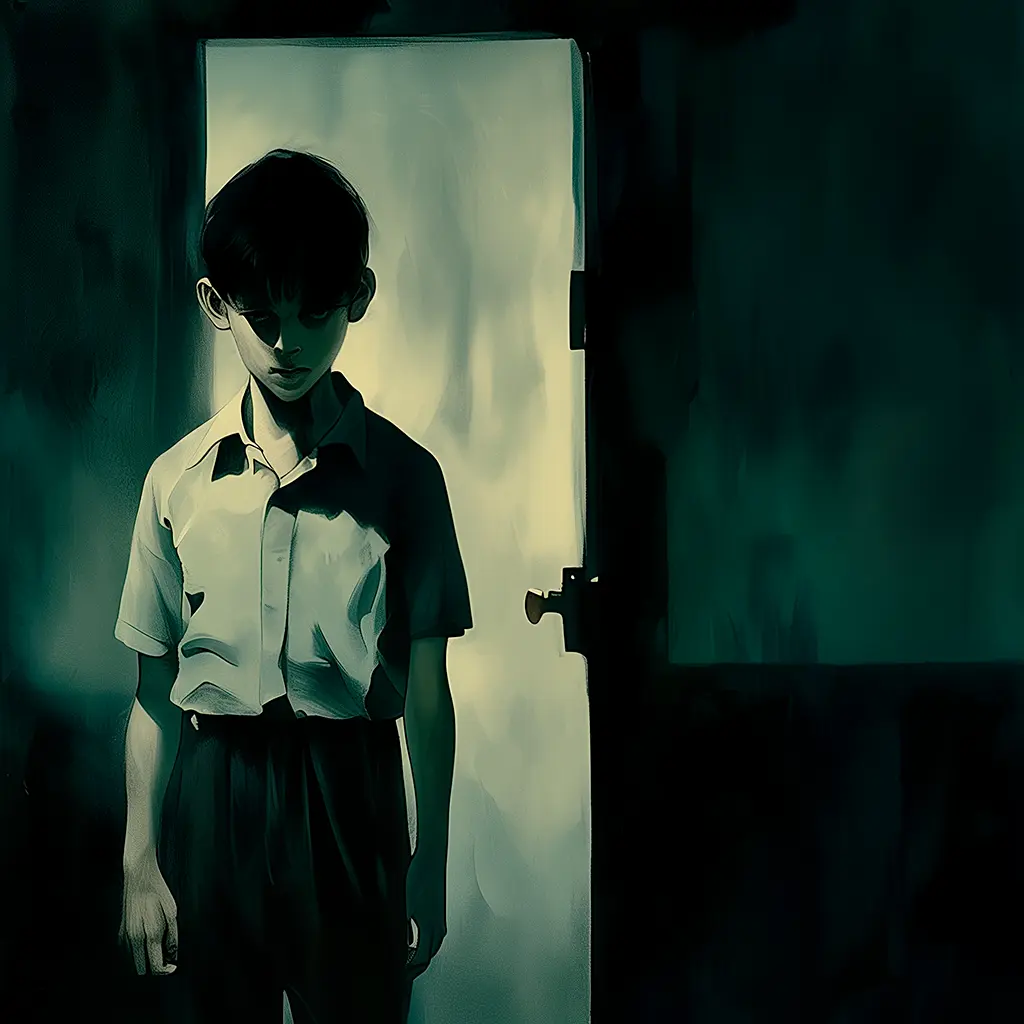
Blood Son is a disturbing short story by Richard Matheson published in Imagination in April 1951. The story follows Jules, a strange and lonely boy who, from birth, proves to be different: his appearance, behavior, and obsession with darkness baffle his surroundings. His fascination with vampires arises after watching a Dracula movie, which leads him to immerse himself in a dangerous fixation with the idea of becoming one. As Jules seeks to make sense of his obsession, his life turns dark and disturbing, reflecting his struggle to belong in a world he doesn’t understand.

Algernon Blackwood: The Transfer

Algernon Blackwood: The Transfer

In Algernon Blackwood’s 1911 short story, “The Transfer,” the narrative revolves around a governess endowed with exceptional perceptive abilities who serves in the household of a wealthy family. The woman forms a unique bond with Jamie, one of the children in the household, who is particularly distressed by a visit from his father’s older brother. It appears that Jamie is experiencing a sense of apprehension towards his uncle, a sentiment that is not fully comprehended by the other members of the household, with the exception of the governess. She hypothesises that she is aware of the underlying cause of the child’s apprehension and its potential correlation with an isolated section of the garden, where, intriguingly, the flora exhibits a distinct lack of growth.

Ray Bradbury: The Man Upstairs

Ray Bradbury: The Man Upstairs

“The Man Upstairs” is a disturbing short story by Ray Bradbury, first published in Harper’s Magazine in March 1947. The story follows Douglas, a curious boy who lives with his grandmother, a woman skilled in the kitchen whose culinary rituals fascinate him. One day, a strange man named Mr. Koberman arrives at the boarding house to rent the upstairs room. From the moment he appears, the atmosphere in the house becomes tense and mysterious. Intrigued by the newcomer’s peculiar behavior, Douglas begins to suspect that there is something very unusual about him—something that defies all logic.