Flannery O’Connor: A Good Man Is Hard to Find

Flannery O’Connor: A Good Man Is Hard to Find

“A Good Man Is Hard to Find” is a short story by Flannery O’Connor, published in 1953. A family from the southern United States embarks on a vacation trip to Florida. During the trip, the grandmother entertains her grandchildren with stories from her youth. Captivated, the children insist on taking a detour to visit an old plantation that their grandmother mentions in her stories. Despite the father’s resistance, he finally gives in to family pressure and takes a rural road suggested by his mother. This seemingly innocuous decision will lead the group to an unexpected encounter with destiny.

Mary Shelley: The Pilgrims

Mary Shelley: The Pilgrims

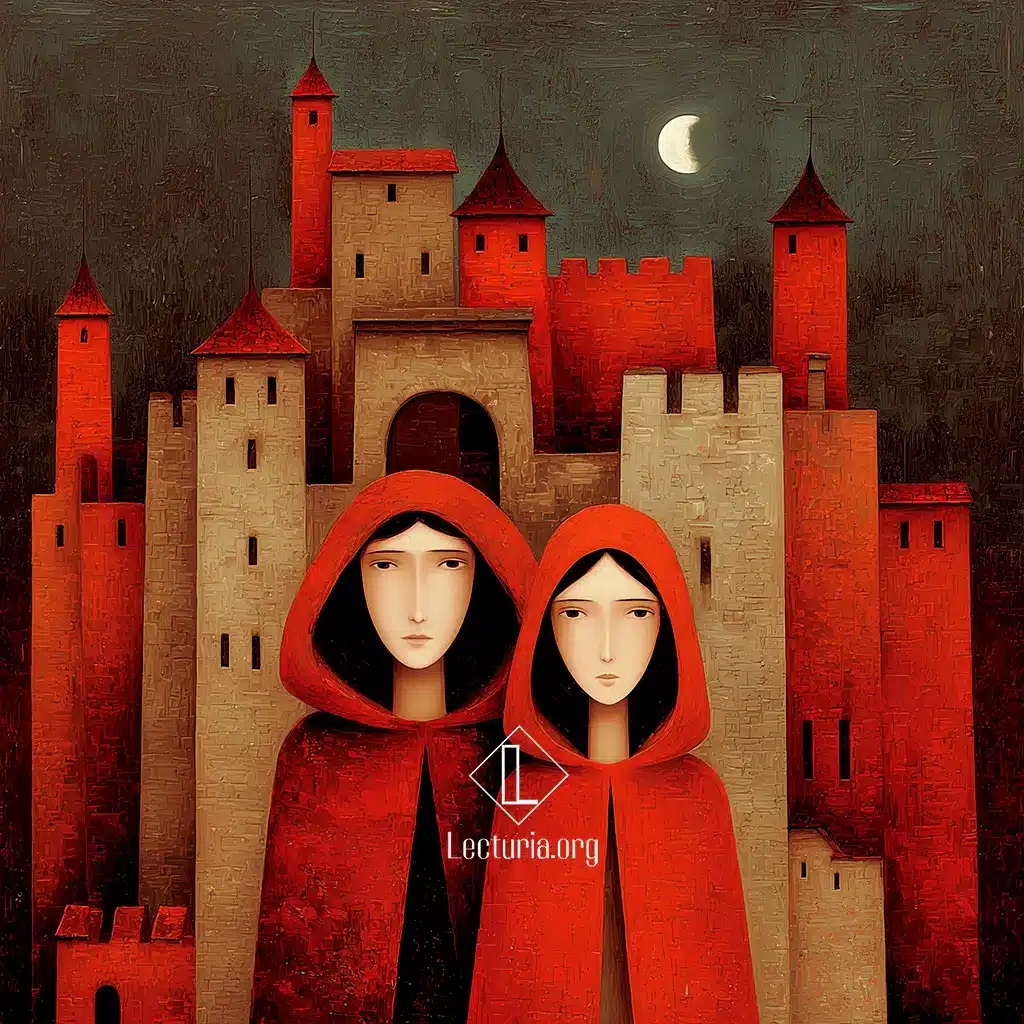
“The Pilgrims” is a short story by Mary Shelley, published in 1837 in The Keepsake and later included in the collection Tales and Stories (1891). Burkhardt of Unspunnen, a lonely old knight, lives tormented by painful memories. One night, two young pilgrims arrive at his castle seeking shelter, and he welcomes them generously. The strangers, moved by their host’s obvious distress, beg him to share the reason for his sorrow. Burkhardt then recounts the story of an irreparable loss and devastating regret that consumes his existence.

Jack London: Love Of Life

Jack London: Love Of Life

In “Love of Life,” Jack London recounts the harrowing journey of two men lost in the Canadian wilderness. Weak and starving, they struggle to survive as an unforgiving nature subjects them to relentless trials. Faced with dwindling food supplies and mounting injuries, their bond fractures and one abandons the other. From that moment on, the narrative follows the solitary odyssey of the deserted man, who—stripped of nearly everything—must find the strength and the means to keep going. The story explores the outer limits of human endurance and the tenacious fight for life amid overwhelming desolation.

Arthur Conan Doyle: The New Catacomb

Arthur Conan Doyle: The New Catacomb

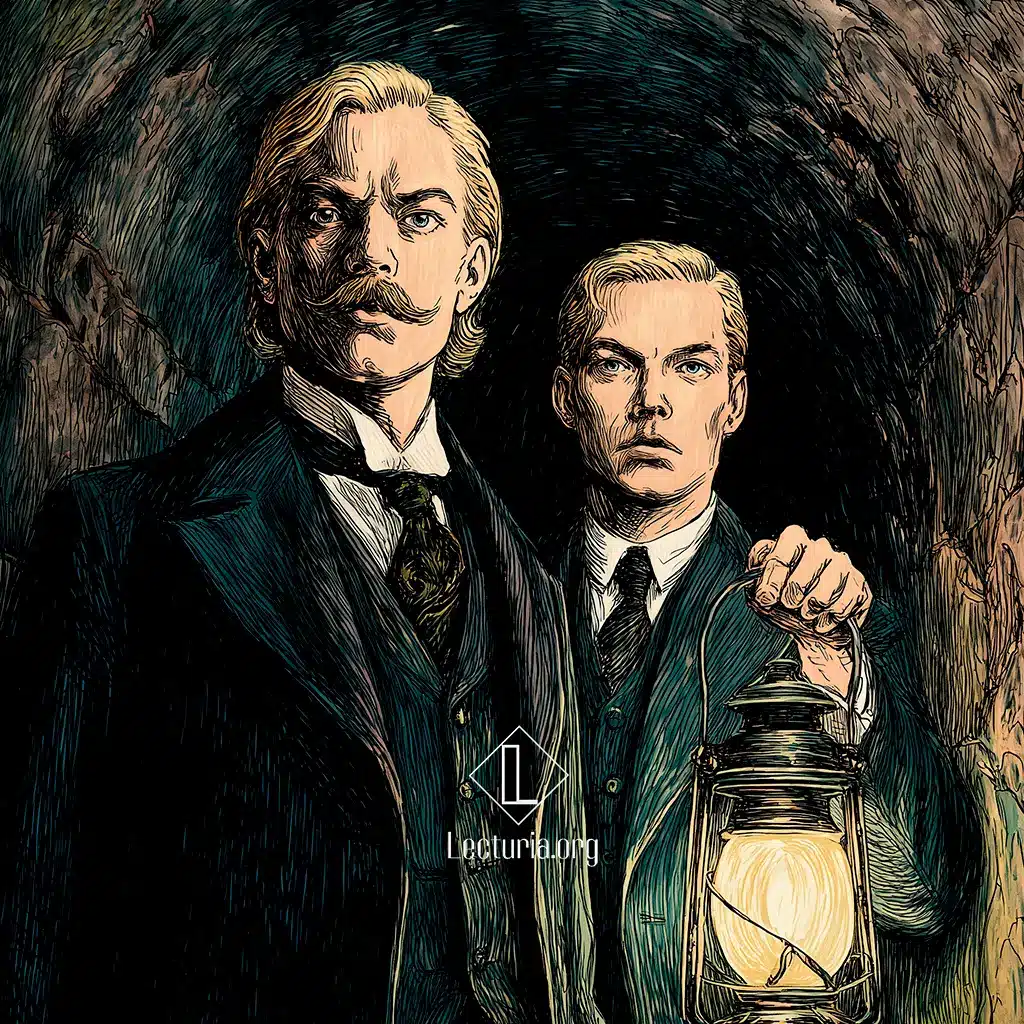
“The New Catacomb” is a short story by Arthur Conan Doyle, published in 1898 in The Sunlight Year-Book. In late nineteenth-century Rome, Burger and Kennedy are two young, eminent archaeologists bound by a relationship of intellectual rivalry and mutual admiration. During a conversation at Kennedy’s house, Burger confides to him an extraordinary discovery: he has found a Christian catacomb from the Roman period, intact and previously unknown. Fascinated, Kennedy presses to see the site and gain access to its secrets. After showing some reluctance, Burger agrees to guide him on a nocturnal exploration, but first imposes a peculiar condition.

Mary Shelley: The Evil Eye

Mary Shelley: The Evil Eye

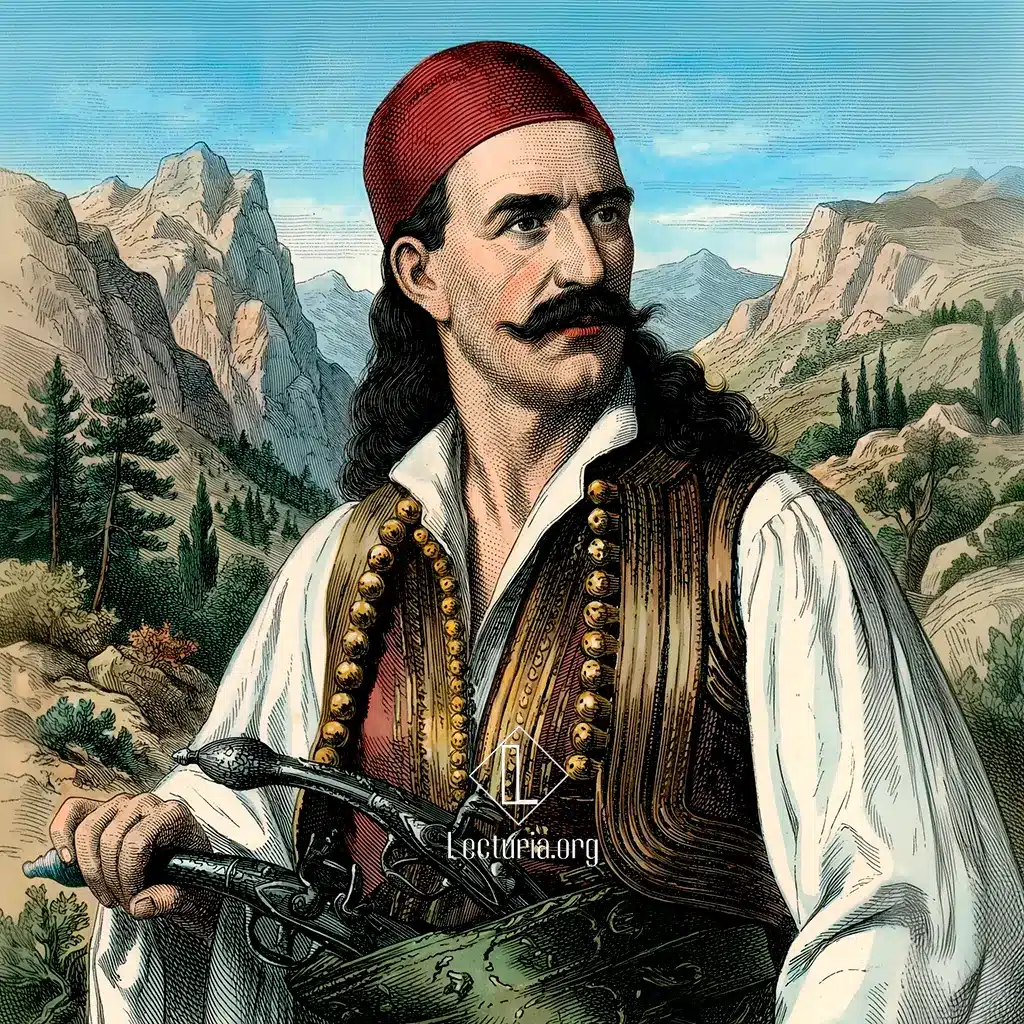
“The Evil Eye” is a short story by Mary Shelley, first published in 1829 in The Keepsake and later collected in Tales and Stories (1891). Set in the Balkans under Ottoman rule, it tells the story of Dmitri, a feared Albanian bandit believed to possess the supernatural power to cause harm with his gaze. His tragic past and formidable reputation inspire fear and superstition among the region’s inhabitants. When a former companion arrives seeking his help to recover a family inheritance, Dmitri agrees to take part in a scheme that will lead him through a labyrinth of adventures, where violence, honor, and a thirst for revenge threaten to awaken ghosts long thought buried.

Charles Dickens: The Poor Relation’s Story

Charles Dickens: The Poor Relation’s Story

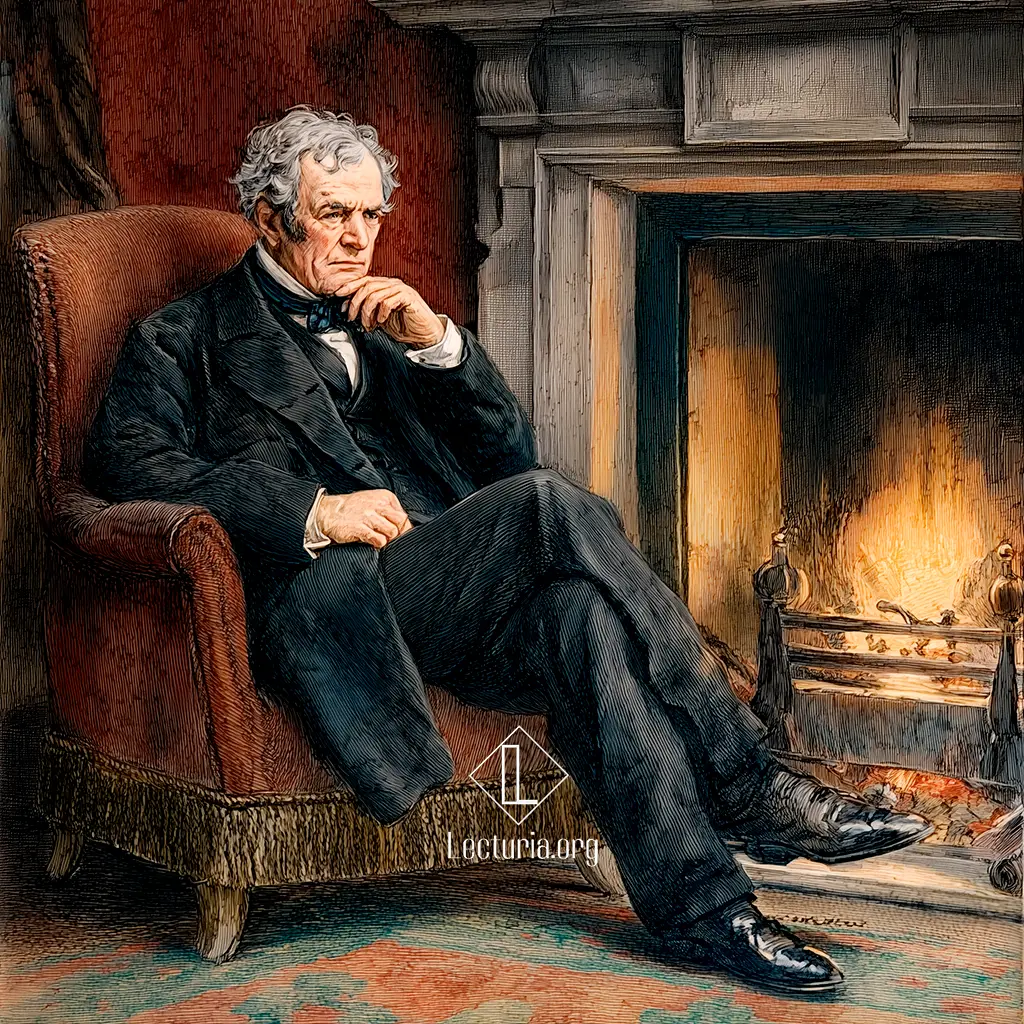
“The Poor Relation’s Story” is a short story by Charles Dickens, published on December 25, 1852, in the magazine Household Words. During a family gathering, Michael—a humble, discreet man—is compelled to begin the round of Christmas tales. In a reflective tone, he opens his narration by setting out the image his family has of him: a failed relative, solitary and penniless, condemned to a drab and routine existence, whose chief enemy is himself. Yet he maintains that behind this appearance, accepted by all, there lies a story very different from the one others believe they know.