F. Scott Fitzgerald: Pat Hobby’s Christmas Wish

F. Scott Fitzgerald: Pat Hobby’s Christmas Wish

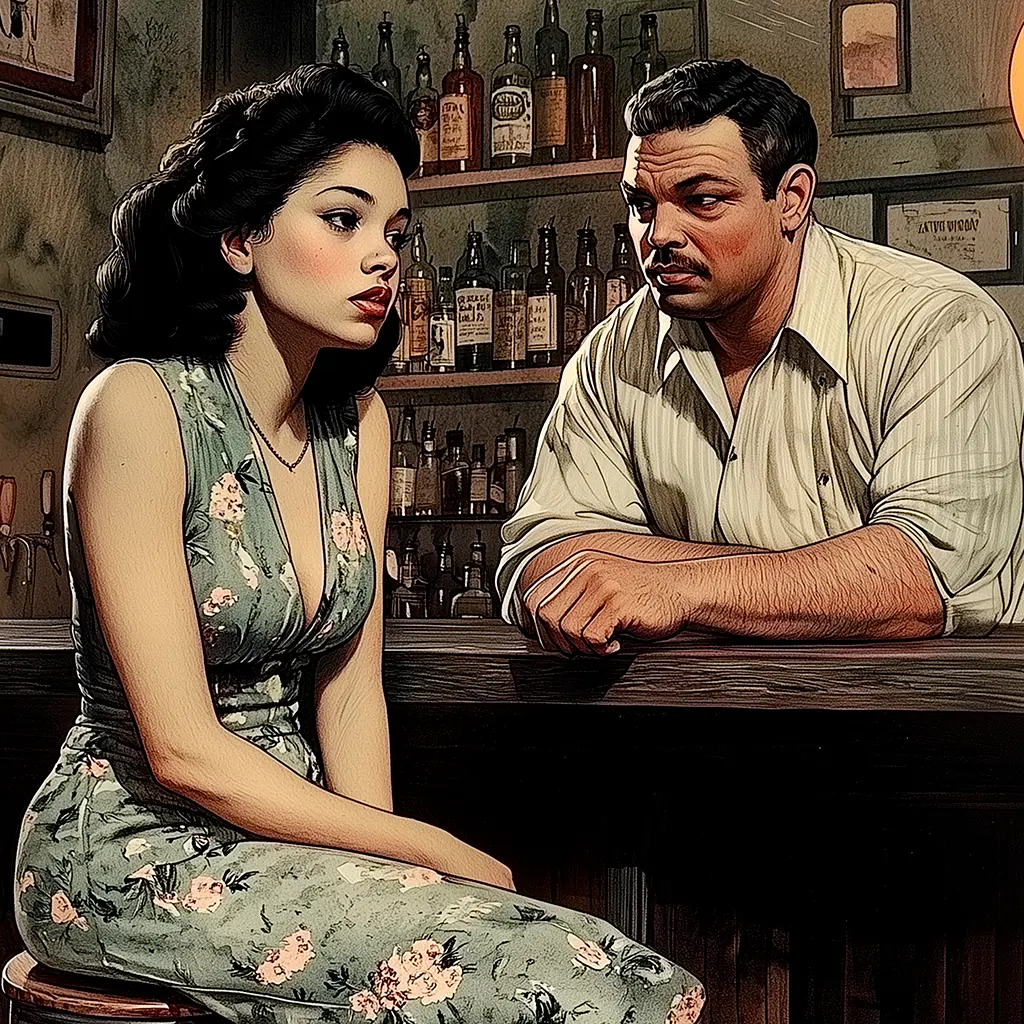
“Pat Hobby’s Christmas Wish” is a short story by Francis Scott Fitzgerald, published in Esquire in January 1940. The story follows Pat Hobby, a mediocre and declining screenwriter, trapped in the Hollywood studio grind and forced to work on Christmas Eve. His bitter existence takes an unexpected turn with the arrival of Helen Kagle, his new secretary, who, barely settled in, bursts into tears, leaving Pat bewildered. In trying to console her, Pat discovers that Helen is keeping a secret about a top studio executive and a letter that could change, perhaps forever, their fortunes.

Horacio Quiroga: A Slap in the Face

Horacio Quiroga: A Slap in the Face

‘A Slap in the Face’ is a short story by Horacio Quiroga, published in Fray Mocho on 28 January 1916, which explores violence and revenge in the obrajes of Alto Paraná. The story, set in the Paraná jungle, opens with Acosta, an unscrupulous steward who traffics caña among the labourers on the steamship Meteoro, unleashing chaos that is eventually brutally repressed. When order is restored, only one mensú is punished, tied to the ship’s mast. Unable to hold Acosta accountable, Korner, a ruthless skipper, turns his anger on the immobilised mensú, slapping him in the face. This abuse of power unleashes a simmering conflict that will continue for years.

Truman Capote: A Christmas Memory

Truman Capote: A Christmas Memory

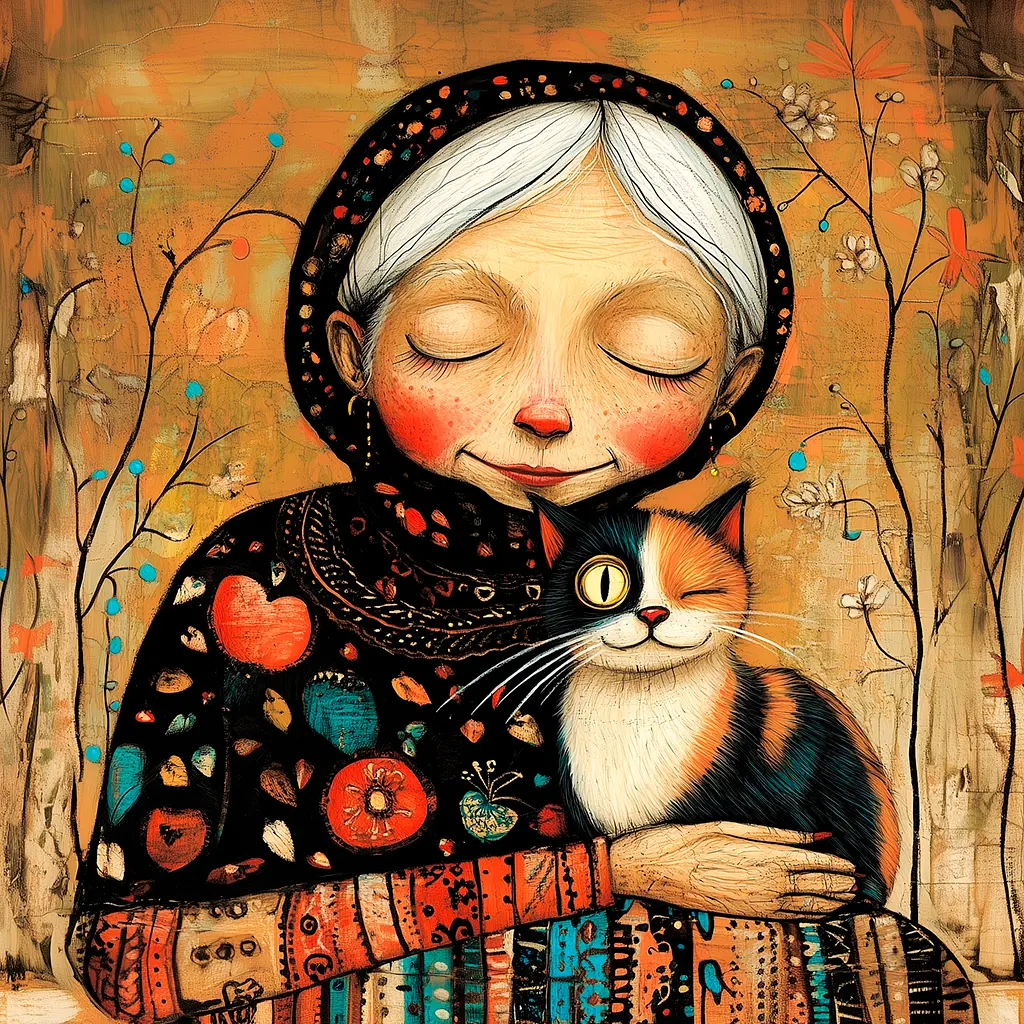
“A Christmas Memory” is a touching short story by Truman Capote, published in Mademoiselle in December 1956. In a nostalgic autumn in the southern United States, a seven-year-old boy and his quirky and loving cousin prepare to carry out their annual tradition of making fruit pies to give away at Christmas. Bound by a close friendship, they roam the countryside gathering fruit and visiting unique corners of the village to gather the necessary ingredients. For them, Christmas is not just another social event, but an intimate ritual that celebrates tenderness, imagination, and the bonds of the heart.

Charles Dickens: The Convict’s Return

Charles Dickens: The Convict’s Return

“The Convict’s Return” is a short story by Charles Dickens published in 1837 in The Posthumous Papers of the Pickwick Club. It tells the harsh story of a family in England. The father, Edmunds, is a man despised by the community because of his violent nature and dissolute life. His wife, despite constant abuse, remains devoted to her son, whom she cares for with love and dedication. The boy, growing up in an abusive environment, becomes a rebellious young man, a true reflection of his father. As the years pass, the boy strays from the straight and narrow and falls into disgrace, while his mother, steadfast in her love, tries to support him with faith and sacrifice.

Ernest Hemingway: Cat in the Rain

Ernest Hemingway: Cat in the Rain

“Cat in the Rain” is a short story by Ernest Hemingway, published in 1925 in the book In Our Time. In an Italian hotel facing the sea, an American couple spends a gray and rainy day. From the window, the woman looks out at a deserted garden and notices a cat trying to shelter from the rain under a table. Moved by compassion, she decides to go down and look for it while her husband stays in the room reading. The journey through the hotel, the attentive treatment of the owner, and the constant rain frame an everyday scene that barely hides the emotional distance, lack of communication, and atmosphere of dissatisfaction surrounding the couple.

Gabriel García Márquez: Tuesday Siesta

Gabriel García Márquez: Tuesday Siesta

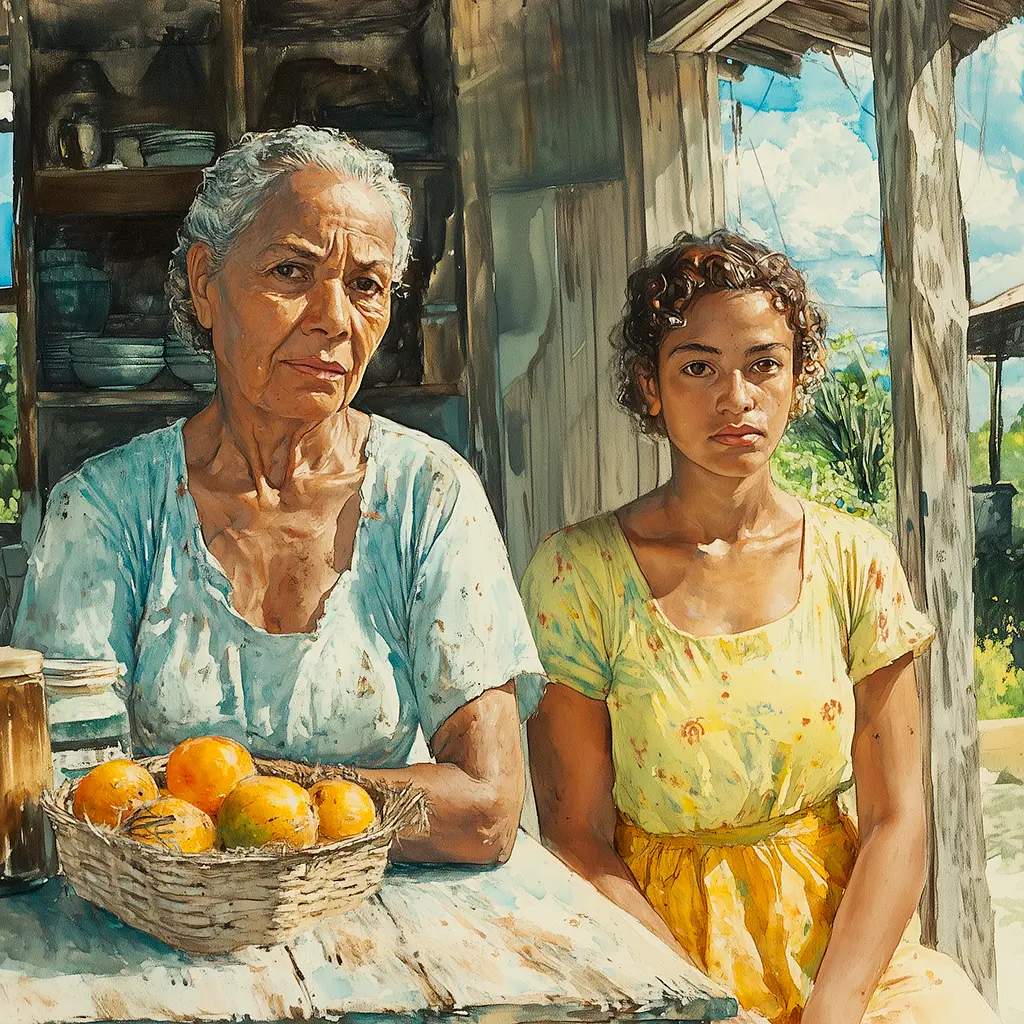
“Tuesday Siesta” (La siesta del martes) by Gabriel García Márquez tells the story of a mother and her daughter who travel to a small town on a hot August day. Their visit has a particular purpose that arouses the curiosity of the local inhabitants. As the plot unfolds, the reasons behind their journey and the history of their family are revealed. The story explores themes such as dignity, social judgment, and the complexities of family relationships, all within the context of a traditional Latin American society.