James Baldwin: Sonny’s Blues

James Baldwin: Sonny’s Blues

“Sonny’s Blues” is a short story by James Baldwin, published in 1957 in Partisan Review. Set in Harlem in the mid-20th century, the story begins when a professor learns that his younger brother, Sonny, has been arrested for selling and using heroin. This news triggers a profound reflection on their shared childhood, family tensions, and the harsh conditions of the neighborhood where they grew up. As he tries to reconnect with Sonny, the narrator is confronted with suffering, isolation, and the redemptive power of music as a form of expression and resistance.

Kate Chopin: Regret

Kate Chopin: Regret

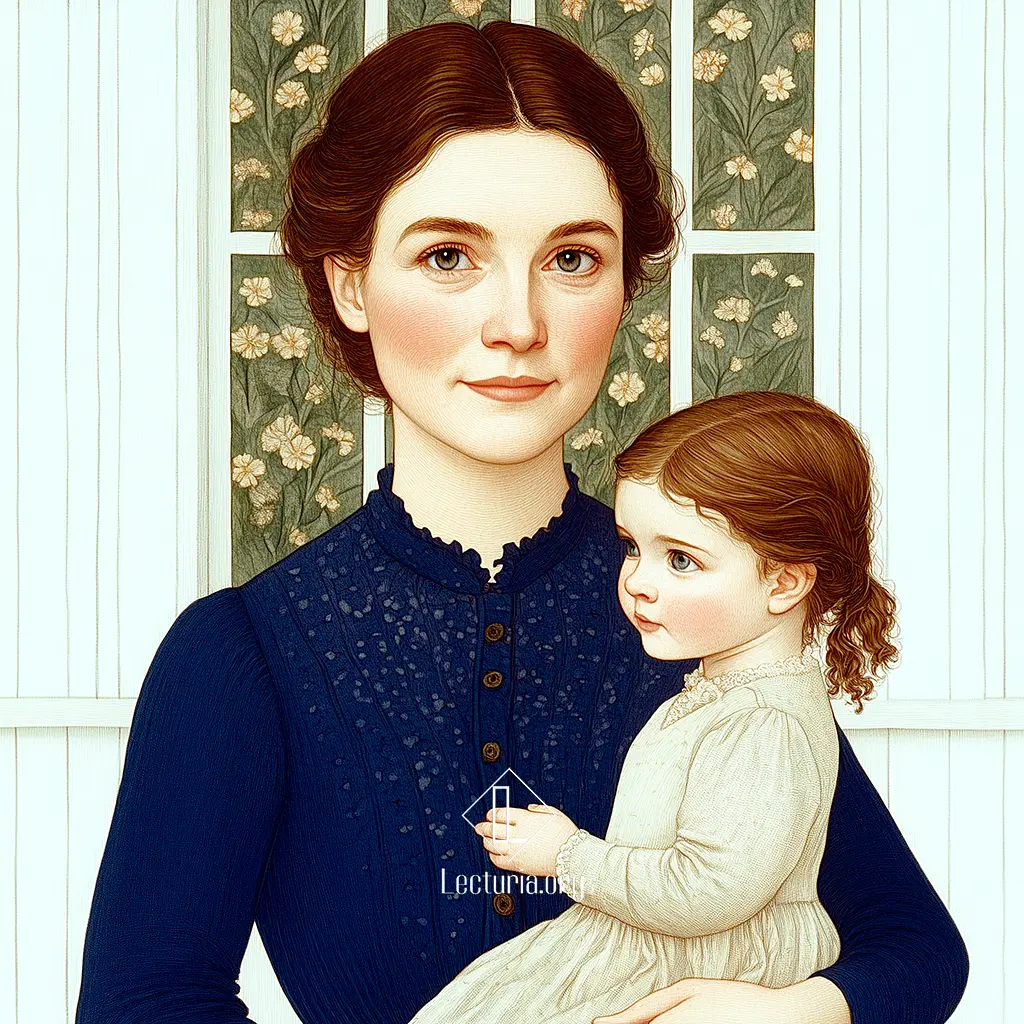
“Regret” is a short story by Kate Chopin, published in May 1895 in Century magazine and later collected in the book A Night in Acadie (1897). The story centers on Mamzelle Aurélie, a strong-willed country woman who has never married and has no desire to do so. One day, her quiet routine is disrupted when she must care for her neighbor’s four young children. With no experience with children and reluctance to show affection, Mamzelle Aurélie begins a forced coexistence that tests her customs, patience, and deepest convictions.

Dorothy Parker: A Telephone Call

Dorothy Parker - Una llamada telefónica

“A Phone Call” is a short story by Dorothy Parker, published in January 1928 in The Bookman. Through an anxious inner monologue, a woman desperately waits for the man she loves to keep his promise to call her. As she watches the clock and struggles not to succumb to the temptation to dial him, her mind wanders between hope, pleading, and humiliation. With an intimate and direct style, Parker sharply portrays the emotional fragility, the self-deception, and the intensity of unrequited desire in an everyday but deeply moving situation.

Doris Lessing: An Old Woman and her Cat

Doris Lessing: An Old Woman and her Cat

An Old Woman and her Cat is a short story by Doris Lessing, published in 1972 in the New American Review. It tells the story of Hetty, an older woman marginalized by her family and society, who survives as best she can on the fringes of London. Proud, eccentric, and free, Hetty finds comfort in Tibby, a stray cat she adopts and makes her only companion. The story focuses on her wanderings through run-down neighborhoods, her struggle to remain independent, and her endearing bond with the animal in an environment that becomes increasingly hostile and indifferent.

Clarice Lispector: Covert Joy

Clarice Lispector - Felicidad clandestina

Covert Joy (Felicidade clandestina) is a short story by Clarice Lispector, published in 1971. It tells the story of a girl who is passionate about reading and longs for a book that is impossible for her. The daughter of a bookshop owner, a cruel and manipulative girl, promises to lend it to her but always finds new excuses to deny it. The protagonist, clinging to hope, returns daily a prisoner of an illusion that always eludes her.

Gabriel García Márquez: The Woman Who Came at Six O’clock

Gabriel García Márquez: The Woman Who Came at Six O’clock

The Woman Who Came at Six O’clock (La mujer que llegaba a las seis) is a short story by Gabriel García Márquez published in 1950 in El Espectador. The story takes place in a small restaurant where José, the owner, receives a woman every afternoon who always arrives at the same time. However, that afternoon, although her routine seems intact, she insists that she has arrived earlier. Through a tense dialogue full of innuendo, the woman gradually reveals the reason for her behavior.