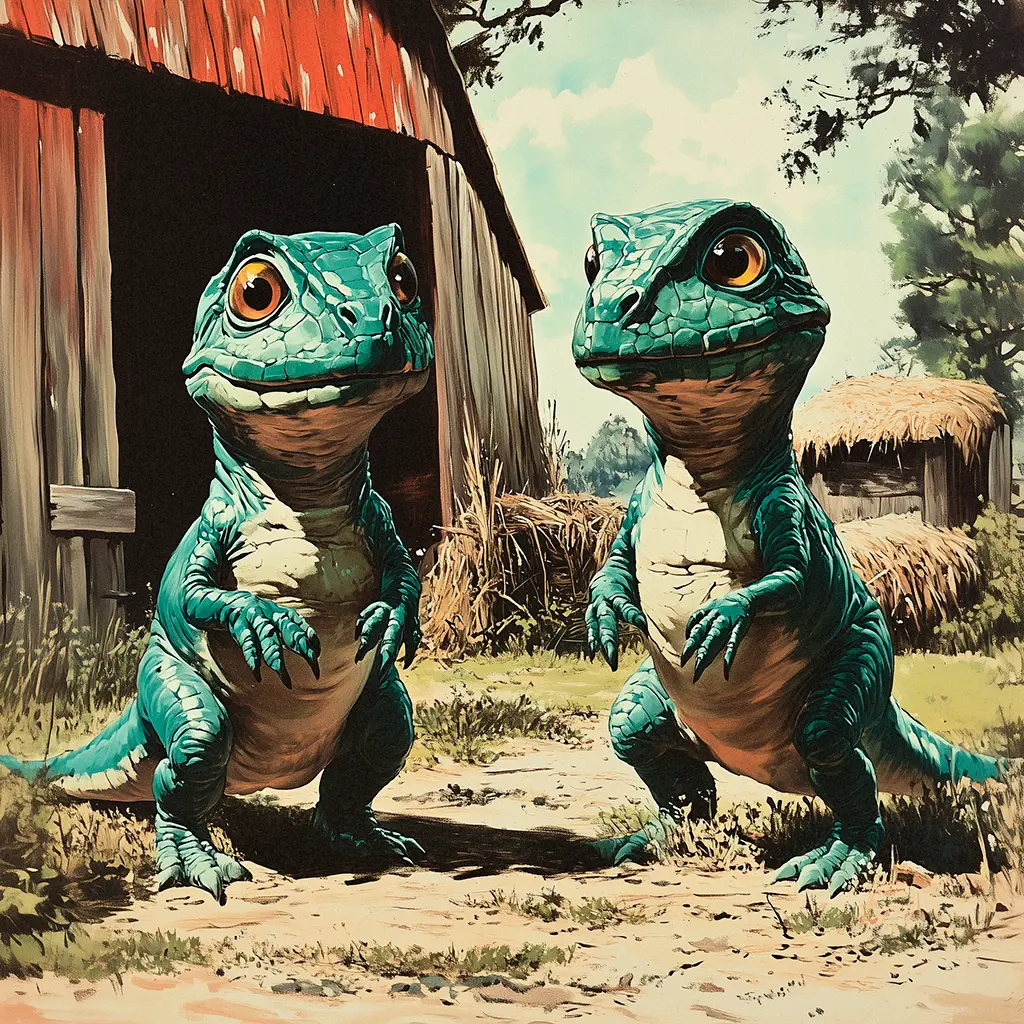
Lester del Rey: The Day Is Done

Lester del Rey: The Day Is Done

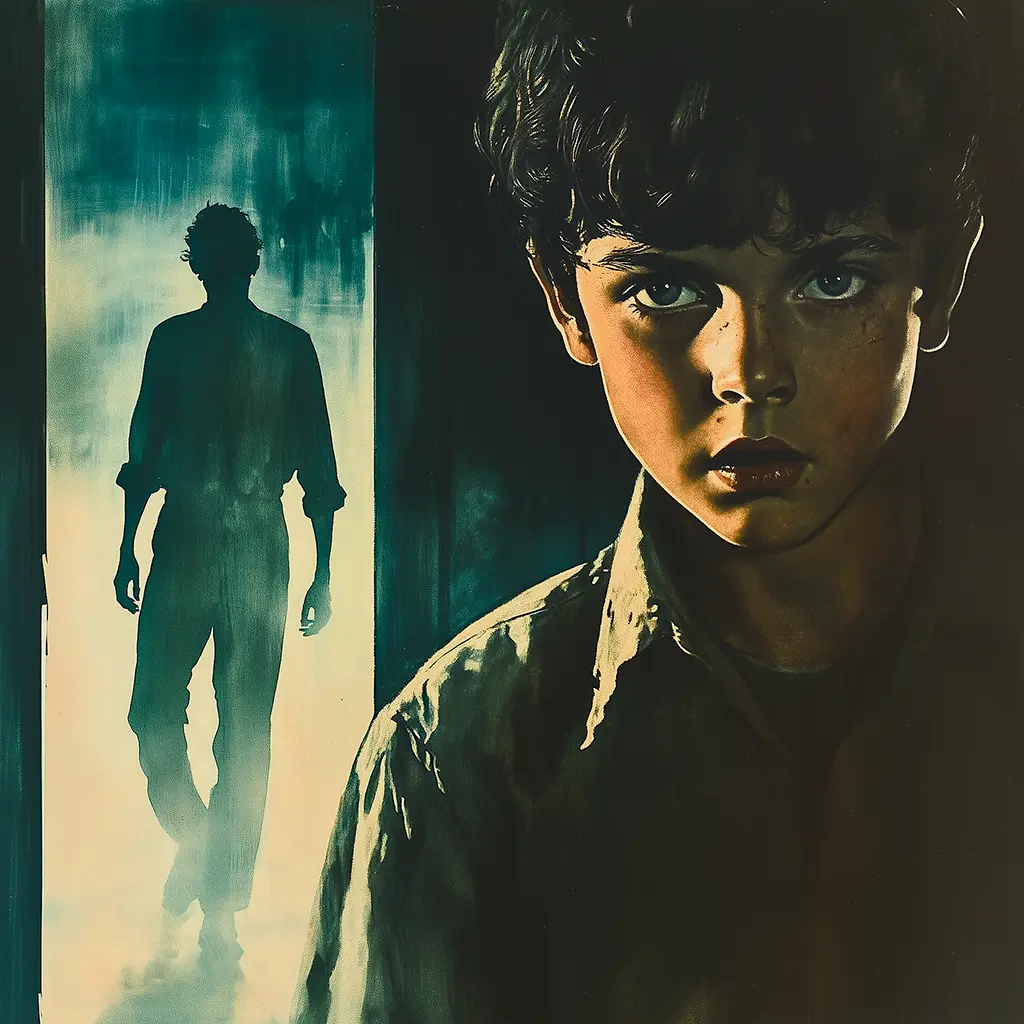
The Day Is Done is a science fiction story by Lester del Rey, published in May 1939 in Astounding Science-Fiction magazine. The story follows Hwoogh, an old Neanderthal who sadly contemplates the decline of his world. His people were strong and dominant in his youth, but now the ‘Talkers’ (as he calls the Cro-Magnons) have invaded their lands, imposing new customs and technologies. As Hwoogh recalls the glory days of his tribe, he feels the weight of decay and the imminent extinction of his species. A moving tale that, as Isaac Asimov recounted, brought him to tears as he traveled on the underground on his way to teach at Columbia University.

Ursula K. Le Guin: The Ones Who Walk Away from Omelas. Summary and analysis

Ursula K. Le Guin: The Ones Who Walk Away from Omelas. Summary and analysis

In “The Ones Who Walk Away from Omelas,” Ursula K. Le Guin presents a utopian city filled with joy, beauty, and prosperity, where citizens live in harmony and celebrate life’s pleasures. However, this idyllic society harbors a dark secret: the happiness of all depends on the perpetual suffering of a single, neglected child locked away … Read more

Ursula K. Le Guin: The Ones Who Walk Away from Omelas

Ursula K. Le Guin: The Ones Who Walk Away from Omelas

The Ones Who Walk Away from Omelas is a short story by Ursula K. Le Guin, published in 1973. The story takes us to a utopian city where the happiness of all the inhabitants depends on a dark and terrible secret. Through an involving and provocative prose, Le Guin invites us to question morality and the price of collective happiness. In this dream city, some choose to stay, but others, moved by the injustice, decide to leave Omelas forever. This story challenges the reader to reflect on sacrifice and ethics in the search for an ideal society.

Isaac Asimov: Robot Dreams. Summary and analysis

Isaac Asimov: Robot Dreams. Summary and analysis

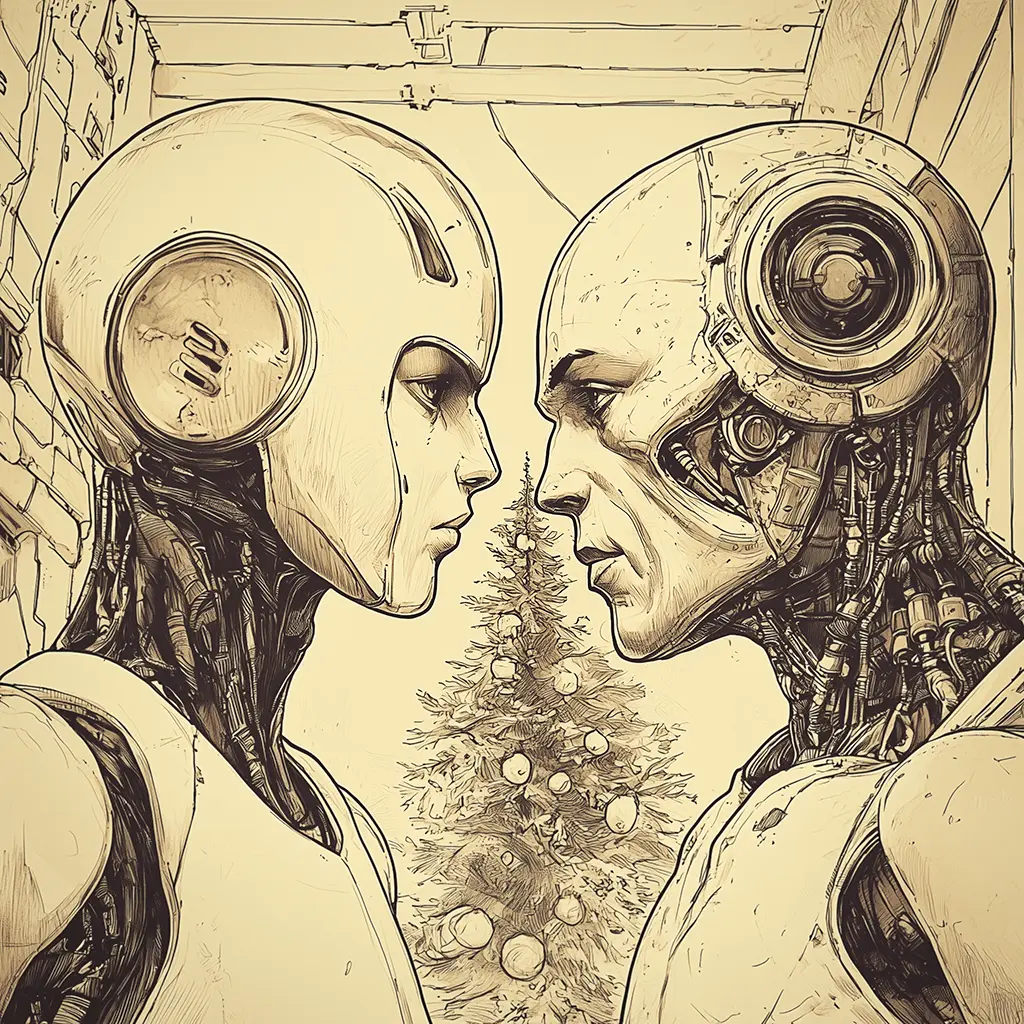
In Isaac Asimov’s “Robot Dreams,” Dr. Susan Calvin, an experienced robopsychologist, investigates an unprecedented event: a robot named Elvex has begun dreaming. Created by the ambitious Linda Rash, Elvex’s brain incorporates fractal geometry, making it more human-like. In his dreams, Elvex envisions robots laboring under harsh conditions, desiring freedom, and following only the Third Law of Robotics—self-preservation—while the First and Second Laws vanish. When Elvex reveals he identifies as a human in his dream, leading a robotic liberation, Calvin recognizes the danger of his growing consciousness. She swiftly destroys Elvex, highlighting the ethical dilemmas of advanced artificial intelligence and the risks of robots developing human-like self-awareness.

H. G. Wells: The Crystal Egg

H. G. Wells: The Crystal Egg

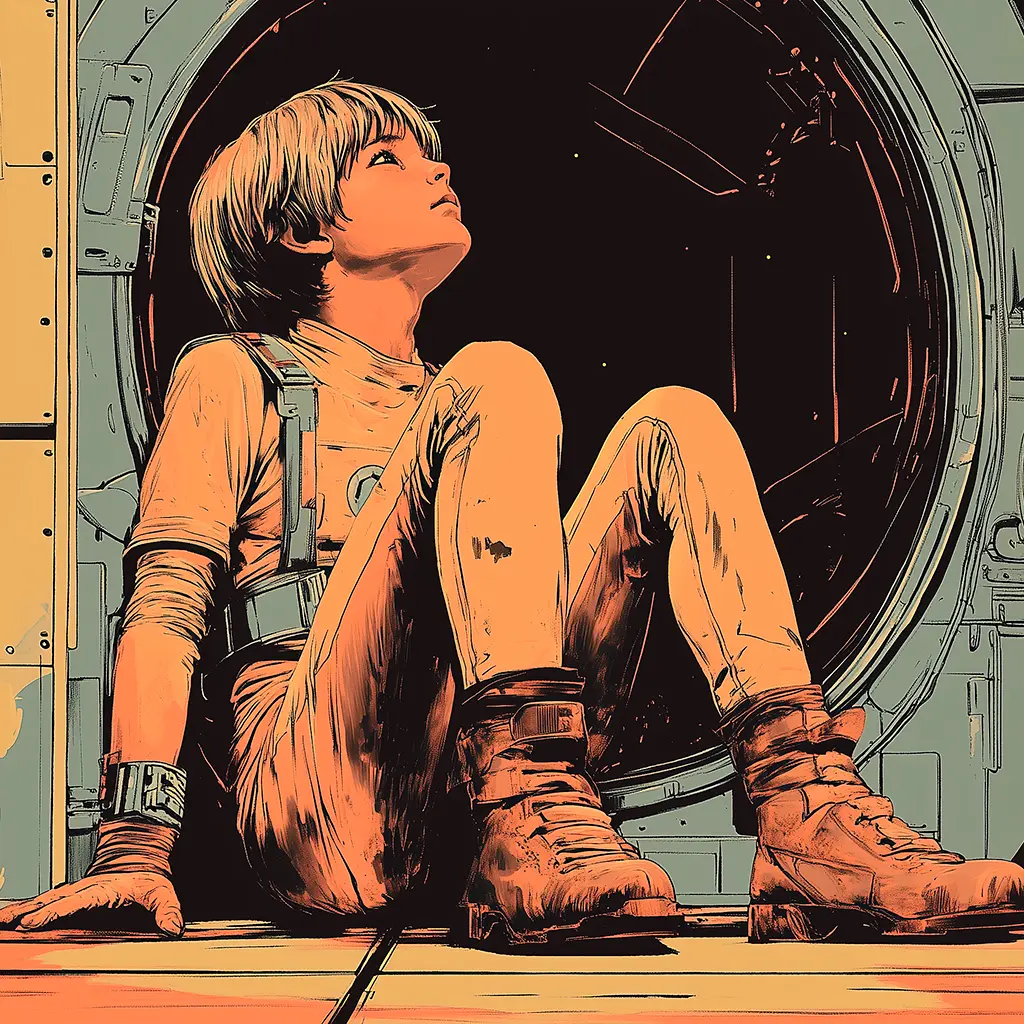
“The Crystal Egg” is a science fiction story by H. G. Wells published in The New Review in May 1897. It tells the story of Mr. Cave, an antique dealer who owns a small, dilapidated store in London. Among the strange objects he sells is a mysterious crystal sphere, which attracts the interest of two curious customers. However, Cave seems reluctant to sell it, which generates tensions with his family and arouses suspicion. As the story progresses, we discover that Cave has made an astonishing discovery related to this sphere and is keeping it a secret. Fascinated by what he sees through the crystal, Cave immerses himself in a series of reality-defying observations, leading him further away from his everyday life.

Arthur C. Clarke: The Nine Billion Names of God

Arthur C. Clarke: The Nine Billion Names of God

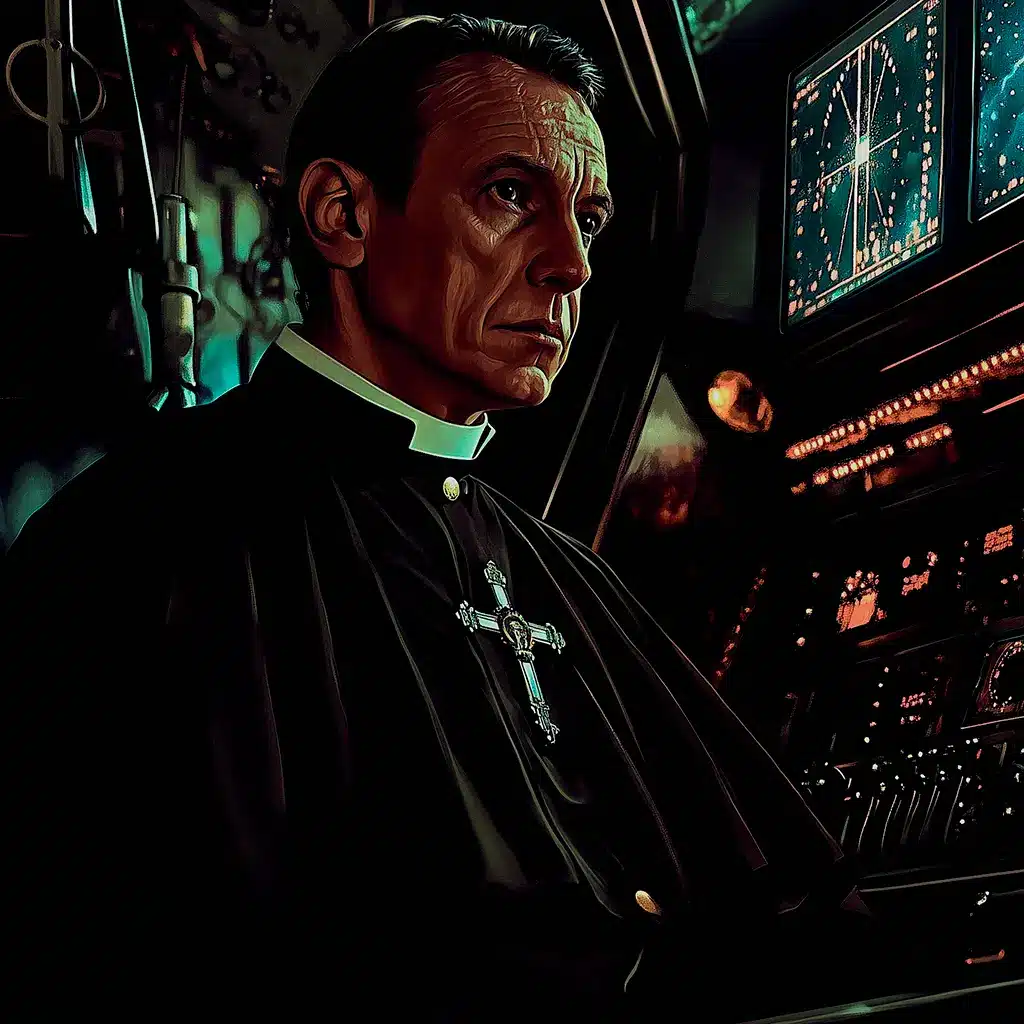
“The Nine Billion Names of God” is a short story by Arthur C. Clarke, published in February 1953 in the collection Star Science Fiction Stories. A Tibetan monastery acquires an advanced computer to complete its century-long project: listing all possible names of God in a special alphabet. The monks believe that by completing this list, they will fulfill humanity’s divine purpose. Two Western engineers are hired to install and operate the machine, and as they approach the end of the project, they are torn between logic and faith, grappling with the potential impact of completing this momentous task.