Arthur C. Clarke: The Nine Billion Names of God

Arthur C. Clarke: The Nine Billion Names of God

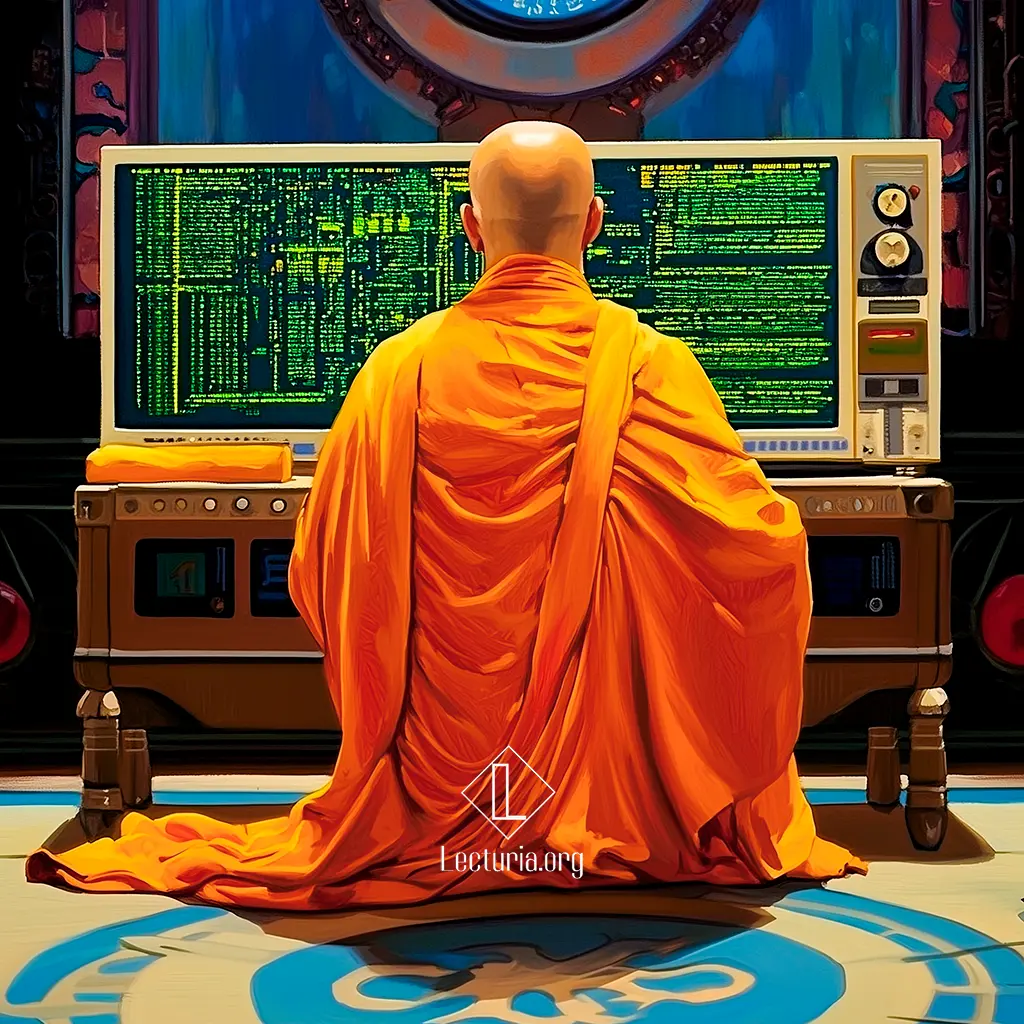
“The Nine Billion Names of God” is a short story by Arthur C. Clarke, published in February 1953 in the collection Star Science Fiction Stories. A Tibetan monastery acquires an advanced computer to complete its century-long project: listing all possible names of God in a special alphabet. The monks believe that by completing this list, they will fulfill humanity’s divine purpose. Two Western engineers are hired to install and operate the machine, and as they approach the end of the project, they are torn between logic and faith, grappling with the potential impact of completing this momentous task.

Ray Bradbury: April 2005: Usher II

Ray Bradbury: April 2005: Usher II

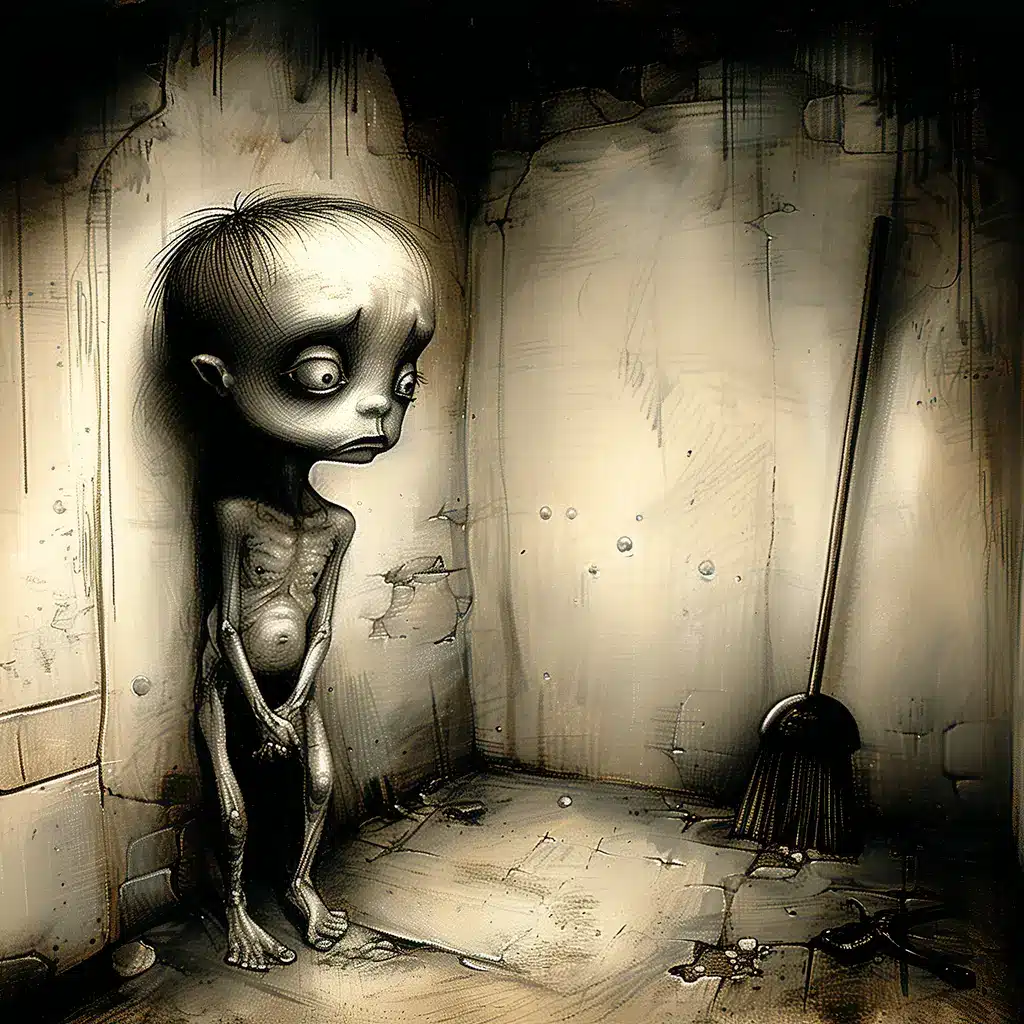
In Ray Bradbury’s “Usher II,” Mr. William Stendahl has built an exact replica of Edgar Allan Poe’s The House of Usher on Mars as a protest against the censorship that has destroyed fantasy literature on Earth. In a society where all things imaginative are forbidden, Stendahl invites members of the Society for the Prevention of Fantasy to a macabre event at his newly built house, where they will experience a shocking experience.

Ray Bradbury: The Veldt

Ray Bradbury: The Veldt

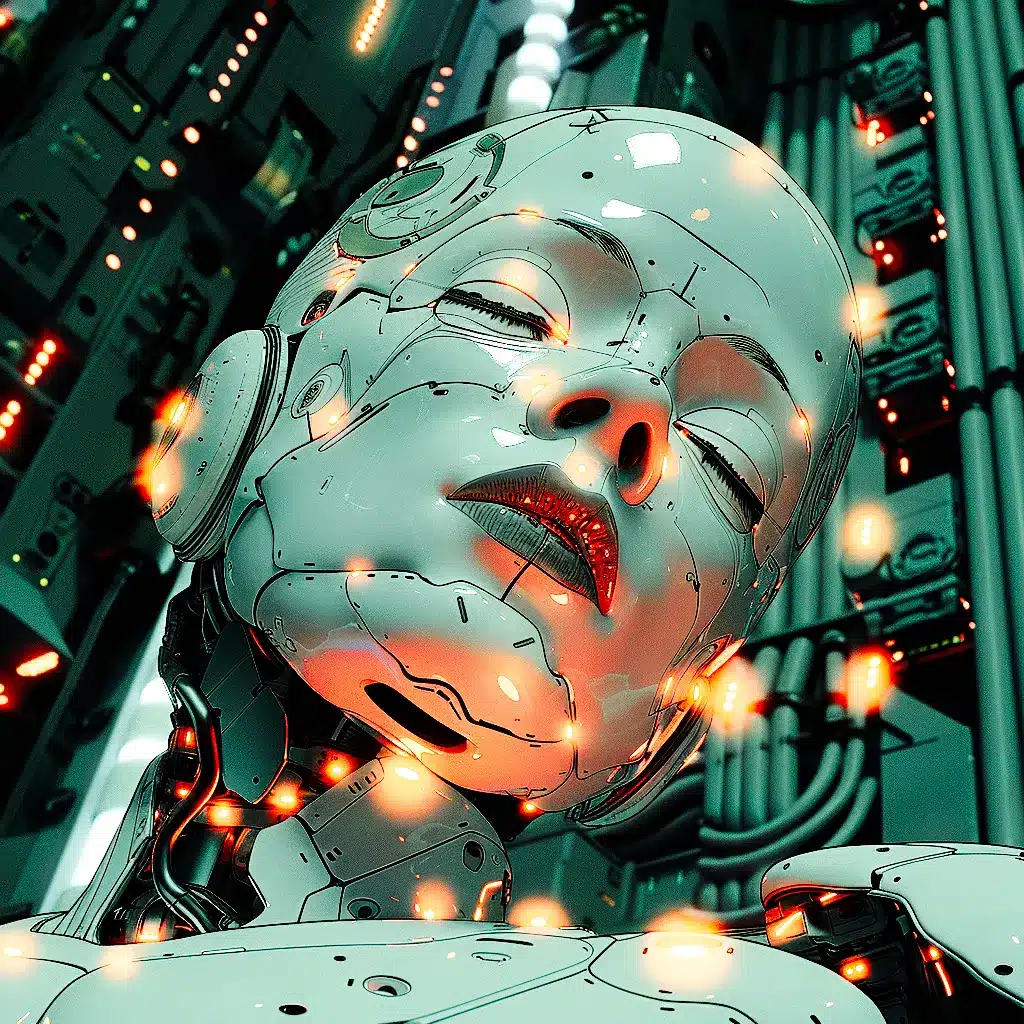
The Veldt is a short story by Ray Bradbury, first published in September 1950 in The Saturday Evening Post and later included in the collection The Illustrated Man (1951). Set in a future where technical progress dominates everyday life, it tells the story of the Hadleys, a wealthy family living in a fully automated house designed to meet their every need. Its greatest innovation is a virtual reality nursery capable of materializing any imagined environment. As the children’s obsession with this technological marvel grows, the Hadleys begin to question the impact of excessive technology on their family.