H. P. Lovecraft: Cool Air

H. P. Lovecraft: Cool Air

Cool Air is a story by H. P. Lovecraft published in 1928 in the magazine Tales of Magic and Mystery. It narrates the experience of a man who moves into a boarding house in New York, where he meets Dr. Muñoz, who lives on the floor above him. The doctor is cultured and refined, but suffers from a mysterious illness that forces him to keep his room at a very low temperature. Over time, the relationship between the two grows closer, allowing the man to discover the mystery behind the doctor’s strange behavior.

The Stories of H. P. Lovecraft

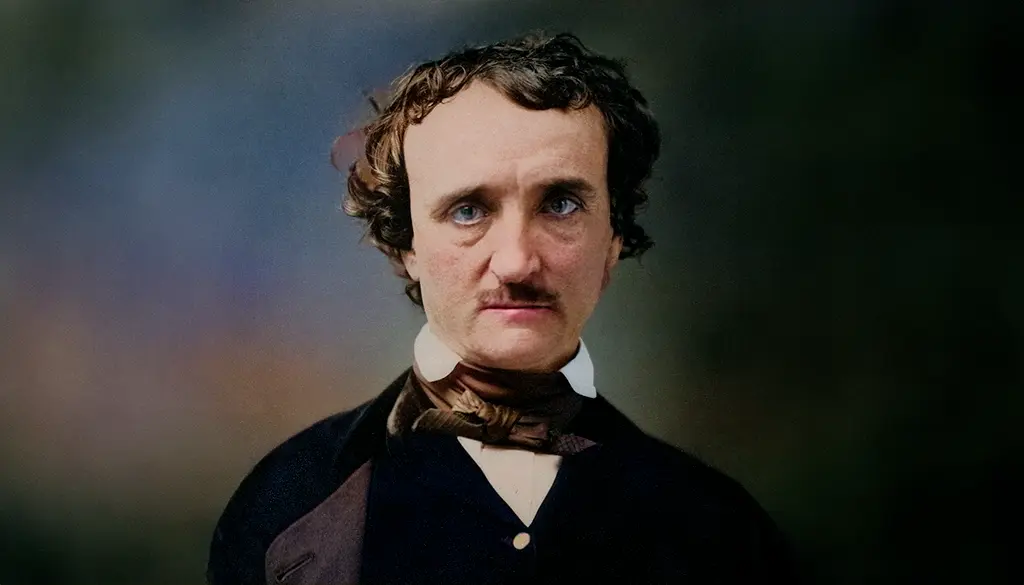
H. P. Lovecraft color

Explore the best stories by H. P. Lovecraft, master of cosmic horror and the unknown. Discover disturbing tales such as The Call of Cthulhu and The Dunwich Horror, full of ancient creatures and forbidden mysteries. Read his complete stories and immerse yourself in his universe of horror and madness.

Isaac Asimov: Trends. Summary and analysis

Isaac Asimov: Trends. Summary and analysis

Trends, a short story by Isaac Asimov published in Astounding Science-Fiction in July 1939, presents a future where humanity, after a period of scientific progress, has fallen into conservatism and opposition to space exploration. John Harman, a visionary scientist, struggles to launch the first spacecraft into space while facing hostility from a world that considers his project a threat. With the support of a few allies, he challenges censorship and religious fanaticism, determined to prove that progress cannot be stopped.

Robert A. Heinlein: Life-Line

Robert A. Heinlein - La línea de la vida

Life-Line is a short story by Robert A. Heinlein, published in August 1939 in Astounding Science-Fiction. It tells the story of the eccentric Dr. Hugo Pinero, who claims to have developed a scientific method for accurately predicting any person’s death date. Faced with the disbelief and contempt of the scientific community, Pinero challenges his critics with demonstrations that shake the confidence of his detractors. As the controversy grows, his discovery threatens to disrupt the social order and generate intense reactions among those who see his invention as dangerous.

Nathaniel Hawthorne: Rappaccini’s Daughter

Nathaniel Hawthorne: Rappaccini’s Daughter

Rappaccini’s Daughter, a gothic tale by Nathaniel Hawthorne, tells the story of Giovanni Guasconti, a young student who arrives in Padua and settles in a modest room overlooking a mysterious garden. This garden belongs to Dr. Rapaccini, a scientist renowned for experimenting with poisonous plants. Giovanni soon becomes fascinated by Beatrice, the doctor’s beautiful daughter, who seems to live in symbiosis with the garden’s strange plants. As Giovanni approaches Beatrice, he discovers that her beauty hides a deadly danger.

Isaac Asimov: Trends

Isaac Asimov: Trends

Trends is a short story by Isaac Asimov, published in July 1939 in Astounding Science-Fiction. Set in a future where religious fundamentalism is on the rise and scientific progress is viewed with suspicion, it tells the story of John Harman, an engineer who defies social and religious opposition to make the first space flight. As the day of the launch approaches, public pressure intensifies, and the threats against his life increase. With unwavering determination, Harman faces the rejection of a world fearful of change, while his enemies claim that his project is a sacrilege that defies divine design.