Isaac Asimov: Franchise

Isaac Asimov: Franchise

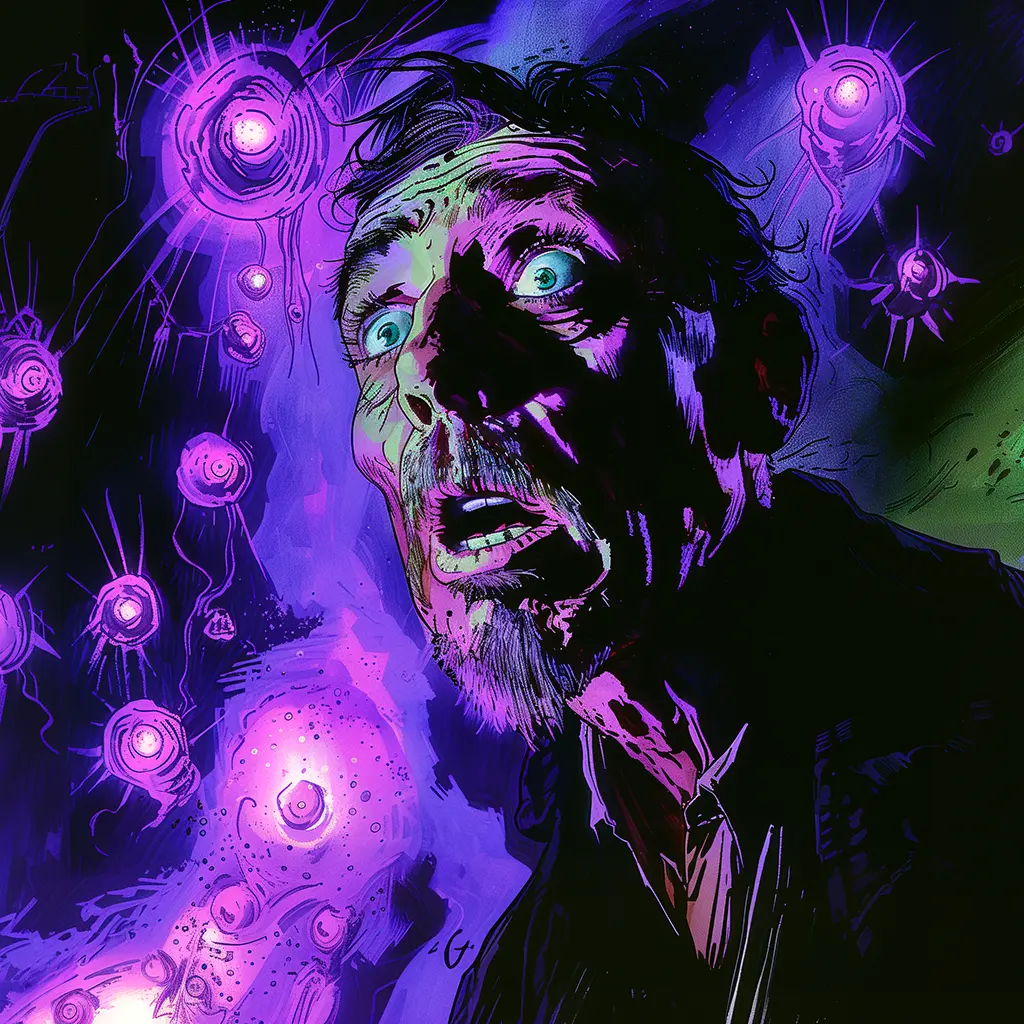
“Franchise” is a science fiction short story by Isaac Asimov, published in If magazine in August 1955. The story envisions a future in which elections in the United States no longer depend on the votes of millions, but instead on a supercomputer called Multivac that selects a single citizen to represent the entire nation. This citizen, through his answers, will determine the electoral outcome. In the days leading up to the election, tension rises across the country as everyone awaits the revelation of who will be the chosen voter to decide the nation’s political future.

Edgar Allan Poe: William Wilson

Edgar Allan Poe - William Wilson

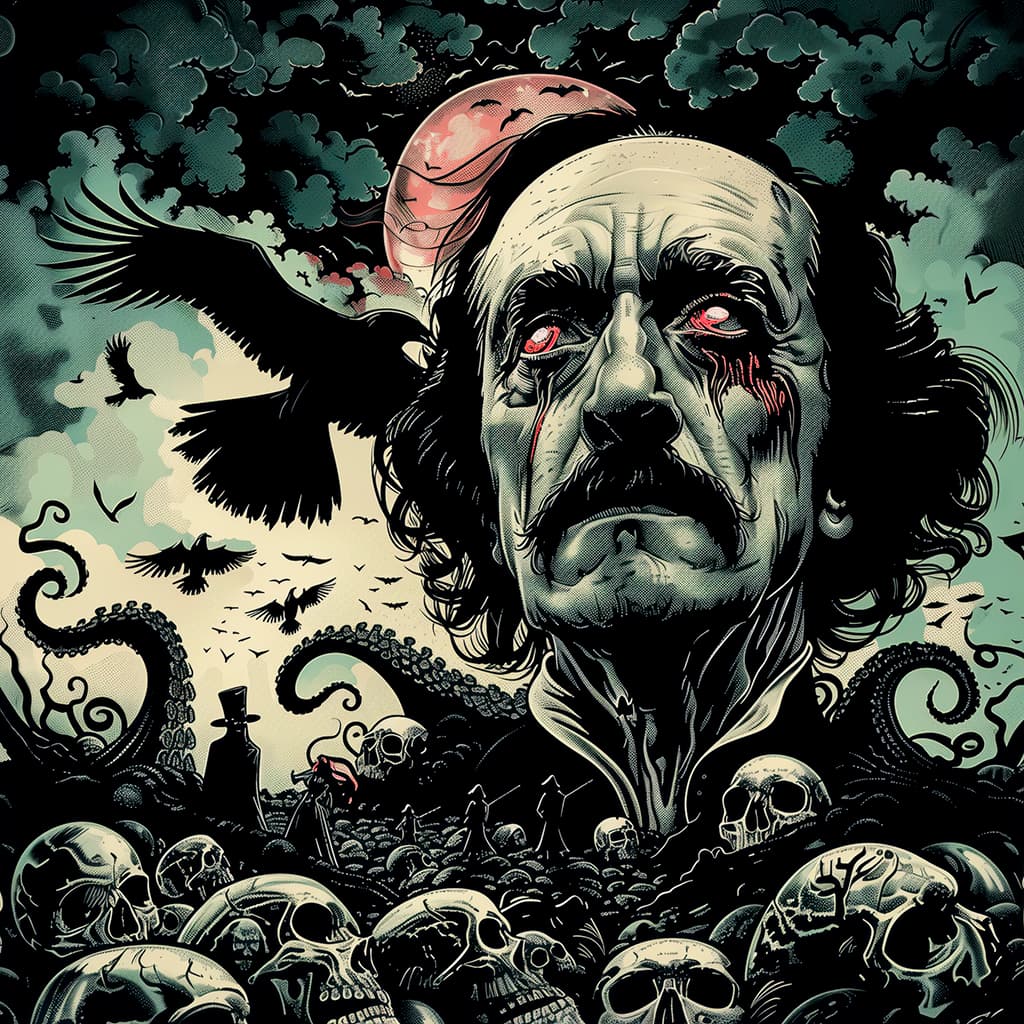
William Wilson is a Gothic tale by Edgar Allan Poe, published in Burton’s Gentleman’s Magazine in October 1839. The story follows a man who adopts the pseudonym’ William Wilson’ to recount his life, marked from a young age by an impulsive character, lewd behavior, and a strong desire to dominate others. During his time at an English school, he faces an unexpected challenge: a classmate with the same name who imitates him and matches him in skills in a disturbing way. As the years pass, the presence of this double becomes a constant and threatening shadow, challenging his will and questioning his identity.

Edgar Allan Poe: MS. Found in a Bottle

Edgar Allan Poe: MS. Found in a Bottle

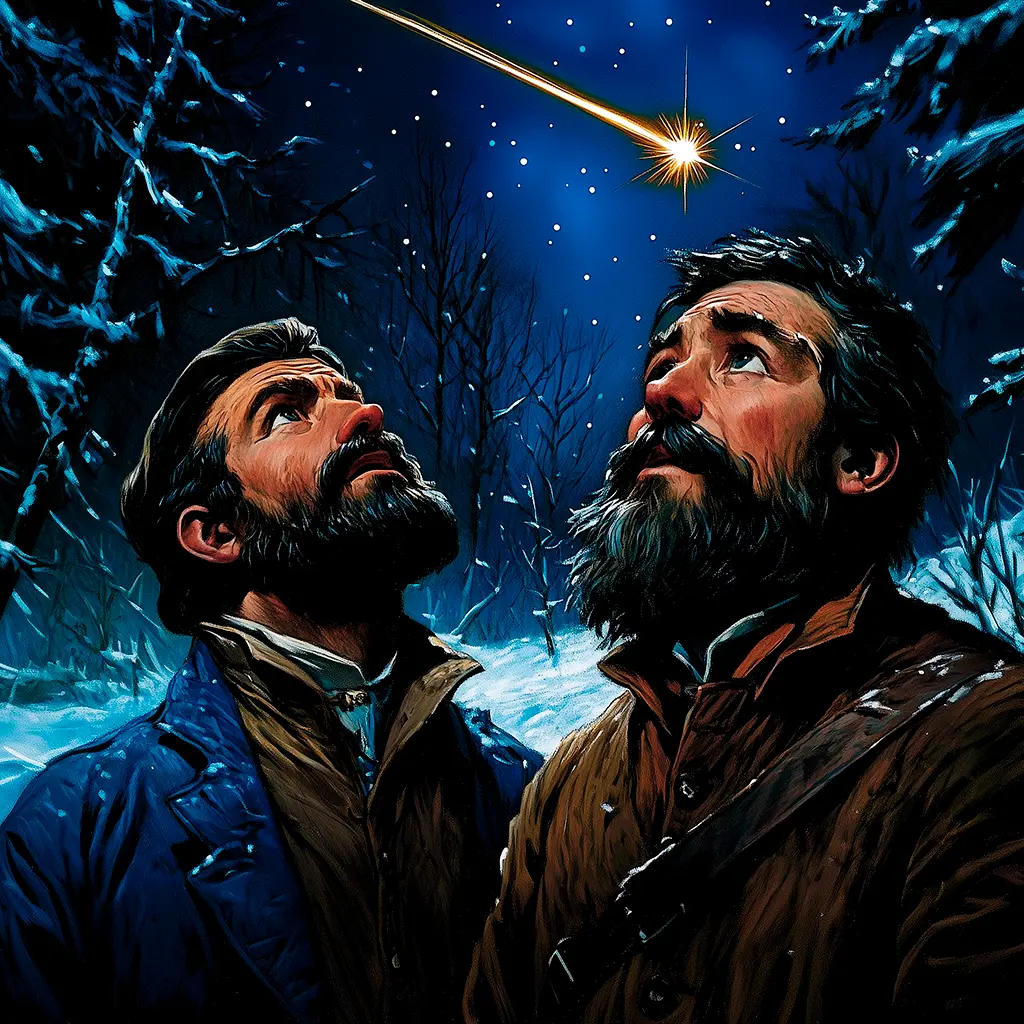
MS. Found in a Bottle is a short story by Edgar Allan Poe, published on 19 October 1833 in the Baltimore Saturday Visiter. It tells the story of an anonymous man who, dissatisfied with his life and searching for escape, embarks on a ship sailing from Batavia, Java, to an uncertain destination. Although the voyage begins smoothly, an unearthly calm soon overtakes the sea, foreshadowing a colossal storm that abruptly breaks loose, plunging the ship into chaos and panic.

Lester del Rey: The Day Is Done

Lester del Rey: The Day Is Done

The Day Is Done is a science fiction story by Lester del Rey, published in May 1939 in Astounding Science-Fiction magazine. The story follows Hwoogh, an old Neanderthal who sadly contemplates the decline of his world. His people were strong and dominant in his youth, but now the ‘Talkers’ (as he calls the Cro-Magnons) have invaded their lands, imposing new customs and technologies. As Hwoogh recalls the glory days of his tribe, he feels the weight of decay and the imminent extinction of his species. A moving tale that, as Isaac Asimov recounted, brought him to tears as he traveled on the underground on his way to teach at Columbia University.

Ursula K. Le Guin: The Ones Who Walk Away from Omelas

Ursula K. Le Guin: The Ones Who Walk Away from Omelas

The Ones Who Walk Away from Omelas is a short story by Ursula K. Le Guin, published in 1973. The story takes us to a utopian city where the happiness of all the inhabitants depends on a dark and terrible secret. Through an involving and provocative prose, Le Guin invites us to question morality and the price of collective happiness. In this dream city, some choose to stay, but others, moved by the injustice, decide to leave Omelas forever. This story challenges the reader to reflect on sacrifice and ethics in the search for an ideal society.

Ray Bradbury: The Man Upstairs

Ray Bradbury: The Man Upstairs

“The Man Upstairs” is a disturbing short story by Ray Bradbury, first published in Harper’s Magazine in March 1947. The story follows Douglas, a curious boy who lives with his grandmother, a woman skilled in the kitchen whose culinary rituals fascinate him. One day, a strange man named Mr. Koberman arrives at the boarding house to rent the upstairs room. From the moment he appears, the atmosphere in the house becomes tense and mysterious. Intrigued by the newcomer’s peculiar behavior, Douglas begins to suspect that there is something very unusual about him—something that defies all logic.