Ray Bradbury: There Will Come Soft Rains. Summary and analysis

Ray Bradbury: There Will Come Soft Rains. Summary and analysis

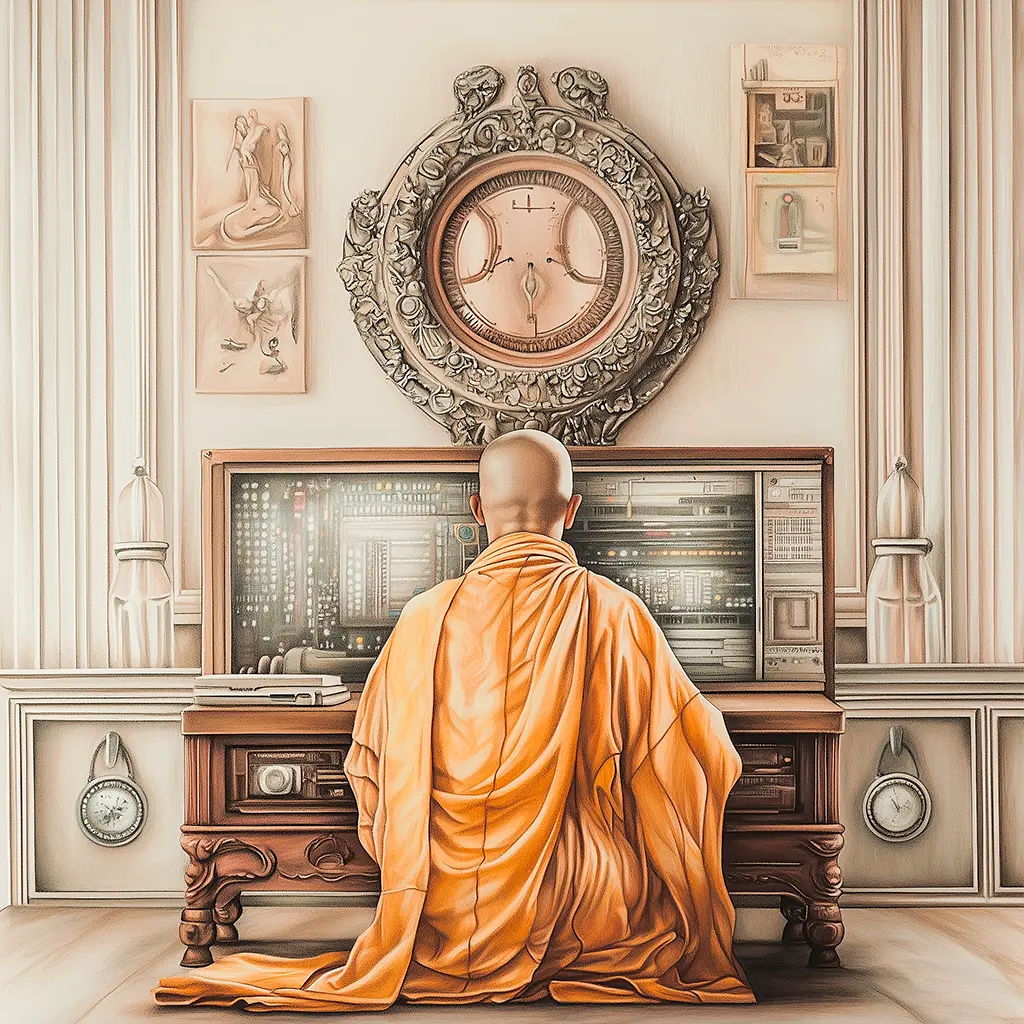
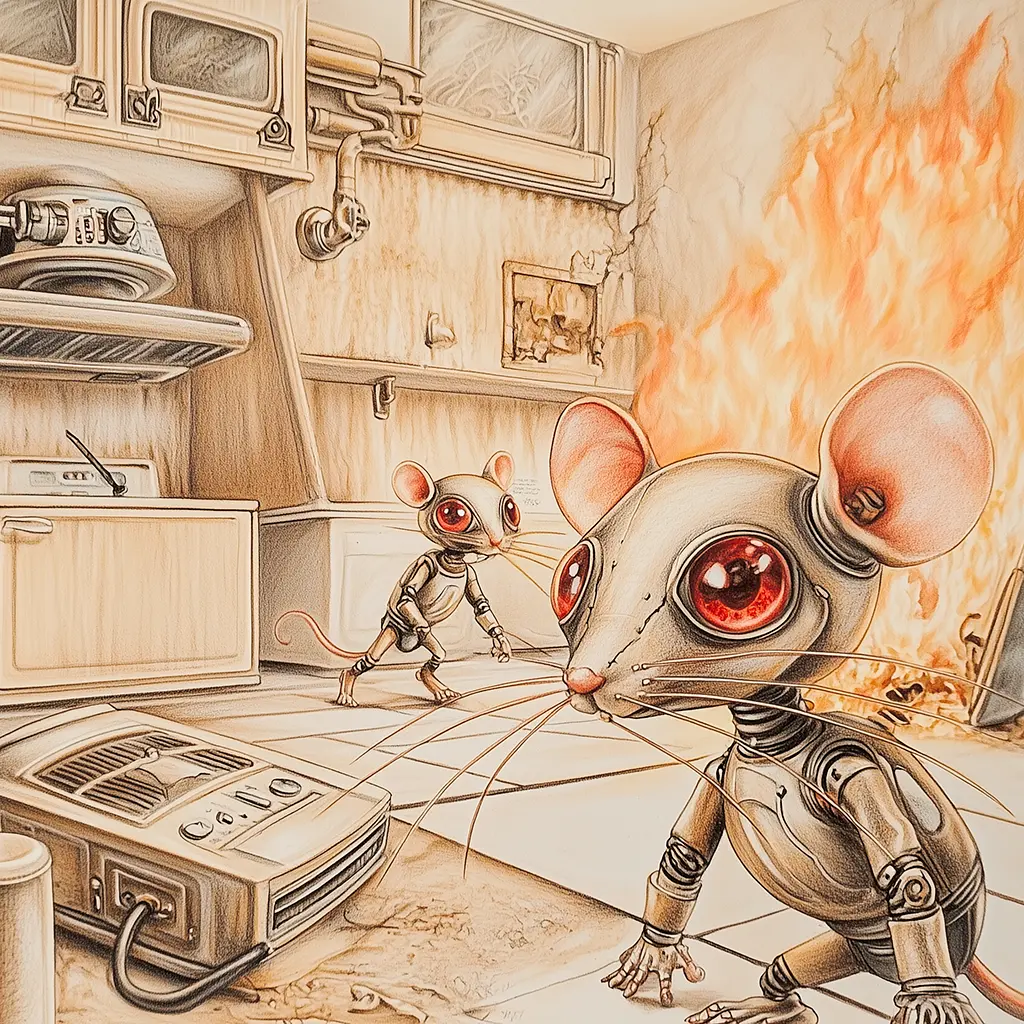
There Will Come Soft Rains, written by Ray Bradbury and published in 1950, is a story that transports us to a post-apocalyptic future in which technology continues to function despite the absence of humans. In an automated house in Allendale, California, the devices go about their daily routine: they prepare breakfast, clean the rooms, and read poetry, unaware there is no one there to receive their services. Outside, the world has changed dramatically, and the house is a silent testament to what it once was. As the day progresses, the story draws us into a reflection on the relationship between human beings, technology, and nature, showing how the world continues its course utterly indifferent to the existence or disappearance of humanity.

Juan Rulfo: Luvina. Summary and analysis

Juan Rulfo - Luvina. Resumen y análisis

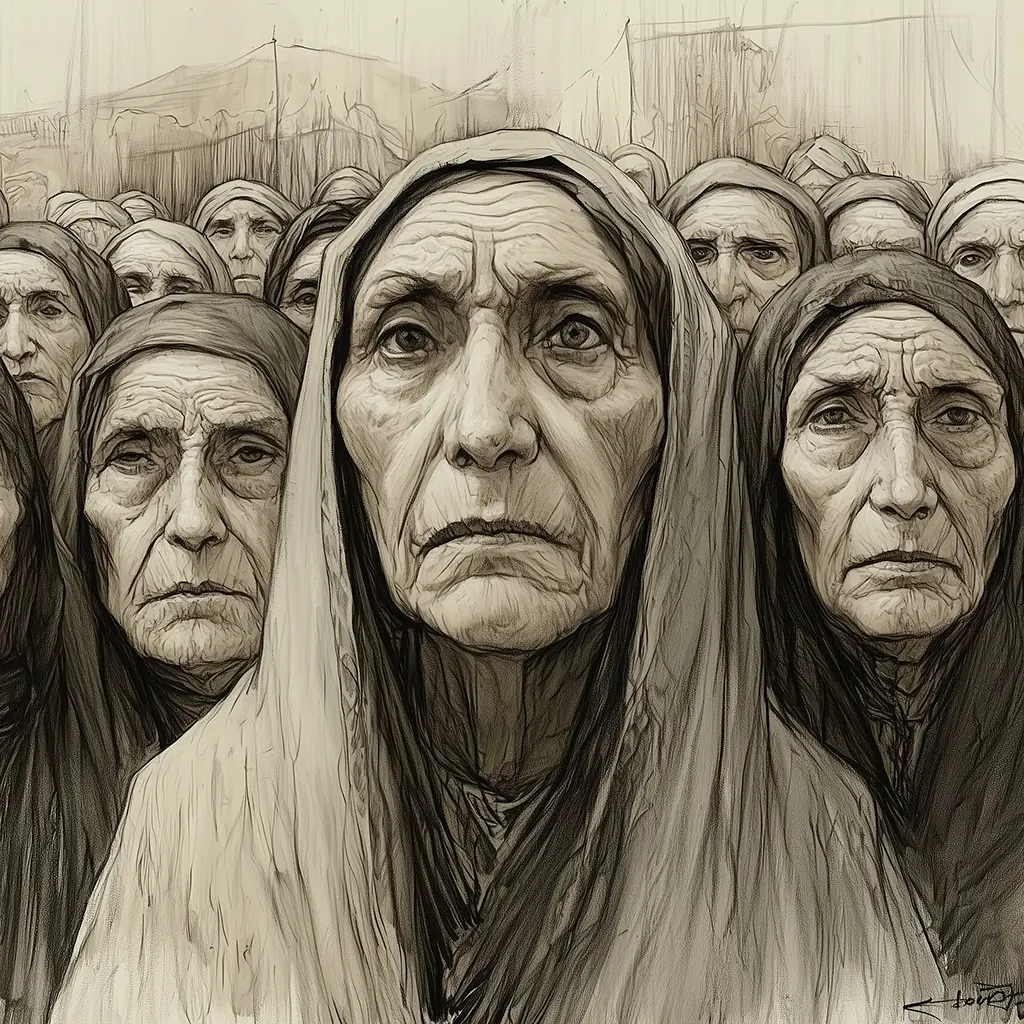
In “Luvina,” a story by Juan Rulfo, a man recounts his experience in a desolate village where nature and abandonment seem to have condemned its inhabitants to resignation and poverty. Through his memories, he describes an arid place lashed by a constant wind, where life seems to stand still and dreams fade away. Luvina is more than a physical space; it symbolizes helplessness and resistance to adversity. As he warns his interlocutor about what awaits him in that place, the narrator reveals how his time in Luvina transformed his illusions into disenchantment, offering a powerful portrait of the human struggle against destiny.

Horacio Quiroga: The Giant Tortoise. Summary and analysis

Horacio Quiroga: The Giant Tortoise. Summary and analysis

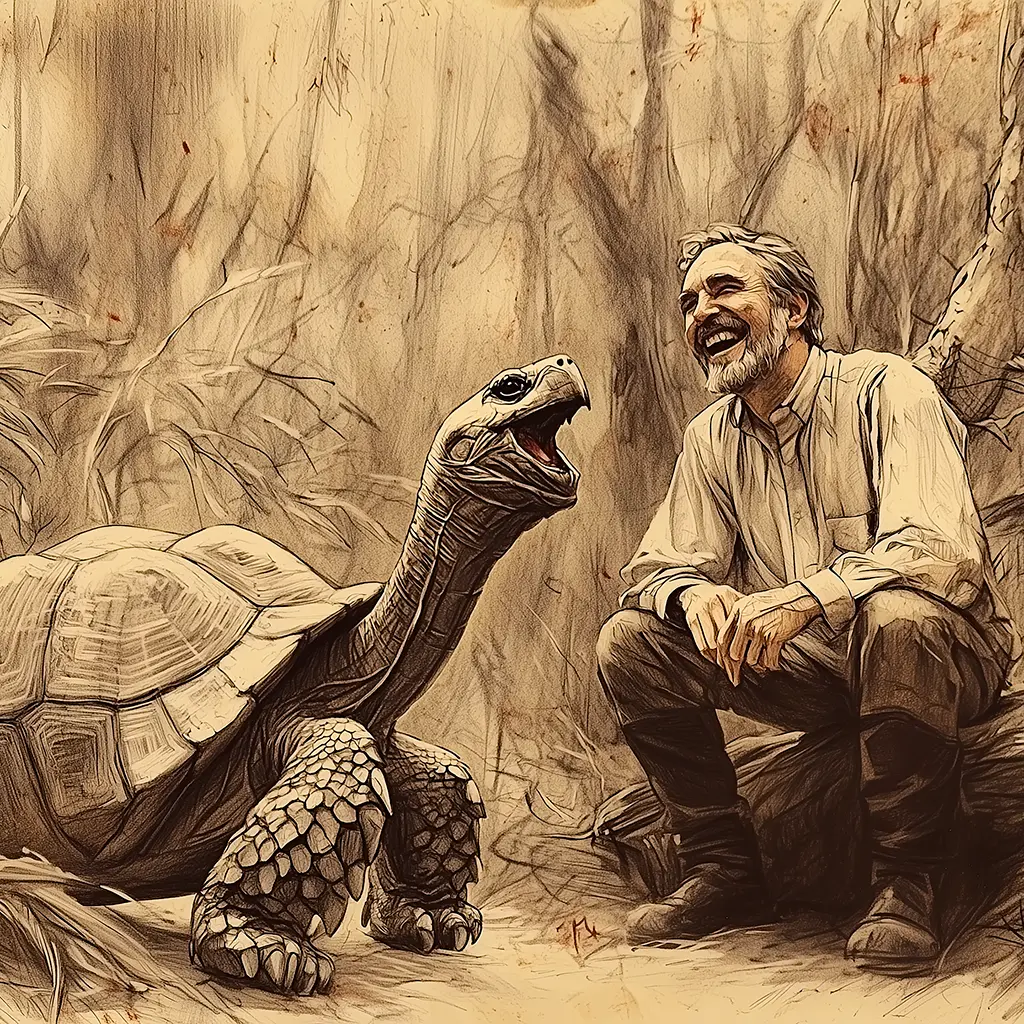
The Giant Tortoise (La Tortuga gigante), written by Horacio Quiroga and published in 1916, tells the story of a sick man who moves to the jungle to recover. There, he finds a giant tortoise injured by a tiger and decides to take care of it instead of taking advantage of it. In time, the tortoise recovers, and when the man becomes seriously ill, the animal shows extraordinary loyalty.

Harlan Ellison: “Repent, Harlequin!” Said the Ticktockman. Summary and analysis

Harlan Ellison: “Repent, Harlequin!” Said the Ticktockman. Summary and analysis

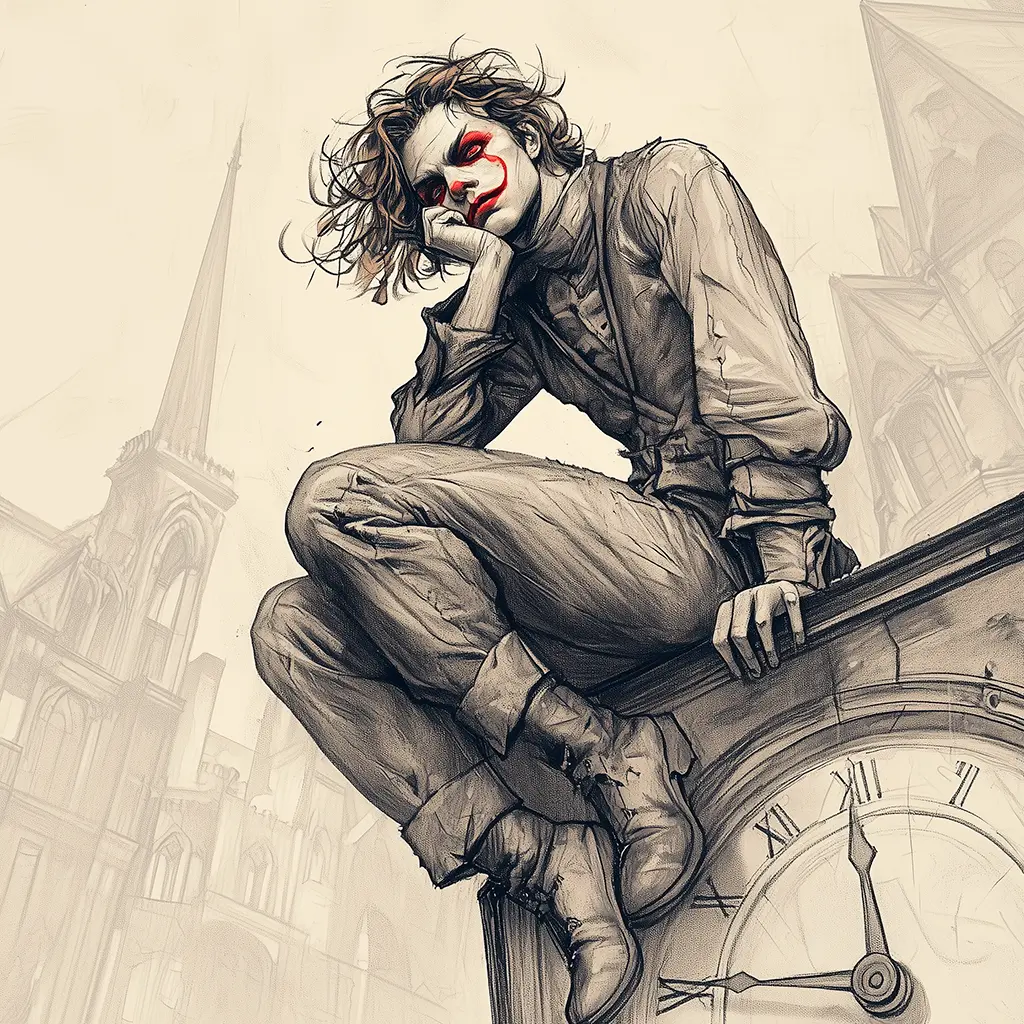
“Repent, Harlequin!” Said the Ticktockman, written by Harlan Ellison and published in 1965 in Galaxy Magazine, is a science fiction story set in a dystopian society obsessed with punctuality and order. In this world, any tardiness is punished with the literal loss of life, and the Ticktockman, an authoritarian figure, ensures that everything runs like clockwork. The story follows Harlequin, an eccentric rebel who challenges the strict social norms with creative and chaotic acts of disobedience that disrupt the rigid structure of this system. Through this narrative of humor and satire, Ellison explores themes such as individual freedom, conformism, and the dangers of a society that puts efficiency before humanity.

Edgar Allan Poe: The Premature Burial. Summary and Analysis

Edgar Allan Poe: The Premature Burial. Summary and Analysis.

“The Premature Burial”, written by Edgar Allan Poe and published in 1844, explores one of humanity’s deepest fears: the fear of being buried alive. Through a narrator obsessed with this fate, the story immerses us in an atmosphere of anguish and paranoia and reflects on the thin line that separates life from death. The story combines chilling accounts of confirmed cases with the experiences of the protagonist, who lives in constant panic due to an illness.

Juan Rulfo: You Don’t Hear Dogs Barking. Summary and analysis

Juan Rulfo: You Don't Hear Dogs Barking. Summary and analysis

Juan Rulfo’s “You Don’t Hear Dogs Barking” (No oyes ladrar los perros) is a moving story about a father who carries his badly wounded son, Ignacio, on a grueling nighttime journey to the town of Tonaya to seek medical help. Through the father’s internal monologues, the problematic relationship between the two is revealed, marked by disappointment and resentment towards the son for his life of crime. However, driven by the memory of his late wife, the older man perseveres in his sacrifice, only to discover in the end that Ignacio has died along the way.