Oscar Wilde: The Happy Prince. Summary and analysis
Oscar Wilde: The Happy Prince. Summary and analysis

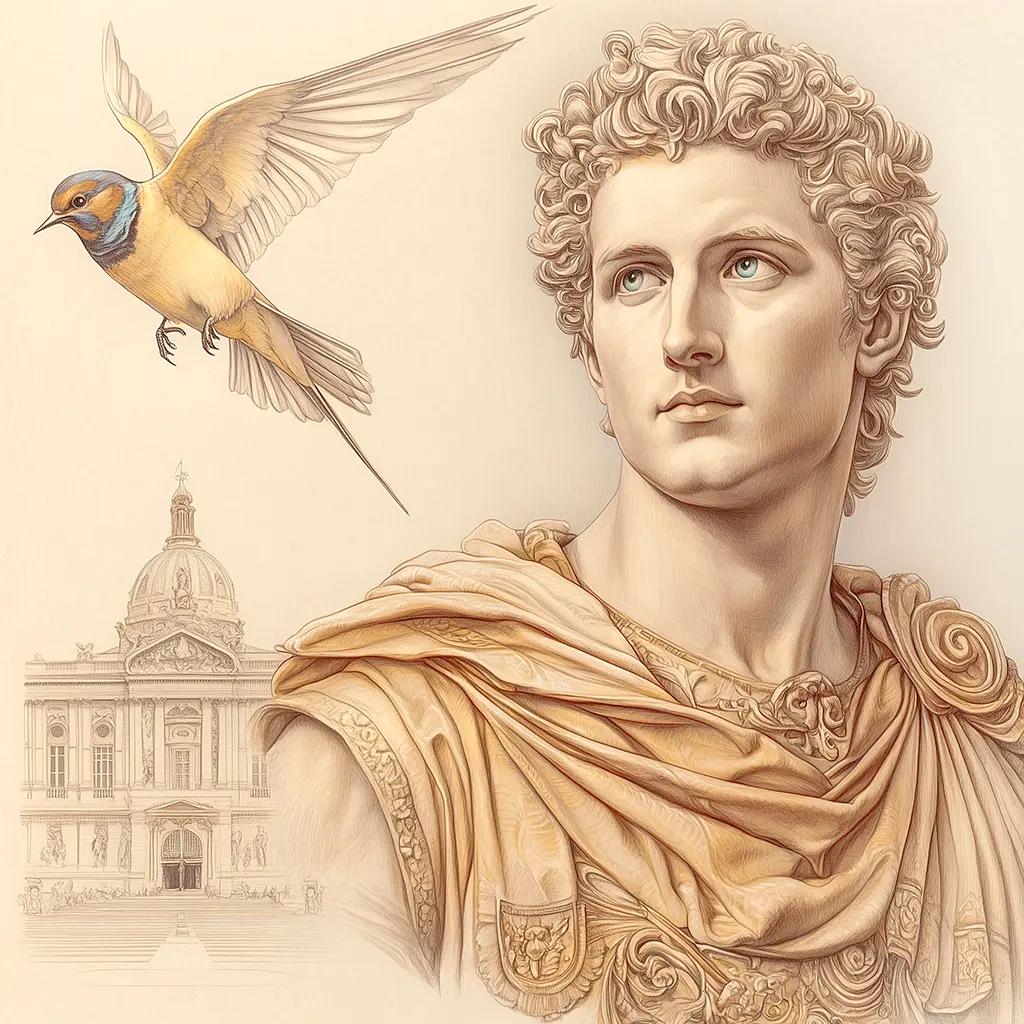
The Happy Prince is a story by Oscar Wilde, published in 1888 in the collection The Happy Prince and Other Tales. The story begins with a majestic statue of a prince covered in gold and precious stones that stands above a city. From on high, he observes the suffering of the poorest and weeps for them. A swallow, which stops to rest at his feet before leaving for Egypt, becomes his messenger. At the Prince’s request, the Swallow brings riches to the needy, beginning a story of compassion and sacrifice that will transform both characters.
Amparo Dávila: The Last Summer. Summary and analysis

Amparo Dávila: The Last Summer. Summary and analysis

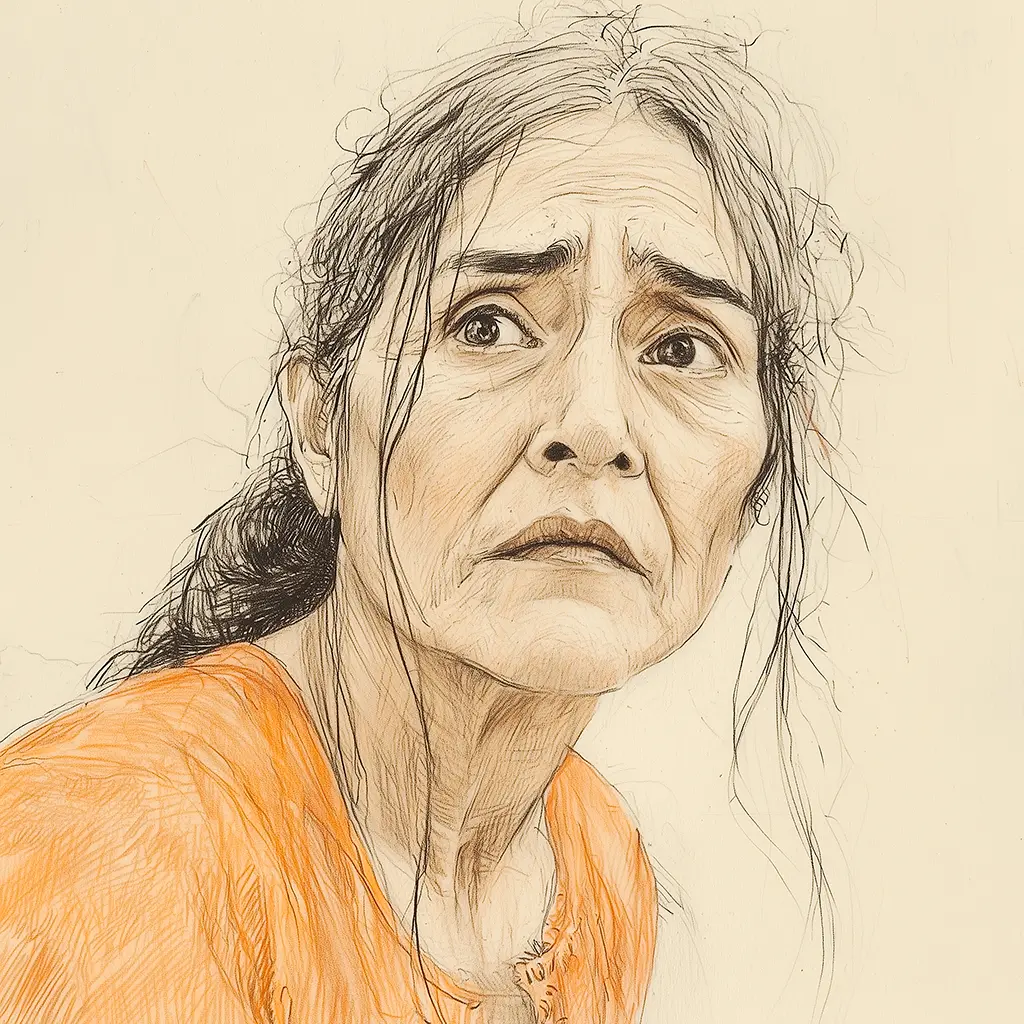
The Last Summer (El último verano) is a short story by Amparo Dávila, published in 1977 in the book Árboles petrificados (Petrified Trees). It tells of the anguish of a middle-aged woman who, after having raised six children and feeling the wear and tear of the years, unexpectedly discovers that she is pregnant again. Far from joyfully receiving the news, she experiences a deep despair as her body and spirit are exhausted. As the sweltering summer progresses, her fatigue and sense of confinement intensify, plunging her into growing hopelessness. Soon, her everyday world begins to turn into a nightmare.

Ray Bradbury: The Dragon. Summary and analysis

Ray Bradbury: The Dragon. Summary and analysis

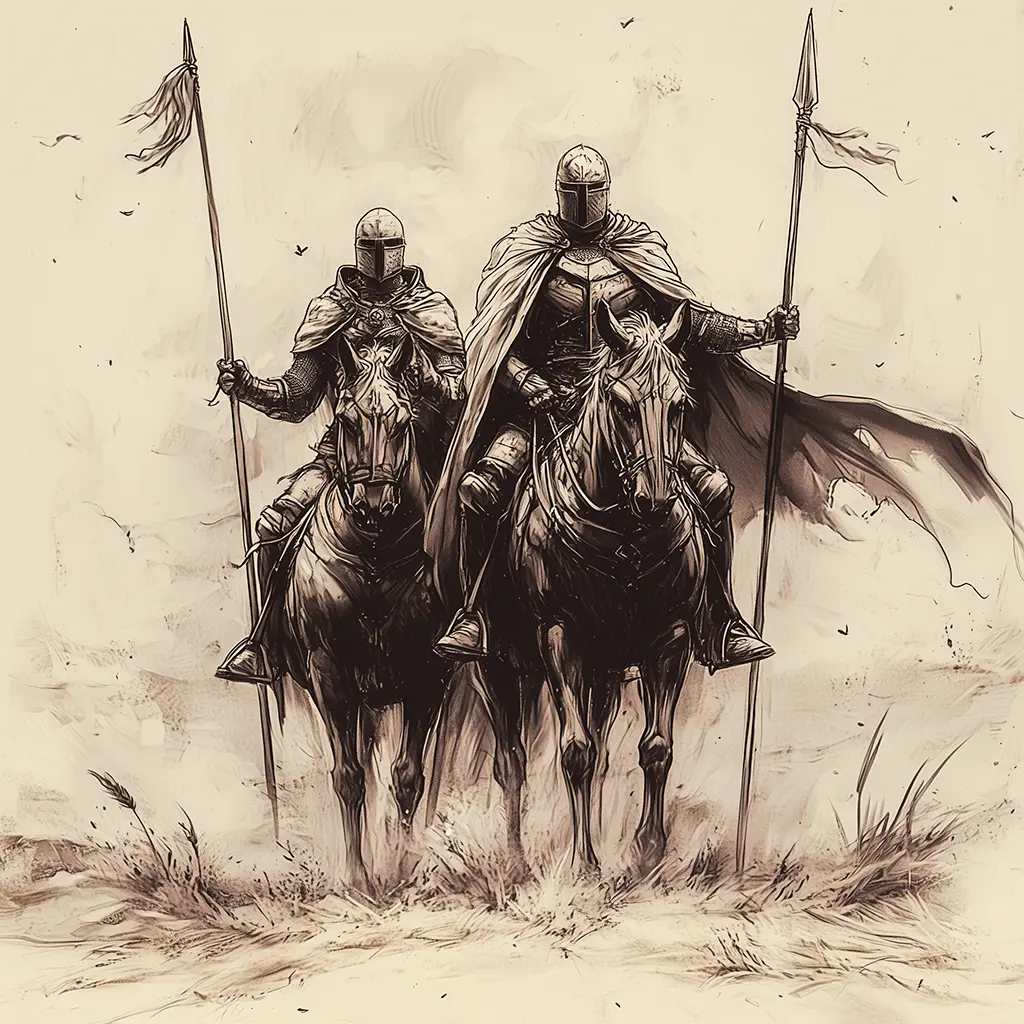
The Dragon is a short story by Ray Bradbury, published in August 1955 in Esquire magazine. The story follows two medieval knights who, in the middle of a desolate wasteland shrouded in darkness, await the arrival of a fearsome dragon that devours solitary travelers. As the night progresses, one of them feels that time in that place is strange, as if the world were trapped in an eternal cycle. With their spears at the ready and fear in their hearts, the warriors prepare to face the creature, unaware of the truth that awaits them.

Arthur C. Clarke: The Star. Summary and analysis

Arthur C. Clarke: The Star. Summary and analysis

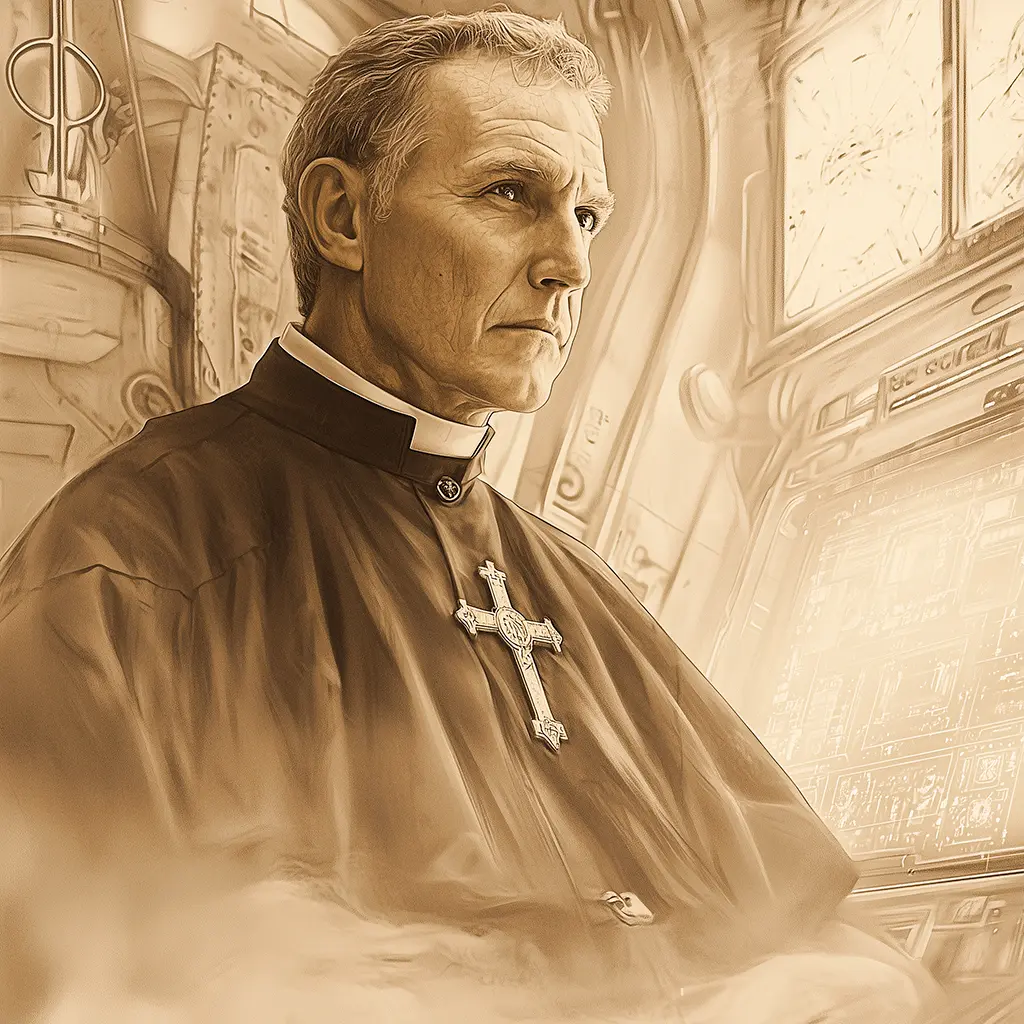
The Star is a short story by Arthur C. Clarke, published in November 1955 in Infinity Science Fiction. It tells the story of a space expedition investigating the remains of an ancient supernova. The protagonist, a Jesuit priest, and astrophysicist reflects on his faith as he observes the devastation caused by the stellar explosion. On a distant planet, the crew discovers the remains of an advanced civilization that tried to preserve its legacy before the catastrophe. As the priest analyzes the history of that lost world, he begins to question his beliefs and the nature of the universe.

Ray Bradbury: The Playground. Summary and analysis

Ray Bradbury: The Playground. Summary and analysis

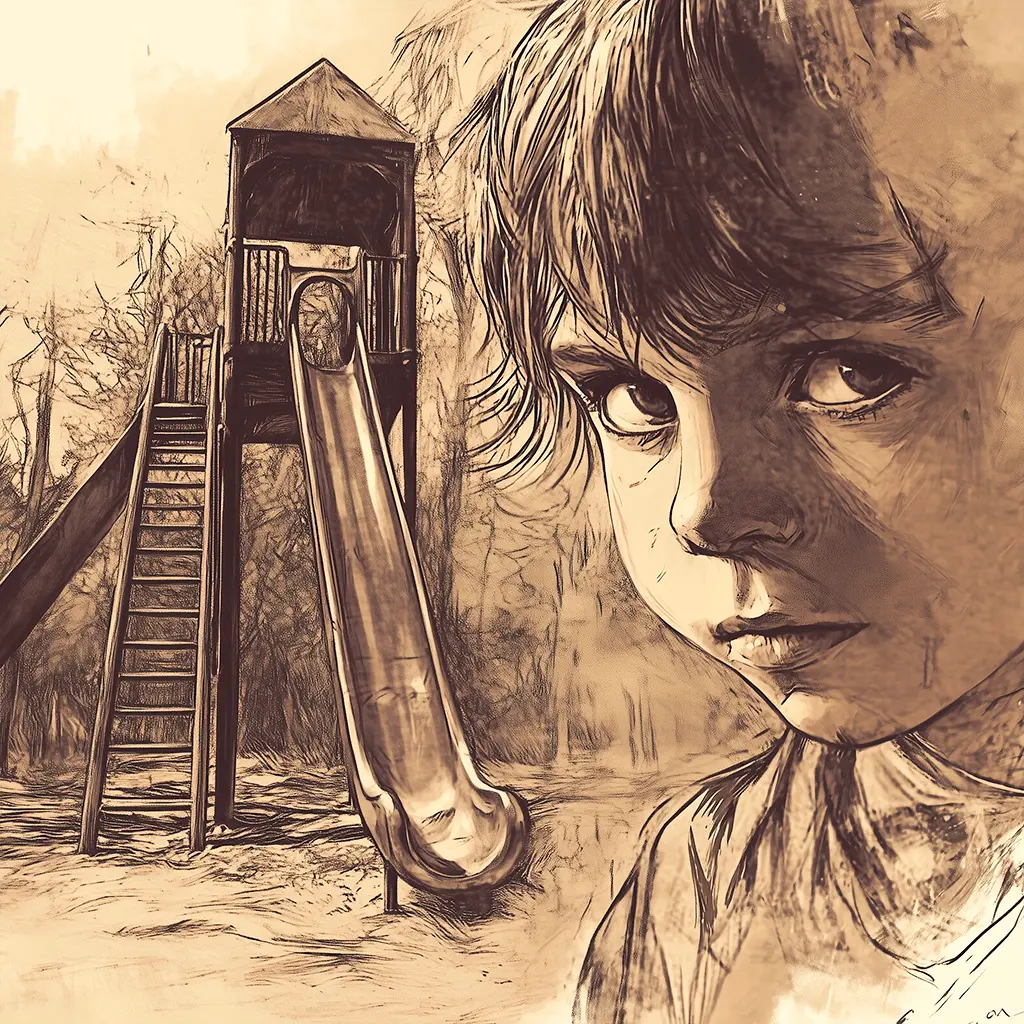
The Playground is a short story by Ray Bradbury, published in 1952 in the collection The Illustrated Man. The story follows Charles Underhill, a widowed man who, after the death of his wife, becomes obsessed with protecting his son Jim from the dangers of childhood. When his sister Carol decides to take the boy to a playground, Underhill visits him and is horrified by the brutality with which the children play. As his anxiety grows, he faces a disturbing decision that will lead him to question how far he is willing to go to save his son.

Isaac Asimov: Robbie. Summary and analysis

Isaac Asimov: Robbie. Summary and analysis

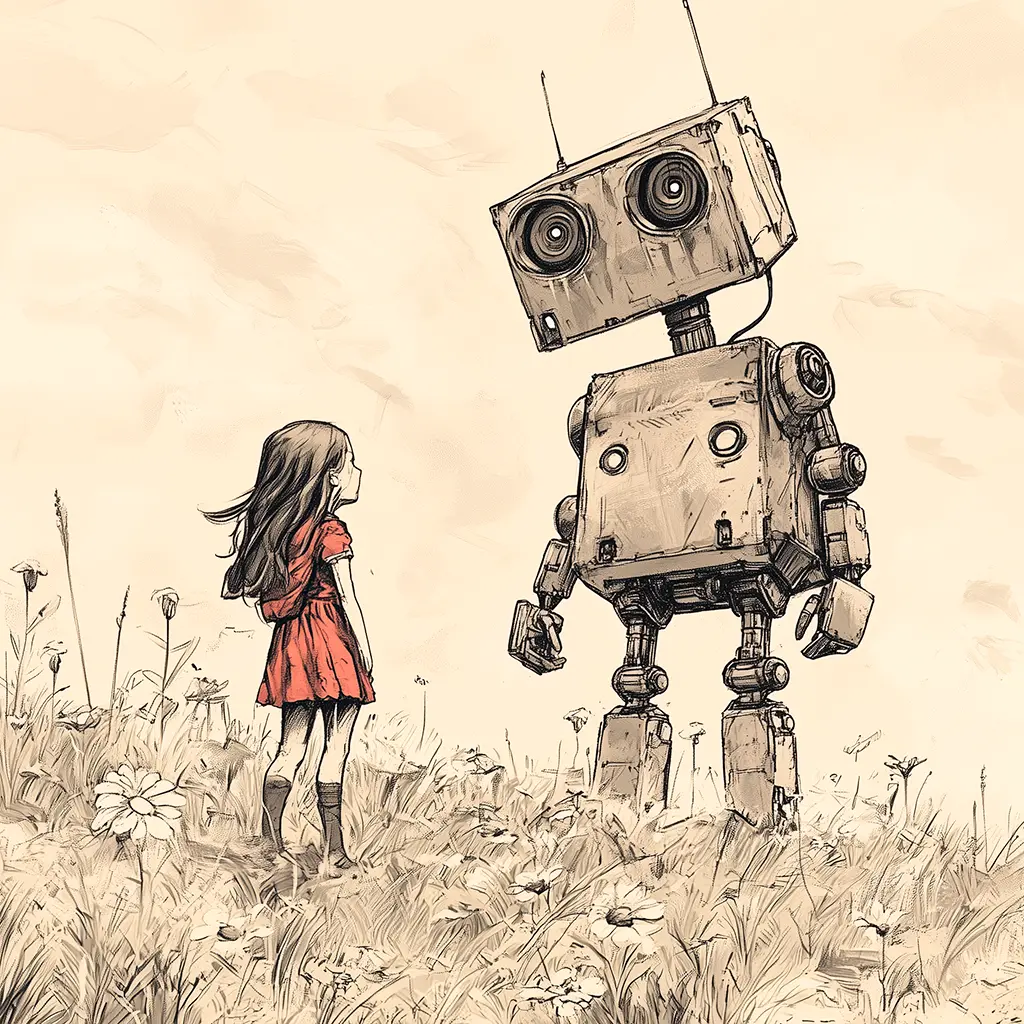
“Robbie” is a short story by Isaac Asimov, published in September 1940 in Super Science Stories magazine. Set in a future where robots form part of everyday life, it narrates the relationship between Gloria, an eight-year-old girl, and her robot nanny, Robbie. For Gloria, Robbie is much more than a machine: he is her friend and playmate. However, her mother considers this relationship unhealthy and decides to separate them. While Gloria struggles to understand the absence of her friend, her parents try to convince her that robots are nothing more than tools without emotions or true meaning for humans.