George R. R. Martin: In the Lost Lands. Summary and analysis

George R. R. Martin - In the Lost Lands. Summary and analysis

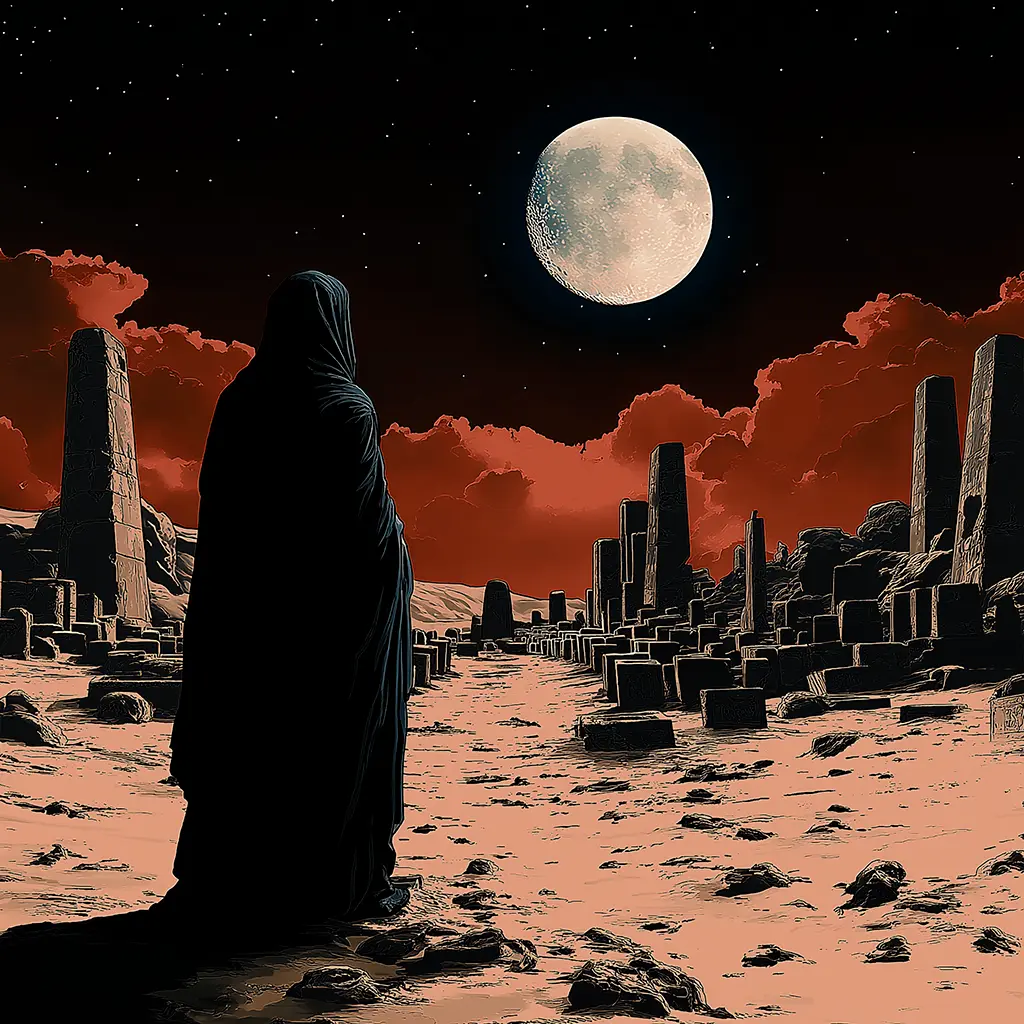
In In the Lost Lands by George R.R. Martin, Gray Alys, a mysterious woman capable of granting any wish, is tasked by the noble Lady Melange to provide the power of shapeshifting. Accompanied by Boyce, a charismatic guide, Gray Alys ventures into the desolate Lost Lands to find a werewolf. Along the way, secrets unravel: Boyce is the wolf, and Gray Alys’s true abilities are revealed.

Oscar Wilde: The Star-Child

Oscar Wilde: The Star-Child

“The Star-Child” is a fantastic tale by Oscar Wilde published in 1891 in the collection A House of Pomegranates. During a harsh winter, two woodcutters find a child abandoned in the forest, wrapped in a golden cloak and wearing an amber chain. Although one wants to leave him there, the other decides to take him home, where the boy grows into a young man of unusual beauty. However, his appearance does not reflect his character: the Star-child is vain and cruel; he despises others and harshly treats the poor and afflicted. The Star-Child’s arrogance and selfishness soon lead him to face harsh consequences.

Ray Bradbury: The Man Upstairs

Ray Bradbury: The Man Upstairs

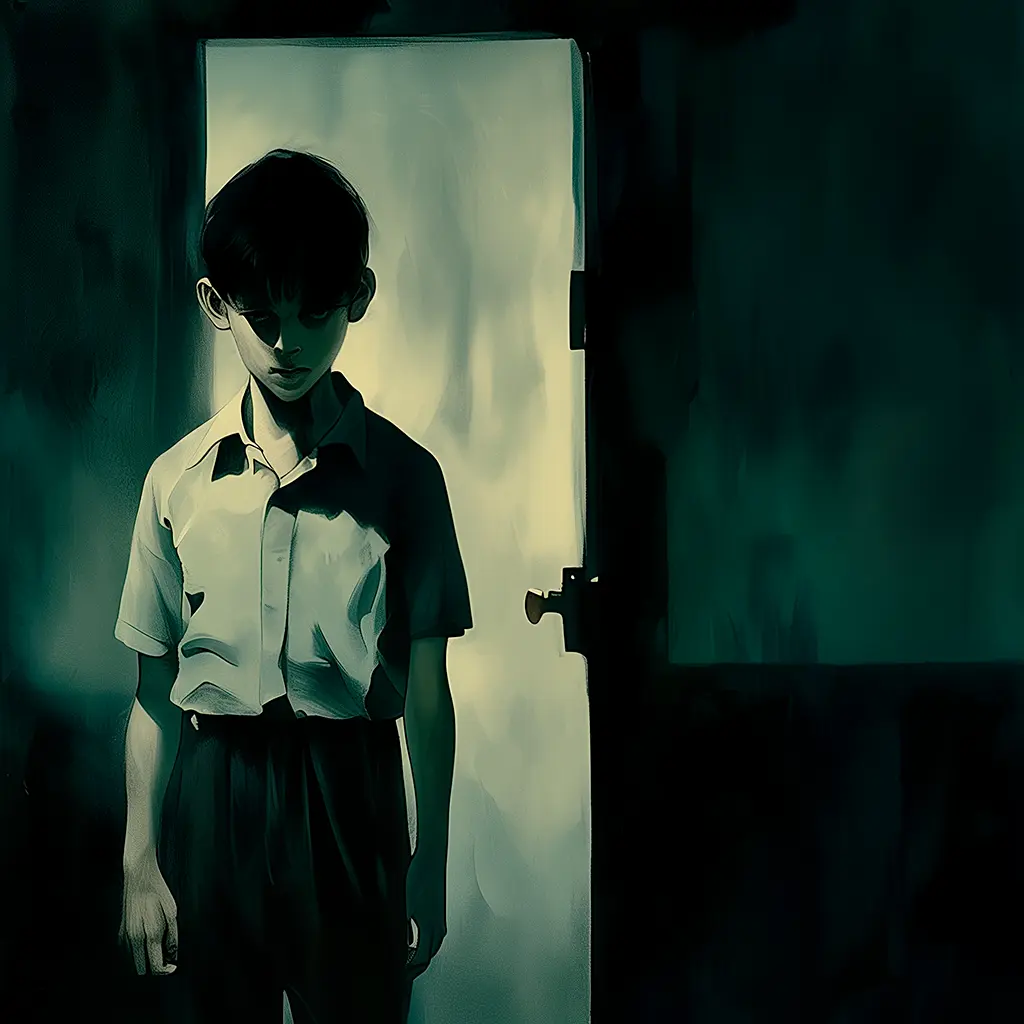
“The Man Upstairs” is a disturbing short story by Ray Bradbury, first published in Harper’s Magazine in March 1947. The story follows Douglas, a curious boy who lives with his grandmother, a woman skilled in the kitchen whose culinary rituals fascinate him. One day, a strange man named Mr. Koberman arrives at the boarding house to rent the upstairs room. From the moment he appears, the atmosphere in the house becomes tense and mysterious. Intrigued by the newcomer’s peculiar behavior, Douglas begins to suspect that there is something very unusual about him—something that defies all logic.

Edgar Allan Poe: The black cat

Edgar Allan Poe: The black cat

“The Black Cat” is a psychological horror short story by Edgar Allan Poe, published on August 19, 1843, in The Saturday Evening Post. Told in the first person, it recounts the story of a man who, since childhood, has felt a deep affection for animals—especially for his cat, Pluto. However, the abuse of alcohol gradually transforms his character, leading him to violence and depravity. As his behavior deteriorates, his relationship with the animal grows dark and obsessive, while the narrator begins to reveal the deepest and most terrifying recesses of his tormented mind.

Ray Bradbury: Time Intervening

Ray Bradbury: Time Intervening

In “Time Intervening,” a short story by Ray Bradbury published in 1952 in Ray Bradbury Review, an old man leaves his house in the early morning and finds some children playing in his garden. Although he tries to talk to them, he gets no response. Back at home, he sits in the dark, restless. Suddenly, a young man and a girl enter, surprised to see him, and throw him out, claiming that it is their house. The old man, perplexed and ignored, ends up on the street. During the night, he watches in bewilderment as several people enter and leave his home, with no one seemingly paying any attention to him.

Oscar Wilde: The Happy Prince

Oscar Wilde: The Happy Prince

The Happy Prince is a story by Oscar Wilde, published in 1888 in the collection The Happy Prince and Other Tales. The story begins with the imposing statue of the Happy Prince, standing above the city, adorned with gold and precious stones. From his height, he observes the misery of its inhabitants and weeps for them. A little swallow, delayed in its migration, takes refuge under the statue and discovers its sadness. Moved, it decides to help the Prince in his desire to alleviate the suffering of those most in need, initiating a moving story of generosity and sacrifice.