Ray Bradbury: The Exiles
Ray Bradbury: The Exiles

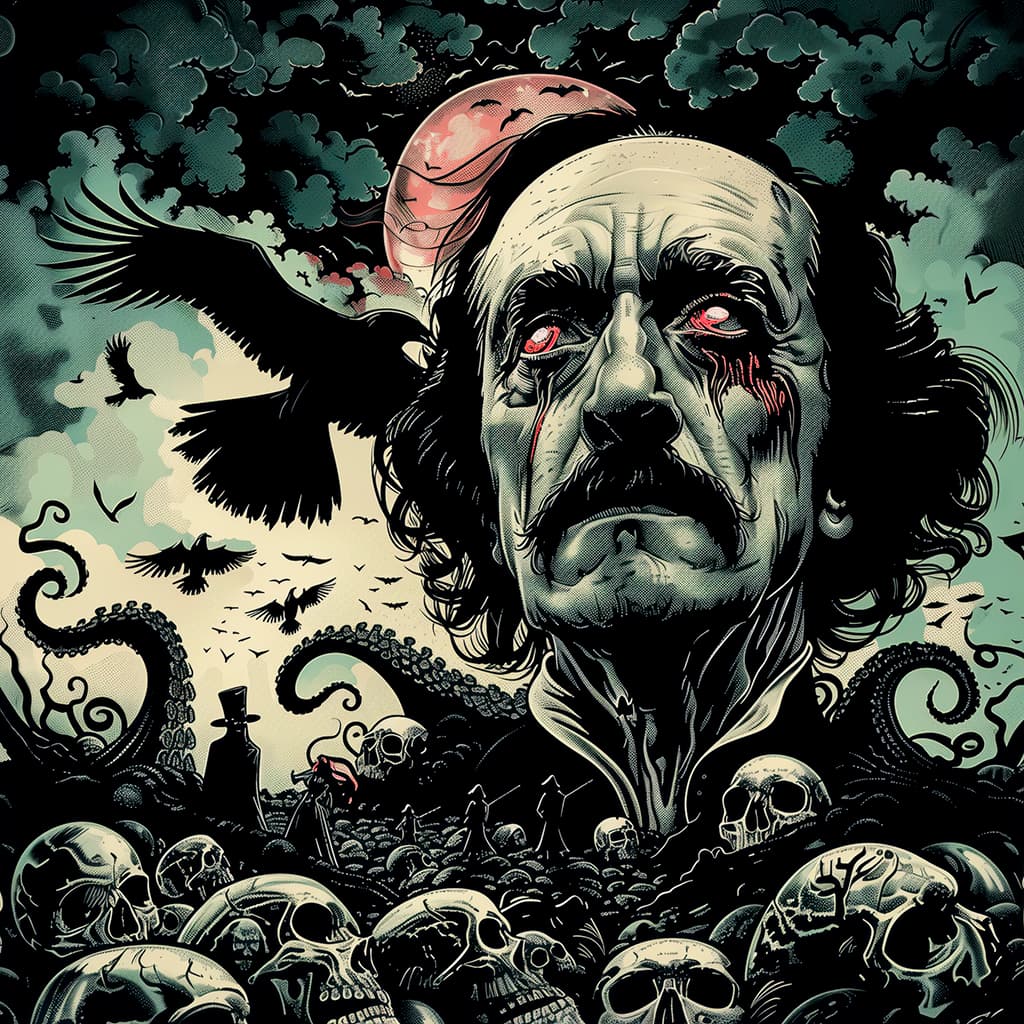
In “The Exiles,” a short story by Ray Bradbury first published in 1950 in The Magazine of Fantasy and Science Fiction and later included in the collection The Illustrated Man (1951), Mars has become a refuge for banned writers and literary characters. Exiled from an Earth where their works have been censored and destroyed, these beings survive on the Red Planet, conjuring spells and nightmares to protect themselves. When a rocket from Earth approaches carrying a scientific and skeptical crew, the clash between reason and the supernatural becomes inevitable. In an atmosphere thick with witchcraft and ghosts, the astronauts face hallucinations and terrors that test their sanity, while the exiles prepare for their final battle for survival.

Ray Bradbury: The Other Foot. Summary and analysis

Ray Bradbury - The Other Foot. Summary and analysis edit

In The Other Foot, Ray Bradbury imagines a future where Black people have fled a racially divided Earth to start anew on Mars, leaving behind the injustices of the past. Twenty years later, news arrives that a rocket carrying a white man is coming, reigniting old wounds and prompting Willie Johnson and others to prepare for revenge by imposing segregation on the visitor. As the rocket lands, the white man reveals Earth’s devastation from a nuclear war, pleading for help and acknowledging past wrongs. Faced with the ruins of their former world, Willie and the community confront the futility of hatred, choosing instead to dismantle the structures of revenge and seek a path toward reconciliation.

Ray Bradbury: The Man Upstairs

Ray Bradbury: The Man Upstairs

“The Man Upstairs” is a disturbing short story by Ray Bradbury, first published in Harper’s Magazine in March 1947. The story follows Douglas, a curious boy who lives with his grandmother, a woman skilled in the kitchen whose culinary rituals fascinate him. One day, a strange man named Mr. Koberman arrives at the boarding house to rent the upstairs room. From the moment he appears, the atmosphere in the house becomes tense and mysterious. Intrigued by the newcomer’s peculiar behavior, Douglas begins to suspect that there is something very unusual about him—something that defies all logic.

Ray Bradbury: April 2005: Usher II

Ray Bradbury: April 2005: Usher II

In Ray Bradbury’s “Usher II,” Mr. William Stendahl has built an exact replica of Edgar Allan Poe’s The House of Usher on Mars as a protest against the censorship that has destroyed fantasy literature on Earth. In a society where all things imaginative are forbidden, Stendahl invites members of the Society for the Prevention of Fantasy to a macabre event at his newly built house, where they will experience a shocking experience.

Ray Bradbury: Time Intervening

Ray Bradbury: Time Intervening

In “Time Intervening,” a short story by Ray Bradbury published in 1952 in Ray Bradbury Review, an old man leaves his house in the early morning and finds some children playing in his garden. Although he tries to talk to them, he gets no response. Back at home, he sits in the dark, restless. Suddenly, a young man and a girl enter, surprised to see him, and throw him out, claiming that it is their house. The old man, perplexed and ignored, ends up on the street. During the night, he watches in bewilderment as several people enter and leave his home, with no one seemingly paying any attention to him.

Ray Bradbury: The Veldt

Ray Bradbury: The Veldt

The Veldt is a short story by Ray Bradbury, first published in September 1950 in The Saturday Evening Post and later included in the collection The Illustrated Man (1951). Set in a future where technical progress dominates everyday life, it tells the story of the Hadleys, a wealthy family living in a fully automated house designed to meet their every need. Its greatest innovation is a virtual reality nursery capable of materializing any imagined environment. As the children’s obsession with this technological marvel grows, the Hadleys begin to question the impact of excessive technology on their family.