Guy de Maupassant: Boule de Suif
Guy de Maupassant: Boule de Suif

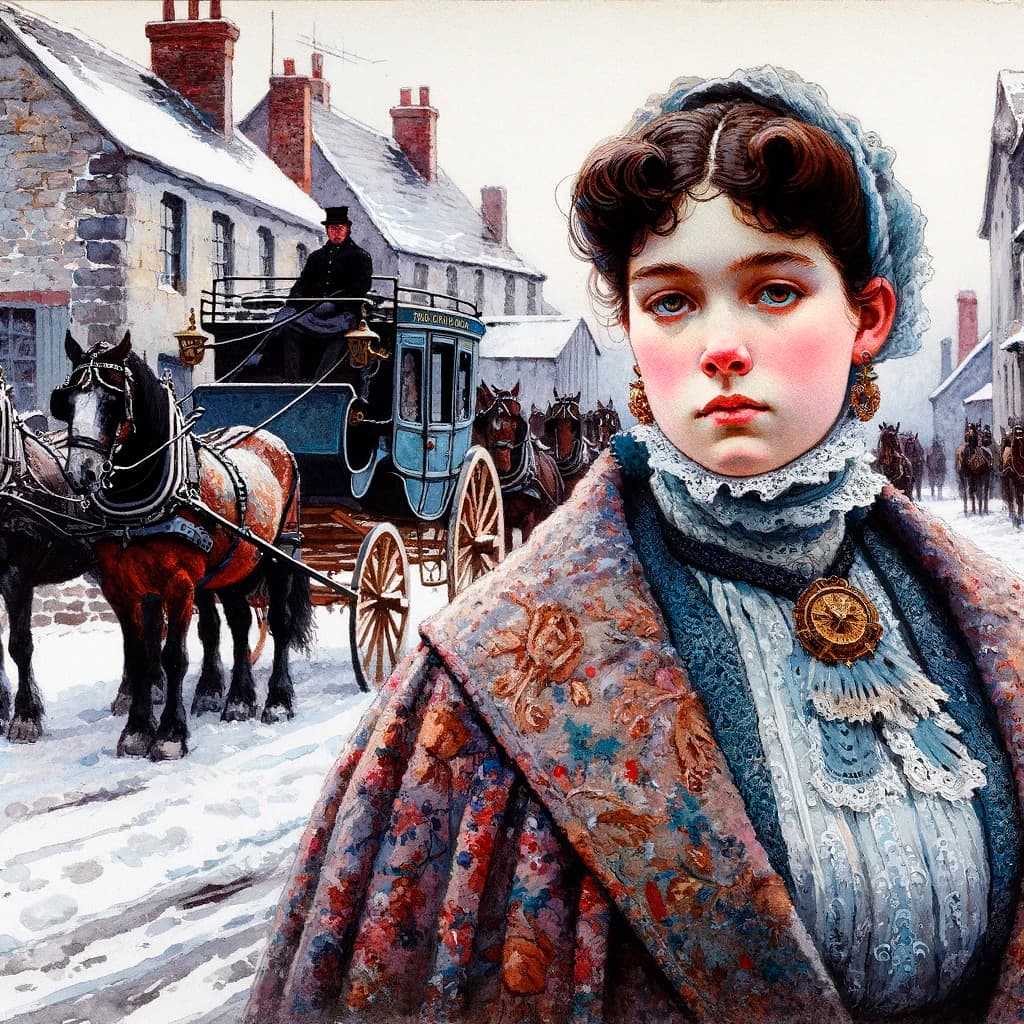
“Boule de Suif” is Guy de Maupassant’s most emblematic short story, the one that marked his rise to literary stardom. Published in 1880, it recounts the flight of a motley group of people from Rouen amid the turmoil of the Franco-Prussian War. Among the passengers are three upper-class couples, two nuns, a self-proclaimed revolutionary, and a well-known prostitute nicknamed Boule de Suif. Throughout the journey, Boule de Suif emerges as a shy and generous figure, selflessly concerned for the well-being of her companions. In return, however, she faces disdain, humiliation, and hypocrisy.

Jean Paul Sartre: Erostratus

Jean Paul Sartre: Erostratus

“Erostratus” (Érostrate) is a short story by Jean-Paul Sartre, published in 1939 in the book Le Mur. It tells the story of a solitary and resentful man who observes humanity with a mixture of superiority and revulsion. Obsessed with the pursuit of infamous glory and inspired by the figure of Erostratus—who in antiquity set fire to the Temple of Artemis in Ephesus for the sole purpose of passing into posterity—he acquires a revolver and begins to plan a crime that will grant him the fame he believes he needs in order to transcend his own insignificance.

Bertolt Brecht: The unseemly old lady

Bertolt Brecht: The unseemly old lady

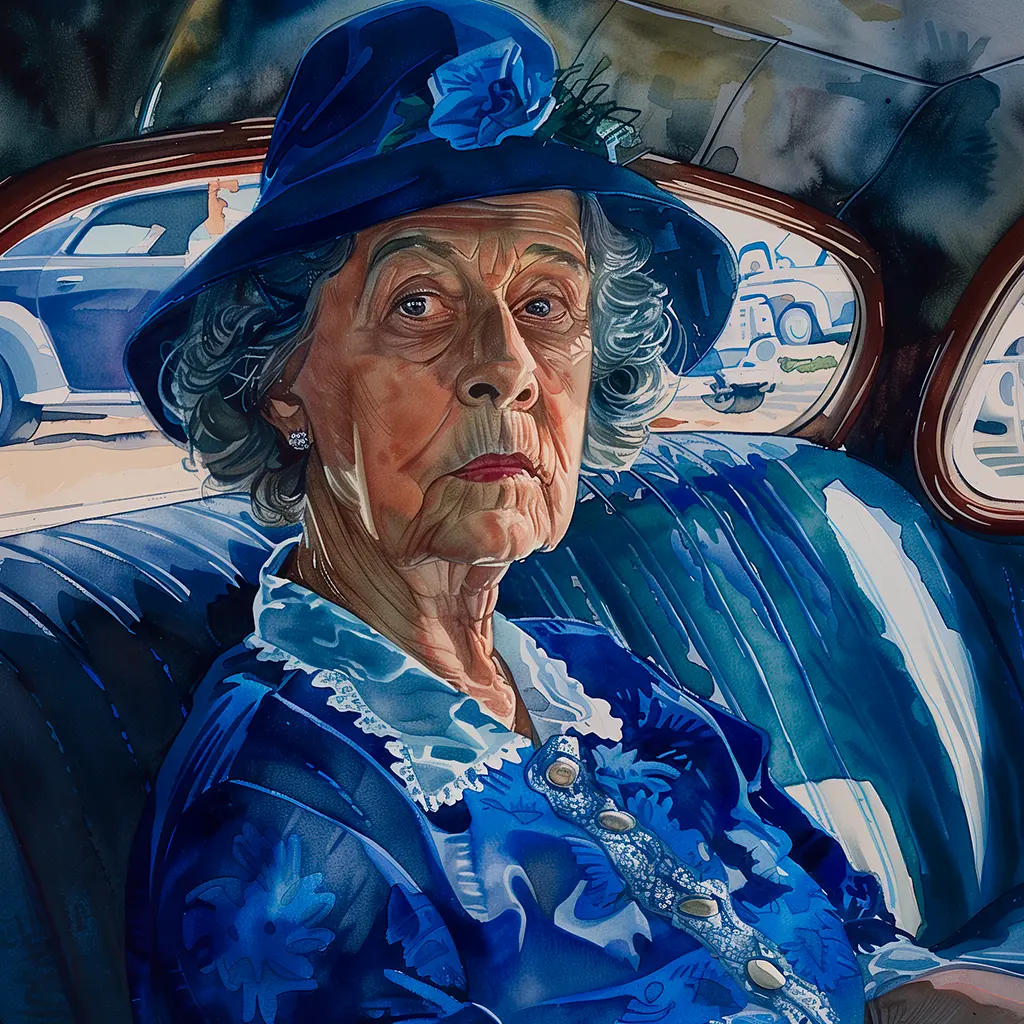
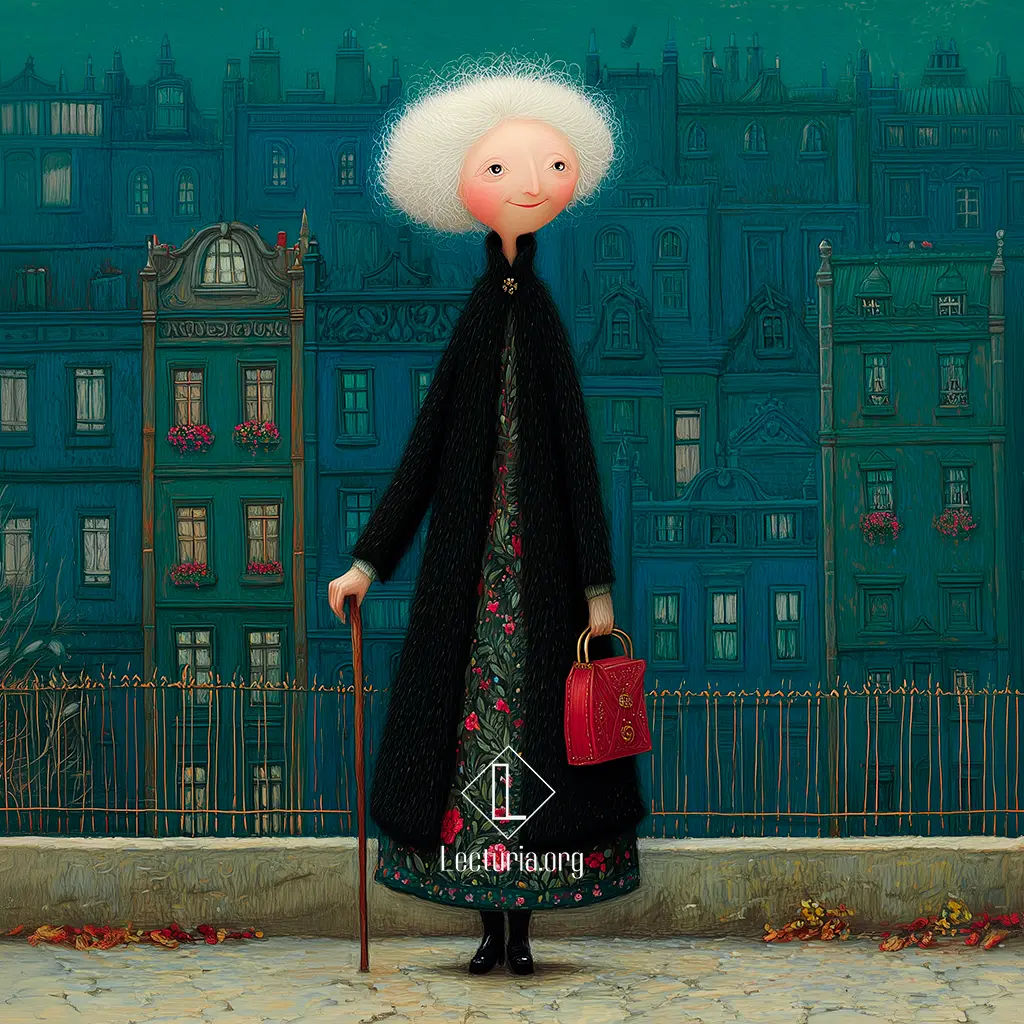
“The Unseemly Old Lady” (Die unwürdige Greisin) is a short story by Bertolt Brecht, written in 1939 and first published in the collection Kalendergeschichten (1949). It recounts the life of a woman who, after her husband’s death, finds herself faced with a dilemma: whether to depend on her children or fend for herself. Against all expectations, she rejects her family’s guardianship and chooses to live alone, accepting only modest financial support. From that moment on, she begins to chart her own course through small acts of independence that bewilder her children and arouse the curiosity of the townspeople.

Juan Rulfo: Macario

Juan Rulfo - Macario2

“Macario,” a short story by Juan Rulfo included in El llano en llamas (1953), is an intimate narrative that immerses us in the world of a young man with an intellectual disability under the care of his godmother. Caught between violence and tenderness, Macario finds solace in his relationship with Felipa, an alternative maternal figure. The narration captures his daily struggle, his simple desires, and his peculiar view of life, offering a window into his deepest thoughts and his marginal existence.

Flannery O’Connor: A Good Man Is Hard to Find

Flannery O’Connor: A Good Man Is Hard to Find

“A Good Man Is Hard to Find” is a short story by Flannery O’Connor, published in 1953. A family from the southern United States embarks on a vacation trip to Florida. During the trip, the grandmother entertains her grandchildren with stories from her youth. Captivated, the children insist on taking a detour to visit an old plantation that their grandmother mentions in her stories. Despite the father’s resistance, he finally gives in to family pressure and takes a rural road suggested by his mother. This seemingly innocuous decision will lead the group to an unexpected encounter with destiny.

Mary Shelley: The Pilgrims

Mary Shelley: The Pilgrims

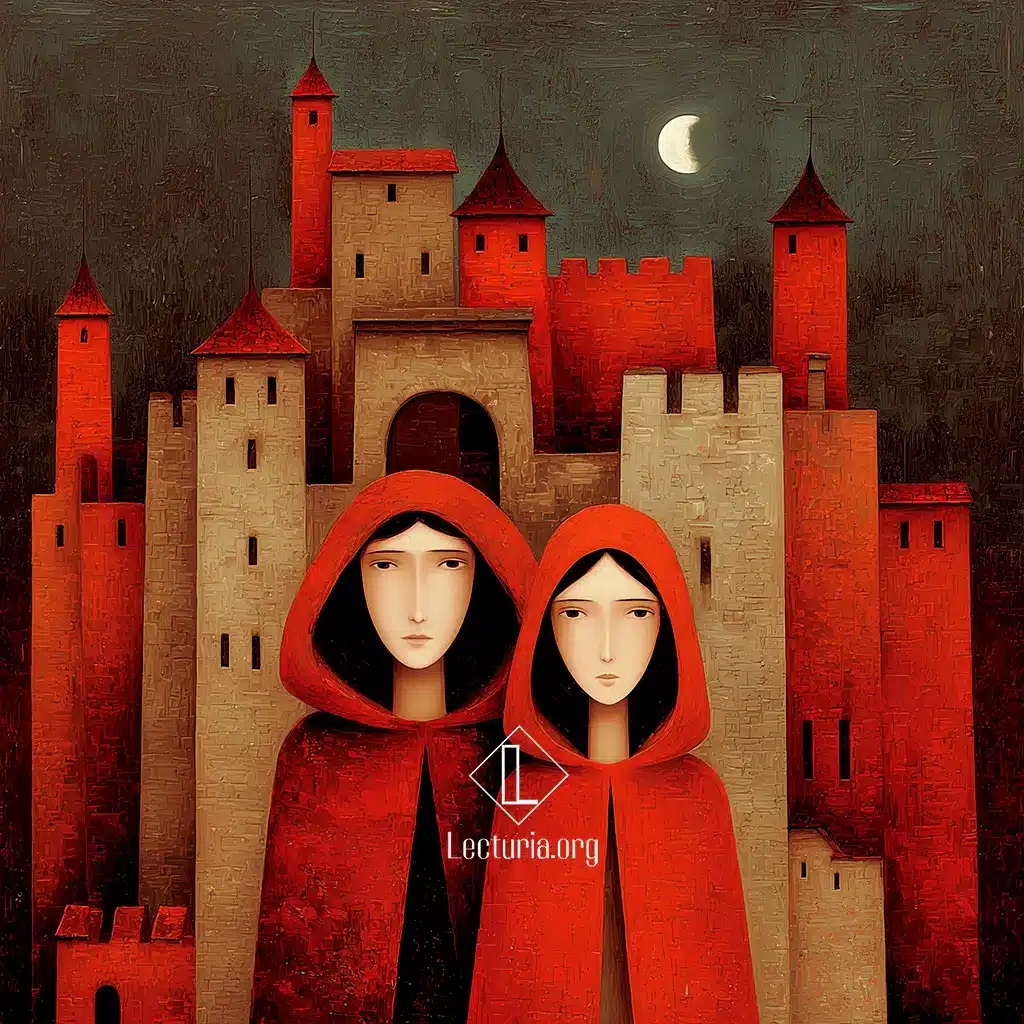
“The Pilgrims” is a short story by Mary Shelley, published in 1837 in The Keepsake and later included in the collection Tales and Stories (1891). Burkhardt of Unspunnen, a lonely old knight, lives tormented by painful memories. One night, two young pilgrims arrive at his castle seeking shelter, and he welcomes them generously. The strangers, moved by their host’s obvious distress, beg him to share the reason for his sorrow. Burkhardt then recounts the story of an irreparable loss and devastating regret that consumes his existence.