Clarice Lispector: Covert Joy

Clarice Lispector - Felicidad clandestina

Covert Joy (Felicidade clandestina) is a short story by Clarice Lispector, published in 1971. It tells the story of a girl who is passionate about reading and longs for a book that is impossible for her. The daughter of a bookshop owner, a cruel and manipulative girl, promises to lend it to her but always finds new excuses to deny it. The protagonist, clinging to hope, returns daily a prisoner of an illusion that always eludes her.

Gabriel García Márquez: The Woman Who Came at Six O’clock

Gabriel García Márquez: The Woman Who Came at Six O’clock

The Woman Who Came at Six O’clock (La mujer que llegaba a las seis) is a short story by Gabriel García Márquez published in 1950 in El Espectador. The story takes place in a small restaurant where José, the owner, receives a woman every afternoon who always arrives at the same time. However, that afternoon, although her routine seems intact, she insists that she has arrived earlier. Through a tense dialogue full of innuendo, the woman gradually reveals the reason for her behavior.

Katherine Mansfield: Bliss

Katherine Mansfield: Bliss

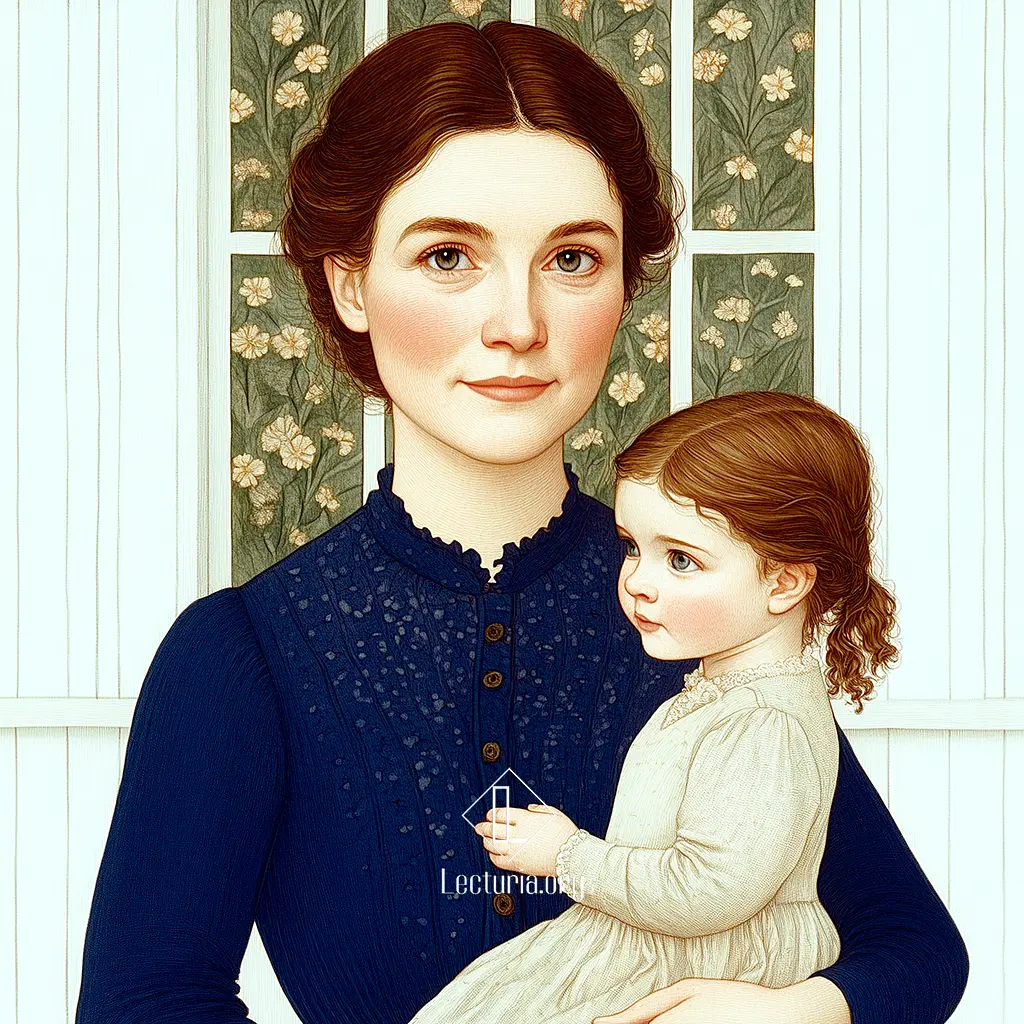
“Bliss” is a short story by Katherine Mansfield published in August 1918 in the English Review. It recounts a day in the life of Bertha Young, a thirty-year-old woman who experiences overwhelming happiness and a deep sense of fulfillment. While organizing a dinner party at home, her joy is reflected in the small details of everyday life: her tenderness towards her daughter, her satisfaction with her marriage, and the beauty of her garden, where a pear tree in bloom seems to symbolize her state of mind. However, among the gestures and glances of the guests, an unexpected detail threatens to alter her harmony.

Julio Ramón Ribeyro: The Featherless Buzzards

Julio Ramón Ribeyro: The Featherless Buzzards

“The Featherless Buzzards,” a short story by the Peruvian writer Julio Ramón Ribeyro, tells the story of two brothers, Efraín and Enrique, who live with their grandfather, Don Santos, and a pig called Pascual. The children are forced to collect garbage in the streets of Lima to feed the animal. The plot revolves around the brothers’ daily struggle to survive in an environment of extreme poverty and abuse at the hands of their grandfather. It is a story that reflects the harsh reality of the marginalized in an indifferent society.

Jack London: The Mexican

Jack London: The Mexican

The Mexican, a short story by Jack London, published on August 19, 1911, in The Saturday Evening Post, narrates the arrival of Felipe Rivera to a revolutionary cell fighting against the dictatorship of Porfirio Díaz in Mexico. At first, Rivera, an enigmatic, reserved young man with an implacable look, generates distrust among the veterans, who relegate him to the most humble and degrading tasks. However, his unwavering dedication to the cause soon becomes evident. Rivera, marked by a mysterious past, seems willing to sacrifice to contribute to the revolutionary dream.

Guy de Maupassant: The Dowry

Guy de Maupassant: The Dowry

“The Dowry” (La dot) is a short story by Guy de Maupassant published on September 9, 1884, in Gil Blas. It tells the story of Simon Lebrumet, a notary, who marries the young Jeanne Cordier in the village of Boutigny-le-Revours. Their marriage comes as no surprise to anyone, as Lebrumet needs money to buy a notary’s office and Jeanne has a considerable dowry. He is a pleasant man and she is an attractive woman, albeit somewhat provincial. The first days of their marriage are filled with sweetness and passion, and Lebrumet proves to be a tender and delicate husband. To enjoy their honeymoon, the couple plans to travel to Paris; however, a curious situation alters their plans.