Isaac Asimov: Dreaming Is a Private Thing

Isaac Asimov: Dreaming Is a Private Thing

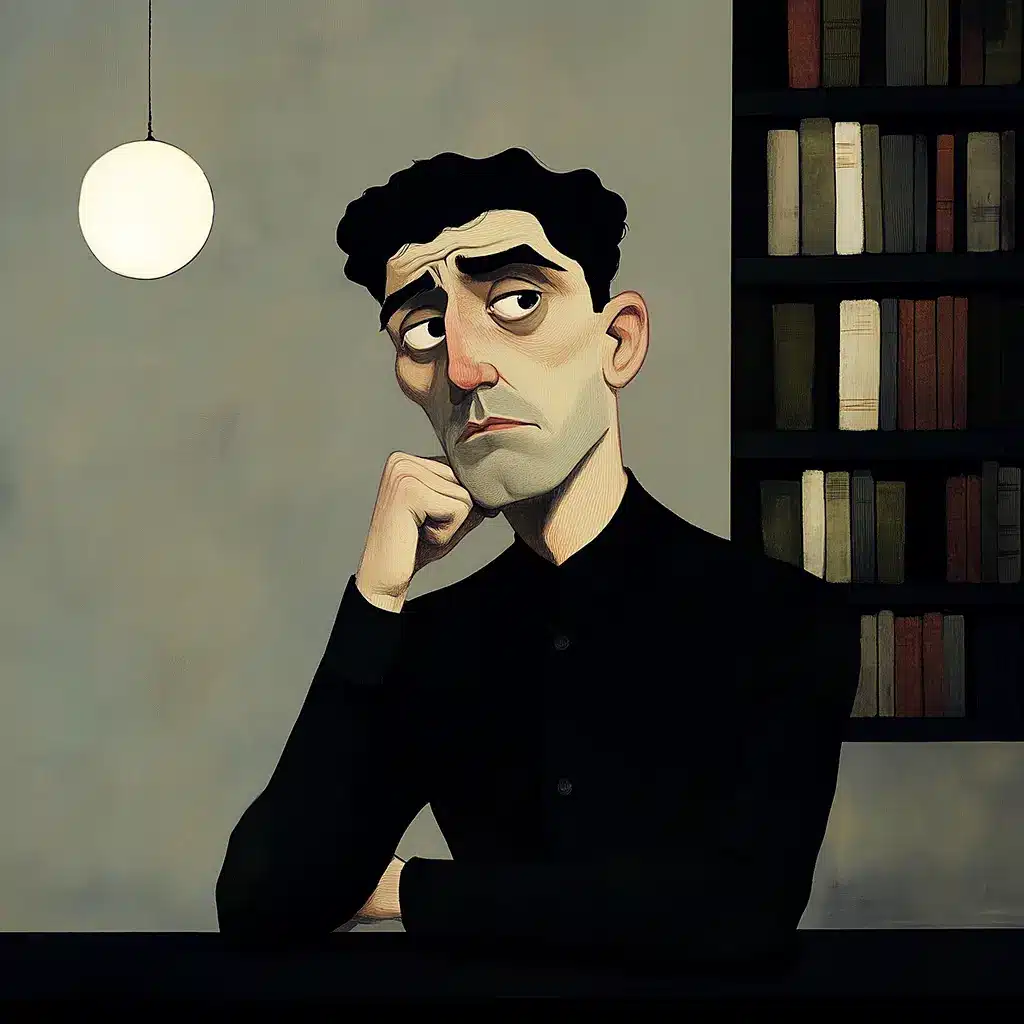
“Dreaming Is a Private Thing” is a science fiction story by Isaac Asimov, published in The Magazine of Fantasy and Science Fiction in December 1955. In a future where dreams have become the ultimate form of entertainment thanks to technology that allows them to be recorded and replayed, a small group of people with extraordinary imaginations create dream experiences that the rest of humanity can enjoy. In this context, Jesse Weill, director of Dreams Inc., is dedicated to finding new talent to feed this lucrative market. One day, a recruiter introduces him to Tommy Slutsky, a ten-year-old boy with promising abilities.

Philip K. Dick: The Father-Thing

Philip K. Dick: The Father-Thing

The Father-Thing is a disturbing science fiction short story by Philip K. Dick published in December 1954 in The Magazine of Fantasy and Science Fiction. An eight-year-old, Charles, begins to suspect something terrible is happening to his father. One night, as he enters the garage, he witnesses a disturbing scene: next to his father is an identical replica of him. During dinner, Charles is confronted by the disturbing creature that, he is convinced, has usurped his father’s place. His mother’s incomprehension and the escalation of events that this provokes lead Charles to run away from home in search of help, triggering a desperate struggle to discover the truth in an environment that becomes increasingly oppressive and terrifying.

Ambrose Bierce: An Inhabitant of Carcosa

Ambrose Bierce: An Inhabitant of Carcosa

An Inhabitant of Carcosa is a haunting story by Ambrose Bierce, published in the San Francisco Newsletter on 25 December 1886. The story recounts the experience of a man who awakens in a desolate and mysterious landscape populated by withered grasses, dry trees, and ruins that seem to speak of a forgotten past. Lost in these bleak surroundings, the protagonist searches for the path to the ancient city of Carcosa as he ponders the nature of life, death, and his existence, confronting an enigma that transcends time and reality.

F. Scott Fitzgerald: Pat Hobby’s Christmas Wish

F. Scott Fitzgerald: Pat Hobby’s Christmas Wish

“Pat Hobby’s Christmas Wish” is a short story by Francis Scott Fitzgerald, published in Esquire in January 1940. The story follows Pat Hobby, a mediocre and declining screenwriter, trapped in the Hollywood studio grind and forced to work on Christmas Eve. His bitter existence takes an unexpected turn with the arrival of Helen Kagle, his new secretary, who, barely settled in, bursts into tears, leaving Pat bewildered. In trying to console her, Pat discovers that Helen is keeping a secret about a top studio executive and a letter that could change, perhaps forever, their fortunes.

Isaac Asimov: Christmas Without Rodney. Summary and analysis

Isaac Asimov - Christmas Without Rodney. Summary and analysis

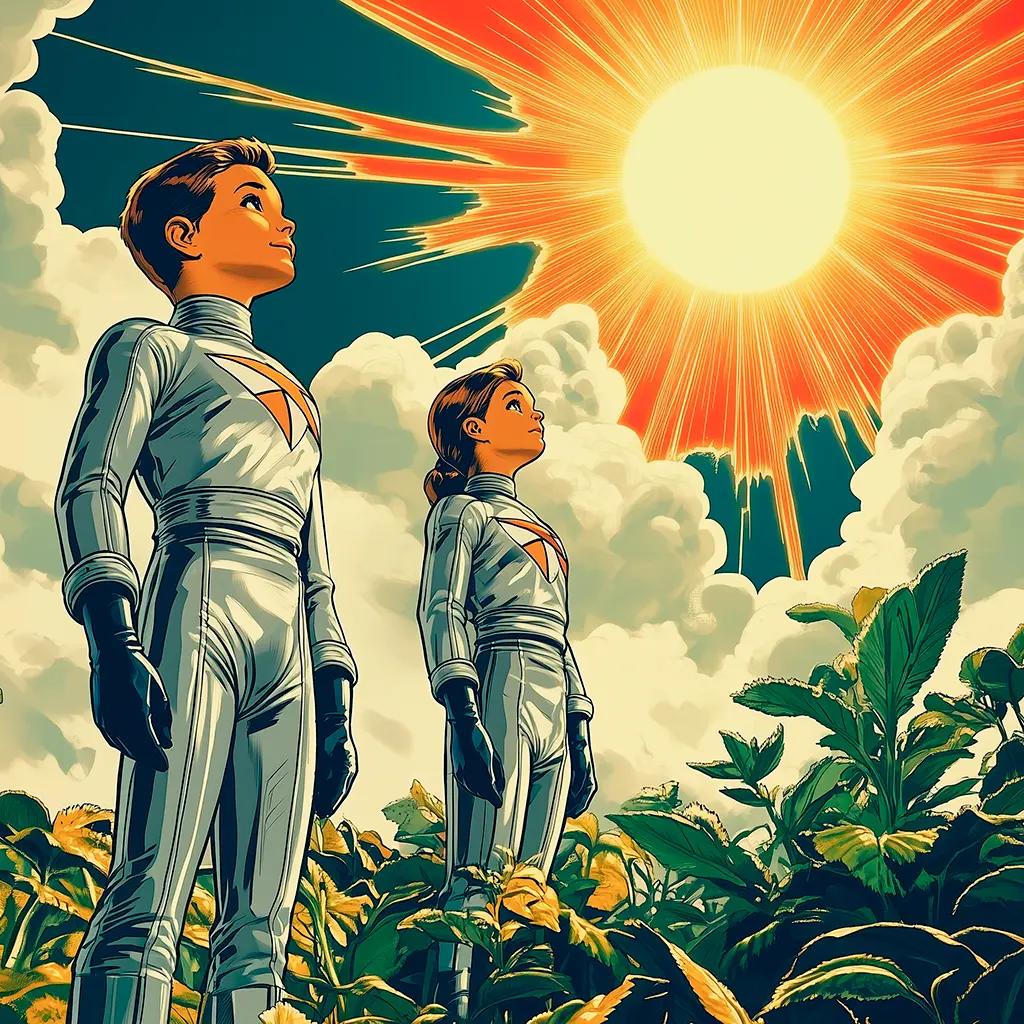
In Isaac Asimov’s Christmas Without Rodney, Howard and his wife Gracie face holiday chaos when Gracie gives their faithful household robot, Rodney, a holiday during the family’s Christmas visit. Their son, DeLancey, his haughty wife, Hortense, and their spoiled child, LeRoy, bring their ultra-modern robot, Rambo, whose sleek design proves useless in the couple’s old-fashioned home. Blending humor, family conflict, and subtle exploration of robotics, the story raises profound questions about human relationships, technology, and the limits of artificial intelligence.

Philip K. Dick: Foster, You’re Dead

Philip K. Dick: Foster, You’re Dead

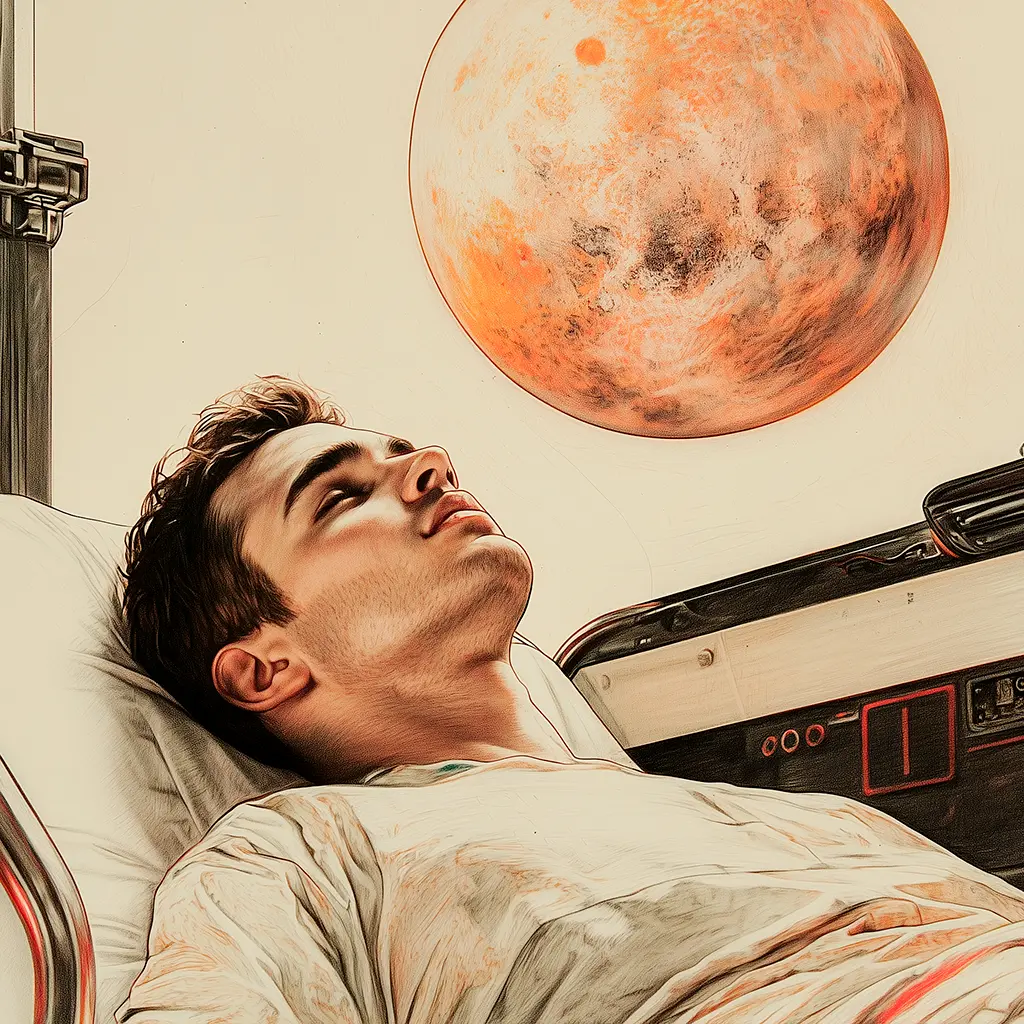
“Foster, You’re Dead” is a science fiction short story by Philip K. Dick, published in Star Science Fiction Stories No. 3 in 1955. In a society obsessed with preparing for nuclear war, Mike Foster faces the stigma of being the son of an ‘anti-P’, someone who refuses to buy bomb shelters or contribute to the community defence system. While his peers make booby traps and knives at school, he lives with the constant humiliation and fear of not having a shelter to protect him. Social pressure and fear drive him to crave security in a world where paranoia has become a lucrative business.