Nathaniel Hawthorne: Wakefield
Nathaniel Hawthorne - Wakefield

“Wakefield” is a short story by the American writer Nathaniel Hawthorne, published in The New-England Magazine in May 1835. Under the pretext of taking a brief trip, a man abandons his home and his wife and secretly installs himself in a room on the street next to his own. For no apparent reason, he observes from a distance the life he has left behind, becoming an invisible spectator of his own absence. What was meant to be a getaway of only a few days gradually stretches on, as Wakefield sinks into anonymity and indefinitely postpones his return.

Fredric Brown: Solipsist

Fredric Brown: Solipsist

“Solipsist” is a short story by the American writer Fredric Brown, published in 1954 in the anthology Angels and Spaceships. Walter B. Jehovah has been a solipsist all his life: he believes that only he truly exists and that the universe is a creation of his mind. After a series of personal misfortunes, he ends up hospitalized and puts his beliefs to the test: as he contemplates the stars, he wishes that everything around him would cease to exist.

Isaac Asimov: The Fun They Had

Isaac Asimov: The Fun They Had

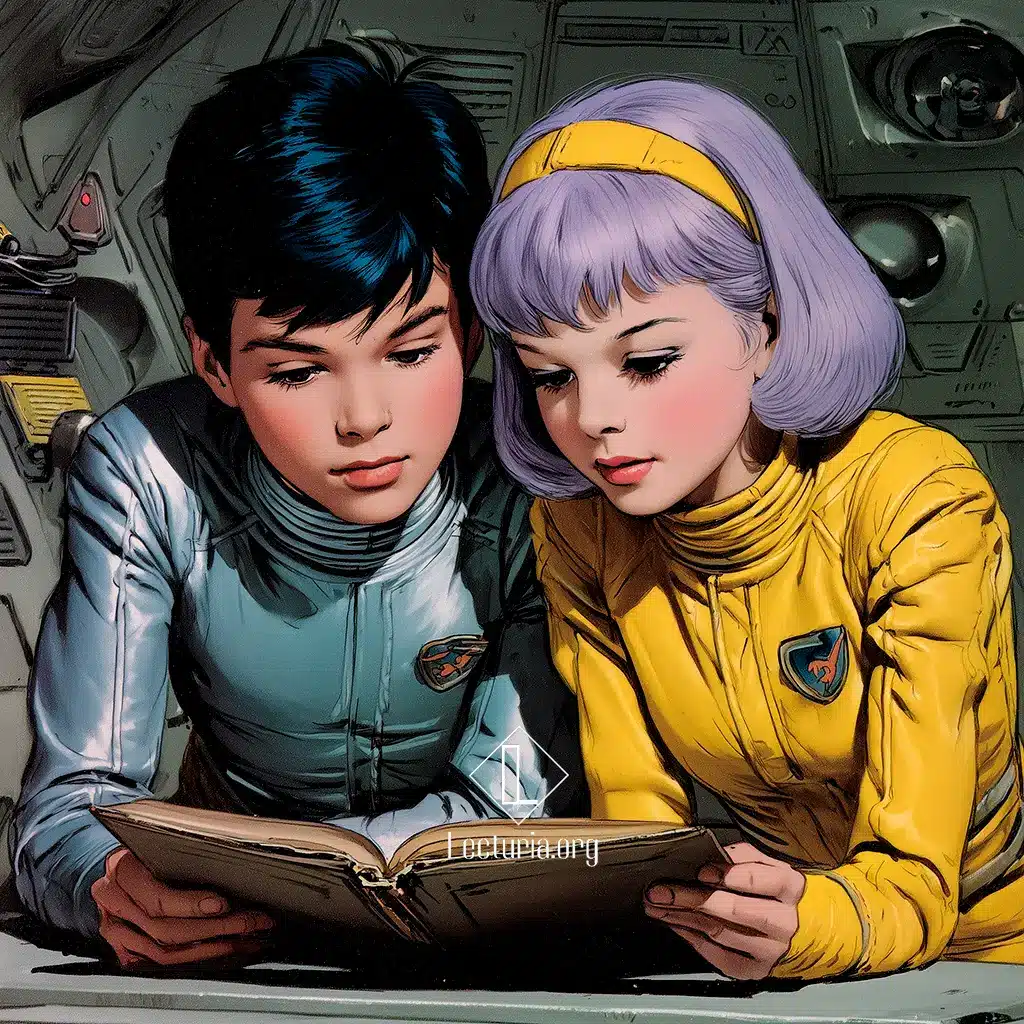
“The Fun They Had” is a short story by Isaac Asimov, published in December 1951 in Boys and Girls Page. Margie and Tommy, two children living in a future society, discover something they have never seen before: a real book printed on paper. The two friends—and Margie in particular—are fascinated by this unusual object, which describes a distant time when education was conducted in a way very different from the one they know.

Shirley Jackson: Jack the Ripper

Shirley Jackson: Jack the Ripper

“Jack the Ripper” is a short story by the American writer Shirley Jackson, published posthumously in 1996 in the book Just an Ordinary Day. On a New York night, a man walks down a deserted street when he comes upon a young woman who has fainted beside a bar, apparently drunk. Alarmed by her condition, he goes inside the establishment and tries to get help for her, but he encounters the indifference of the bartender and the other men present, who prefer to wash their hands of the matter, claiming they know her and that she usually sleeps on the street. Faced with this general apathy, the man decides to take matters into his own hands and help the young woman himself.

Harlan Ellison: All the Sounds of Fear

Harlan Ellison - Todos los sonidos del miedo

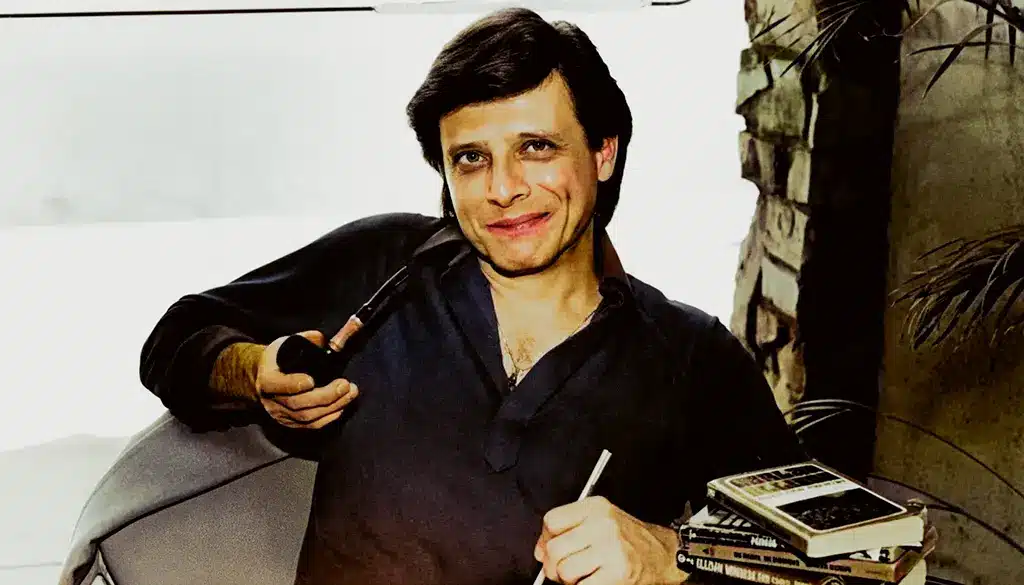
“All the Sounds of Fear” is a short story by Harlan Ellison, published in 1962 in the collection Ellison Wonderland. It recounts the extraordinary career of the actor Richard Becker, who develops a revolutionary acting technique based on total immersion in his characters—living them in reality in order to achieve absolute authenticity on stage. Over the course of twenty-four years, Becker conquers Broadway with legendary characterizations, turning down offers from Hollywood because he believes his art requires the reality of the theater. However, his extreme dedication to assuming other identities drags him toward a breaking point where the line between actor and character fades away irretrievably.