Lester del Rey: The Day Is Done

Lester del Rey: The Day Is Done

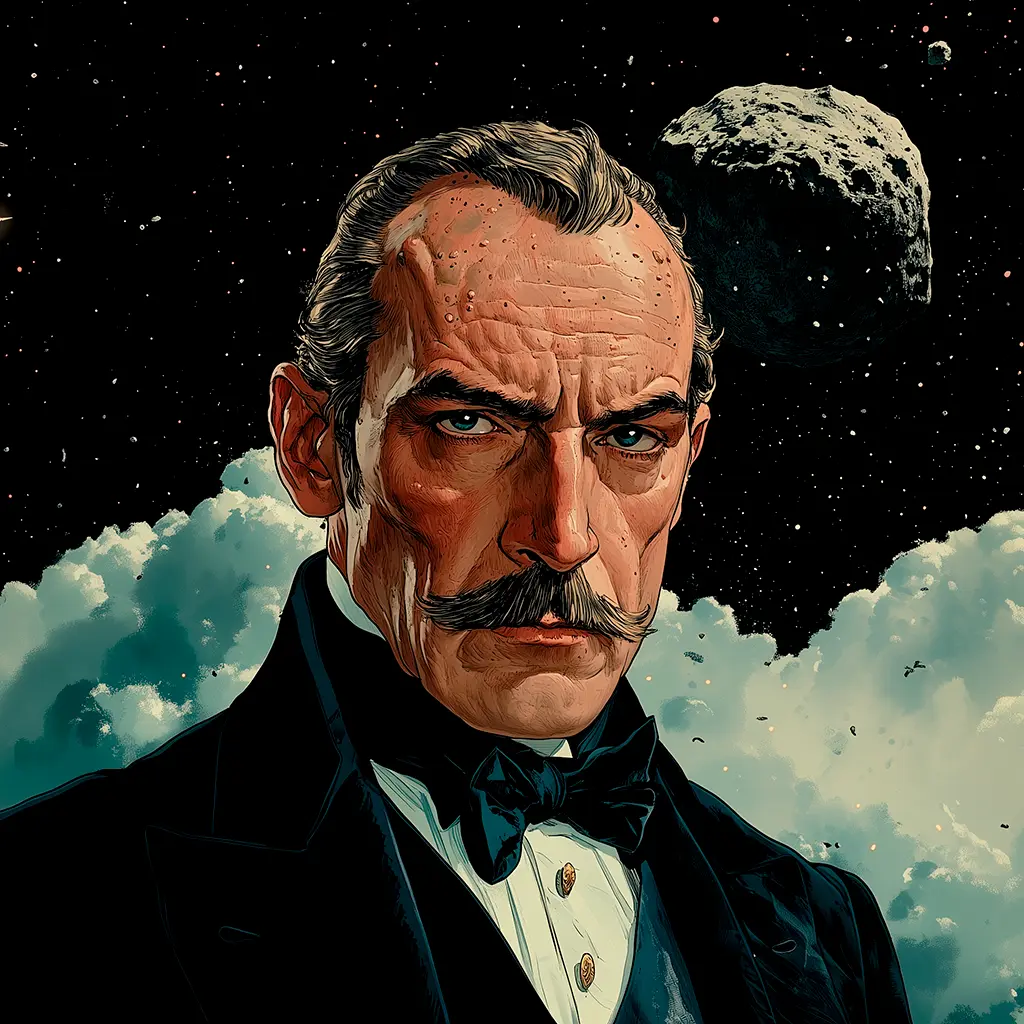
The Day Is Done is a science fiction story by Lester del Rey, published in May 1939 in Astounding Science-Fiction magazine. The story follows Hwoogh, an old Neanderthal who sadly contemplates the decline of his world. His people were strong and dominant in his youth, but now the ‘Talkers’ (as he calls the Cro-Magnons) have invaded their lands, imposing new customs and technologies. As Hwoogh recalls the glory days of his tribe, he feels the weight of decay and the imminent extinction of his species. A moving tale that, as Isaac Asimov recounted, brought him to tears as he traveled on the underground on his way to teach at Columbia University.

Ursula K. Le Guin: The Ones Who Walk Away from Omelas

Ursula K. Le Guin: The Ones Who Walk Away from Omelas

The Ones Who Walk Away from Omelas is a short story by Ursula K. Le Guin, published in 1973. The story takes us to a utopian city where the happiness of all the inhabitants depends on a dark and terrible secret. Through an involving and provocative prose, Le Guin invites us to question morality and the price of collective happiness. In this dream city, some choose to stay, but others, moved by the injustice, decide to leave Omelas forever. This story challenges the reader to reflect on sacrifice and ethics in the search for an ideal society.

Ray Bradbury: The Man Upstairs

Ray Bradbury: The Man Upstairs

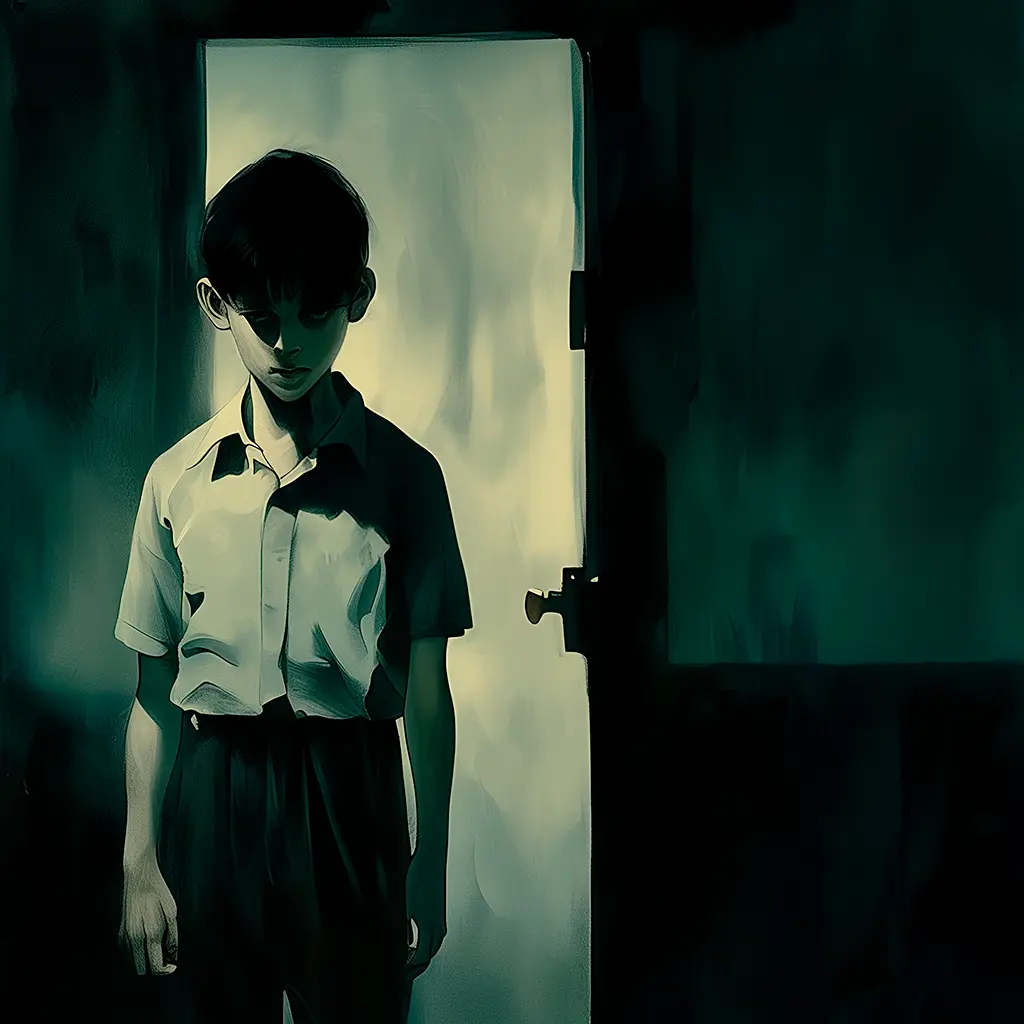
“The Man Upstairs” is a disturbing short story by Ray Bradbury, first published in Harper’s Magazine in March 1947. The story follows Douglas, a curious boy who lives with his grandmother, a woman skilled in the kitchen whose culinary rituals fascinate him. One day, a strange man named Mr. Koberman arrives at the boarding house to rent the upstairs room. From the moment he appears, the atmosphere in the house becomes tense and mysterious. Intrigued by the newcomer’s peculiar behavior, Douglas begins to suspect that there is something very unusual about him—something that defies all logic.

Arthur Machen: The Happy Children

Arthur Machen: The Happy Children

The Happy Children is a haunting story by Arthur Machen, published in 1920. After Christmas 1915, a journalist stops in Banwick, a town steeped in medieval atmosphere. Fascinated by the beauty of the place, he wanders through the narrow, winding streets, where he is surprised to find numerous children laughing, singing, and dancing merrily. His bewilderment increases as he finds that even as night falls and darkness envelops the village, children are still on the streets. While exploring this enigmatic setting, the journalist witnesses a strange procession heading to an ancient church on the hill. This experience will be far more disturbing than he ever imagined.

Nathaniel Hawthorne: Young Goodman Brown

Nathaniel Hawthorne: Young Goodman Brown

Young Goodman Brown is a horror story written by Nathaniel Hawthorne and published in The New England Magazine in April 1835. The story follows Goodman Brown, a young man from Salem who one night takes leave of his wife to keep an enigmatic and urgent appointment. Shortly into the journey, he encounters a mysterious man who reveals himself to be Satan, and together, they go deep into the woods, where he witnesses a disturbing ceremony. That night, Brown will be confronted with disturbing revelations that will shake his faith and vision of everything around him, marking a before and after in his life.

H. G. Wells: The Crystal Egg

H. G. Wells: The Crystal Egg

“The Crystal Egg” is a science fiction story by H. G. Wells published in The New Review in May 1897. It tells the story of Mr. Cave, an antique dealer who owns a small, dilapidated store in London. Among the strange objects he sells is a mysterious crystal sphere, which attracts the interest of two curious customers. However, Cave seems reluctant to sell it, which generates tensions with his family and arouses suspicion. As the story progresses, we discover that Cave has made an astonishing discovery related to this sphere and is keeping it a secret. Fascinated by what he sees through the crystal, Cave immerses himself in a series of reality-defying observations, leading him further away from his everyday life.